
The short answer
Humanoid robot cost in Austin, TX is set by the site, not by a list figure: the floor or task area, the shifts it covers, the number of units, the mapping and integration the building needs, and how service is provided. Those inputs set the fixed lease payment, which we quote after a free site assessment. The labor hours a robot would take over are the number to test first.
Key takeaways
- Floor area, shift coverage and unit count move a humanoid robot lease quote more than any other input.
- CoStar reports that 100,000 to 250,000 square foot buildings are Austin's most common speculative development.
- Time the hours on your own floor before comparing quotes, since published hour counts for this work are scarce.
- Turnover in building service work runs high across the sources cited here, so staffing risk belongs in the decision.
- Every quote follows a free site assessment and lists what is included and who carries each cost.
Humanoid robot cost in Austin: what the answer depends on
Humanoid robot cost in Austin depends on the site, and no single figure holds across the buildings in the metro. A mid-size warehouse run on two shifts is a separate job from a hotel that carries amenities between floors, so each quote is built from area, hours, staffing and service distance. We do not publish one figure, because it would hide the inputs that set the payment.
This page covers the factors that move the number, the costs people tend to miss, how leasing through financing works, the labor hours involved, what a robot cannot do, and how to get a quote. Where a figure comes from a secondary source or an unverified estimate, the sentence says so.
One caution up front. A humanoid is a general-purpose platform, and much of its useful work in buildings is still being proven in pilots. For a fixed, repeated floor job, a wheeled machine is often the better fit, and the site assessment is where that choice gets made.
What drives the cost of a humanoid robot at an Austin site?
Five inputs move the lease quote more than anything else: the area or task zone the robot covers, the hours it runs, the number of units, the mapping and integration the building needs, and how far service has to travel. The diagram below shows which way each one pushes the number. We did not find verified Austin climate or building stock data, so heat, humidity and building age are checked during the walk rather than assumed.
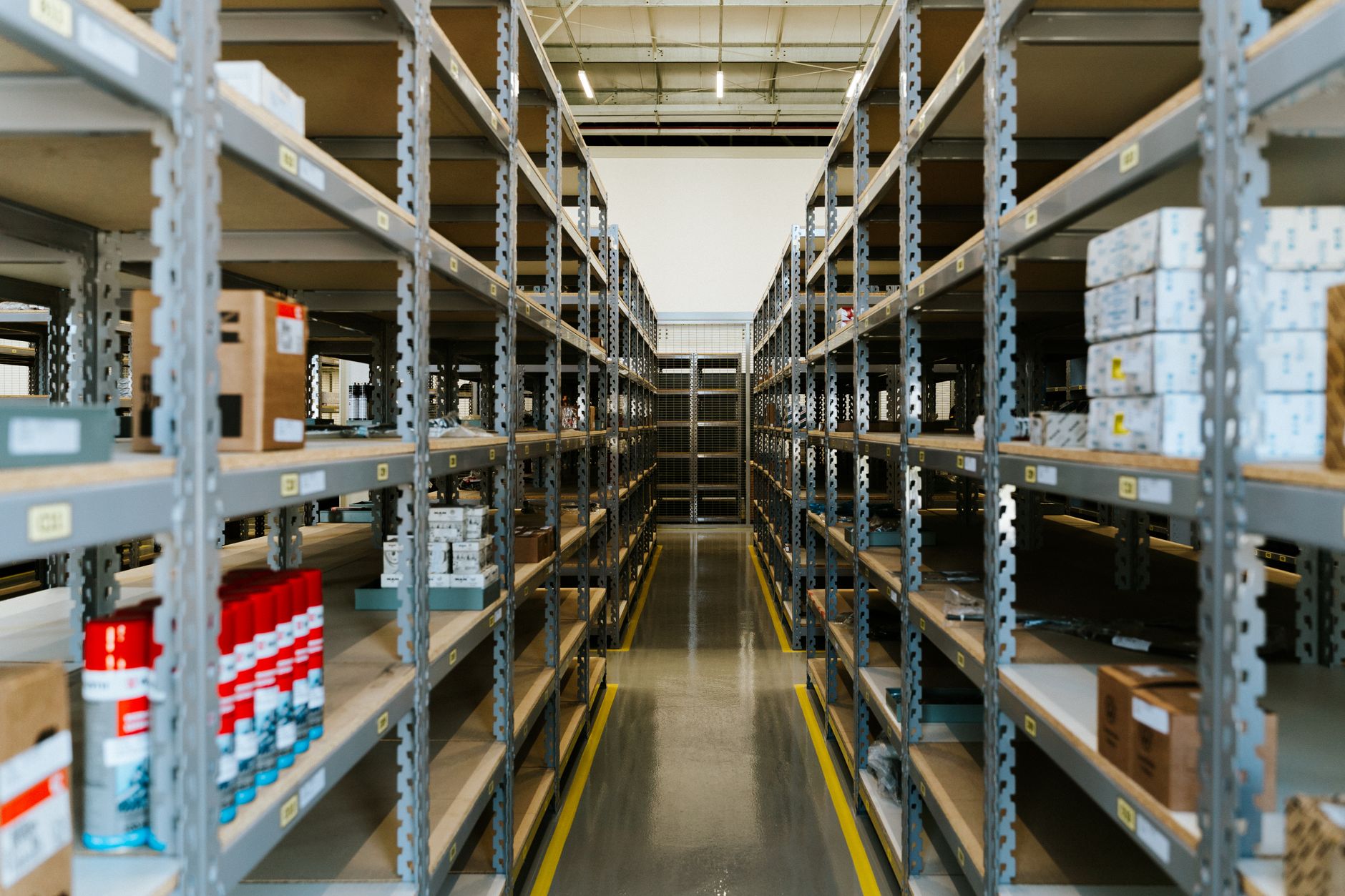
Area comes first because route length, charging stops and coverage time all grow with it. CoStar reported in July 2025 that mid-size big-box buildings of 100,000 to 250,000 square feet are the most common speculative development in Austin. Many buildings a robot would work in fall in that range, with long aisles and a few large docks.
Shifts and units work together. A robot covering one overnight shift needs less spare capacity than one running two or three shifts plus event turnarounds. A single unit also leaves a gap whenever it is charging or in service, so most sites weigh a spare unit against that gap before settling on the lease terms.
Which Austin businesses would run a humanoid robot?
Warehouses and distribution buildings are the most obvious group, since they run repeated floor and transport work on fixed schedules. Flex space, cross-dock sites and light manufacturing follow the same logic. A site with one or two predictable routes each night gives the site walk something concrete to measure.
Hotels and event venues form the second group. Austin's convention center closed in April 2025 for a full rebuild, with the city targeting reopening in early 2029. Northstar Meetings Group reports that Visit Austin's chief executive expects completion by December 2028, and that the city was losing about half of the convention leads it received. Hotels and venues near downtown may carry more turnaround and delivery work in the meantime.
The hotel pipeline adds to the picture. Business Travel News, citing Lodging Econometrics for the second quarter of 2025, reported 125 hotel projects totaling 14,600 rooms in development. That growth means more repeated floor care and scheduled delivery work on set routes, which is the kind of work a robot can take on.
How many labor hours does a humanoid robot take over?
Hours are the core of the business case, and they should come from your own floor. We did not find a published Austin figure for cleaning or transport hours per task, so the table below describes each task and how we time it during the site walk, rather than printing an hour count we cannot source.
Read the table by asking three things about each task: who does it today, how often it happens, and what happens to that work when the person is off shift. Hours scattered across a shift are hard to reclaim. Work that runs as one fixed route at the same time each night is the easiest to hand over, and it is usually where the first unit goes.
What does the local labor market and turnover look like?
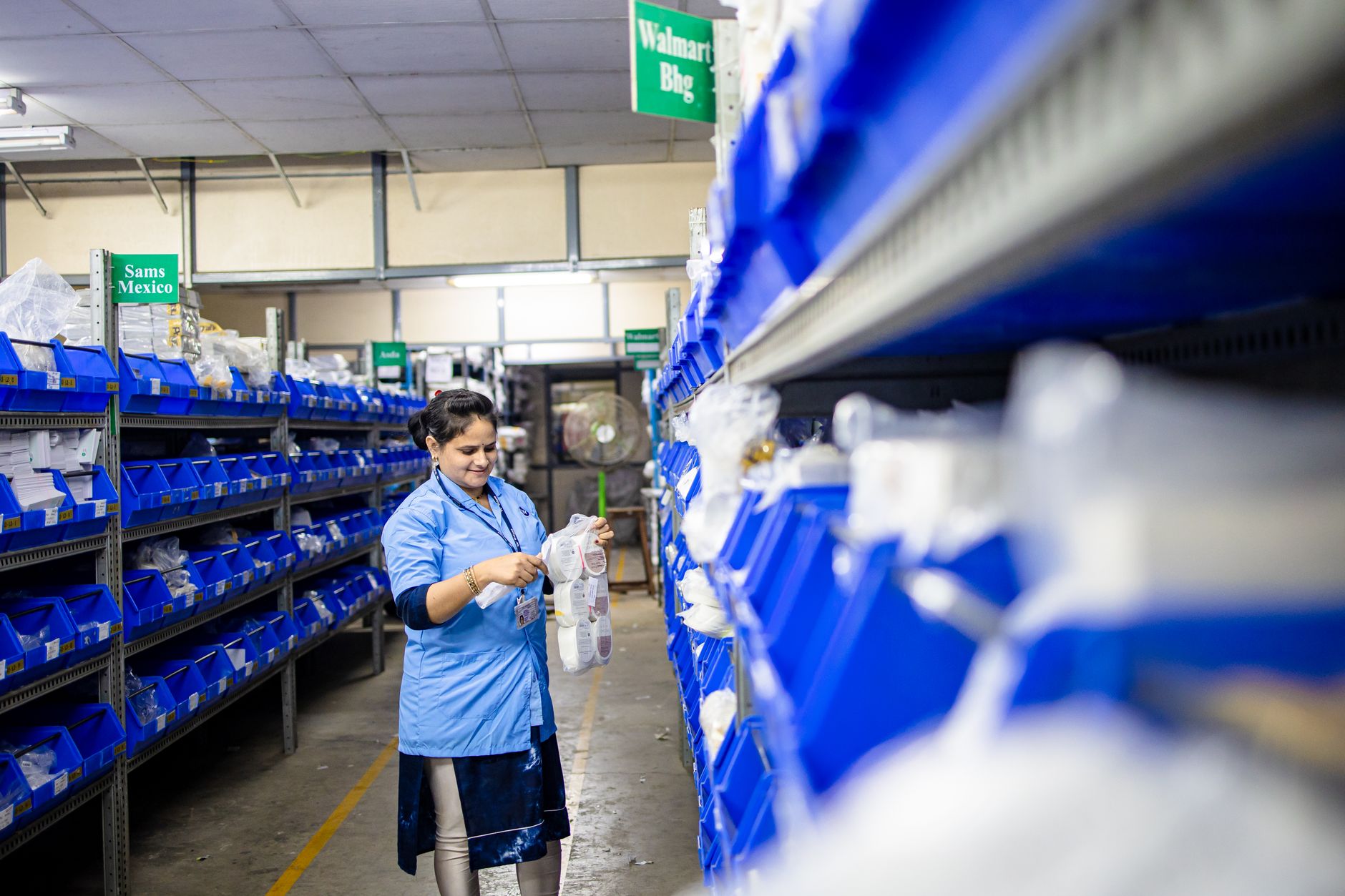
Turnover matters most for this decision, and the figures depend on the source. StealthAgents, citing BLS JOLTS data, reports a 68.4 percent annual separation rate for services to buildings and dwellings in 2024. We could not match that number to a BLS table, so treat it as a secondary figure and check it before using it internally.
Injury exposure matters for shift planning too. The BLS snapshot for 2015 to 2019 reports 157.4 days-away-from-work cases per 10,000 full-time equivalent workers for janitors and cleaners in private industry in 2019, with 18,680 cases that year. The BLS snapshot for 2016 to 2020 reports 137.1 for 2018 and 191.6 for 2020 for janitors and cleaners, except maids and housekeeping cleaners. These are national rates, and they show that repetitive floor work carries real exposure, which is one reason sites weigh floor automation alongside staffing.
We did not retrieve a verified count of this occupation in the Austin metro, so the local picture rests on the turnover and injury figures above and on the venue and hotel data earlier on this page.
What costs do people miss besides the lease?

The lease payment covers the robot, but several other costs sit around it, and they are the ones that surprise site teams. Mapping takes time on the floor and has to be redone when racking, pallets or doors change. Software and route changes need a named owner on your side. Repairs recur, and a unit out of service sends its hours back to staff unless spare cover is in place.
Training and insurance come next. Staff need to know how to work beside the robot, what to do when it stops in a doorway, and who to call. Your insurer should understand the robot and the site before go live, and the terms should be in writing before you commit.
We handle deployment and integration, mapping during the site assessment, staff training and service nationwide. Each quote states who carries software, insurance and repairs, and what maintenance is included, so you can see every responsibility before the lease starts.
How does leasing through financing work, and what does the quote include?
Robots are leased with us, through financing, so there is no upfront capital for the equipment itself. The financing turns the robot into a fixed lease payment with a set term, which keeps capital free for the rest of your operation and gives your budget one known line.
The quote comes after the free site assessment. It lists the fixed lease payment, deployment and integration work, mapping, staff training, service coverage with on-site dispatch and remote triage, and any spare unit cover you choose. It also states the lease term and who carries software, insurance and repairs.
Some sites start with one leased unit in a single zone before expanding. That lets the team see real hours and service response on its own floor, and the quote can show the expansion path up front.
What can a humanoid robot not do?
A humanoid robot does not replace every task a person does. It is limited by the reach of its arms, the loads it can carry, its battery life, the thresholds and ramps it can clear, and the zones where it has been proven safe. Edge work along walls, tight corners, spill response and exceptions still need a person.
Safety and regulation add limits. Forrester's Automation Survey 2025 found 69 percent of automation decision makers adopting or planning to adopt humanoid robots, and it names cost, complexity and regulation as the constraints on wider rollouts. A robot should not run in areas it cannot be safely separated from people, and the site assessment marks those zones before a quote is written.
Survey numbers show interest, not proof. Treat broad adoption figures as a sign of where the market is heading, and treat the site walk as the evidence that matters for your building.
How do I get a humanoid robot quote in Austin?
Start with a free site assessment. We walk the building with you, measure the zones, note doors, elevators, traffic and surfaces, and map the routes. We also time the tasks the robot would take over, so the hours in the quote come from your site rather than from a generic estimate.
Bring the work list, your shift schedule, a floor plan if you have one, and the building systems the robot may need to connect with, such as door access. Name who signs off, who handles exceptions, and who your staff will call when the robot stops.
The quote follows the walk and lists the fixed lease payment, deployment and integration, training, and service coverage. If the walk shows one zone is the right place to begin, the quote can start with a single unit and a defined path to expand.
Frequently asked questions
Put a robot to work in Austin.
We walk your site, learn the job, and recommend the unit that fits. Then we quote the lease, deploy it, and keep it serviced.
Sources
- CoStar, mid-size industrial buildings dominate Austin development landscape (July 2025)
- BLS, Occupational injury and illness snapshot, janitors and cleaners 2015 to 2019
- BLS, Occupational injury and illness snapshot, janitors and cleaners 2016 to 2020
- Northstar Meetings Group, Austin convention center rebuild
- Business Travel News, Austin hotel pipeline (Lodging Econometrics, Q2 2025)
- Forrester Automation Survey 2025, as reported by eCommerce News
- StealthAgents, janitorial and cleaning industry staffing costs 2026, citing BLS JOLTS