
The short answer
Humanoid robot cost in Detroit depends on the site: floor area and surfaces, the hours and shifts the robot runs, how much mapping and system integration the building needs, the number of units, and the service plan behind them. No single figure applies to every Detroit site, so the lease quote comes after a free site assessment that measures your floor.
Key takeaways
- Floor layout, surfaces and traffic move the humanoid robot cost in Detroit more than the robot itself.
- Mapping, integration, training and service are the costs most often left out of a first estimate.
- Public data does not give Detroit hours for floor care, so the site assessment measures them on your floor.
- The lease is set through financing in a written quote that lists what is and is not included.
- Current humanoid robots fit repetitive routes in structured areas, not changing or unstructured work.
What does a humanoid robot cost to run in Detroit?
The humanoid robot cost in Detroit is the sum of the lease, the deployment, the staff time it takes to supervise the robot, and the service that keeps it working. The lease is only one line. A single-shift site with a clean layout and short routes can run very differently from a multi-level building with long corridors and heavy traffic, even when both use the same type of robot.
Most of the running cost sits in four places: mapping the building, integrating the robot with doors, lifts or site systems, training the staff who work beside it, and servicing the unit when it stops. Each one depends on the floor itself, so two sites in the same metro can land far apart on the quote.
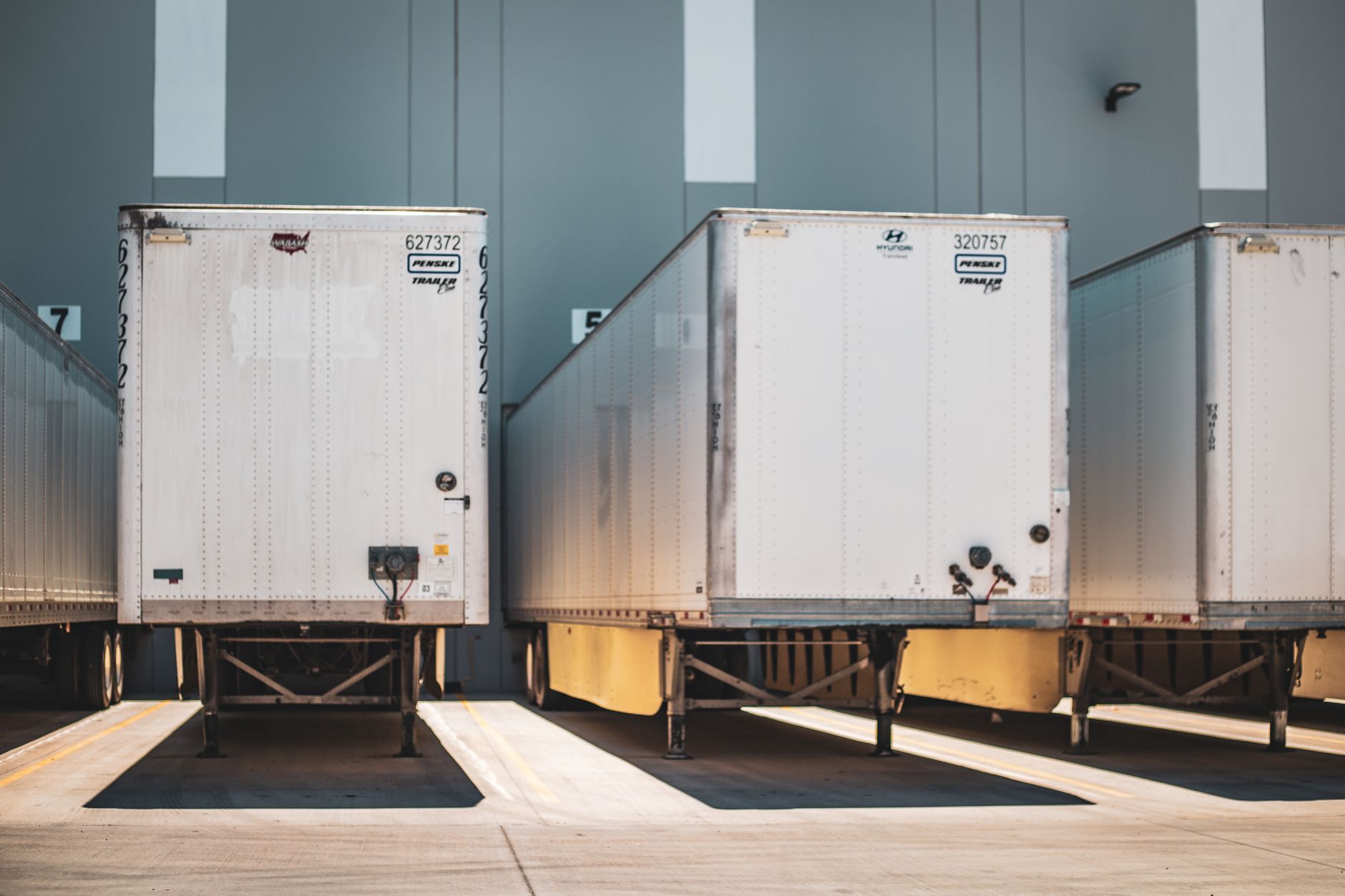
Sites that tend to fit this kind of work in Detroit include warehouse and distribution buildings along freight routes, hospital and clinic corridors, hotel and convention floors, and manufacturing halls with long aisles. Each has its own mix of hours, traffic and layout, which is why the same robot can carry different costs from one building to the next.
What factors change the humanoid robot cost at a Detroit site?
Floor area is the first factor, but it does not scale in a straight line. A robot that covers one large open floor on an efficient route costs less per square foot than the same robot working many small rooms with doors, stairs and furniture, because each room change adds travel and setup time.
Surfaces and transitions come next. Sealed concrete, polished floors, carpet, thresholds and ramps each call for different routes, speed limits or cleaning heads. A floor that changes surface every few meters costs more to plan than one that stays the same across the whole route.
Shifts and hours decide how well the unit is used. A robot that runs one unattended window at night spreads its lease over more useful hours than one that sits idle between short tasks. Traffic works against it. Busy aisles and shared corridors slow routes and raise the need for scheduling and safety zones.
Entrances matter in a Michigan winter. Salt, slush and meltwater at doors change traction and the amount of debris a route picks up. We did not verify Detroit climate data for this page, so the assessment checks entry points and cleaning schedules on site rather than assuming them.
Mapping, integration, unit count and service distance close the list. Mapping is done during the site assessment and repeated when racking, partitions or doors move. Integration grows with each door, lift or site system the robot must reach. More than one unit lowers the cost per unit only when routes are planned to share the floor, and a site far from a dispatch point waits longer after a fault.
How many people do this work in Detroit, and how hard is it?
According to a secondary wage data aggregator, about 26,810 people worked as janitors and cleaners in the Detroit-Warren-Dearborn metro in May 2025. That source has not been checked against the federal tables, so read it as a sense of scale rather than an official count.
Nationally, the Bureau of Labor Statistics counted 2,447,700 janitors and building cleaners in 2024. It projects 2 percent growth from 2024 to 2034, which it describes as slower than the average for all occupations, and about 351,300 openings a year on average, mostly from replacing workers who leave. A site that depends on one person for a shift feels every departure.
The work also carries real injury exposure. According to the Bureau of Labor Statistics, janitors and cleaners in private industry logged 21,100 cases with days away from work in 2020, an incidence rate of 191.6 per 10,000 full-time equivalent workers. An earlier BLS snapshot for 2015 to 2019 lists 18,680 cases for janitors in private industry in 2019, at a rate of 157.4 per 10,000 FTE. The two releases group workers differently, so compare the direction over time rather than the exact gap.
Freight work sits alongside cleaning across the metro. FRED's employment series for transportation, warehousing and utilities in the Detroit-Dearborn-Livonia metro reads 63.8 for 2024, in the units FRED publishes. Use the series to read the trend, not as a headcount.
Wages are part of the local picture too, but they are not a price for the robot. Use local labor data to measure staff hours and the coverage gap on shifts you cannot fill, not to set a number.
How many hours does the work take, and what does the robot take over?
No public source we checked gives typical hours per shift for janitorial or floor care work in the Detroit metro, and the coverage rates printed on equipment listings come from the manufacturers themselves, not from independent tests. So the hour figures below are not quoted as numbers. They are measured on your floor during the site assessment, by timing one full shift of the current work and comparing it with the planned robot routes.
That measurement matters because a spec sheet describes the best case. Real output falls with stairs, closed doors, carts, chemical changes and the fills and drains that a route cannot skip. Battery runtime often sets the limit on a night shift, so the assessment checks whether one charge covers the planned route or whether a charging break or second unit fits the schedule.
Staff time does not disappear when a robot arrives. It moves toward setup, checks, fault clearing and the detail work that routes do not reach.

How does leasing a humanoid robot through financing work?
We lease robots through financing, so a site does not have to fund the full equipment cost at once. The quote states a fixed robot lease payment, the term, and what the payment covers. The number comes after a free site assessment, because the floor, routes and shifts decide it. We do not quote before we have measured the site.
A complete quote lists the lease, deployment and integration, mapping, staff training and nationwide service. It should also say what is not included, such as building work the site needs before the robot can run. Ask for that list in writing and compare offers on what they include, not on the lease line alone.
Financing does not remove the need to plan. Someone still owns the shift schedule, the route changes and the staff briefing. The lease sets the cost of having the unit, and the operation decides whether the unit earns its place.
What can a humanoid robot not do yet?
Current humanoid robots are far from human capability in unstructured settings. According to an industry analysis, reliable manipulation in changing environments remains hard, and these robots are likely confined to repetitive tasks in structured settings for now. A site with fixed routes and predictable traffic is a better candidate than one where the layout changes every week.
Stability is the core safety concern. A walking robot can fall if power drops or a joint faults during movement. According to a robotics trade association, the industrial robot standard ISO 10218 assumes a robot will not tip over, and ANSI/RIA R15.08 does not cover humanoids, so safety planning for these units depends on site controls and the manufacturer's documentation.
Expect the robot to need people for detail work, judgment calls and anything outside its mapped route. Plan the operation around that boundary from the start.
How do I get a quote for a humanoid robot in Detroit?
Start with a free site assessment. Our team walks the building with you, measures floor area and surfaces, times one shift of the current work and records traffic and shift hours. We confirm where the robot can run and where staff will still need to work.
The lease quote follows the assessment. It sets out the lease through financing, the deployment and integration work, mapping, staff training and service, and it names anything left out. Service is set for your site and dispatched nationwide, so the response plan is written for the building you run, not for the metro as a whole.
If the site is large or the work is hard to define, a single unit on a pilot run can show the real routes and hours before a wider deployment. That is a planning choice, and the quote will say which path fits the building.
Frequently asked questions
Put a robot to work in Detroit.
We walk your site, learn the job, and recommend the unit that fits. Then we quote the lease, deploy it, and keep it serviced.
Sources
- US Bureau of Labor Statistics, Occupational Outlook Handbook, janitors and building cleaners
- US Bureau of Labor Statistics, injury and illness snapshot, janitors and cleaners, 2016 to 2020
- US Bureau of Labor Statistics, injury and illness snapshot, janitors, 2015 to 2019
- Federal Reserve Bank of St. Louis, FRED, transportation, warehousing and utilities employment, Detroit metro
- Secondary wage data aggregator, janitors and cleaners, Detroit-Warren-Dearborn metro, not checked against BLS
- Robotics trade association, safety by design for humanoid robots
- Industry analysis, humanoid robots moving from concept to commercial reality