
The short answer
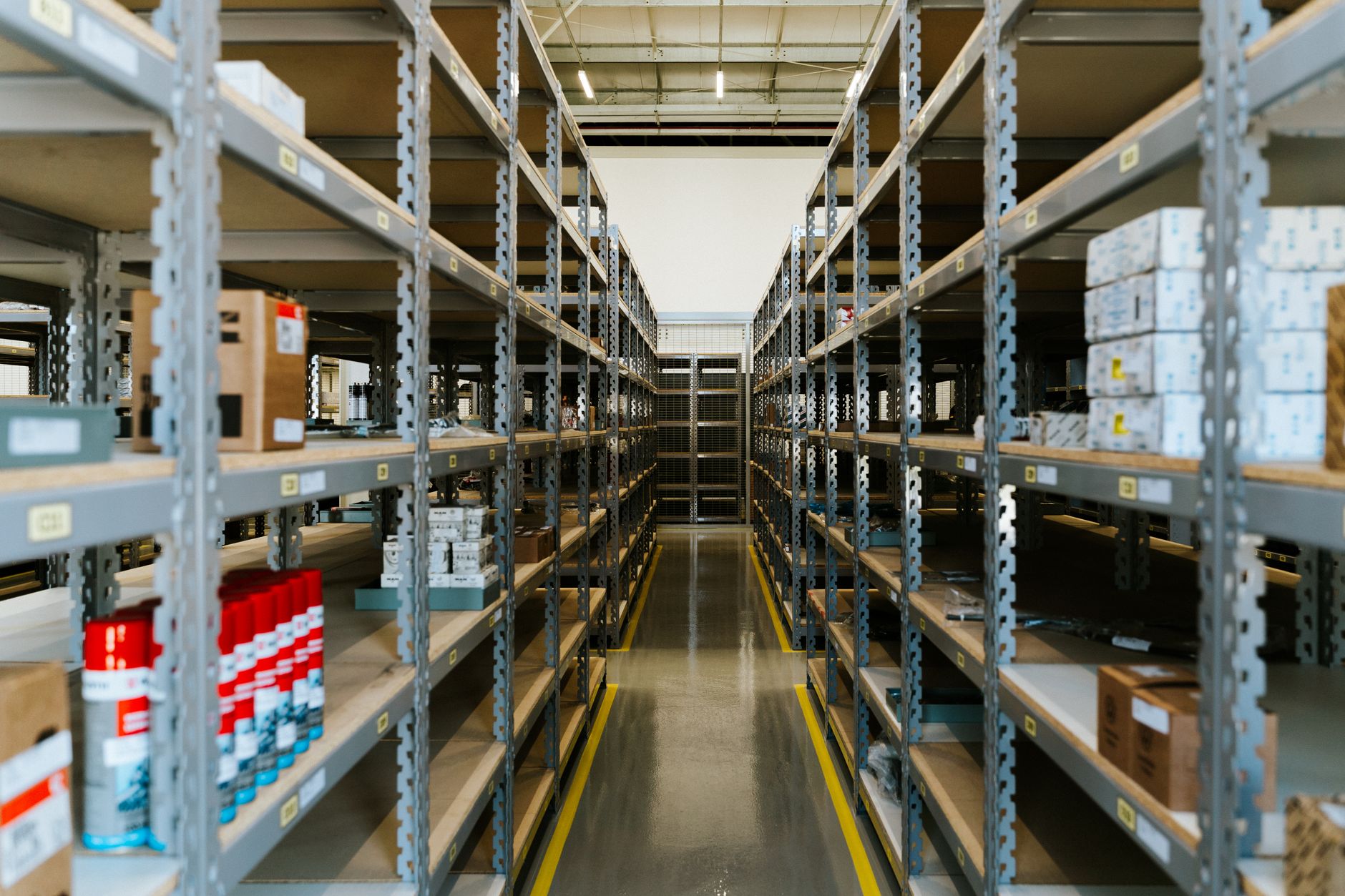
Humanoid robot cost in Louisville/Jefferson County depends on the work the robot takes on: how much floor or dock area it covers, how many shifts it runs, how busy its routes are, and how much mapping and integration the site needs. Labor is the comparison point, and the metro's transportation and material moving share of employment is well above the national share. A lease quote is written after a free site assessment that measures these inputs on the actual site.
See what a humanoid robot costsRun the numbers in the ROI calculator
Key takeaways
- The scope of work, not the machine, sets most of the cost picture.
- The metro's transportation and material moving share makes dock and warehouse work the likeliest first use.
- Mapping, integration and service are the costs people most often forget to ask about.
- Hours saved only count when you measure today's hours on your own shifts.
- The lease quote is written after a free site assessment, not before.
What does humanoid robot cost in Louisville/Jefferson County depend on?
The lease amount depends on the work, not on a catalog figure. The humanoid robot cost in Louisville/Jefferson County is set by the area and shifts the unit covers, how crowded its routes are, how much mapping and integration the site needs, and how many units the plan includes. Those inputs decide whether one unit is enough or whether a phased set of units makes sense.
Labor is the comparison. A lease is a fixed payment set in a written quote after a free site assessment, and it has to be weighed against the hours it removes from a shift and the staffing it protects. This page does not give a figure, because a number without the site attached would mislead the reader.
Local figures here come from the BLS Louisville metro, which covers more than Jefferson County and includes Indiana counties. Treat them as regional context, not county counts.
Which factors move the cost up or down at a Louisville site?
Floor area and layout come first. A large, open floor with long straight aisles covers more ground per route than a broken plan with many small rooms, because doorways, elevators and dock plates add checks on every run. Surfaces matter too. Sealed concrete and matting behave differently under a robot's footing, and wet spots at receiving docks or kitchen doors add drying steps and route changes.
Kentucky summers are humid and winters can bring ice to loading areas, so ask how the dock and entrance surfaces are kept and who clears them before a route runs.
Shifts and traffic come next. A unit working an empty overnight floor needs less route planning than one sharing a corridor with carts, forklifts and foot traffic at peak hours. Each added shift extends the coverage the lease must support, and each busy period adds stop points, safety zones and exception handling.
Number of units and rollout phase matter as well. One unit on one bounded route is a different project from a set of units across several buildings. Starting small lets you measure before you add units, and it gives the team time to learn the exception calls.
Where do Louisville businesses put humanoid robots to work first?
The metro's labor mix points toward material handling. According to the BLS May 2025 release for the Louisville metro, transportation and material moving employment was 90,400 jobs, which is 13.2 percent of local employment, compared with 8.8 percent nationally. That is the closest official proxy for warehouse and dock work in the area, so loading, receiving and sort tasks are usually the first conversation.
Food service is a second group. The same BLS release put food preparation and serving at 8.7 percent of Louisville employment, against 8.8 percent nationally. According to FRED, which builds on BLS data, accommodation and food services employment in the metro averaged 60.7 thousand in 2025, down from 61.2 thousand in 2024 (not seasonally adjusted). In our reading, a flat base points to covering existing shifts rather than growing headcount.
Janitorial work is the third group. The BLS Occupational Outlook Handbook reports about 2,447,700 janitors and cleaners nationally in 2024, with a projected change of 47,800 jobs from 2024 to 2034, a growth rate of 2 percent that BLS describes as slower than average. For a site, the hiring pool for overnight cleaning is not expanding quickly, so covering the night shift becomes a staffing question.
How many labor hours does a humanoid robot take over?
No public source gives a dependable hour figure for these tasks in this metro, so this page does not invent one. The table lists the kinds of work a humanoid robot can take over. The hour figures belong to your own time records, taken from the shifts you actually run.
Start with a few representative weeks. Record each task, who does it, how many minutes it takes, and where time goes to walking, waiting or setup. Those notes become the baseline the quote is checked against.
What do injury data say about cleaning and transport work?
The BLS Survey of Occupational Injuries and Illnesses reports nonfatal injury cases with days away from work for janitors and cleaners, except maids and housekeeping cleaners, at 191.6 per 10,000 full-time equivalent workers in 2020, nationally. The same series shows 178.6 in 2016, 176.6 in 2017, 137.1 in 2018 and 157.4 in 2019, so the 2020 figure stands out. That was a pandemic year, and the snapshot does not cover 2021 to 2024.
The same snapshot reports 42 fatal work injuries in 2020, against 45 in 2019. For a site, cleaning work carries real injury exposure. A robot changes which tasks people do and where they stand, so the plan still needs a safety review covering walkways, shared lanes and the moments staff work near the machine.
How does leasing through financing work, and what does the quote include?
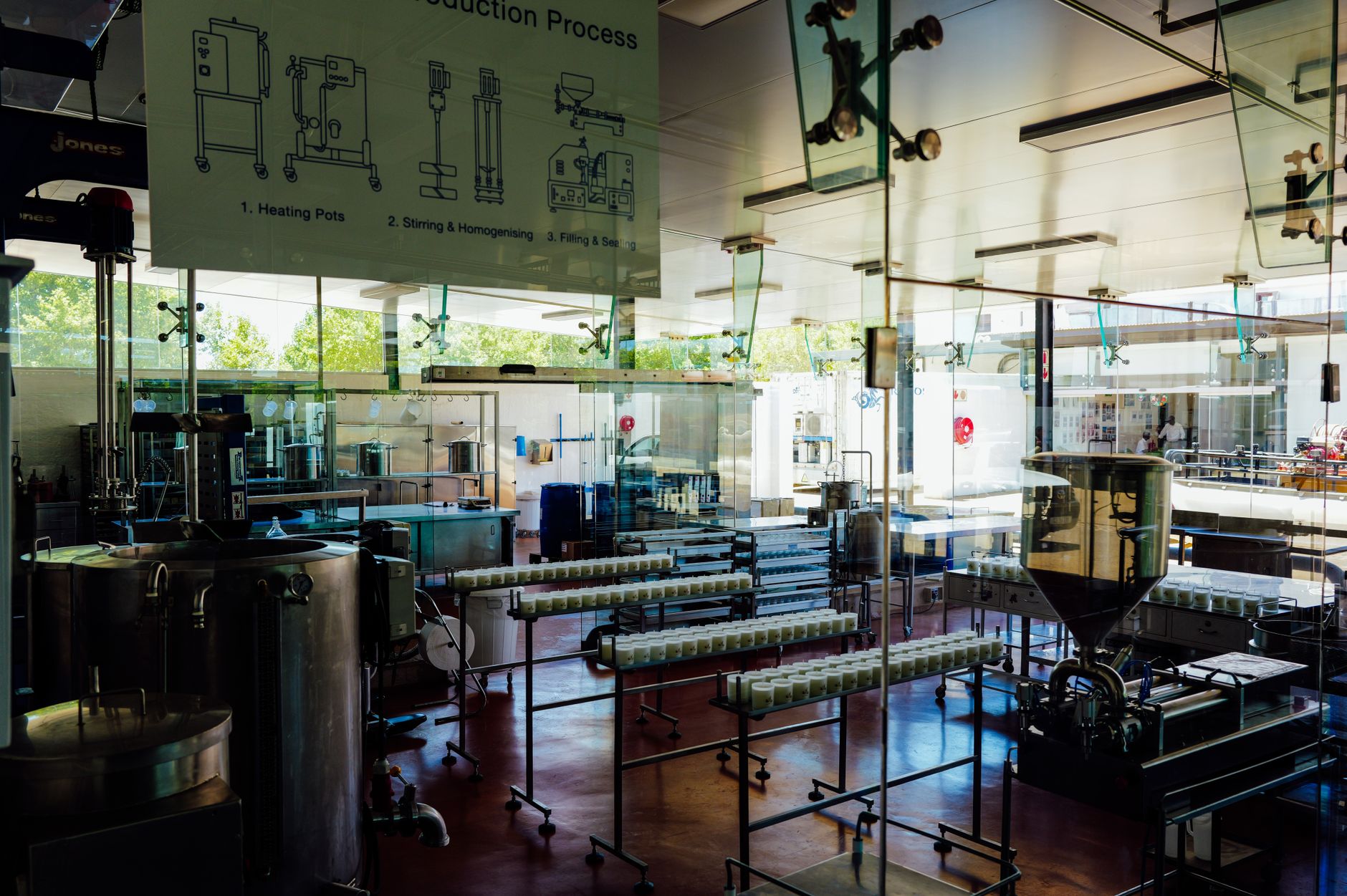
We lease robots through financing. The business does not take ownership up front, and the unit stays under the lease for a set term. The payment is fixed in the written quote, which keeps the budget line predictable from the first month forward.
Financing lets a business start with one unit on one route before committing to more. That keeps the first decision small and lets the team check hours, exceptions and staff reactions. A pilot is a test of the plan, not a discount on a full program.
The quote lists the lease term and fixed payment, the site assessment and mapping, deployment and integration, staff training, service coverage and the response terms. Anything outside that list appears as its own line, so the comparison with staff hours stays honest.
What can a humanoid robot not do yet?
Plan for limits. Tasks that need fine judgment, unfamiliar objects or tight spaces usually stay with staff. Uneven floors, wet patches, loose cables and stairs can stop a unit, so the site assessment checks these before any route is scheduled.
Expect exceptions. Spills, blocked doors and dropped loads all need a person. A good plan names who takes those calls on each shift and keeps enough staff for the work the robot does not take.
A unit covers defined routes and repeat tasks. Its value depends on how well those routes are set, and it does not cover an open-ended post on its own.
How do I get a quote after a site assessment?
Start with a free site assessment. We walk the space, check floors, doors and dock surfaces, build the map, and talk with the people who run the shifts. The assessment ends with a written recommendation for the right robot for the site and a lease quote.
Treat the quote as the decision document. It should state the lease term, the fixed payment, what is included, what is not, and the service and response terms. Compare it against your baseline hours and the exceptions staff will still handle.
Frequently asked questions
Upcoming events in Kentucky
Put a robot to work in Louisville/Jefferson County.
We walk your site, learn the job, and recommend the unit that fits. Then we quote the lease, deploy it, and keep it serviced.