
The short answer
The robotic lawn mower cost for event venues depends on how much open turf the site has, how awkward its shape is, how tightly mowing has to fit between events, how many units the grounds need, and how service is covered. Mapping, integration, training and maintenance add to the total, and each is set in a lease quote after a free site assessment. Because the same acreage can need very different work, this page gives no generic figure for a venue type.
Key takeaways
- Acreage matters, but shape, the event calendar and guest traffic often move the quote more.
- The lease is quoted after a free site assessment, so each number reflects your own grounds.
- Mapping, software, maintenance, insurance and training are the costs people most often miss.
- Staffing shortages in grounds work make a scheduled robot easier to justify.
- Robots handle repetitive open turf well. Crowds, edges and event-day judgment stay with staff.
What drives robotic lawn mower cost for event venues?
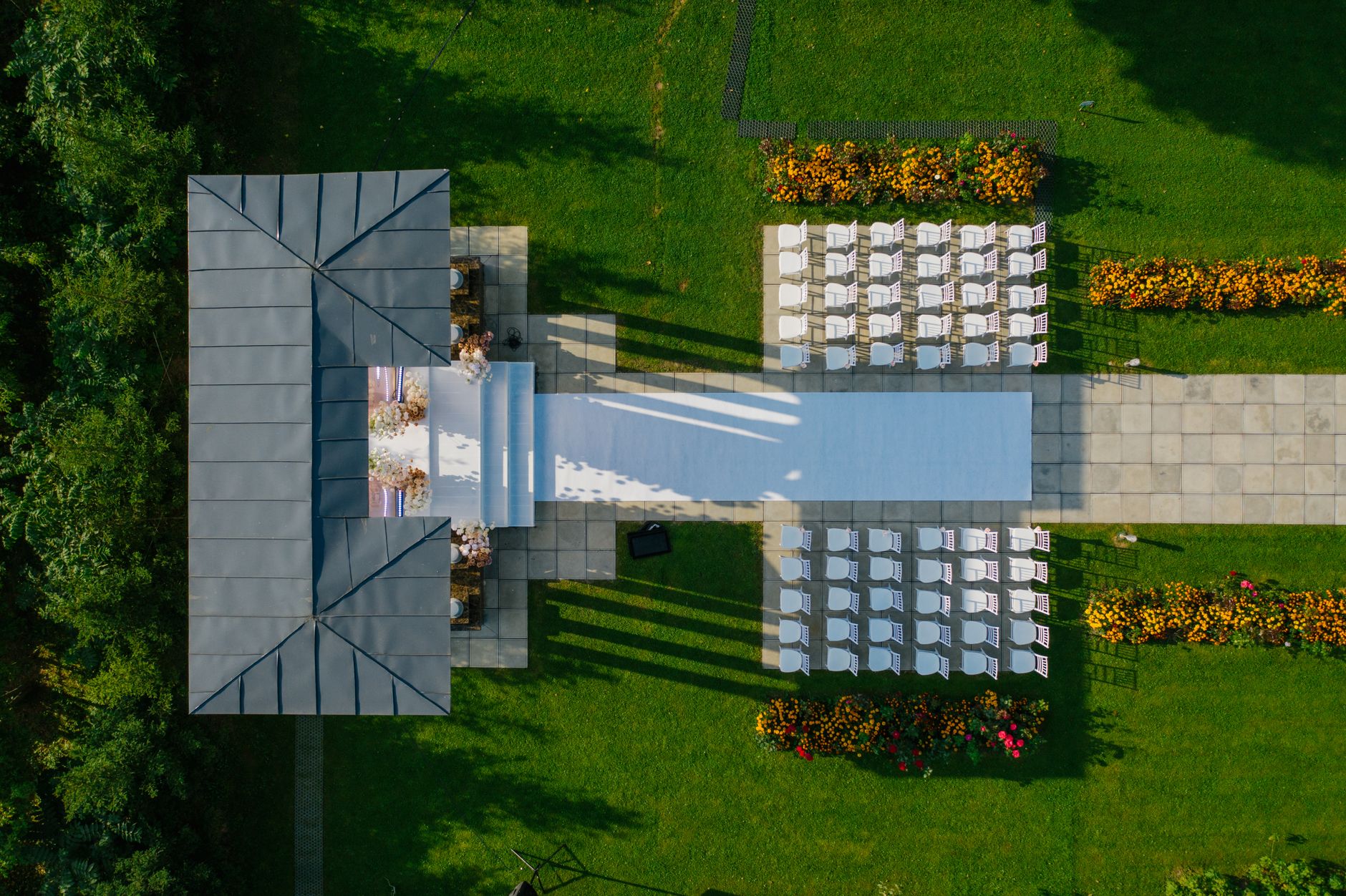
The robotic lawn mower cost for event venues depends on how much turf the site has, how awkwardly that turf is shaped, how tightly mowing has to fit between events, and how much of the grounds work the robot is expected to carry. A venue with a few open acres and a single set of gates is a much simpler job than a fairgrounds with berms, parking lanes and a long perimeter. The mower model is one input, but it is rarely the largest one.
Our lease is quoted after a free site assessment, so the number reflects your ground and your calendar rather than a catalog figure. We look at the mapped boundary, the surfaces the robot would cross, the mowing windows, the number of units needed to finish inside those windows, and the service plan that keeps units running through event season. Each of those inputs can move the quote up or down.
The kind of place matters too. According to a Building Design + Construction article, convention space in the United States grew about 50% over 20 years, while the number of conventions hosted fell over the last decade. Venues are therefore more likely to be multipurpose sites that change their footprint from one booking to the next. The Hawaii Data Book lists 144 establishments in NAICS 711, performing arts, spectator sports and related, and 21 of them were event promoters. That count covers one state, and the table does not give a clear year, so it is not a national count of venues.
How much ground and what shape does an event venue have?
Acreage is the first number people ask for, and it matters, but it does not tell the whole story. Event venues often have open lawn alongside tree lines, berms, drainage swales, planting beds and hardscape edges. A robot covers open turf efficiently, but narrow strips, steep banks and tight corners need more setup. Each change in shape adds boundary to map and more places where the robot needs a defined path.
Surfaces matter as well. Turf that is level and consistent is easier to mow on schedule than turf with ruts, standing water or thin patches after heavy use. Gravel lanes, paver walks and concrete pads are not areas the mower should cross, so each one becomes boundary work. The more irregular the outline, the more mapping and setup time it takes, which is why the site assessment walks the perimeter before anyone quotes a lease.
The useful question is not only how many acres there are, but how many are open and mowable on the schedule the venue actually runs. A lawn closed to guests for two days a week, or roped off for a festival build, changes the usable area and the number of mowing windows. Quote the ground that will be mowed, not the total parcel on a plat map.
How do event schedules and guest traffic change the job?
An event venue rarely mows on a steady weekly cycle. The grounds crew often works to a calendar that changes from one week to the next, with a load-in before a show, a clean window after it, and a cut that must be finished before guests arrive. A robot earns its place here because it can run on a schedule set in advance, including early morning and overnight windows when guests are not on site.
Traffic is the second half of the problem. A lawn beside a food court, a main walkway or a parking lane needs routes that keep people and vehicles clear. The robot can work around closed areas once the boundary and schedule are set correctly, but it cannot judge a crowd or a vehicle in its path. Guest-facing areas are often mowed on a separate schedule or with a person present.
Schedule discipline is what makes the robot pay off. When the windows are set and the boundaries are maintained, the grounds stay ready between events. When the footprint shifts every week, the mapping and scheduling work grows, and the quote should reflect that.
Why does grounds labor matter for the cost decision?
Grounds maintenance is a large and steady job category. According to the Bureau of Labor Statistics Occupational Outlook Handbook, there were about 1.3 million grounds maintenance worker jobs in 2024, and BLS projects about 4% growth from 2024 to 2034, which is as fast as average. MyFuture, citing BLS, gives a different cycle, with 3% growth and about 170,300 openings a year from 2022 to 2032. Both show steady demand for these workers.
Filling those jobs is harder than the totals suggest. According to the 2025 State of the Green Industry report, 29% of 424 respondents said labor was their most pressing concern. A 2025 survey by Aspire software with Thrive Analytics covered 1,015 commercial landscape contractors. It is vendor reported, and it found that 70% planned to raise wages that year. An earlier LMN industry survey, using 2022 data, found that 51% could not hire enough staff to fill vacant roles.
Turnover across the whole economy runs lower than the complaints suggest. The BLS JOLTS release reports a 3.3% annual average total separations rate for 2025, unchanged from 2024, across all industries. That figure is not specific to grounds work, so it gives context rather than a forecast for one crew.
For a venue, the practical risk is a shift left unfilled during a turnaround window. A robot does not replace the whole crew, but it can carry the repetitive open turf so the people you have can handle edges, inspections and event-day corrections.

How does a robot lease through financing work?

We lease the robot through financing, so the venue does not need to commit a large sum of capital to start. The lease is a fixed robot lease payment set in the quote for your specific site, the number of units, the term and the services. We do not quote a generic figure for a venue type, because the same acreage can need very different work depending on shape and calendar.
A quote after a free site assessment normally lists the units, the financing terms, deployment and integration, mapping, staff training and service coverage, along with any spare unit arrangement. It should also state what happens if a unit is down during an event week. Ask whether a loaner or emergency replacement is included, since that decides how much a single failure costs your operation.
Compare quotes on the same site description. A quote built on a smaller or cleaner footprint is not comparable to one that includes berms, closed zones and a tight event calendar.
- Units and any spare unit arrangement
- Lease term and fixed robot lease payment
- Deployment and integration
- Mapping and site setup
- Staff training
- Service coverage and response times
- Software and insurance terms
- Exclusions and what your own policy handles
How many labor hours does a robot take over at a venue?
The hours a robot takes over depend on the turf it covers, the schedule it runs on, and how many staff hours the venue spends on that work now. The research for this page did not verify a published hour benchmark for event venues, so the table below describes the work task by task instead of giving a figure. The site assessment measures the actual hours on your grounds.
Open turf is usually the largest block of hours, and it is the work a robot handles most reliably. Edges, obstacles, inspections and event-day corrections still need a person. A realistic plan keeps staff on those tasks and moves the repetitive open turf to scheduled robot runs. The crew's hours shift toward finishing and checking, which is where event deadlines are usually won or lost.
What can a mowing robot not do at an event venue?
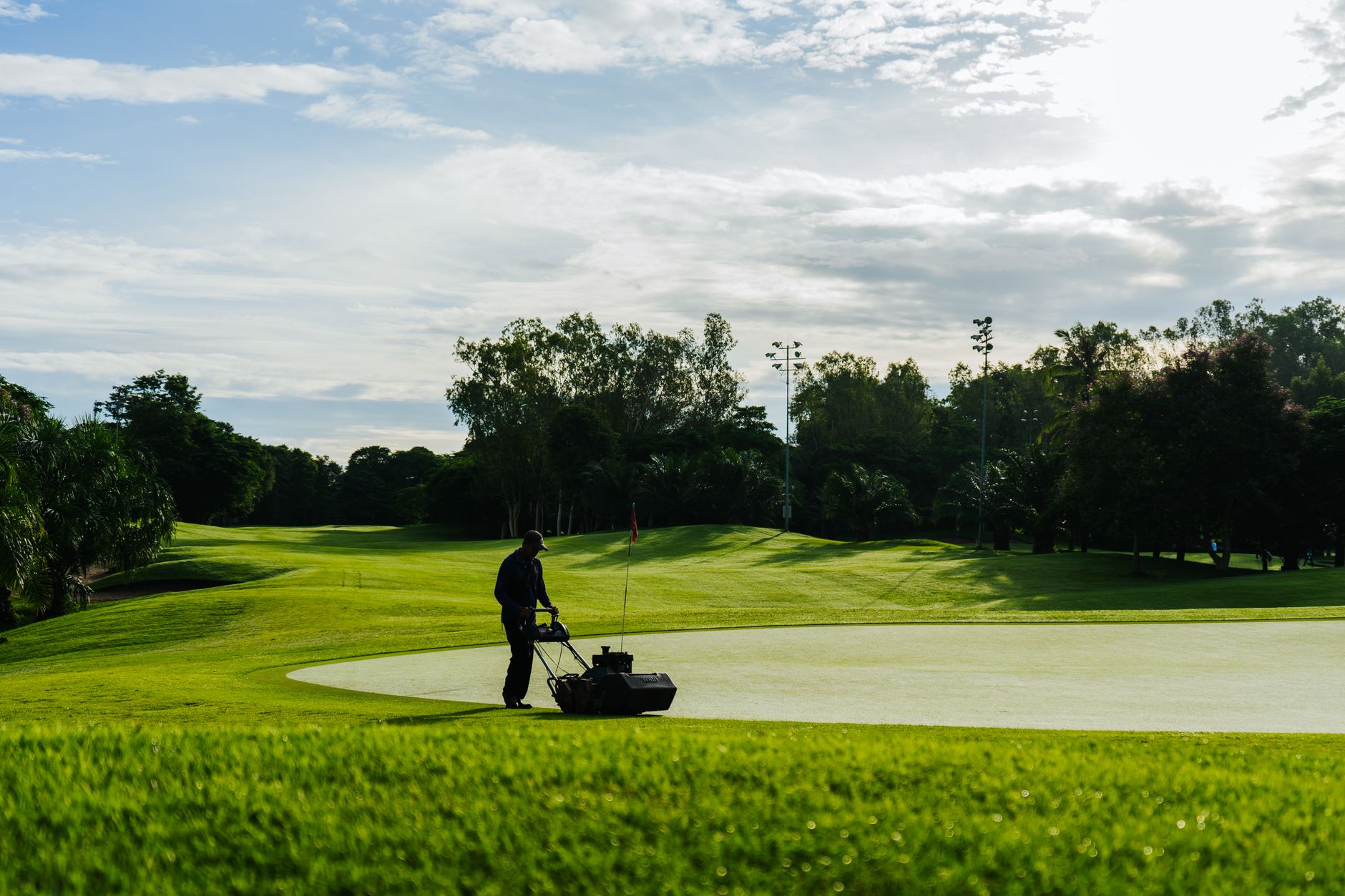
A robot cannot make decisions about a crowd, a spilled cooler, a fallen branch or a vehicle parked in the wrong place. It needs a defined boundary, and anything outside that boundary still needs a person. It also cannot repair ruts, reseed bare patches or decide on its own how to handle a steep bank. Steep or uneven banks may need a different machine or manual work, which the site assessment checks.
A robot will not fix a staffing problem by itself, and it does not remove the need for someone to check the schedule each day. Weather limits and wet-ground rules depend on the model and the site, so the plan sets them before deployment rather than during an event week.
How do I get a robotic lawn mower quote for an event venue?
Start with a free site assessment. Send an acreage estimate, a rough sketch of the boundary, the event calendar and the areas that must stay clear. We walk the site, confirm the surfaces and closures, and check the schedule against the work that has to happen between events.
The assessment produces the quote. It states the number of units, the lease terms, the deployment and integration plan, training, service coverage and what is excluded. Ask for a quote that describes your site in the same terms you would use for any competing bid, so the comparison holds.
Once you sign off, we deploy, train your staff and support go-live. If the venue wants to see setup time and boundary changes on its own grounds first, start with one section or one unit.
Frequently asked questions
Want a robotic mower at your event venue?
Tell us about your site. We will recommend the robot, quote the lease, and keep it serviced.
Sources
- Bureau of Labor Statistics, Occupational Outlook Handbook: Grounds maintenance workers
- MyFuture: Grounds maintenance workers (citing BLS)
- Green Industry Pros: Staying Rooted, 2025 State of the Green Industry report
- Mammoth Times: Aspire software with Thrive Analytics commercial landscape contractor data, May 2025
- Lawn & Landscape: LMN industry survey findings
- Bureau of Labor Statistics: JOLTS release, January 2026
- Building Design + Construction: It's time to stop building convention centers
- Hawaii Data Book 2023, Table 23.23