
Public sector
Technology for public operations.
Robotics, sensing, deployment, training, and support for cities, counties, schools, colleges, public facilities, and critical infrastructure.
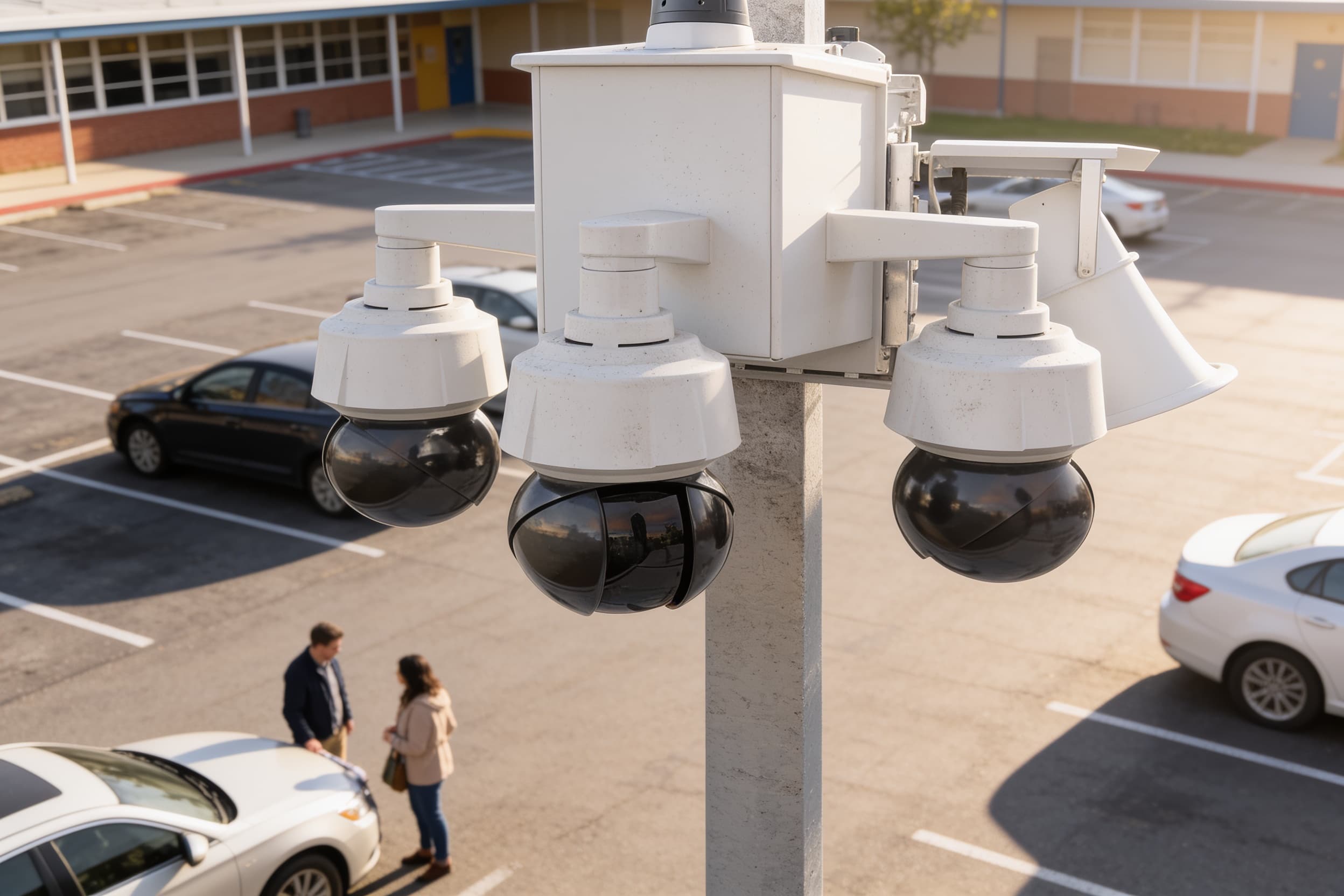
Four outcomes for public operations.
Facility automation
Automate repetitive cleaning, delivery, material movement, and inspection work in public buildings and campuses.
Safety and situational awareness
Use cameras, sensors, and mobile systems to improve visibility while keeping operating data under customer control.
Inspection and response
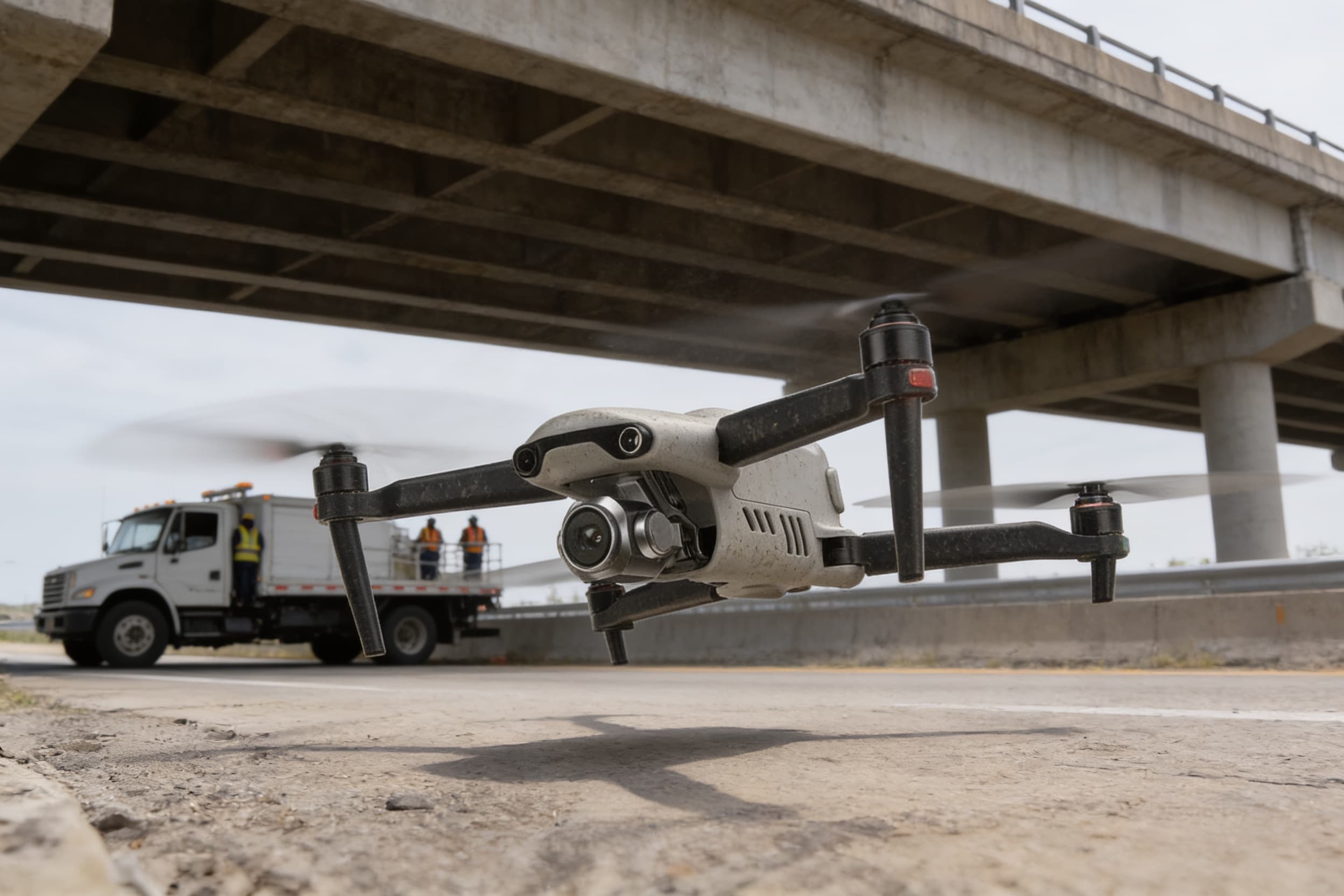
Deploy robots, drones, and sensing systems where sending a person first is slow, expensive, or unsafe.
Workforce readiness
Pair technology deployment with operator training, local instruction, documentation, and a sustainable operating owner.
Where it works
Real deployments in public environments.
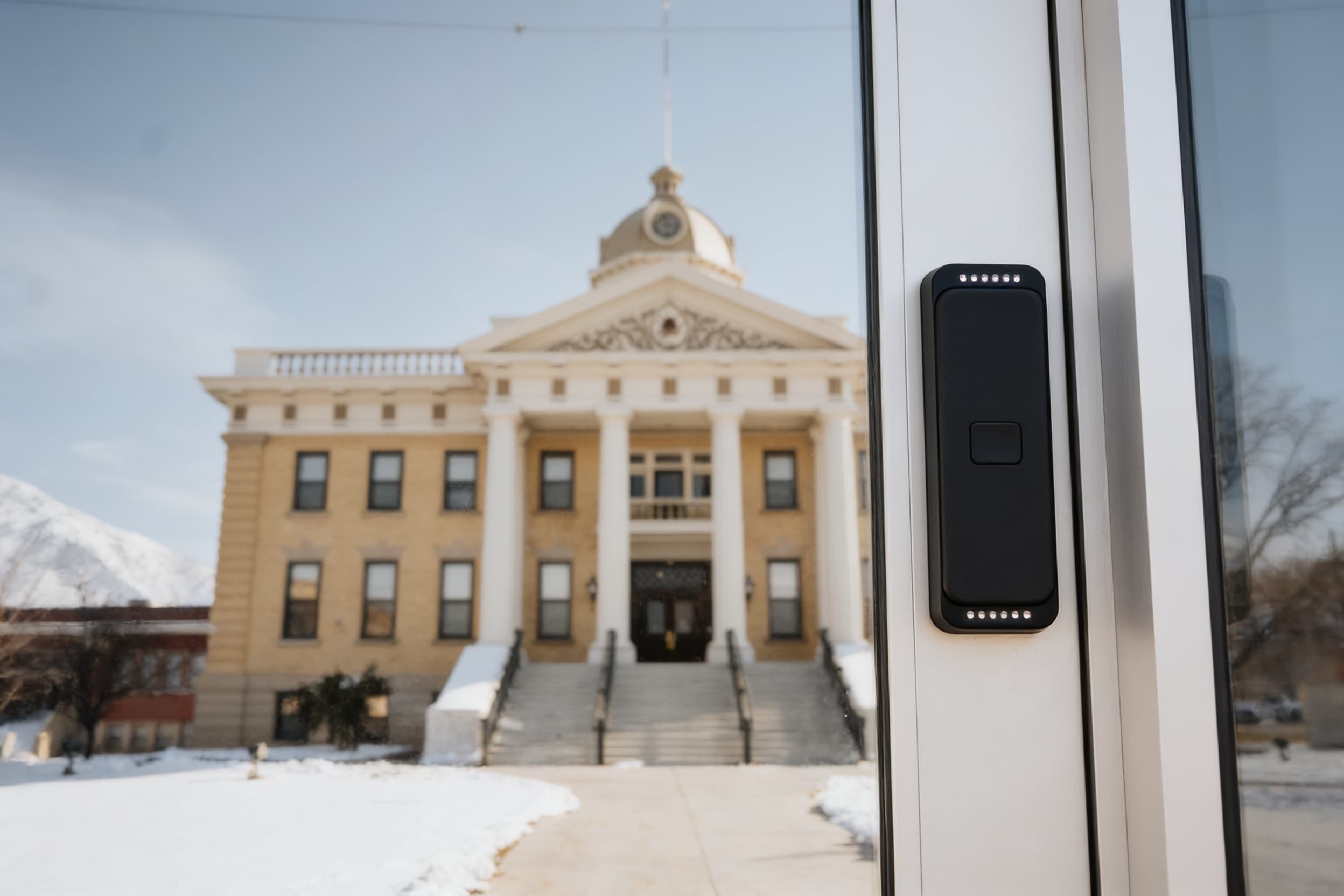
Jails and secure facilities
Locally controlled video, fixed and panoramic cameras, approved analytics, role-based access, customer-set retention, audit exports, and documented support connections.
Final placement, policy, retention, access, and product selection are set with the facility and its responsible authority.
Schools and colleges
Fixed safety cameras, vape and air-quality sensors, emergency alert integrations, approved detection systems, and automated youth-sports streaming.
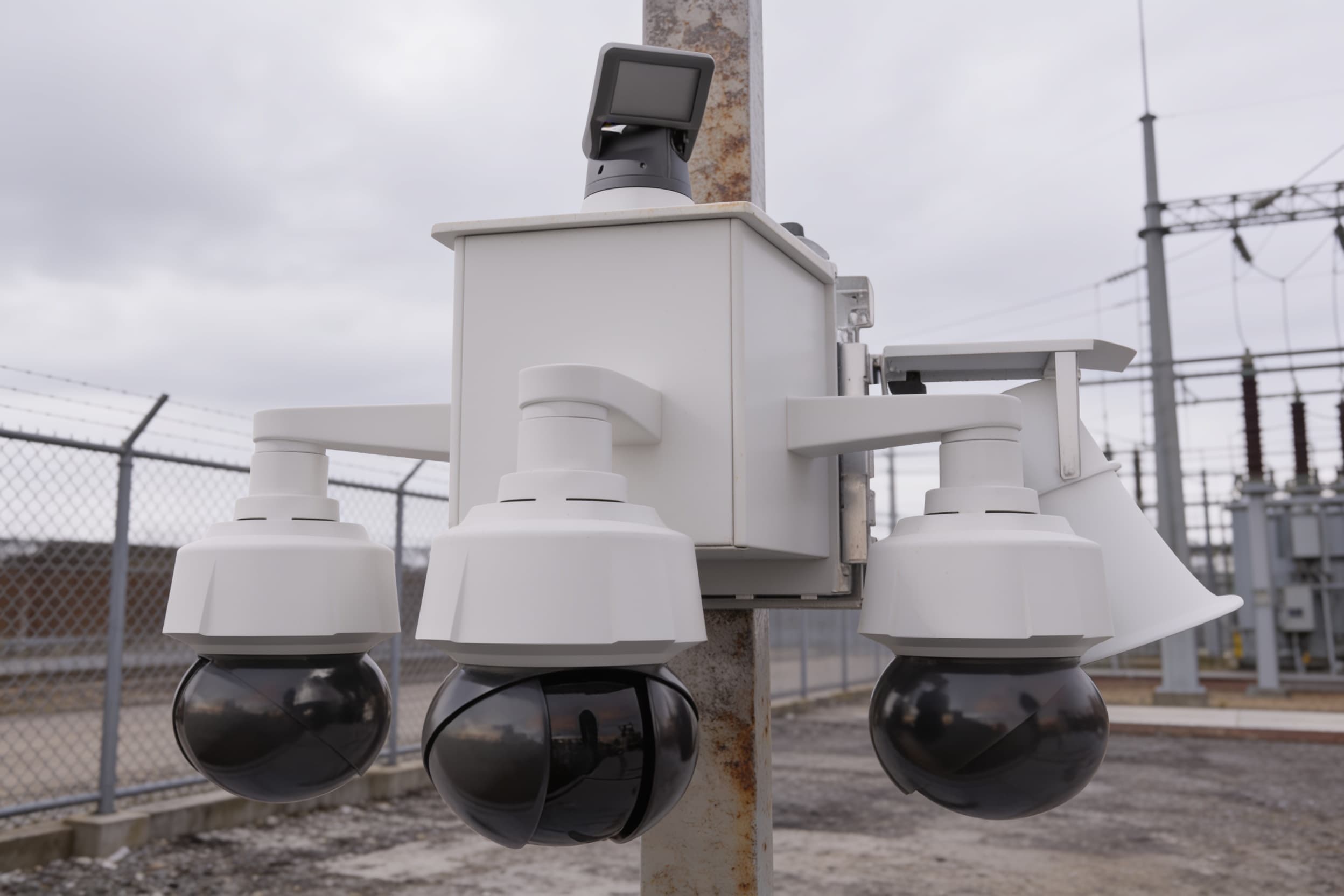
Remote land, utilities, and public works
Mobile security trailers, fixed and thermal cameras, radar, perimeter sensing, local analytics, drone-in-a-box inspection, wildfire situational awareness, and post-event mapping.
Technology supports trained operators under an approved operating program.
Community health and independent living
Privacy-preserving radar, environmental sensors, occupancy and fall-risk alerts, bedside alert buttons, mobile delivery, local dashboards, and caregiver escalation procedures.
These systems support qualified caregivers and customer-defined procedures. No diagnostic, clinical, or emergency-response claims.
Engagement
Start with a defined public outcome.
01
Assessment
Site, workflow, data, safety, and success criteria.
02
Pilot
Bounded scope, agreed measures, documented closeout.
03
Deployment
Integration, training, support, and accountable ownership.
Public systems need a clear data boundary.
See how Service Robot Co. handles storage, access, retention, support, and product selection across every deployment.
Procurement networks
Supplier profiles and procurement-alert access.


Regulatory requirements are product-, configuration-, operator-, location- and mission-specific. References do not imply agency endorsement or company-wide certification.
Purchasing documents
Vendor onboarding, insurance, deployment documentation, and purchasing information are available during project scoping.
October 2026 — December 2027
Events
- OCT24–272026
IACP 2026
Police chiefs’ expo and a direct fit for drone and robot sales to departments.
- NOV3–52026
ISC East 2026
Northeast security show for security robots and remote monitoring.
- APR5–92027
ISC West 2027
The security industry’s biggest U.S. show.
- MAY17–202027
XPONENTIAL 2027
AUVSI’s flagship drone and uncrewed-systems show.
Common questions
Start with one operating problem.
Tell us the job and the environment. We will scope the system and tell you what fits before you commit.
Find the robot that fits your site.
Free site assessment. We tell you what actually works before you spend a dollar.