
The short answer
Autonomous forklift ROI in Baltimore comes from the laborer and material movers hours the truck covers, minus the fixed cost of the lease. The share of covered work depends on how repetitive your moves are, how many shifts you run, and how long integration and training take. A free site assessment turns the planning range on this page into a savings range and lease quote for your own floor.
Key takeaways
- The return comes from repetitive pallet and freight hours the truck covers, minus the fixed lease cost.
- Payback depends on how steady and repeatable the moves are, not on how many moves there are in total.
- Local government wage data sets the value of each covered hour, and the panel on this page shows it.
- Integration, route mapping and staff training delay payback, so a phased start on one route is the safer plan.
- A free site assessment replaces our planning assumptions with measured move counts from your floor.
Run the numbers for your site
Auto-detected from your location - we use the real BLS wage here. Not right? Pick your city or state above.
What do you want to automate?
The robot takes the repetitive cart and pallet moves off the heaviest motion.
Autonomous forklift ROI in Baltimore: where the return comes from
The return from an autonomous forklift in Baltimore comes from the labor it takes off the floor, counted in hours, minus the fixed cost of leasing the truck. The work it can take is mostly repetitive: pallets moved from receiving to racking, stock pulled from storage to staging, and freight carried between the dock and the line. Each hour of that work the truck covers is an hour staff can spend on tasks that need judgment.
Savings are shown as a range for a practical reason. Two sites with the same staffing can get very different results, depending on how much of their movement repeats, how many shifts run, and how long setup takes. The range on this page lets you test the Baltimore calculator against your own floor instead of trusting one headline number.
Return is also not instant. A lease removes the need to fund the truck upfront, but integration, route mapping and staff training still come before a full shift runs. Payback is counted from the point the truck runs steadily, not from the day it arrives.
Why does the Baltimore labor base matter for this return?
According to the Bureau of Labor Statistics Occupational Outlook Handbook, about 6,950,000 people worked in the hand laborers and material movers group in 2024, and that group is projected to grow 4% from 2024 to 2034. The same page lists 2,988,900 jobs for the occupation Laborers and Freight, Stock, and Material Movers, Hand, without stating the year. That scale means this work is common across the economy, so the labor it covers is a standing cost line for warehouses and distribution sites.
For Baltimore, a Federal Reserve Economic Data series for the Baltimore-Columbia-Towson metro's transportation, warehousing and utilities sector shows about 72,800 employees in December 2025, up from 72,100 in November 2025. Annual averages in the same series fell from 77.4 thousand in 2022 to 72.3 thousand in 2024. The series label has not been independently confirmed, and these are sector totals across all job types, not forklift operators, so treat them as context rather than as your headcount.
We did not verify how many Baltimore sites run this kind of work, so the calculator starts from a planning crew instead of a local count. The wage that values each hour is the government wage data shown in the panel beside this text for Laborers and Freight, Stock, and Material Movers, Hand in Baltimore. The calculator uses that figure when it values the hours the truck takes over.
Median hourly wage, Laborers and Freight, Stock, and Material Movers, Hand
$4,565
Monthly cost of one full-time worker in Baltimore, MD, at the median wage plus payroll costs (an estimate, not a quote).
How does the autonomous forklift savings math work?
Start with hours. Take the weekly hours of laborers and freight, stock, and material movers, hand work that the truck can realistically cover, and value each hour at the local wage from the government data on this page. Add the labor overhead you pay on top of wages, using your own records. The result is the gross value of the hours the truck takes over. The calculator uses a planning crew of four people doing this work at a site as a default. That is our planning assumption, not a verified figure, and the assessment replaces it with your own count.
Next, apply the share. The truck does not take every hour. It takes the portion of moves that repeat, run on fixed routes and stay inside its mapped operating area. The share is the most important input, so the calculator shows a low share and a high share rather than a single answer. Subtract the fixed lease cost, which is quoted after the site assessment, and you have a net annual range.
Payback is the point where cumulative net savings cover the one-time setup charges for integration, mapping and training. Because the truck is leased through financing, the real question is how fast covered hours build up against those setup charges, not how to fund a large upfront outlay. The calculator reports payback as a range for the same reason it reports savings as a range.
What changes the number up or down?
The biggest upward force is steady, repeatable movement. Dock-to-racking runs, staging and replenishment on the same routes each shift give the truck the most covered hours. Running more shifts raises the return too, because the fixed lease cost is spread across more hours of covered work.
The biggest downward force is variability. Sites that change layout often, run many one-off moves or see sudden peaks will get a smaller share and more exception handling. Turnover matters as well. The research for this page did not find a government turnover rate for this occupation, so the calculator asks for your own turnover and hiring records. Frequent hiring and training of new laborers is a cost the truck does not remove, so keep it on the staff side of the comparison.
Load and safety rules also set the share. Loads beyond the rated capacity, nonstandard pallets and moves that need a person's judgment stay with staff, and they should come out of the share from the start.
Which hours does the truck actually take over?
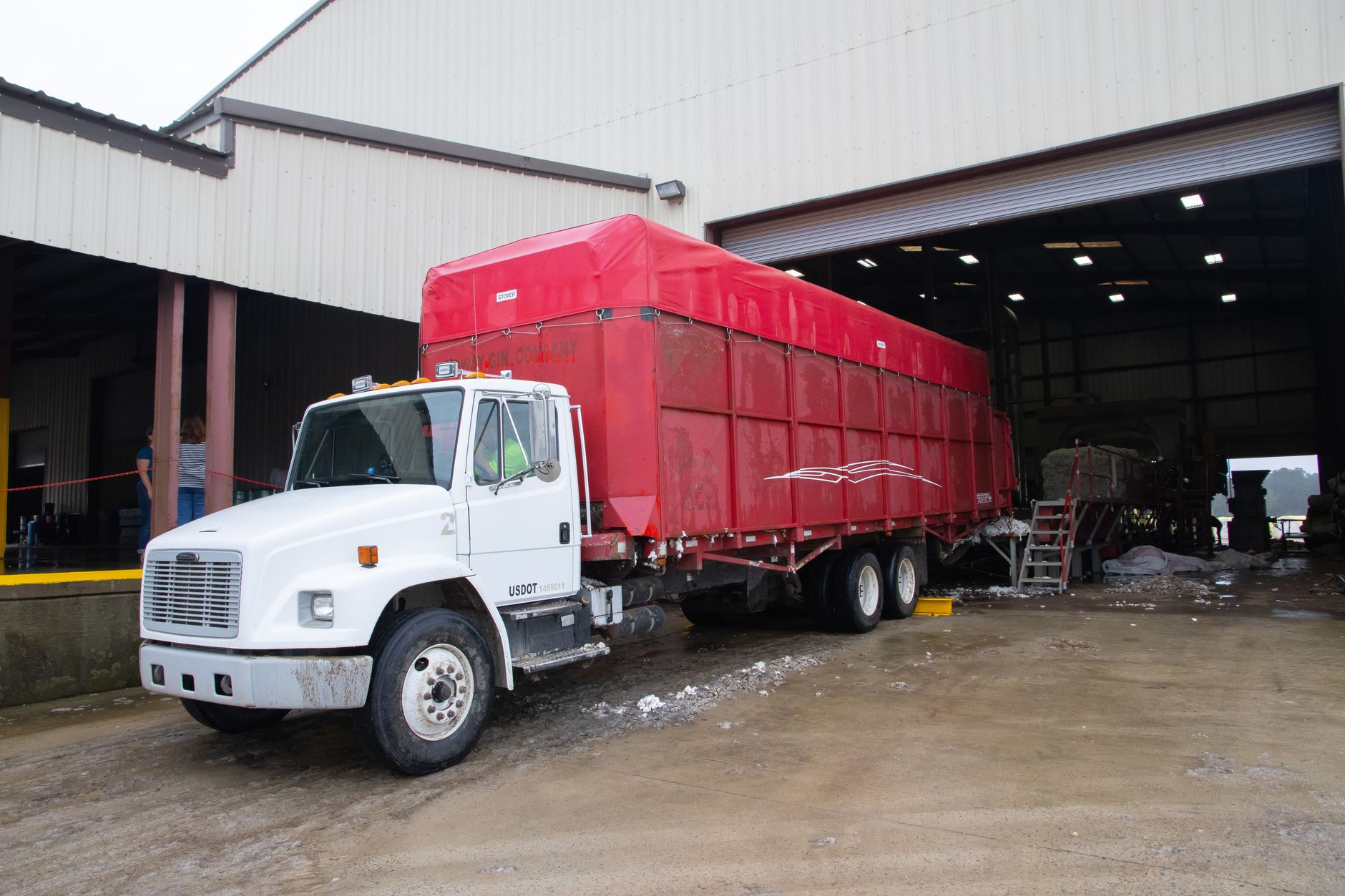
The hours that move to the truck are the ones that repeat. In a typical warehouse, that means pallet moves from receiving to racking, replenishment from storage to staging, and freight running between the dock and the production or pick area. Staff spend time on those moves between higher-judgment work, and the truck covers the repetitive part of that time.
We did not find a government time-use source that gives hours per task for material movers, so the table below describes the work in plain terms. The site assessment measures actual move counts, route lengths and cycle times on your floor, and those measurements replace any planning assumption.
Be strict about what counts. A move that needs a person's judgment, or a load outside the truck's rated capacity, should come out of the covered hours. Counting it anyway makes the savings range look better than the floor will deliver.
Autonomous forklift versus a laborer: where each one wins
The truck wins on repeatable distance and consistency. It runs the same route at the same speed each time, and it does not lose pace over a long shift. Those are the hours where a person is least efficient and most costly.
A person wins where the work changes. Staff read damaged pallets, reroute around a blocked aisle, handle mixed loads and switch to other tasks when the dock gets busy. The return comes from pairing the truck with staff, not from removing people from the floor.
Adoption data points the same way, though it is broad. According to A3, North American robot orders rose 6.6% in 2025, collaborative robots were 19.6% of units ordered in 2025, and non-automotive sectors made up 59% of demand in the third quarter of 2025. A3 reports on industrial robots broadly, and the figures found for this page do not break out autonomous forklifts.
- Repeat route runs
Autonomous Forklift
Holds the same path and speed on every run
Staff
Pace varies and tires over a long shift
- Exception handling
Autonomous Forklift
Stops or calls for help on unfamiliar loads
Staff
Reads damaged pallets and reroutes around blockages
- Hours of operation
Autonomous Forklift
Runs scheduled shifts once it is set up and trained
Staff
Limited by shift scheduling, breaks and overtime rules
- Layout change
Autonomous Forklift
Needs remapping when the floor layout changes
Staff
Adapts to a new layout on the same day
- Cost driver
Autonomous Forklift
Fixed lease cost plus setup, spread over covered hours
Staff
Labor cost that scales with hours and overtime
- Start-up time
Autonomous Forklift
Needs setup and staff training before full runs
Staff
Usually productive on the first day
What are the risks to the return, and how do you avoid them?
The biggest risk is aiming the truck at work that does not repeat. Then covered hours fall short of the plan, and the range that was approved was too high. Avoid it by measuring real move counts and routes during the assessment, and by starting on one route rather than the whole floor.
Safety is the second risk. According to the Bureau of Labor Statistics fact sheet on forklift injuries, more than 7,000 nonfatal injuries with days away from work occurred each year from 2011 to 2017. That is older data, but it shows the exposure is real. The Material Handling Equipment Distributors Association, citing BLS data, reported that 67 workers died in forklift-related incidents in 2023. An autonomous truck moves that hazard into the route design, so the site needs marked pedestrian zones, clear aisles, defined dock doors and staff training before go live.
The third risk is setup. If staff are not trained, exceptions get handled by hand and the truck sits idle. We deploy and integrate the truck, train the staff who work beside it, and service it nationwide, so the return depends on a go-live plan with named people who own each route and each exception.
What is a realistic timeline from assessment to payback?
The work runs in phases. First is the site assessment, which maps the floor, measures move counts and sets the share and the lease quote. Second is integration and staff training on one route. Third is a supervised run on one shift, and last is staged expansion to more routes and shifts once the numbers hold.
Payback starts after the truck runs steadily, not on the day it arrives. Setup and the early ramp are the slowest part of the return. A phased start on one route usually gives a clearer read sooner than a full-floor launch, because the team learns the routes before scaling. The assessment sets the dates for your site, and we do not promise a fixed duration before the floor is measured.
Track three measures from go live: covered hours per shift, exceptions handled by staff, and unplanned stops. Those three numbers show whether the range is holding, or whether a route or the share needs changing.
How do I get an exact figure from a free site assessment?
Send the basics: shift schedule, days per week, daily pallet and freight move counts, route lengths, dock layout, and recent turnover and overtime records. Where possible, the assessment measures the floor directly rather than relying on estimates alone.
From that, we map the route, confirm which moves the truck can take, and set the share for the calculator. That replaces the planning range on this page with a range for your floor. The lease quote for the truck, staff training and service plan comes out of the same assessment.
The assessment is free and carries no obligation to lease. If the numbers do not support a lease, we will say so. Use the result to decide, not the first figure the calculator shows.
Frequently asked questions
Put a robot to work in Baltimore.
We walk your site, learn the job, and recommend the unit that fits. Then we quote the lease, deploy it, and keep it serviced.
Sources
- US Bureau of Labor Statistics, Occupational Employment and Wage Statistics (OEWS May 2024)
- Bureau of Labor Statistics, Occupational Outlook Handbook: Hand Laborers and Material Movers
- Federal Reserve Bank of St. Louis, FRED: Baltimore-Columbia-Towson transportation, warehousing and utilities employees
- Bureau of Labor Statistics, Fatal Occupational Injuries: Forklifts fact sheet
- Material Handling Equipment Distributors Association, National Forklift Safety Day 2025 release (via Forklift Action)
- A3, North American robot orders grow 6.6% in 2025 (via Robotics 24/7)