
The short answer
An autonomous mobile robot in a Buffalo, NY warehouse pays back through labor hours: the share of repetitive transport work it takes over from laborers, freight, stock, and material movers, hand work, offset against a fixed lease payment quoted after a free site assessment. The savings range is a range, not a promise, and it moves with how much of each shift repeats, how many hours the robot runs, and how the local wage for this job applies to the hours taken over. The site assessment measures that share on your floor, so the autonomous mobile robot ROI in Buffalo is set by your data.
Key takeaways
- The return comes from repetitive transport hours the robot takes over, offset against a fixed lease payment.
- The savings range is a range, and the site assessment replaces our assumptions with your shift data.
- Utilization decides the result, because an idle robot earns nothing for the hours it sits.
- Start with one leased unit on one repetitive route before scaling across the building.
- The local wage for this job values the hours, and the lease quote arrives after a free site assessment.
Run the numbers for your site
Auto-detected from your location - we use the real BLS wage here. Not right? Pick your city or state above.
What do you want to automate?
The robot takes the repetitive cart and pallet moves off the heaviest motion.
What is the autonomous mobile robot ROI in Buffalo, NY?
The return from an autonomous mobile robot in Buffalo comes from one place: a share of repetitive transport work moves from people to the robot, and the hours that frees up are weighed against a lease payment. The math is simple. The hard part is the share, and the share varies from site to site.
This page explains how that math works for a warehouse or distribution business in the Buffalo area, what moves the number, and what a precise figure requires. The savings range beside the calculator is a range, not a promise. It is built from the local wage for this job and the hours the robot is expected to take, and it tightens once a site walk replaces those assumptions with your data.
Where does the return come from in a Buffalo warehouse?
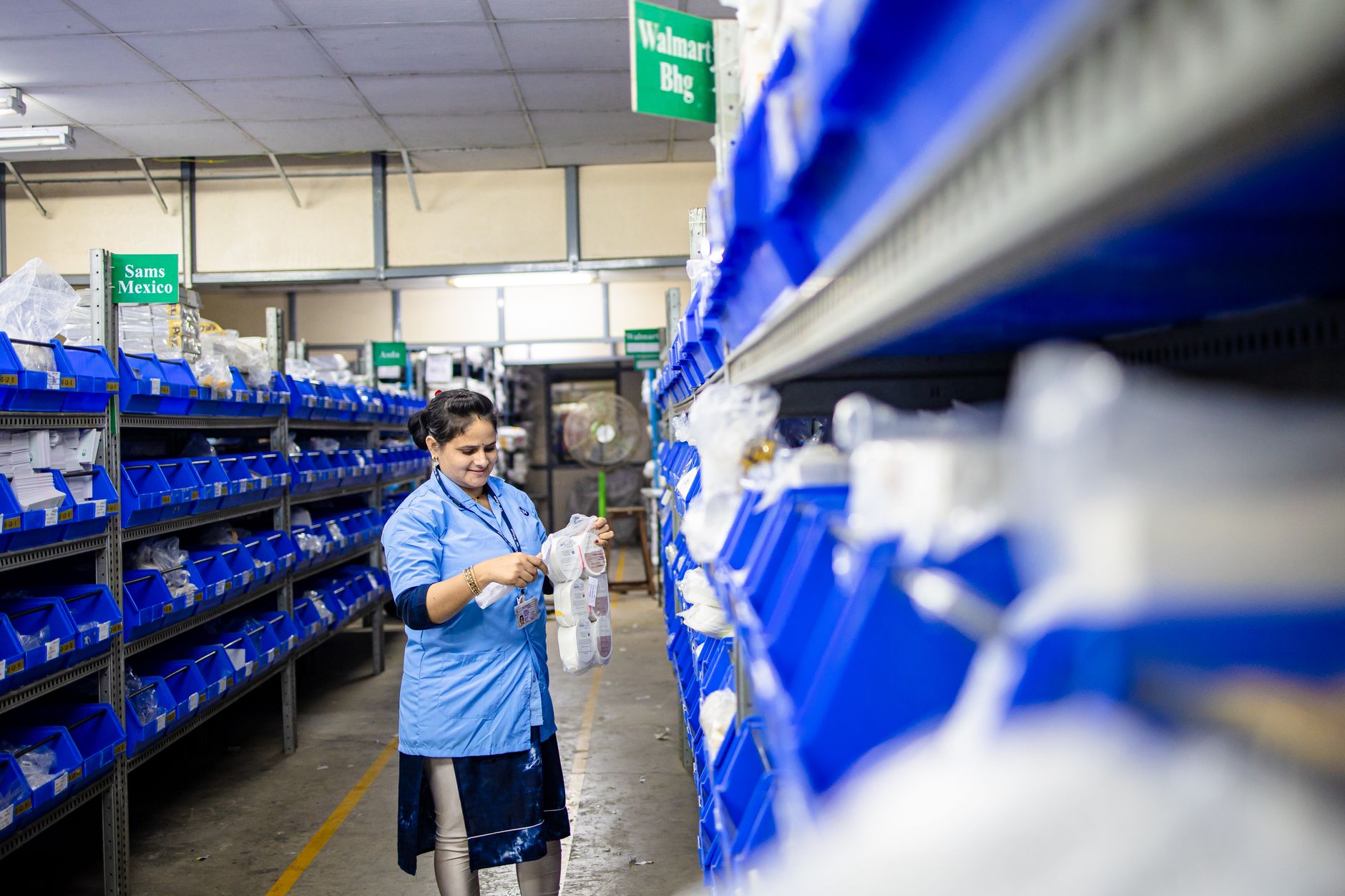
Most of the return sits in labor hours on routes that repeat: pallets moved from receiving to staging, totes carried between pick zones and packing, carts pushed from storage to replenishment locations. These are the hours of laborers, freight, stock, and material movers, hand type of work. A robot that runs the same route every shift takes those hours without fatigue, and the people it frees move onto exception work, counts, and problems a robot cannot solve.
Scale explains why this matters. According to the BLS Occupational Outlook Handbook, the broader hand laborers and material movers group had about 7.0 million jobs in 2024, so this kind of work is widespread. According to BLS Industry at a Glance, warehousing and storage had about 1,834.7 thousand employees in February 2026, preliminary and seasonally adjusted.
Safety is a second source of value that the savings range does not price. For warehousing and storage in 2024, BLS reports 4.8 total recordable cases per 100 full-time workers, a DART rate of 4.1, and days away from work at 1.5, along with 32 fatalities in 2024, up from 28 in 2023. BLS flags a series break from 2023 because of the NAICS 2022 revision, so compare years with care.
Median hourly wage, Laborers and Freight, Stock, and Material Movers, Hand
$4,642
Monthly cost of one full-time worker in Buffalo, NY, at the median wage plus payroll costs (an estimate, not a quote).
How many labor hours does the robot actually take over?
The honest answer is that the robot takes a share of the hours, not all of them. Repetitive transport is a strong candidate because it runs the same path many times a shift. Work that needs judgment, handling of odd loads, or hands-on exception handling stays with people. The share is what the site assessment measures, and it drives most of the math on this page.
Labor supply context matters too. According to a trade publication reporting BLS data, transportation and warehousing employment fell by 105,000 jobs in April 2026. A sector-wide drop does not show whether your shifts are short-staffed, so check your own open roles. A robot that takes the repetitive legs runs them on schedule even on days when a position stays vacant.
Turnover is the other side of that picture. A staffing vendor, citing BLS JOLTS data, reports annual turnover of 35 to 49 percent for warehouse and fulfillment work. We could not confirm that range on BLS, so treat it as a vendor estimate. A route keeps running when someone quits, although the staff who handle exceptions still need training.
How does the lease math work?
The calculation has three inputs. First, the hours per shift the robot takes over, measured in the assessment. Second, the local wage for this job from the government wage data panel, which values those hours. Third, the fixed lease payment, quoted after the free site assessment. Labor hours offset the payment, and the difference is the return before uptime and running costs are considered.
In plain terms: take the hours the robot covers each week, value them at the local wage for this job plus the labor burden you carry, and compare that total to the lease payment over the lease term. If the robot covers only a few hours a week, the return is thin. If it covers a steady share of a full shift, the return grows. A robot that sits idle for long stretches earns nothing for those hours, so utilization goes straight into the math.
Headcount sets the scale. A site with more people on the same route has more hours to offset, and a site with fewer may find the robot covers too little to pay back the lease. The savings range on this page is a range, and the assessment replaces those assumptions with your actual staffing count.
| Task | Today | With a robot |
|---|---|---|
| Move pallets from receiving to staging | staff time logged per shift during the floor walk | robot runs the scheduled route, staff clear exceptions |
| Carry totes between pick aisles and packing | walking and cart time counted from shift logs | robot takes the repeat legs, people keep the picks |
| Replenishment runs from storage to pick faces | hours measured from the shift that covers the runs | robot runs on a timed schedule, supervisor checks the log |
| Route checks and handoffs at the dock | supervisor and lead time, measured in the assessment | fewer manual handoffs and a daily route review |
No hour figures are published on this page. Hours come from your own shift logs and a floor walk during the free site assessment, then are valued at the local wage for this job shown in the panel.
What changes the number up or down?
Four things move the range most: the share of each shift that repeats, the hours the robot can run, how stable the layout stays, and how much turnover and open roles raise the value of the hours taken over. Each can move the result in either direction.
Upward pressure comes from long, repeated routes, multiple shifts, and hard-to-fill shifts where people are scarce. Downward pressure comes from short routes, frequent changes to racking and aisles, blocked doors and floors, and a robot left idle while staff walk the same path anyway.
Work through the checklist below before deciding. Each item is a question the assessment answers from your data, not from our assumptions.
What are the risks to the return, and how do you avoid them?

The biggest risk is over-sizing the plan before the hours are proven. A January 2025 industry survey of 217 respondents found that 32 percent plan to adopt robotics within three years, 43 percent expect to increase robotics budgets in 2025, and only 32 percent have approved funding for new robotics initiatives. Those numbers point to many sites still deciding, so a small first step is a sensible test.
The MHI 2025 Industry Report, as cited in a trade publication, puts 41 percent of supply chain organizations at having implemented robotics and automation, with 42 percent planning to within five years. That covers automation broadly, not autonomous mobile robots specifically, so it describes the market more than your site.
To protect the return, start with one leased unit on one route rather than the whole building, map the floor before committing, confirm the route stays clear during the robot's working hours, and name a person on each shift to handle exceptions. We lease the robot through financing, deploy and integrate it, train staff, and service it nationwide, so one partner covers installation and service calls.
Where in the building does the robot work?
A robot earns its keep only on routes it can drive every shift. The zones below are where that usually happens in a Buffalo warehouse or distribution building. Each zone carries a different kind of repeat trip, so the assessment maps which ones matter for your flow.
Dock apron and doors matter more than most sites expect. A route that crosses a dock apron with forklift traffic needs clearance rules and a safety check, and the assessment decides whether that route is safe for the robot before any lease is signed.
The zones are a starting map, not a plan. Some sites use the robot in only two or three of them, and that is a sound result if those zones carry the hours.
How long does it take to reach payback?
Payback is a sequence, not a fixed date. The timeline runs from site assessment through a pilot on one route, then integration and go live. The payback view comes from measured hours once the robot runs real shifts, which is why the pilot matters most. Measured hours beat estimated hours.
The pilot sets the pace. One leased unit on one route shows whether the hours are there before the plan grows. Rollout after that can be phased, so the rest of the operation keeps running while new routes come online. Timing varies with the site, the lease term, and how quickly the layout settles, so ask for the expected timeline in the assessment quote rather than relying on a general figure.
- Site assessment: floor walk, shift logs, and route mapping
- Pilot: one leased unit on one repetitive route
- Integration and staff training on exception handling
- Go live with a named owner on each shift
- Review measured hours against the lease to set the payback view
How do you get a precise figure from a free site assessment?
A free site assessment replaces the calculator's assumptions with your numbers. We walk the floor, map the routes, and pull the shift logs that show who does the repetitive work and for how long. Those hours are valued at the local wage for this job, and the result becomes a fixed lease payment quote for the term you choose.
Bring the records that make the math honest: shift schedules, staff counts per shift, typical route lengths, open roles over the past year, and any injury logs your site already keeps. Those records move the range from a planning estimate to a figure you can take to finance.
We are a US commercial robot integrator. We pick the robot that fits the site, arrange the lease through financing, deploy and integrate the unit, train staff, and service it nationwide with on-site dispatch and remote triage. You get one partner and one number for the lifecycle, and the quote arrives after the assessment, not before.
Frequently asked questions
Put a robot to work in Buffalo.
We walk your site, learn the job, and recommend the unit that fits. Then we quote the lease, deploy it, and keep it serviced.
Sources
- US Bureau of Labor Statistics, Occupational Employment and Wage Statistics (OEWS May 2024)
- BLS Occupational Outlook Handbook, hand laborers and material movers
- BLS Industry at a Glance, warehousing and storage (NAICS 493)
- Trade publication reporting BLS employment data
- Warehouse robotics adoption survey, January 2025, 217 respondents
- MHI 2025 Industry Report, as cited in a trade publication
- Staffing vendor research on warehouse and fulfillment staffing (secondary)