Mobile, AL businesses put material handling robots to work, with one partner handling selection, financing, deployment, and service.
For any Mobile business managing inventory, our expertise in material handling brings in autonomous equipment that gets the job done safely and reliably. With goods constantly flowing through the port and our humid climate, automated systems provide a consistent pace that people alone cannot. They show up for every shift.
We start by understanding your operation, whether you're running a distribution center or a manufacturing line. Our role is to find the right tool for your specific need, like an AGV forklift to handle pallets or an autonomous tugger to tow parts carts, selecting from multiple robotic suppliers to get the best fit. One type of machine rarely fits all.
Material handling mobile · Robotic suppliers · Agv forklift
Support & service
Service in Alabama.
- 24-hour nationwide on-site dispatch.
- 10-minute remote triage during business hours.
What robots are used for · Robot workcell · Why are robots important
Putting these machines to work begins with mapping their environment without disrupting your team. A robot workcell is defined to handle the repetitive, physically demanding tasks, which is often what robots are used for most effectively in a warehouse setting. This allows your trained staff to focus on jobs that require their skill and judgment.
Once running, the system becomes a predictable part of your daily workflow. Autonomous movers travel their routes, and automated tugs make their circuits without direct oversight. They operate steadily in the summer heat of an un-airconditioned facility, a key reason why are robots important for consistency in our climate.
Your operation will change over time, and your robotic equipment should adapt with it. As you reconfigure floor space or add new product lines, we help update the system's tasks and paths. This ensures the equipment remains a valuable asset, not a fixed piece of yesterday's technology.
What we deploy on Mobile floors
We pick by the load and the motion, not the brand - and we stay OEM-neutral on the hardware.
Autonomous mobile robots
Shuttle totes and carts between zones across a Mobile floor with no fixed path or track.
Autonomous forklifts
Pick up, move, and stack pallets without a driver - for the repetitive lifts that are hardest to staff.
Tuggers & pallet movers
Tow trains of carts on milk runs and shuttle loads dock-to-rack - zero-infrastructure options need no floor changes.
Goods-to-person systems
Bring stored shelves and totes to a stationary picker, so picker walking time drops instead of headcount rising.
Representative categories - we confirm the exact unit, capacity, and terms for your floor in an assessment.
One partner for the whole deployment in Mobile
Buying a robot direct gets you a box and an overseas support queue. Service Robot Co. owns the whole lifecycle for a Mobile operation: we select the right units across OEMs, finance them buy-or-monthly, deploy them on a phased timeline that does not stop your floor, integrate them with the warehouse software you already run, train your team, and service every unit through a US engineer network. When a robot goes down mid-shift, the technician who fixes it is the same vendor who sold and installed it.
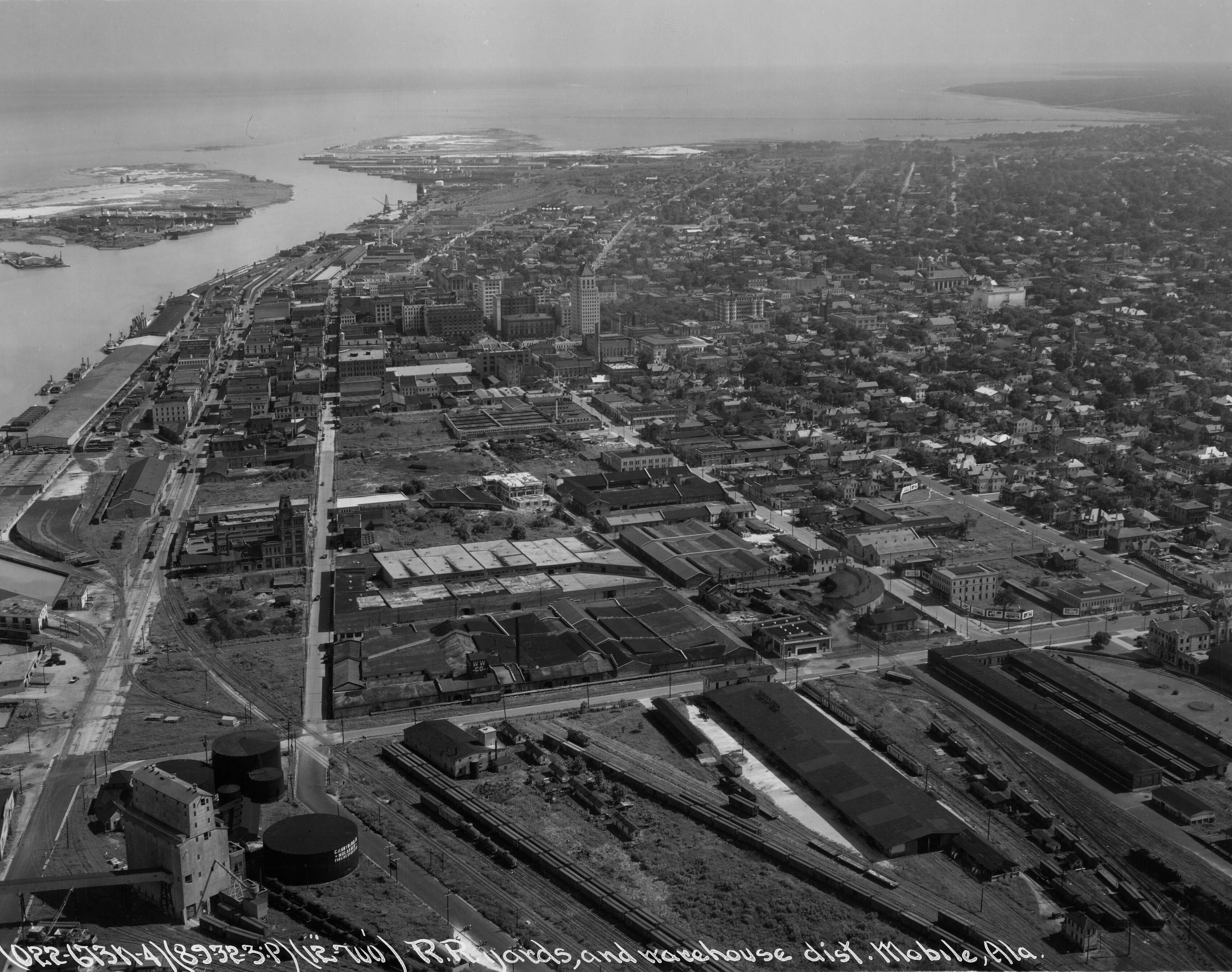
Service area · Mobile, AL - we deploy and service warehouse robots across Mobile and the surrounding Alabama metro.
Common questions
Warehouse robots near Mobile
Put a warehouse robot to work on your Mobile floor.
We walk your floor, learn your loads and routes, and recommend the units that fit - then deploy, integrate, and service them. Start with a free assessment.
Find the robot that fits your site.
Free site assessment. We tell you what actually works before you spend a dollar.