
Key takeaways
- Labor is one of the largest cost lines in cultivation, and tray moves are repetitive work done every cycle.
- Indoor canopy can be harvested several times a year, so each cycle brings another round of tray and supply moves.
- Robots take the carrying so trained staff can spend more of the shift on plant work.
- Savings depend on your own measured moves, so track one week of trips before you decide.
- A free site assessment comes first, and the lease quote follows through financing.
How can autonomous mobile robots for cannabis cultivation facilities help?
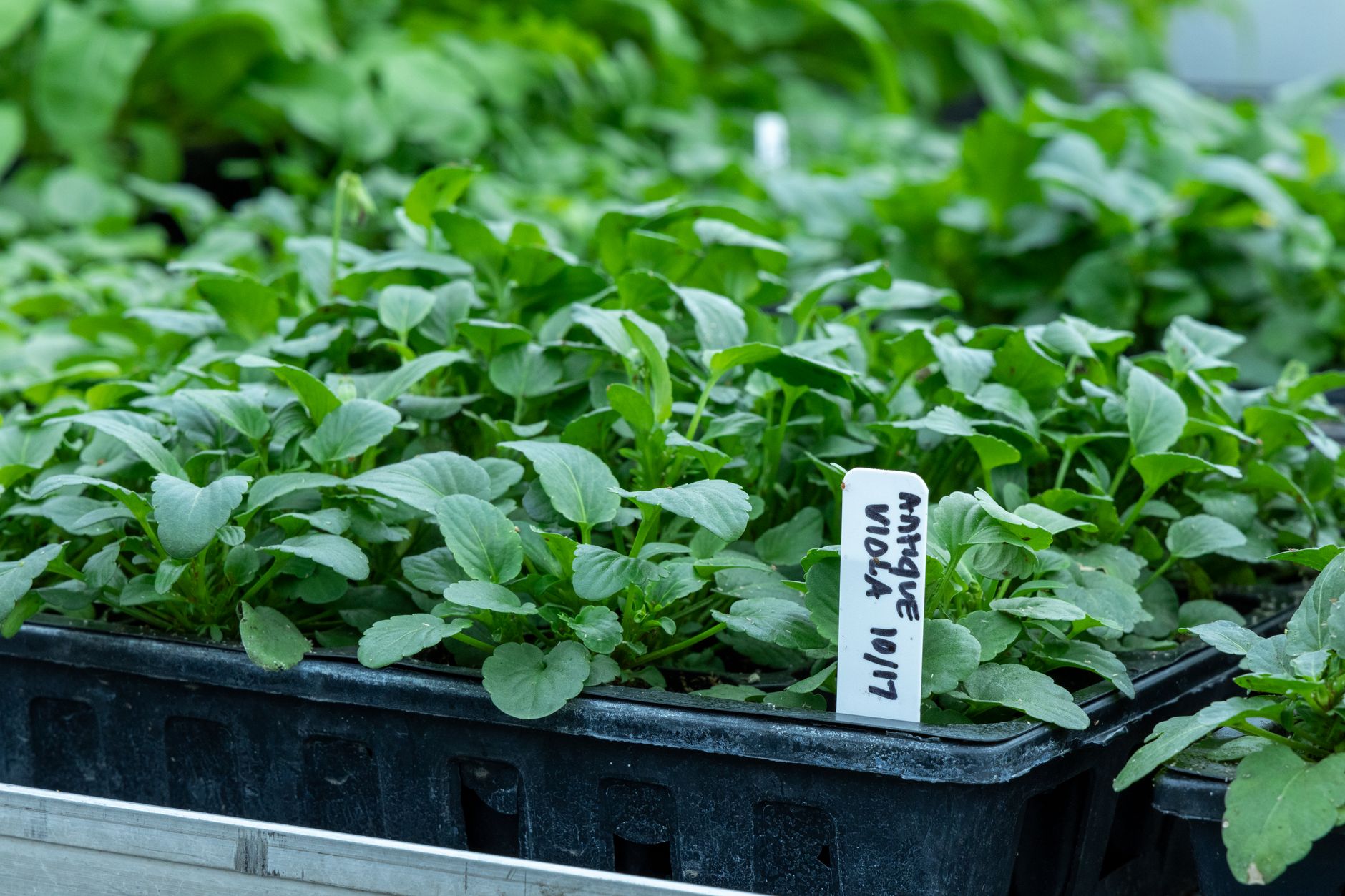
Autonomous mobile robots for cannabis cultivation facilities take over the repeated carrying that fills a grow day. Trays of cuttings and young plants, pots, nutrient totes, packaging and harvest bins move between propagation, vegetative and flowering rooms, then on to drying and processing areas. Each trip is short. Across a single cycle, the trips add up to a lot of walking and lifting by people who are already stretched thin.
The benefit is not speed for its own sake. When the robot runs the same moves on set routes, fewer people have to stop plant work to push a cart down the hall. Your team keeps the work that needs judgment, such as plant checks, pest scouting and harvest timing, while the carrying moves to a machine that does it the same way every cycle.
The rest of this page covers the labor problem, the size of a typical facility, the areas a robot works in, daily operation, working with staff, what drives savings, what a robot cannot do, and how to start with a free site assessment.
Where does labor go at a cultivation facility today?
Labor is one of the largest cost lines in cultivation. A cannabis economics site puts labor at 15 to 30 percent of total operating expenses and calls it the second-largest cost center in cultivation. That site describes the figure as secondary and not independently verified, so treat it as a sizing range.
A grow-software vendor's 2019 post went further, saying labor is the largest expense in commercial cultivation at nearly half of production costs. Another vendor post says labor and energy together account for up to 73 percent of operational costs. Both are vendor-reported, so read them as direction rather than benchmarks. The useful point is that people-hours are a major lever, and the question is how much of that labor goes to moving material instead of tending plants.
Tray and supply moves are the repetitive part of that labor. Each cycle moves trays from propagation to vegetative to flowering, then into drying and processing, and returns empty trays and supplies to where they started. Each move is simple. Repeated across a week and a crop, they become a steady drain on staff who are needed elsewhere.
How big is a typical facility, and how far do trays travel?
Facility size sets how much ground each tray crosses. According to Cannabis Business Times, the median canopy in its newer survey is 10,000 square feet, and its 2022 edition reported an average of 34,500 square feet. Nearly 40 percent of cultivators reported production areas under 5,000 square feet. Small rooms still have hand moves, but the larger the floor, the longer each trip and the more trips each shift.
Staffing grows with size. A Kentucky proposal, also reported by Cannabis Business Times, planned 18,000 square feet of indoor canopy in a 64,233 square foot building, with up to 100 employees and a maximum of 80 on site at once during peak harvest and processing. The typical daily on-site count was 50. That is one proposal, not a benchmark, but it shows how many people move through a site in a day.
Harvest frequency adds to the load. A 2025 California insights report says indoor canopy typically yields about two to three times the annual output per square foot of outdoor canopy, because indoor crops can be harvested several times a year. A Maryland state report estimated that in fiscal 2024 each square foot of canopy produced 0.67 pounds harvested (about 300 grams), or 0.23 pounds sold (about 105 grams). More harvest cycles means more tray moves on every square foot of canopy.
Which areas does the robot work in?
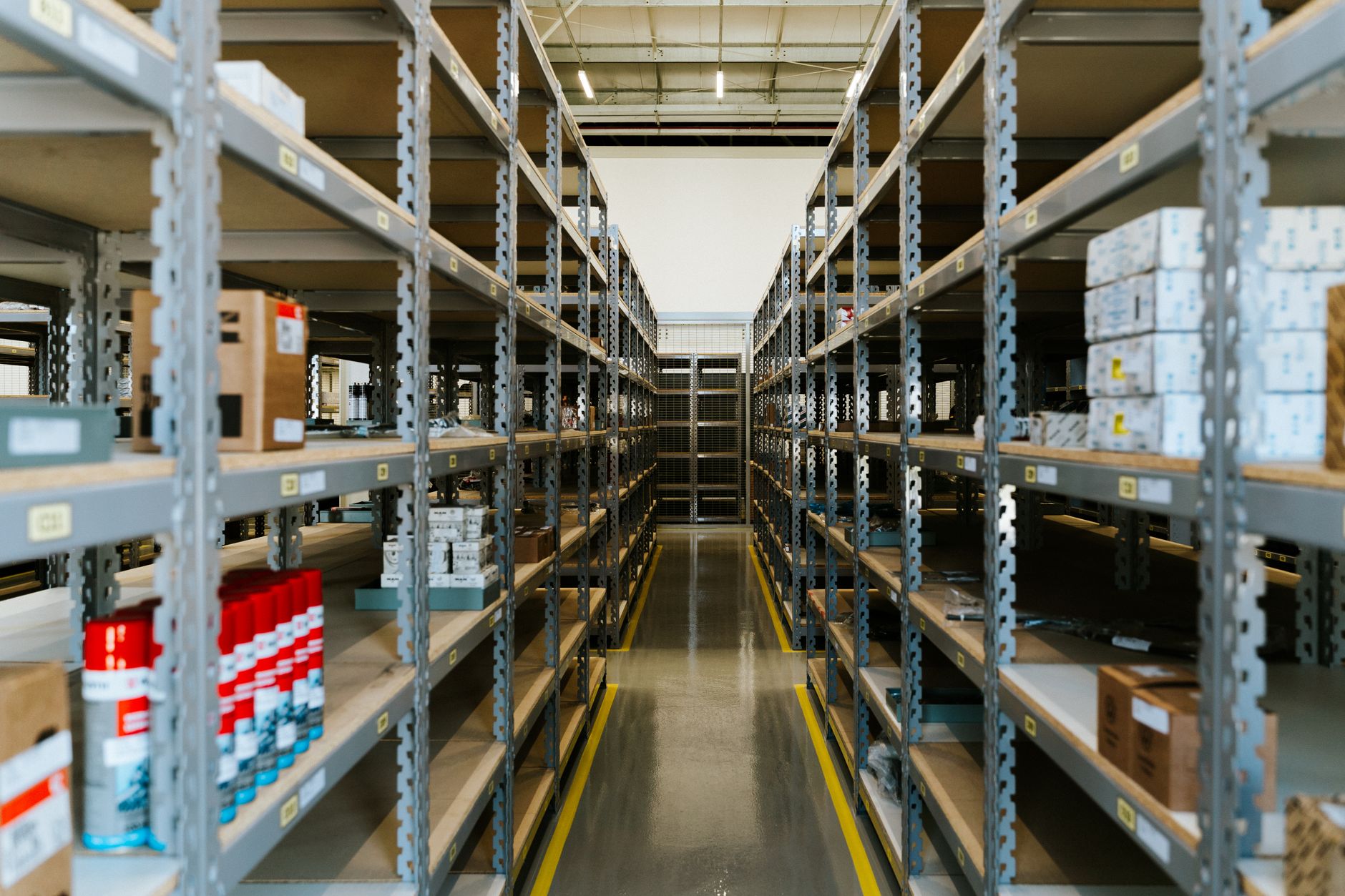
The robot works at transition points, where material leaves one room and enters another. Those points already exist in your building: doors, shared corridors, the staging spot outside each room and the loading dock. The route is mapped to those points, so the robot runs a fixed path instead of wandering the building.
Most sites run the robot across the same six kinds of area, described below. A common starting point is the route with the most repeated moves, often the one between propagation or vegetative rooms and the flowering rooms. Add the other routes once that first one runs cleanly.
How does the robot work day to day?
A shift starts with a short list of moves. Staff load a tray or tote at a station and confirm the destination. The robot drives the mapped route, stops when a person crosses its path, and resumes when the path is clear. At the destination, staff unload and the robot returns to its dock or takes the next queued move.
Scheduling matters more than speed. Batch the moves that happen at the same time, such as the morning transfer between rooms, so the robot runs full loads through the busy stretch and stays out of the way the rest of the day. Keep a manual path open, because staff still have to move material when a unit is busy or out for service.
A high density grow space patent application describes robots that drive beneath tray rows without colliding with trays or supports, with several robots coordinated through navigation planners. A filing is not proof of a deployment, but it shows the approach is being designed for rooms like yours.
How does the robot work alongside your staff?
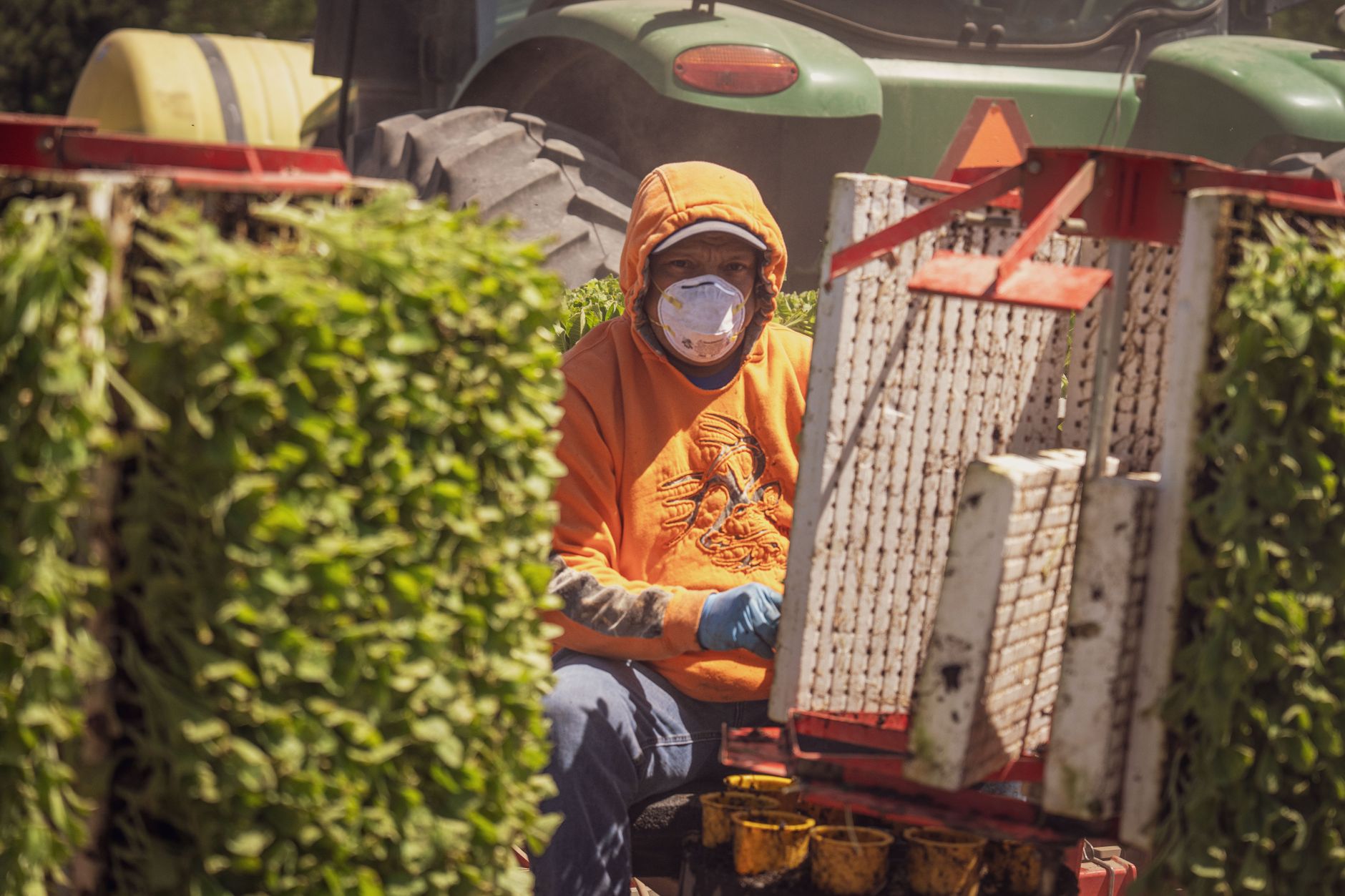
The robot takes the carrying, and your people keep the plant work: inspection, pruning, training, pest scouting, harvest decisions and quality. The goal is a robot plus a smaller team, never zero staff. Someone still loads the robot, checks the route each shift, clears the aisles and handles the exceptions.
Plan for a short training period and a named owner for the robot on each shift. Our team handles robot deployment and integration, trains your staff on loading, routes, basic checks and what to do when the robot stops, and provides go live support. We pick the right robot for the site, lease it through financing, and service it nationwide after go live, so your team is not learning robotics on its own.
Start with a robot pilot program on one route. Learn the traffic pattern and the exception list before expanding. A spare unit or backup robot program keeps the route running when one unit is out for service.
What drives the savings?
Savings come from three things: the share of labor spent on material movement, how many moves each cycle creates, and how consistently the routes run. The 15 to 30 percent operating expense range cited earlier gives a sense of the size of the labor pool, but it covers total labor, not tray moves. It is a starting point for sizing, not a forecast for your site.
Measure before you decide. Track one week of tray and supply moves on each route: count the trips, note the destination and time a sample of them. That gives you your own hours figure, which is the number that matters. None of the sources we checked gave a reliable hours-per-week figure for this work, so we do not quote one here.
Cycle frequency multiplies the work. With indoor canopy harvested several times a year, the same routes run again and again, so every trip saved repeats across every cycle. Savings are not a promise. They depend on the layout, the route design and how the team uses the robot, and a quote after a free site assessment gives the numbers for your floor.
What can a mobile robot not do?
A mobile robot moves material. It does not pick, prune, trim, inspect leaves or decide when a plant is ready for the next stage. Those tasks stay with people or with separate equipment, so budget staff time for them separately.
Layout sets limits. Routes need clear floor, doors that open or can be held, and paths that avoid wet or uneven floor. Heavy or oversized loads beyond the robot's rated capacity need another method. Very tight rooms or narrow aisles may not suit a unit at all, which is why the site assessment comes first.
A robot also cannot repair a broken process. If trays are staged in the wrong place or supplies are not counted, the robot carries the disorder faster. Fix the flow first, then add the robot to the parts of the route that repeat.
How do you get started?
Start with a free site assessment. We map the floor, identify the transition points, measure traffic and check doors, floor condition and power access. We then recommend the right robot for your site, and the lease quote comes with that recommendation. The payment comes in the quote after the assessment, through the lease financing programs we arrange. A free site assessment is the first step for any facility considering autonomous mobile robots for cannabis cultivation facilities.
We lease robots through financing. Deployment and integration, go live support and staff training follow, and service runs nationwide with on-site dispatch for hands-on repair and remote triage for diagnosis. You work with one partner from the first walk-through through daily service.
Pick the route with the most repeated moves, run it as a pilot, and compare your hours before and after. Expand only if your own numbers hold.
Frequently asked questions
Want a warehouse robot at your cannabis cultivation facility?
Tell us about your site. We will recommend the robot, quote the lease, and keep it serviced.
Sources
- Cannabis Market Cap cultivation economics
- Grow-software vendor post on cultivation labor costs, 2019
- Grow-software vendor post on labor and energy costs
- Cannabis Business Times facility sizes and tiers
- 2025 California cannabis cultivation insights report
- Maryland state report on canopy productivity, fiscal 2024
- Vangst 2025 Jobs Report
- High Density Grow Space Automation with Mobile Robots patent application