
Key takeaways
- Bagged feed and ingredient totes are steady, heavy trips that autonomous mobile robots can take on along fixed routes.
- Rural hiring is tight at many mills, so moving repetitive loads off operators protects the time they need for process work.
- Public figures describe the industry and the labor market, but no verified hours-saved figure for feed mills exists yet.
- The robot works alongside your operators and maintenance crew, and a team stays on the floor at all times.
- Start with a free site assessment, then a lease quote shows the payment before anything goes live.
How can autonomous mobile robots for feed mills help?
Autonomous mobile robots for feed mills can take over one of the most repetitive jobs on the floor, which is moving bagged feed and ingredient totes between storage, mixing and loading areas. The robot follows fixed paths, so the same trips are made the same way on every shift, and an operator no longer has to leave a control panel or a bagging line to push a cart across the building.
The main benefit is steadier flow. A batch that waits on an ingredient tote, or a loading crew that waits on bags, loses minutes each time. A robot on a mapped route runs each delivery on schedule, so the timing of the mill depends less on who happens to be free.
We need to be clear about the evidence. We did not find a published account of an autonomous mobile robot moving bagged feed or totes inside a commercial feed mill. The case for autonomous mobile robots for feed mills rests on how these robots perform in general warehouse material handling, plus the workforce pressures mills already face. Treat the mill application as a route to test on your own floor, not as a proven result.
What does moving material look like at a feed mill today?
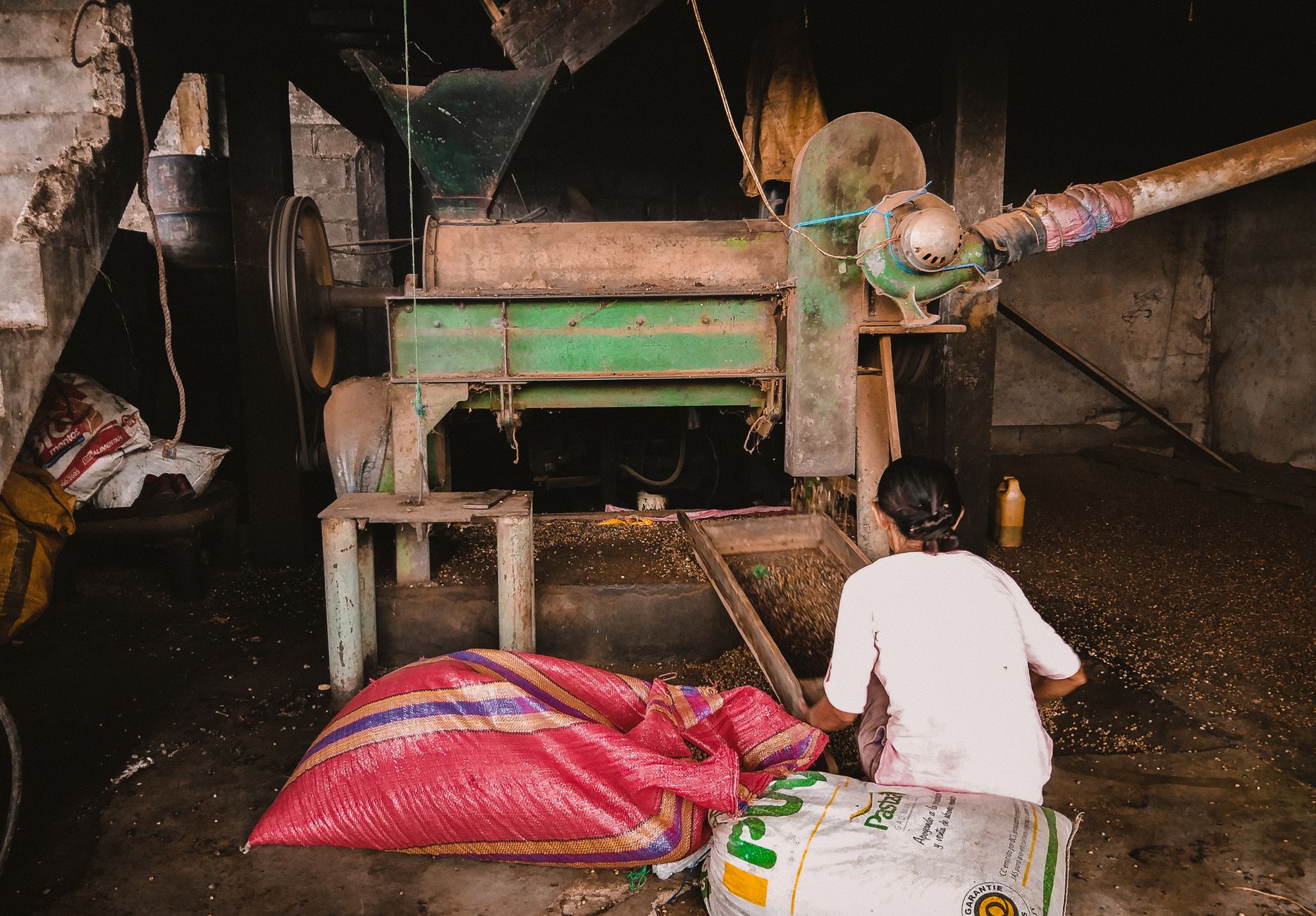
A feed mill is a long chain of handoffs. Ingredients arrive by truck or rail, go into bins or totes, get weighed and batched, then are mixed, ground or pelleted and bagged or loaded in bulk. At most of these steps a person moves the material with a forklift, pallet jack, tote cart or hand truck, and the trips add up across a long shift.
Staffing is the pressure behind this. According to a feed industry association blog post reprinted online, the U.S. had 5,125 feed mills and 523 pet food manufacturing facilities in an earlier year. A 2023 feed trade article says mills are usually rural, so a shrinking local population narrows the hiring pool, and new hires often lack feed milling experience.
Hours are long too. According to a feed consultant quoted in a feed industry article, one mill runs 16 to 18 hours a day. On long days, the repetitive trips are where a thin crew tends to lose the most time, and they are also the easiest work to hand to a machine on a fixed route.
Hand moves are a large, common job category. According to the U.S. Bureau of Labor Statistics, hand laborers and material movers held 6,950,000 jobs in 2024, and the bureau projects 4% growth from 2024 to 2034, or 258,400 new jobs. Its typical preparation is short-term on-the-job training, so turnover in these roles means training the next person.
What are the main benefits for a feed mill?
The first benefit is fewer interruptions. Each time a batch waits for an ingredient tote or a loading crew waits for bags, the mill loses time that is hard to recover. A robot on a fixed route makes the same delivery each time, so those waits shrink, and the people on shift see fewer stalls caused by material that is not where it should be.
The second benefit is that operators get back to the work only they can do. Keeping the process steady, sampling, watching the bagging line and making equipment rounds all need a person who knows the mill. When the hand trips move to the robot, that person is free for those tasks instead of being the only one keeping material moving.
The third benefit is predictability. The same route, the same stops and a clear lane make each move easier to plan, and a log of completed runs helps you see where delays actually happen. None of this works well on an unmapped or cluttered floor, which is why the route work comes first.
How does the robot work day to day, and where does it go?
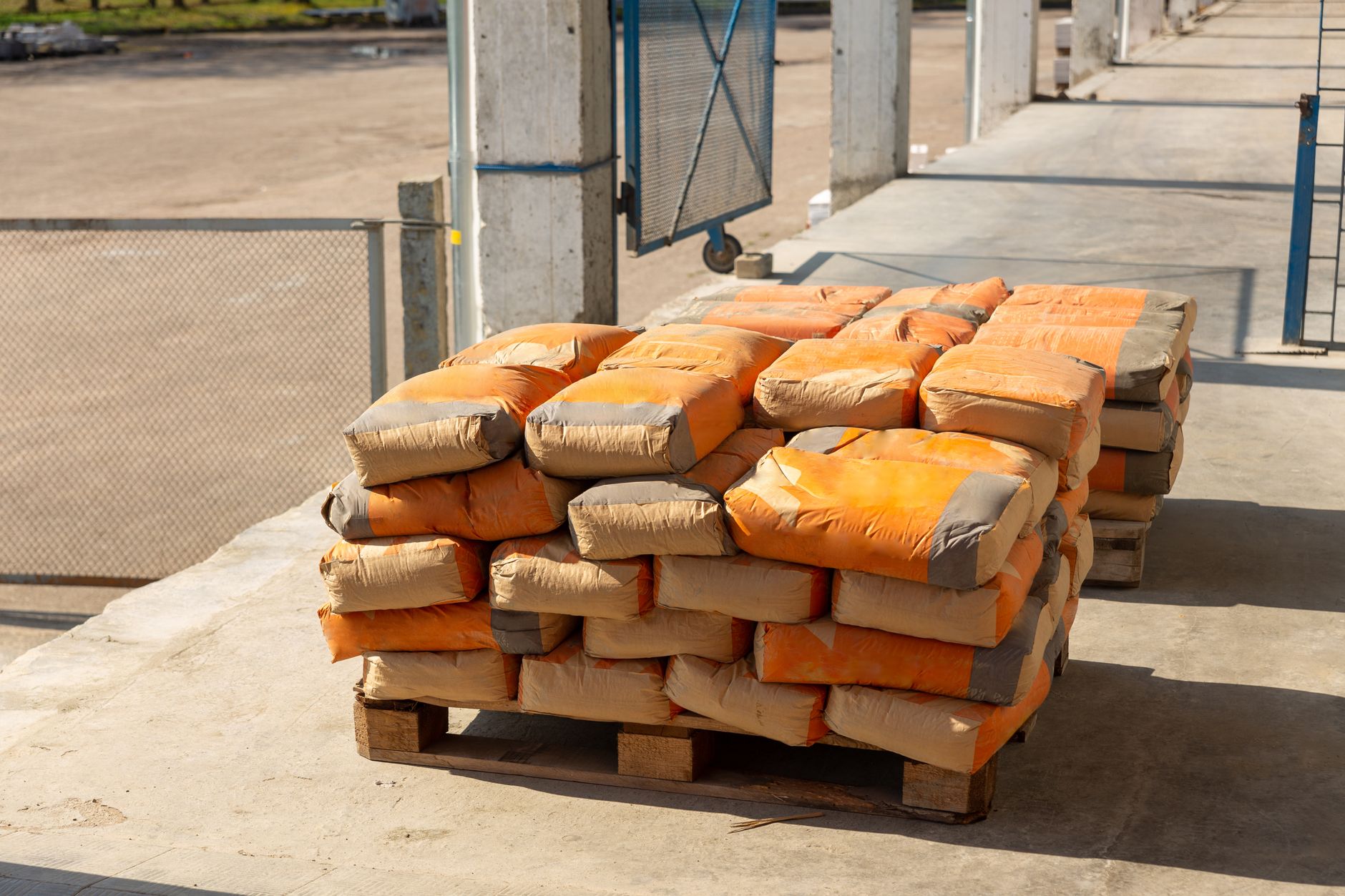
Day to day, the robot travels a mapped route between fixed stops such as receiving, the ingredient bins, the batch area, the bagging line and the loading dock. An operator or a dispatch screen sends it a move, usually a tote or a pallet of bags, and it carries the load along the route and stops where it is told.
The routes are set during a site assessment. We map the floor, mark each stop, and set the lanes that must stay clear. Stops that need a person, such as a tote that has to be hand loaded, stay with people, and the robot waits at a station until the next pickup is ready.
Mills vary in layout, so the stops differ from one plant to the next. The six areas below are the places where we would expect a route to run. Each one is a stop on a route, not a separate job for the robot.
What does a shift look like with the robot in it?
A shift with the robot in it is still a shift with people in it. The first part of the day goes to checking that routes are clear, that stops have totes or pallets staged, and that the robot is charged and ready. After that, the queue of moves follows the batch schedule, so the robot is busiest when the mill is busiest.
Operators spend less time on hand trips and more time at the batch controls, the bagging line and the dock. Maintenance staff keep their scheduled checks, and a shift lead reviews any stalled moves before the shift ends. The schedule is set by the people, with the robot covering the repetitive trips in between.
How does the robot work alongside your existing team?
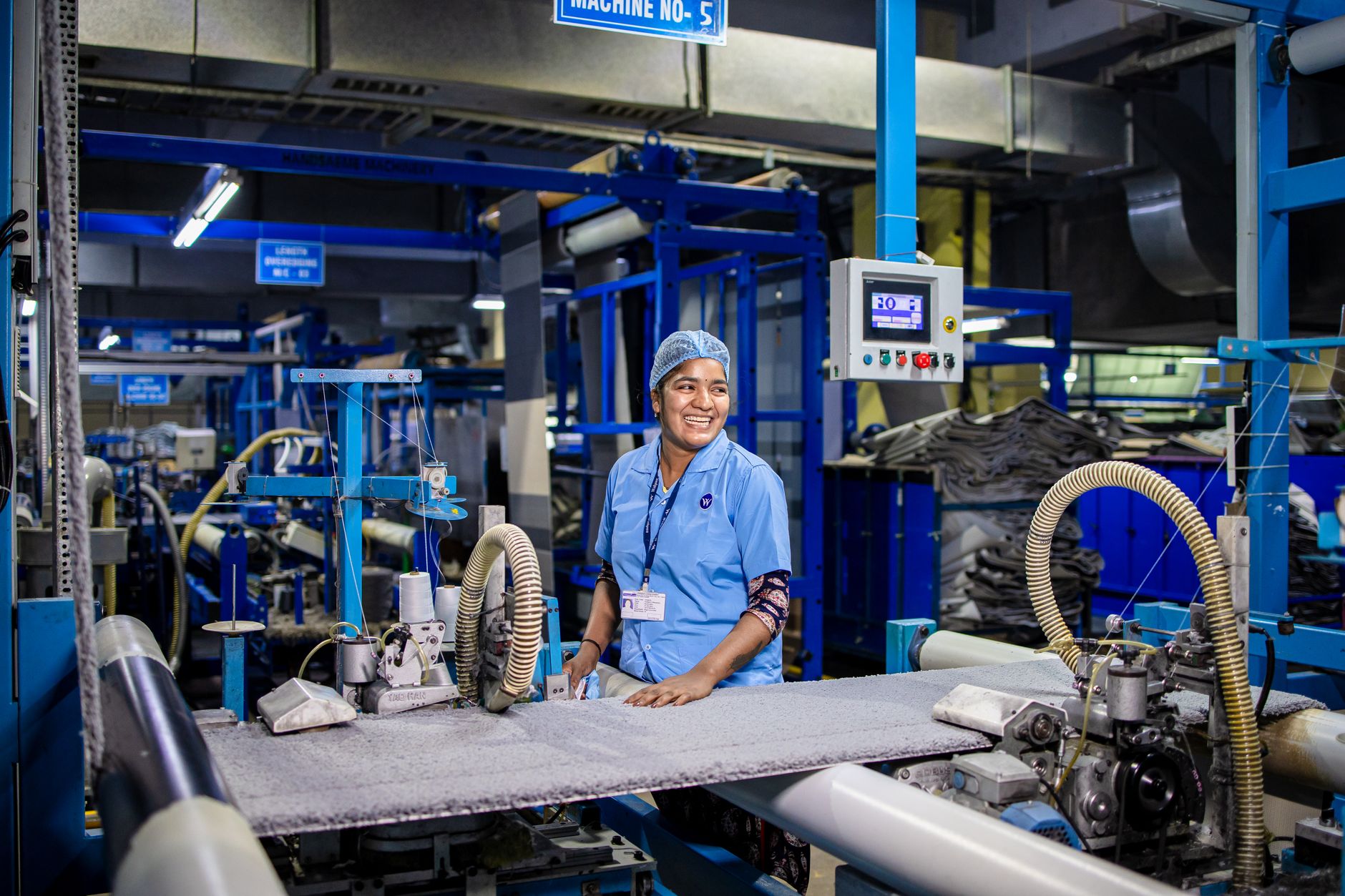
The right way to think about it is a robot plus a smaller team, not a robot in place of a team. A mill still needs operators to run the process, maintenance technicians to keep equipment in service, and drivers for outbound loads. The robot takes the repetitive moves so the crew you have can cover more of the mill during a long shift.
Our work includes the people as well as the machine. We train the staff who use the robot, including how to stage loads, clear a blocked lane and respond to a stall alert. Our team handles robot deployment and integration with your layout and existing equipment, then provides go live support during the first weeks, so your crew is not left to learn on its own.
After go live, a robot maintenance service plan covers the unit. On-site dispatch and remote triage are available nationwide, so a fault is handled by a technician who can reach your mill rather than by a long wait for parts or answers.
What drives the savings, and what do the numbers show?
The savings come from handling time moving from people to the robot, and from fewer minutes lost to waiting on material. The published figures are generic, so treat them as a starting point. According to a vendor blog on warehouse maintenance, which presents a generic estimate rather than a named deployment, a line can lose 45 to 90 minutes of material-related idle time per production shift, falling to 8 to 15 minutes per line per shift in its comparison table.
We did not find an independent, verified figure for hours saved per shift in a feed mill, so we will not promise one. In the site assessment we measure the idle minutes and hand trips on your floor, then measure them again after go live. Labor is counted in hours, and the payment comes in the quote, not on this page.
The labor pool is also part of the picture. A mill that moves less material by hand has fewer repetitive roles to fill, though the staff who remain still need the training the work requires.
What can the robot not do?
The robot does not run a mill. It moves loads on mapped routes, so it cannot make a batch decision, judge a sample, repair a conveyor or decide when a line is ready. It also needs clear lanes, and a pallet left in its path or a blocked aisle causes a stall until a person clears it.
Feed mill work is hot, dusty and dirty, and a university researcher quoted in a feed industry article says long hours are likely to stay. That is why the site assessment checks dust, floor surfaces, lighting and the spots where loads cannot be safely staged. Some moves, such as loading a truck bed or lifting a bag from a high rack, stay with people.
How do you get started with autonomous mobile robots for feed mills?
Start with a free site assessment. We walk the mill, map the routes, note the stops and the lanes that must stay clear, and identify the first two or three moves worth automating. We then recommend the right robot for the site, and the lease quoted after a site assessment shows the payment.
We lease the robot through financing, so the mill does not need to tie up capital up front. Lease financing programs and a robot maintenance service plan can be quoted together. Many mills begin with one leased unit on a pilot route, then add units once the first route runs well and the crew is comfortable with it.
Once the route is chosen, our team handles robot deployment and integration, go live support, and training for the people who use it. If the robot is ever down, on-site dispatch and remote triage keep the response in one place, with one partner to call.
Frequently asked questions
Want a warehouse robot at your feed mill?
Tell us about your site. We will recommend the robot, quote the lease, and keep it serviced.
Sources
- Feed industry association facts page
- Feed industry association blog post, reprinted online
- Feed trade article, April 2023
- Feed trade article, July 2021
- Feed industry article quoting a university researcher
- U.S. Bureau of Labor Statistics, Occupational Outlook Handbook
- Feed industry article on staff shortages, quoting a feed consultant
- Vendor blog on warehouse maintenance (generic estimate)