
Key takeaways
- Drum, tote and pail moves between fixed stations are repeat work that mapped robot routes can cover.
- Production hiring stays heavy, with nearly 1 million openings a year projected in production occupations.
- Published AMR results come mostly from warehouses and automotive plants, so test on your own routes first.
- Robots take the routine container runs while your people keep mixing and quality checks.
- Robots are leased through financing, and the payment comes in the quote after a free site assessment.
How can autonomous mobile robots help a paint plant?
Autonomous mobile robots for paint manufacturing plants take over the repeat moves that keep drums, totes and pails flowing between fixed stations. A robot follows a mapped path, picks up a container at one station, and sets it down at the next, with no driver on board. That frees your people for the work that needs judgment, such as mixing, color checks and quality sign-off.
The fit is strongest where the same routes repeat all shift. In most paint plants, raw material comes in, moves to staging and mixing, and finished pails go out through a fixed sequence of stations. A fleet can cover those legs on a schedule, which keeps traffic predictable and gets containers to each batch on time.
Be clear about the evidence first. I did not find a published case of robots moving paint drums, totes or pails inside a paint plant. The public results come from warehouses, automotive plants and vendor case studies at other sites, so treat any gain as something to measure on your own floor.
What does moving material look like in a paint plant today?
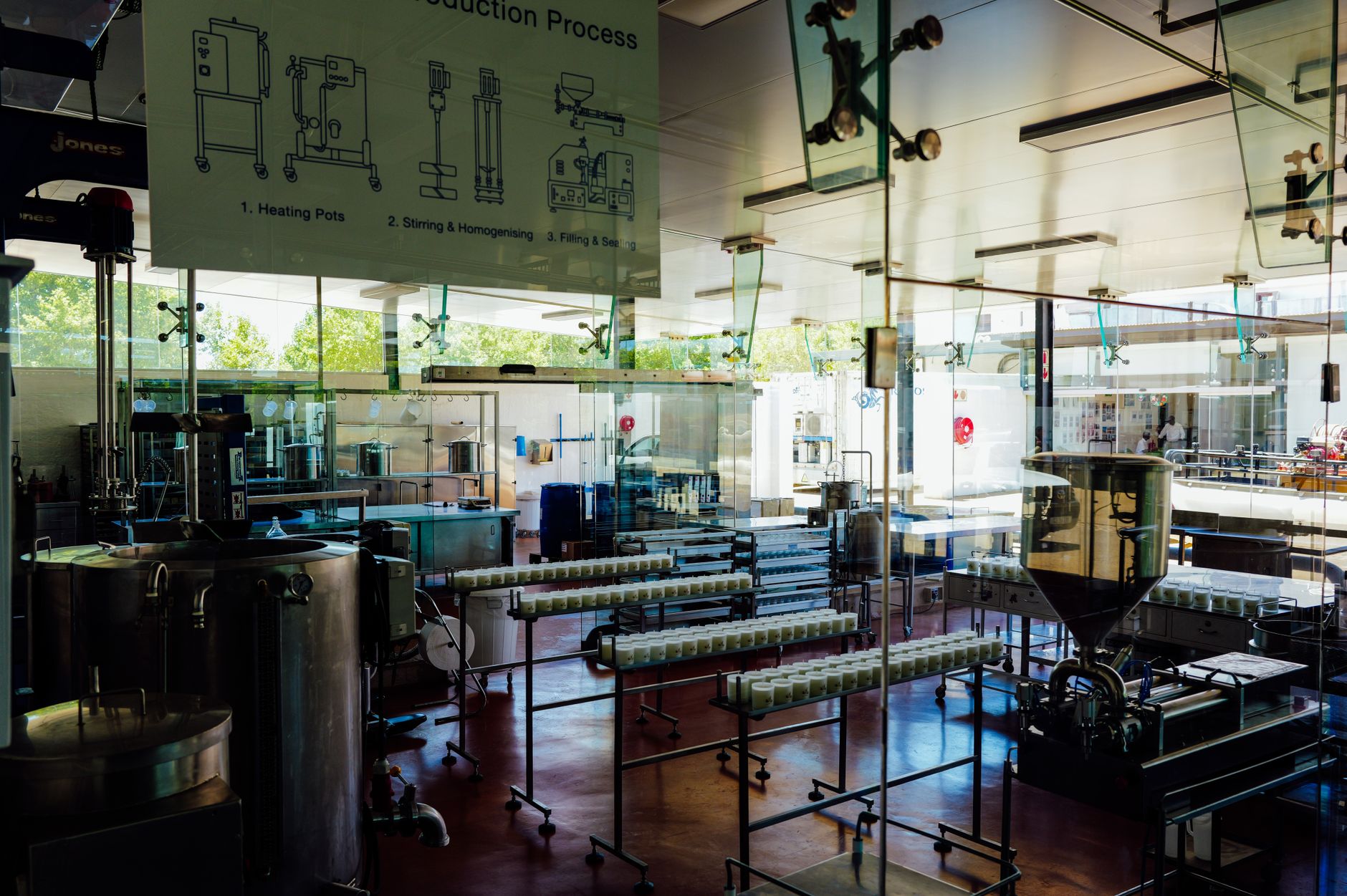
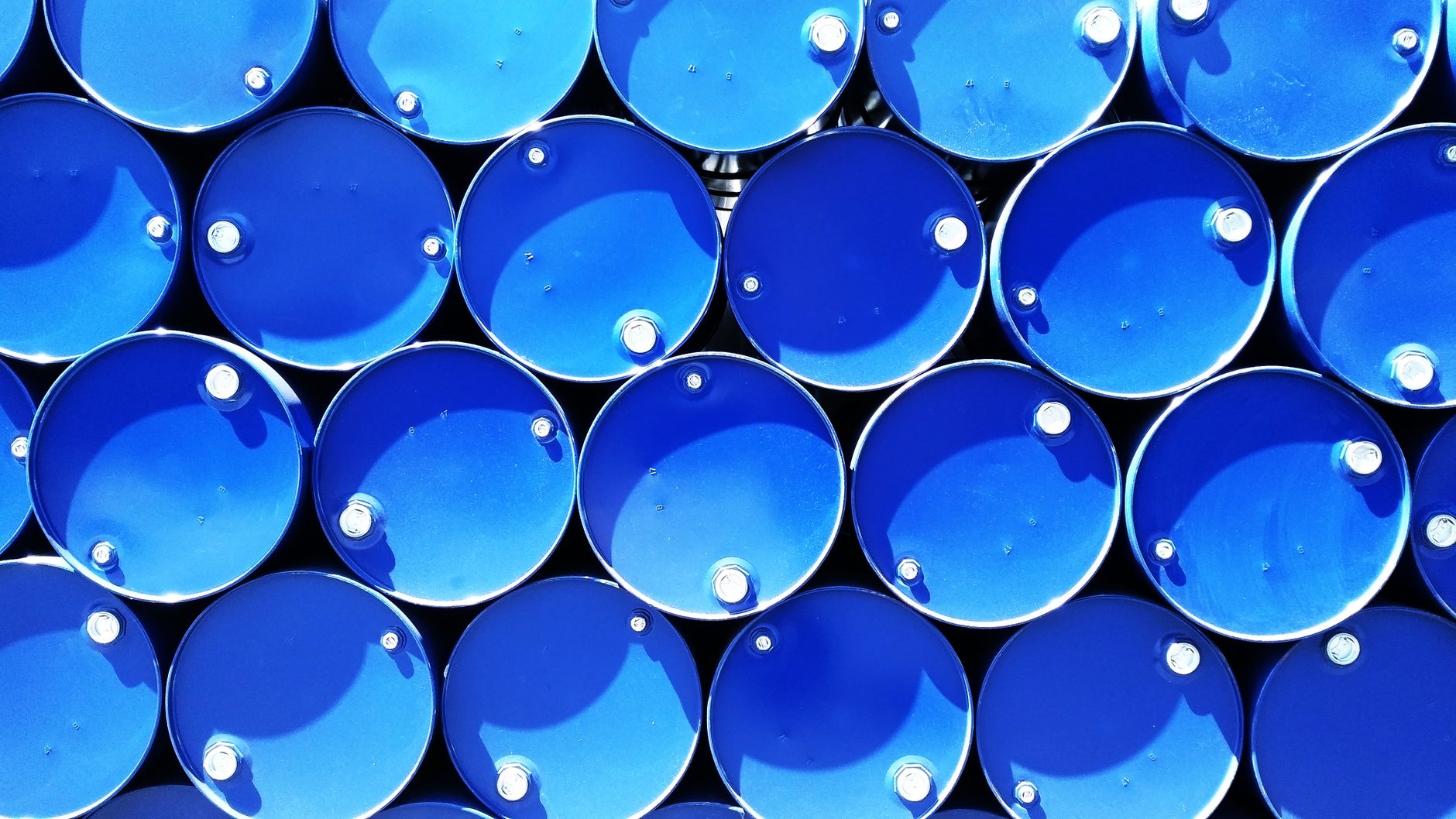
Paint is made in batches, and the material moves in containers. Pigments, resins and solvents arrive in drums and totes, get staged, travel to mixing, and then go to a filling line that fills pails and cans. Empties travel back the other way. Most of these legs are run by a forklift or pallet jack and a person, using the same pickup and drop points every shift.
The industry is large and spread out. The American Coatings Association counts about 53,200 paint and coatings establishments in the US in 2022, using a broad definition that goes beyond manufacturing alone. A narrower listing for core paint and coating manufacturing shows 1,142 establishments, though that listing does not state its year.
Those counts matter because many plants run lean crews. Container moves are spread across a few operators, and when a truck is late or a batch runs long, moves bunch up at mixing and filling. The waiting adds up, and it is easy to miss when each move looks small.
What are the main benefits?
The first benefit is fewer idle trips. A mapped robot runs the same legs without breaks, so a container is ready when the next batch needs it, instead of waiting on a person who is finishing another task. Five gains tend to follow.
These are operating gains, not promises. How much each one is worth depends on how many moves your plant makes per shift and how far they travel. That is why the site assessment starts with counting them.
- Repeat drum, tote and pail moves run on a set schedule.
- Mixing, filling and quality staff stay on their own work.
- The same routes each shift make traffic easier to predict.
- Each move can usually be logged, which helps when a batch needs tracing.
- The fleet can grow one unit at a time.
How does the robot work day to day?
The robot waits at a charging point until a move is requested. A staff member or the plant's own system sends the job, such as one drum from receiving to resin staging. The robot takes its mapped route, slows or stops for people and forklifts in its path, and sets the container down at the marked spot.
Between moves it returns to charge. A fleet is sized so that one unit can cover while another charges, and runs are timed around shift changes and batch starts. A robot should never be the thing that holds up a handoff, so the schedule is built with the operators, not around them.
Which areas of the plant does the robot work in?
Most of the value sits on the legs between fixed stations, not inside any single process room. The areas below are the common places a fleet is placed. Your floor plan decides which of them are in scope and in what order.
Some areas need extra care. Paint plants often have classified hazardous locations near solvent storage and mixing, and a robot can work there only if its rating and your site rules allow it. The assessment marks those boundaries before any route is drawn.
How does it work alongside your existing staff?
The robot does not replace the team. It takes over part of the repeat container moves, which is the kind of routine work a fleet suits. The U.S. Bureau of Labor Statistics counts about 867,700 material moving machine operators in 2024, and 792,500 of them are industrial truck and tractor operators. Those are the crews whose repeat runs a fleet can absorb.
Plan to keep a team on the floor. People still load and unload at the stations, clear blocked paths, handle exceptions and watch the fleet. Operators move from carrying containers to checking and supporting the runs, while mixing and quality roles stay where they are.
Hiring is part of the picture. FRED, the data service of the Federal Reserve Bank of St. Louis, reports 495,000 manufacturing job openings in January 2026, drawn from the BLS job openings survey. In a tight market, a fleet that takes repeat runs lets your existing people spend more time on skilled work.
What drives the savings?
Savings come from four places: travel distance per move, idle time between moves, waiting at fixed stations, and staff hours spent on routine legs. Each one is measured on your floor, not borrowed from another site.
Labor is the largest line, and it is counted in hours. The Bureau of Labor Statistics projects nearly 1 million openings a year in production occupations from 2024 to 2034. For material moving machine operators, it projects 1% growth over the same period and about 83,200 openings a year on average. Hiring for these roles is ongoing, so every hour a person spends on a repeat run is an hour not spent on mixing or quality.
I did not find a published hours range for a paint plant, and the adjacent-site numbers I found come from vendors, so this page gives no range. The quote is built from a count of your moves, distances and shifts, which is the only honest basis for a number. Autonomous mobile robots for paint manufacturing plants should be judged on that count.
What can an autonomous mobile robot not do?
It cannot mix, sample, test or sign off a batch. It cannot open a drum, pour product or judge a color. It moves containers on mapped routes, and it stops when its path is blocked.
The floor matters too. Uneven surfaces, standing liquid and blocked aisles need fixing before deployment. When the layout changes, the map needs updating, so plan that work into the schedule.
Spills, leaks and damaged containers are a people job, and the robot should not be the one responding. Write that rule down before the first run, along with who gets called when a unit stops.
How do you get started?
Starting small works well here. We pick the right robot for the site, lease it through financing, deploy and integrate it, train the staff and service it nationwide. A common first step is one leased unit on the highest-volume route, so you can measure the moves before you add more.
Start with a free site assessment. We count the moves, map the floor, mark hazardous zones and note the routes, shifts and loads. The payment comes in the quote after that assessment, so you see the full picture before you decide anything.
Once the unit is live, training and go-live support keep the crew in control of the runs, and our service team stays available across the country. Bring your move counts, floor plan and shift schedule when you ask for the assessment.
Frequently asked questions
Want a warehouse robot at your paint manufacturing plant?
Tell us about your site. We will recommend the robot, quote the lease, and keep it serviced.
Sources
- American Coatings Association FACTs report
- Industry listing for NAICS 32551 (year not stated)
- Federal Reserve Bank of St. Louis FRED, BLS job openings series
- U.S. Bureau of Labor Statistics, Occupational Outlook Handbook: Material Moving Machine Operators
- U.S. Bureau of Labor Statistics, Career Outlook: Manufacturing