
Key takeaways
- Autonomous scrubbers handle wide hard floors in bowling centers while guests are away.
- Nightly runs cut repetitive mopping on lanes, concourses, and arcade walkways.
- Staff stay on detail tasks like restrooms, counters, and lane approaches the robot cannot finish alone.
- Leasing through financing pairs the machine with mapping, training, and nationwide service support.
How do cleaning robots help bowling centers?
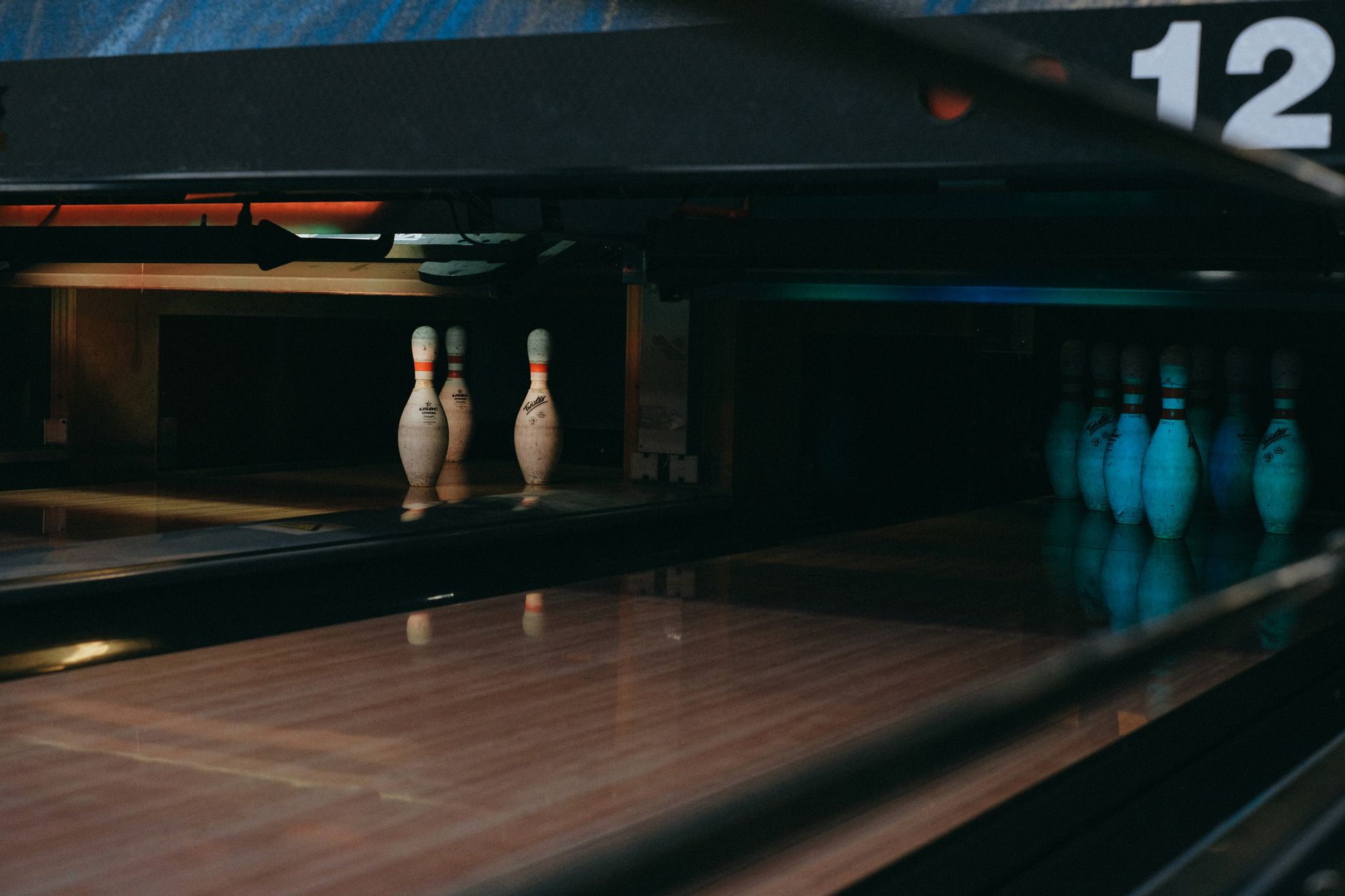
Cleaning robots for bowling centers take over the wide, hard floor work that repeats every night. They scrub and vacuum concourses, arcade paths, and open lane areas while the building is quiet, so the first guests see dry, consistent floors instead of yesterday's spills.
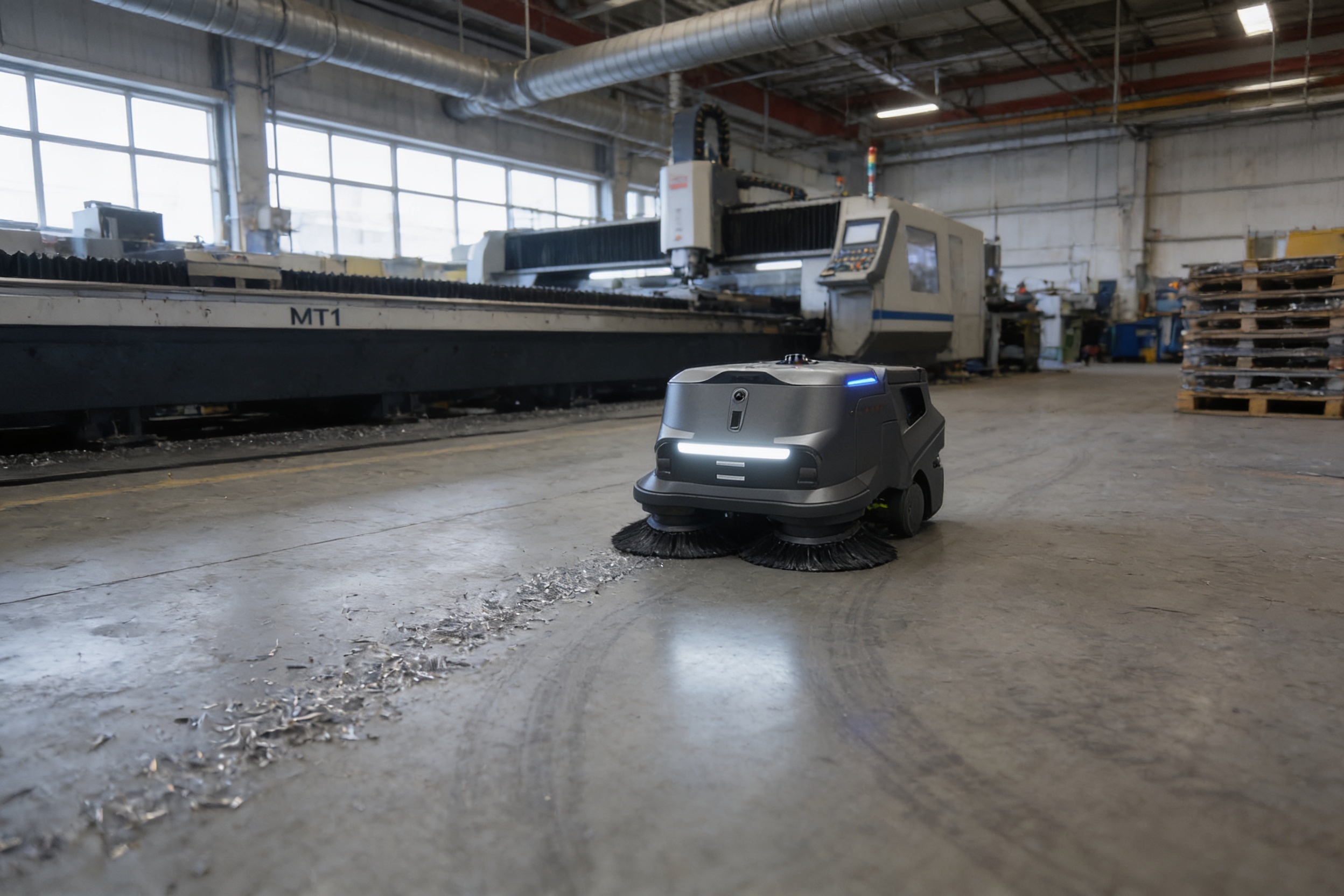
Bowling floors mix lane oil mist, shoe dust, snack crumbs, and sticky soda rings. A floor cleaning robot follows mapped routes with sensors, so it keeps pace in long corridors without asking anyone to push a heavy machine for hours.
The robot does not replace your whole team. It handles the long straight runs so porters can focus on lane approaches, ball returns, seating, and restrooms that need hands and judgment.
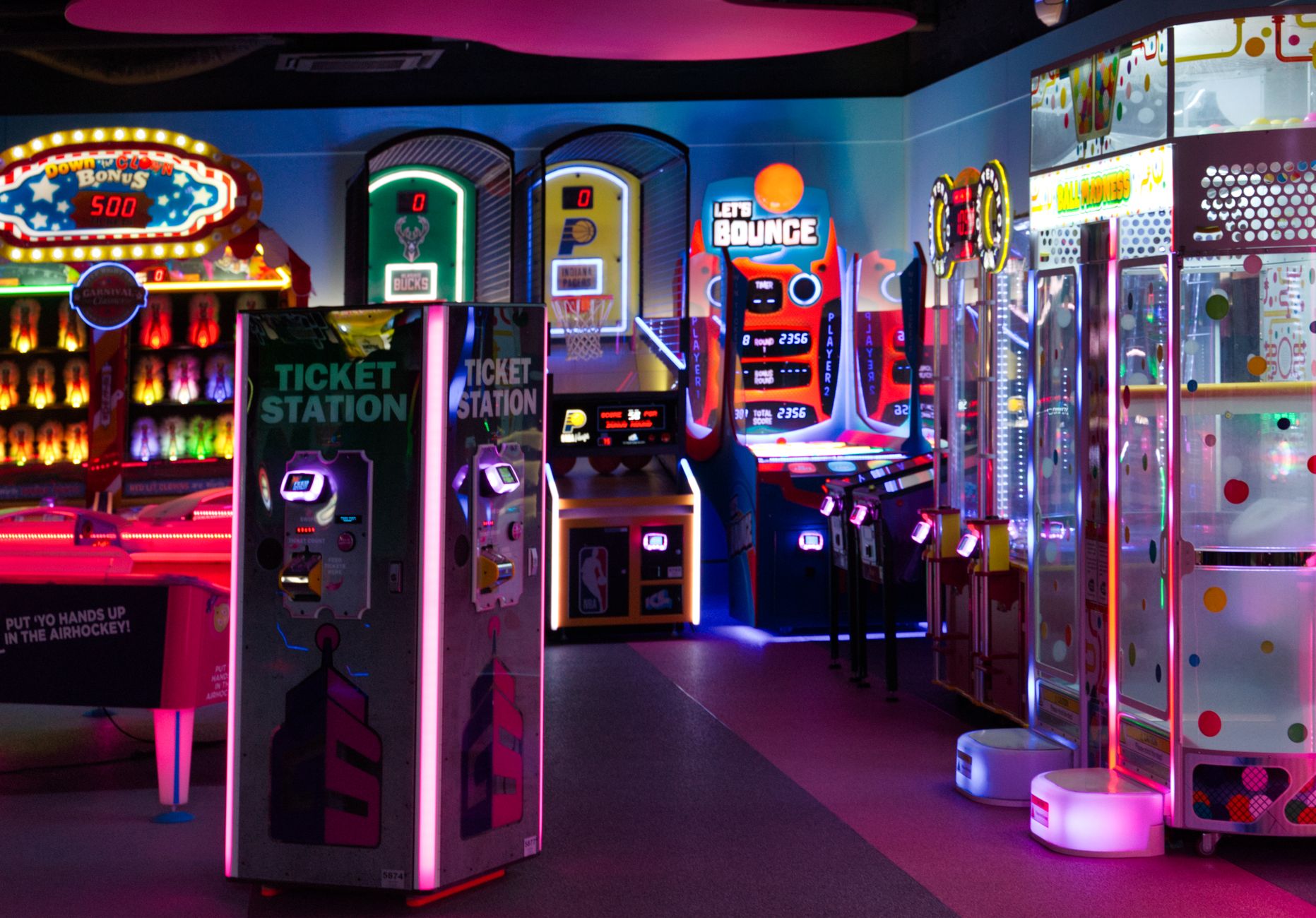
Centers that add arcade games, laser tag, or full kitchens inherit even more hard floor miles. A single mapped loop can cover thousands of square feet per shift, which is why autonomous scrubbers show up first in family entertainment sites that never truly go dark.
What makes floors at bowling centers hard to keep clean?
Guest traffic arrives in waves on league nights, birthday parties, and weekend open play. Each group tracks grit from parking lots, drops food near lanes, and lingers in the arcade where crumbs grind into tile.
Lane oil and pin deck dust drift into the approach area. Even when lanes themselves stay behind machines, the surrounding hard floor picks up a thin film that makes mopping feel endless.
According to a family entertainment center case study published by RV Robotics, a bowling and arcade operator cleaned about 212,000 square feet with an autonomous vacuum in two months across two guest zones, which shows how much floor area a single center can move through in a season.
Humidity from kitchens and soda fountains can leave tile tacky near the bar. Combined with shoe dust, that film shows up as dark paths along the concourse. Guests notice stickiness before they notice a scuff on the approach, so nightly scrubbing protects the experience as much as safety.
Where do robots run inside a typical center?
Most deployments start on guest hard floors, not on the wood lane surface itself. Concourse loops, arcade aisles, party room corridors, and entry mat zones are common first maps because they are wide and repeat nightly.
Kitchen and bar fronts may join the map where grease is managed with the right pad and chemistry chosen during site assessment. Locker hallways and shoe desk areas see less soil but still benefit from a consistent scrub on a schedule.
Operators often keep the robot off carpeted lounge pockets until a separate vacuum plan is set. That split keeps expectations clear for staff and guests.
Outdoor patios connected to the concourse may stay manual if slopes or drains fall outside the robot rating. Documenting those edges during mapping prevents surprises when rain pushes guests indoors.
What does a typical cleaning day look like?
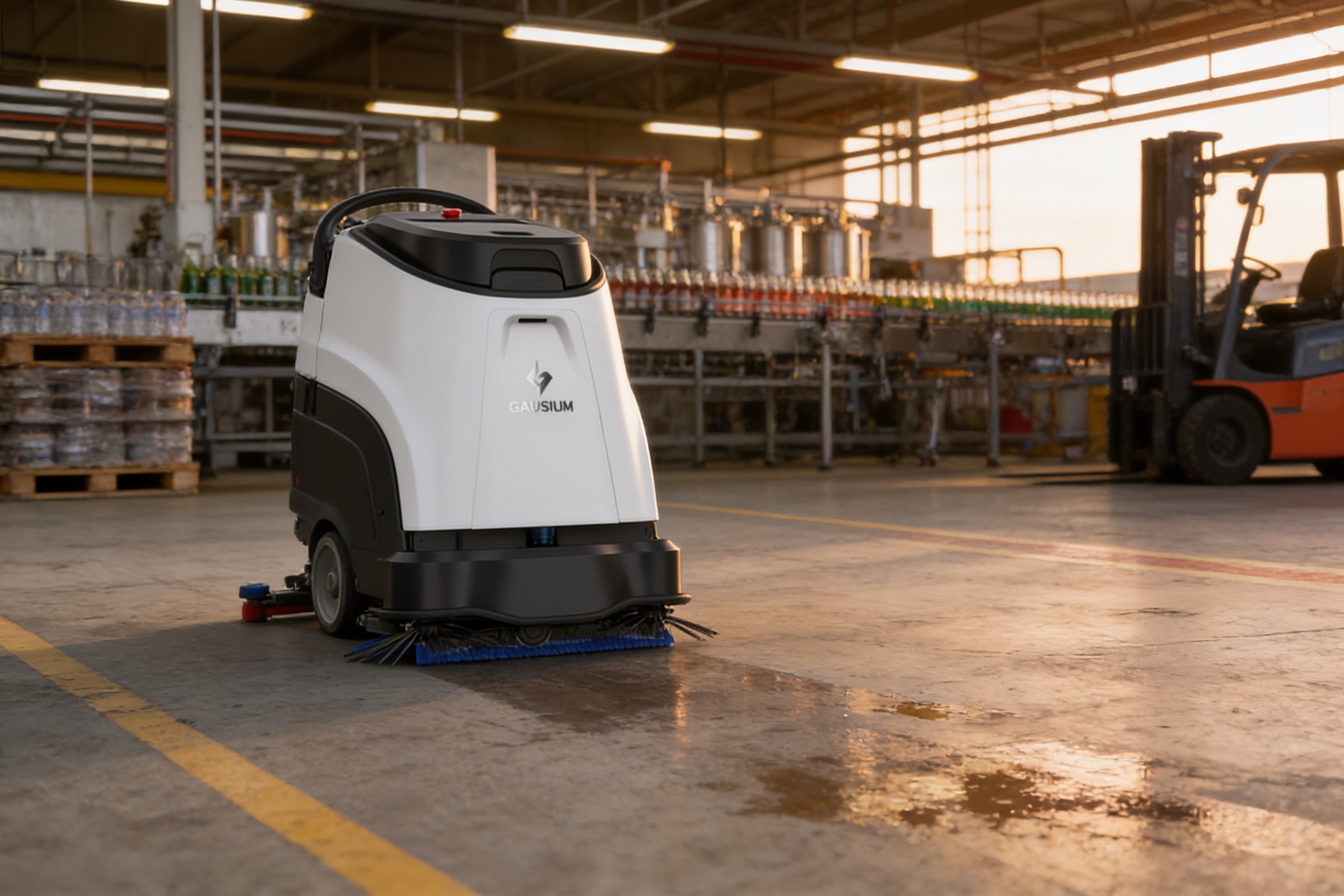
Centers that open late morning or afternoon usually run the robot after close or before the first shift arrives. The machine fills, scrubs mapped zones, returns to dump and refill, then parks on its charger.
Day staff handle spills as they happen with spot tools. The robot is not racing a birthday party in real time. It is resetting the baseline so spot cleaning stays small.
On busy league nights, some sites add a light vacuum pass on arcade tile before open while scrubbing stays on the overnight window. The schedule flexes, but the robot keeps the same routes unless you remap for a remodel.
Water fill stations should sit near a mop sink with approved drainage. Crews label clean versus dirty fill times on a whiteboard so opening managers know when the last scrub finished.
How do robots work with porters and leads?
Think of the robot as a steady third porter that never speeds through a sticky patch. Leads assign zones: the robot owns the long loops, humans own edges, furniture, and anything above floor height.
Training is short because the interface is mostly start, pause, and send to charge. Service partners monitor health remotely in many deployments, so on site staff are not debugging motors during peak birthday hours.
When a lane approach needs extra care, staff take that zone off the nightly map for a manual scrub. The split keeps guest safety first while still automating the boring miles.
Leads should walk the route once a week with the map on a tablet. Small furniture moves in the arcade are the most common reason to tweak waypoints before the machine bonks a prize counter.
What hours and labor patterns change?
Case accounts from entertainment operators describe dozens of manual hours replaced each month on large floor areas when a robot covers nightly vacuum or scrub cycles. Your site will differ by square footage, open hours, and how many leagues you host.
The gain is usually fewer repetitive walk behind hours, not zero staff. Managers redeploy time to opening checklists, party setups, and food service resets that directly affect reviews.
Because the robot runs when guests are gone, you avoid cord barriers on concourses during glow bowling or youth events. That timing alone can be worth the workflow change.
Track internal minutes spent on concourse mopping before and after go live. Even a twenty percent drop on a three person night crew frees hours for party prep without adding headcount.
What should you not expect from a floor robot?
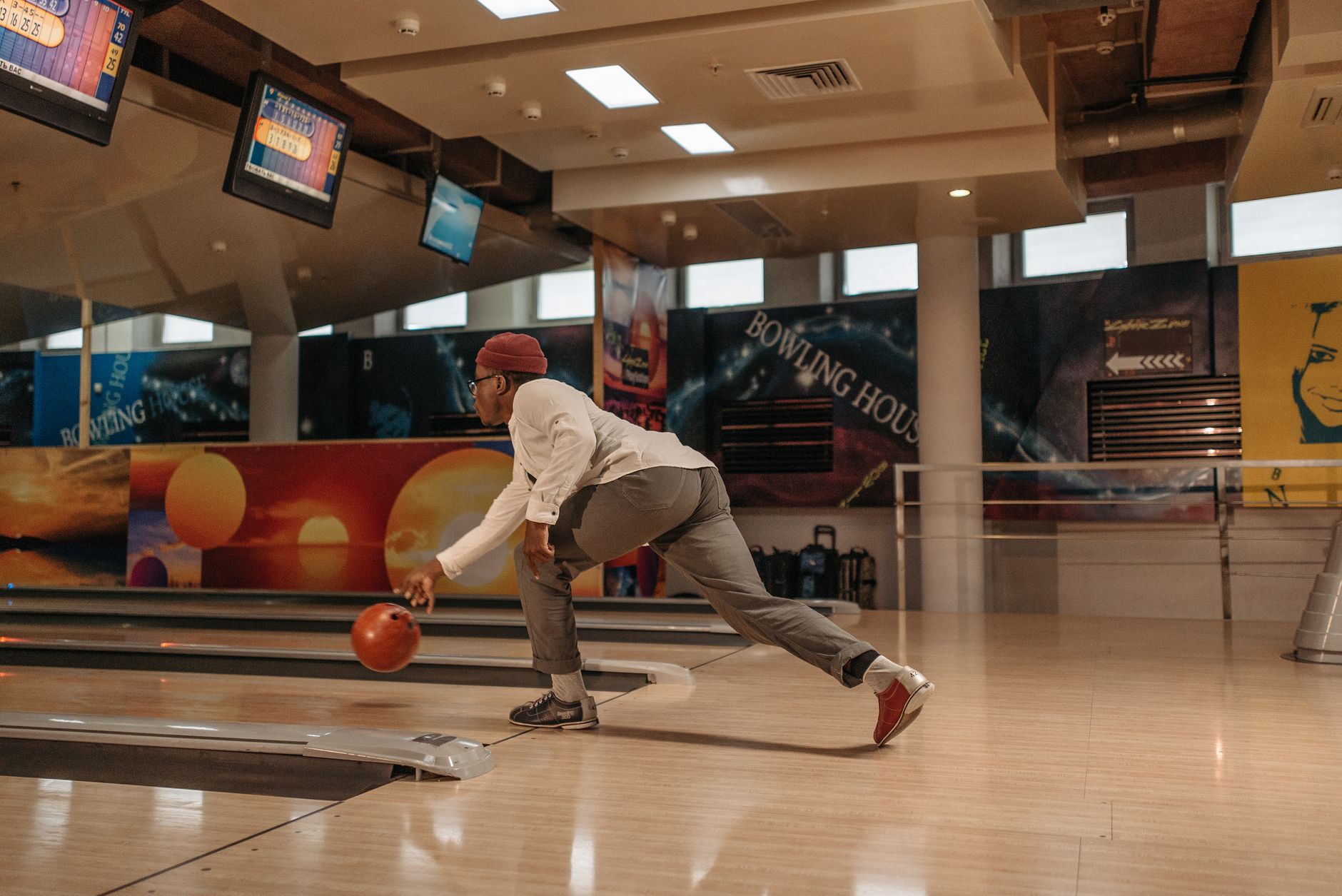
Robots do not clean the lane wood, pin decks, or gutters. Those stay on your existing lane machine and house protocols.
They will not detail arcade game bezels, wipe tables, or restock shoes. They also will not climb stairs or cross loose entrance mats unless you configure safe transitions during mapping.
Heavy construction dust after a remodel needs a one time manual recovery before autonomous routes resume. Planning that pause avoids false fault alerts.
Cosmetic scuffs on baseboards and lane furniture still need human polish. The robot improves floor reflectivity, not the entire guest sightline.
How does financing and deployment work?
Service Robot Co. acts as a commercial robot integrator in the United States. We match machine size and chemistry to your floor types, lease the unit through financing, map routes with your leads, train staff, and service the fleet nationwide.
A free site assessment comes first. We walk concourses, measure doorways, note ramps, and list which zones should be night scrubbed versus day spotted.
After go live, you receive a quote that reflects your square footage, schedule, and accessory needs. There is no public price list because every center layout differs.
Service visits include pad changes, software updates, and remote health checks. Your staff keep a single integrator phone number instead of chasing multiple vendors when a squeegee wears out during league playoffs.
How do you get started?
Bring a simple sketch of open hours, league nights, and the zones you want automated. Photos of typical spills and your current closet of machines help integrators pick pad pressure and tank size.
Pilot routes often start with one concourse loop plus arcade aisles. When staff trust the schedule, you expand to party corridors or secondary bars.
Request a free site assessment to see if cleaning robots for bowling centers fit your floor plan and staffing model this season.
Share league calendars and party booking peaks so routes avoid the hour when coaches still practice. A good map respects how your building actually breathes through the week.
What should managers measure after go live?
Start with guest comments about stickiness near the arcade and shoe desk. Those two zones generate the most informal complaints when floors lag behind traffic.
Log how many labor hours your closing crew spends on hard floors for two weeks before automation and two weeks after. Most centers see the drop on concourse loops first because that path is the longest.
Track slip and fall paperwork even if incidents are rare. Cleaner, drier tile at open supports your safety story with insurers and municipal inspectors who visit busy family venues.
Finally, note whether league representatives mention smell or appearance when they renew. A brighter concourse does not fix lane conditions, yet it signals that the house takes guest comfort seriously during long seasons.