
Key takeaways
- Repeat fastening, connector seating and test-fixture loading are the steps that stretch as small-batch drone orders grow.
- A cobot works beside an operator, so one cell can take the repeat motions while people keep the varied work.
- The savings come from hours your team already spends on repeat steps, so measure that baseline before you plan.
- Robots are leased through financing, and the payment comes in a quote after a free site assessment.
- A cobot always works with existing staff, never on its own.
Can cobots for drone manufacturers really help small-batch assembly?
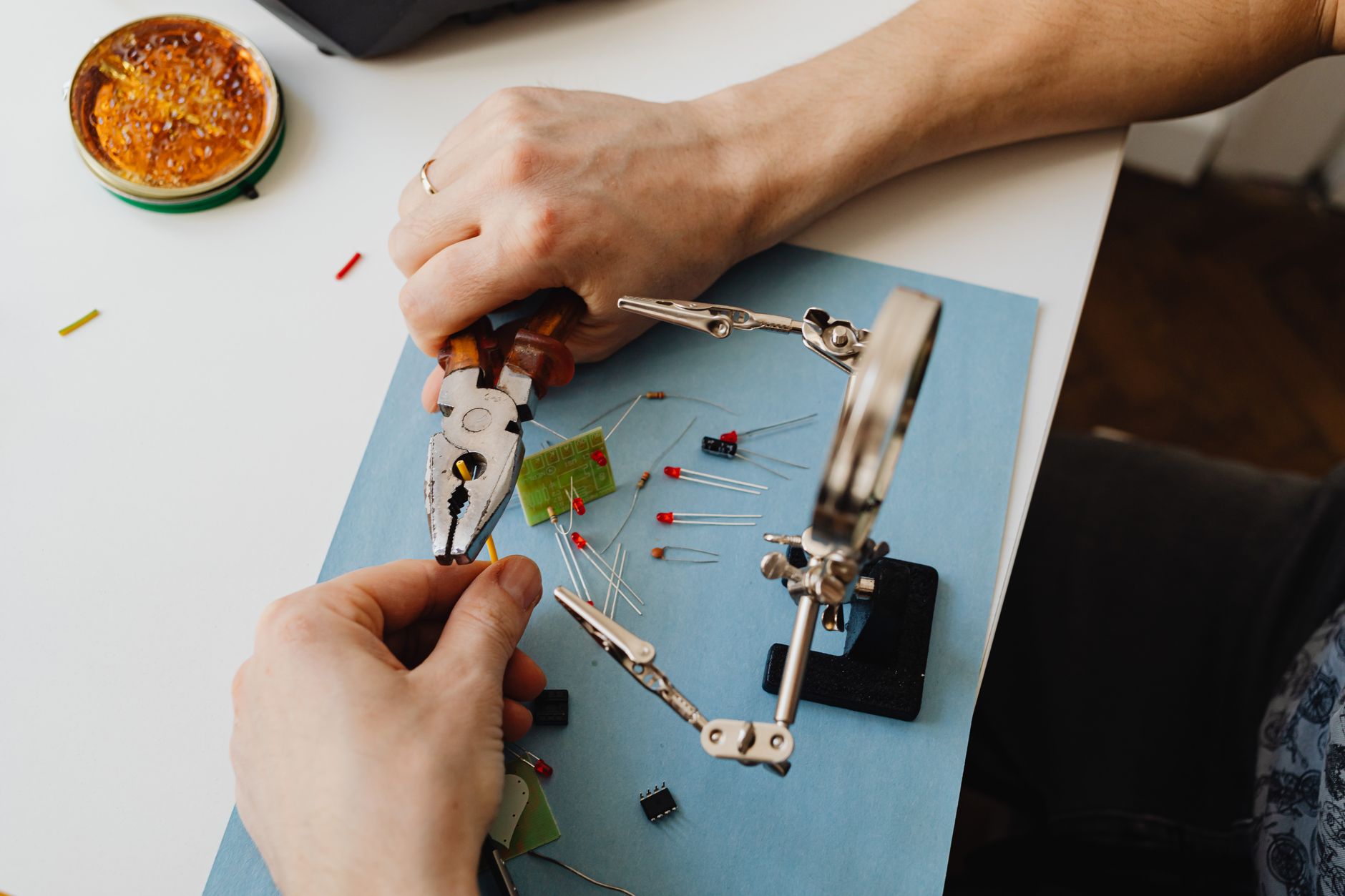
Yes, in the places where the same steps repeat inside a changing batch. Many drone builds run in small lots with frequent configuration changes, and the steps that stretch as orders grow tend to be the same few motions repeated on every unit: driving fasteners into the same pattern, seating connectors and loading test fixtures before each functional check. Cobots for drone manufacturers are aimed at exactly those steps.
A collaborative arm is built to share a workspace with a person. At an assembly cell it can take the repeat fastening or connector seating while the operator places the part, checks alignment and handles the work that varies from unit to unit. The operator stays at the bench, and the cell keeps its pace when batch counts rise. That is the main reason cobots fit this kind of plant better than a fenced industrial arm.
The honest limit is that a cobot does not make a small-batch line automatic. A University of Genoa research record notes that parts assembly is one of the hardest operations to automate in small-batch, highly customized production, and that it often still relies on human versatility. The realistic goal is a cell where people and an arm share the load, not a line with nobody on it.
What does assembly look like at a drone plant today?
The workforce is modest, and by one count the number of businesses is shrinking. A US market research estimate puts UAV manufacturing employment at 9,254 in 2025, up 1.0% that year, with 2.1% average annual growth from 2020 to 2025. The same estimate counts 49 businesses in 2025, down 3.9% from 2024.
For an operator, those figures describe a small group of firms that have to flex production without adding a full shift each time a customer changes the spec. Market research estimates are not government data, so read them as direction rather than precision. They still point to the daily pressure many shops feel: each new order brings the same repeat steps back to the bench, and the people who can run them are needed for the harder work as well.
On the floor, that pressure shows up at the cell. An operator fastens the same pattern, seats the same connector and loads the same fixture across a batch, then changes configuration and starts again. Each changeover takes time, and repeat work does not get faster just because the batch got bigger.
What are the main benefits for a drone manufacturer?
The main benefit is steadier cell output as batch counts rise. A cobot doing the repeat fastening and connector seating keeps the same pace on the last unit of a batch as on the first, while the operator spends attention on the parts that need judgment. Several gains follow from that.
None of these gains are guaranteed. They depend on how well each step is defined, how stable the part presentation is and how the cell is laid out. Treat them as the things to test in a pilot, not as results to promise.
- Less repeat motion for operators on the same fastening and seating steps every shift.
- Repeatable placement of each fastener and connector, which gives the test team a more predictable starting point.
- Test fixtures loaded on time, so functional checks do not wait for a person to reach the bench.
- Faster reconfiguration on short runs, according to vendor-written trade articles, which give general claims without measured data.
How does a cobot work at an assembly cell day to day?
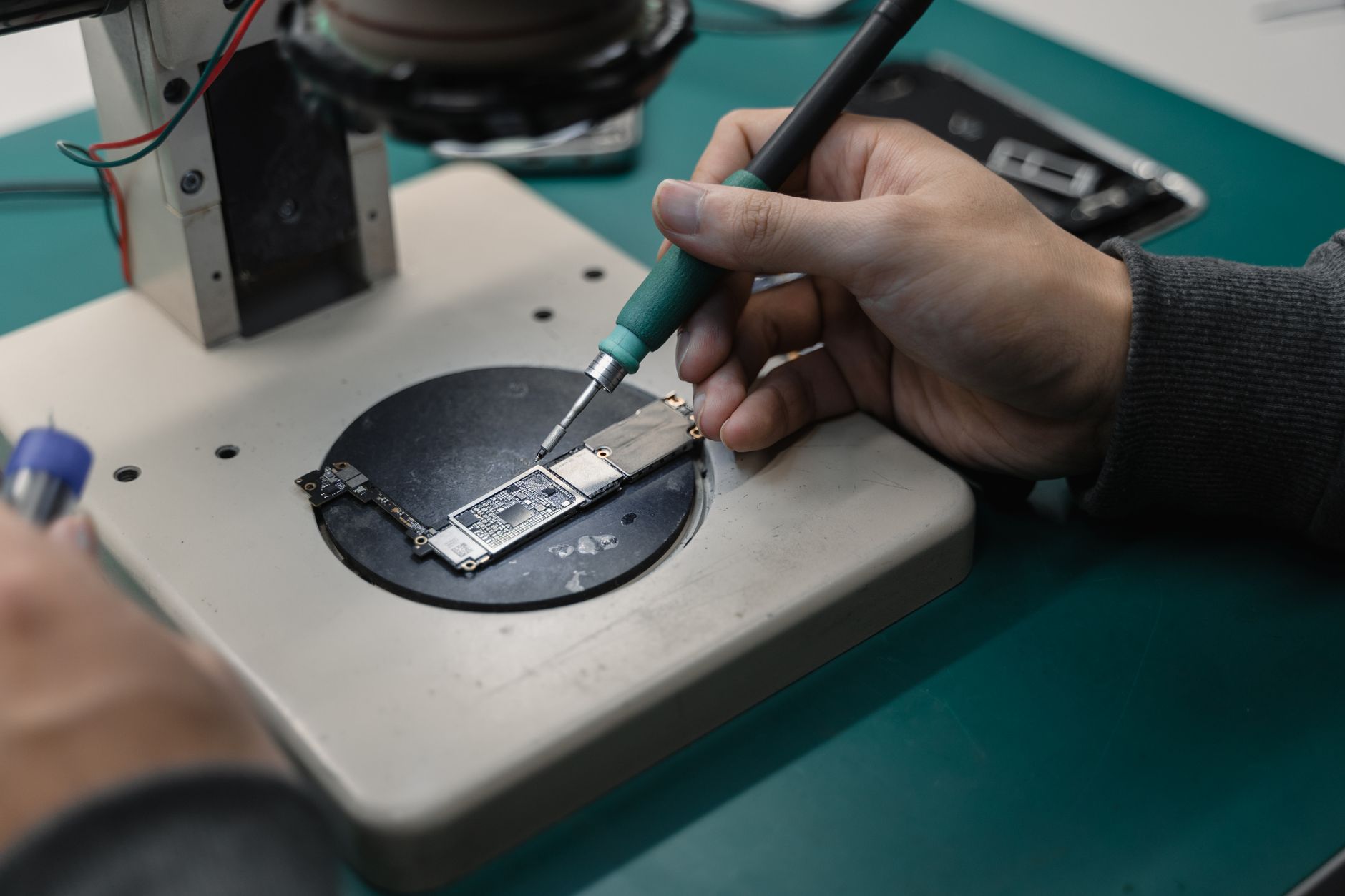
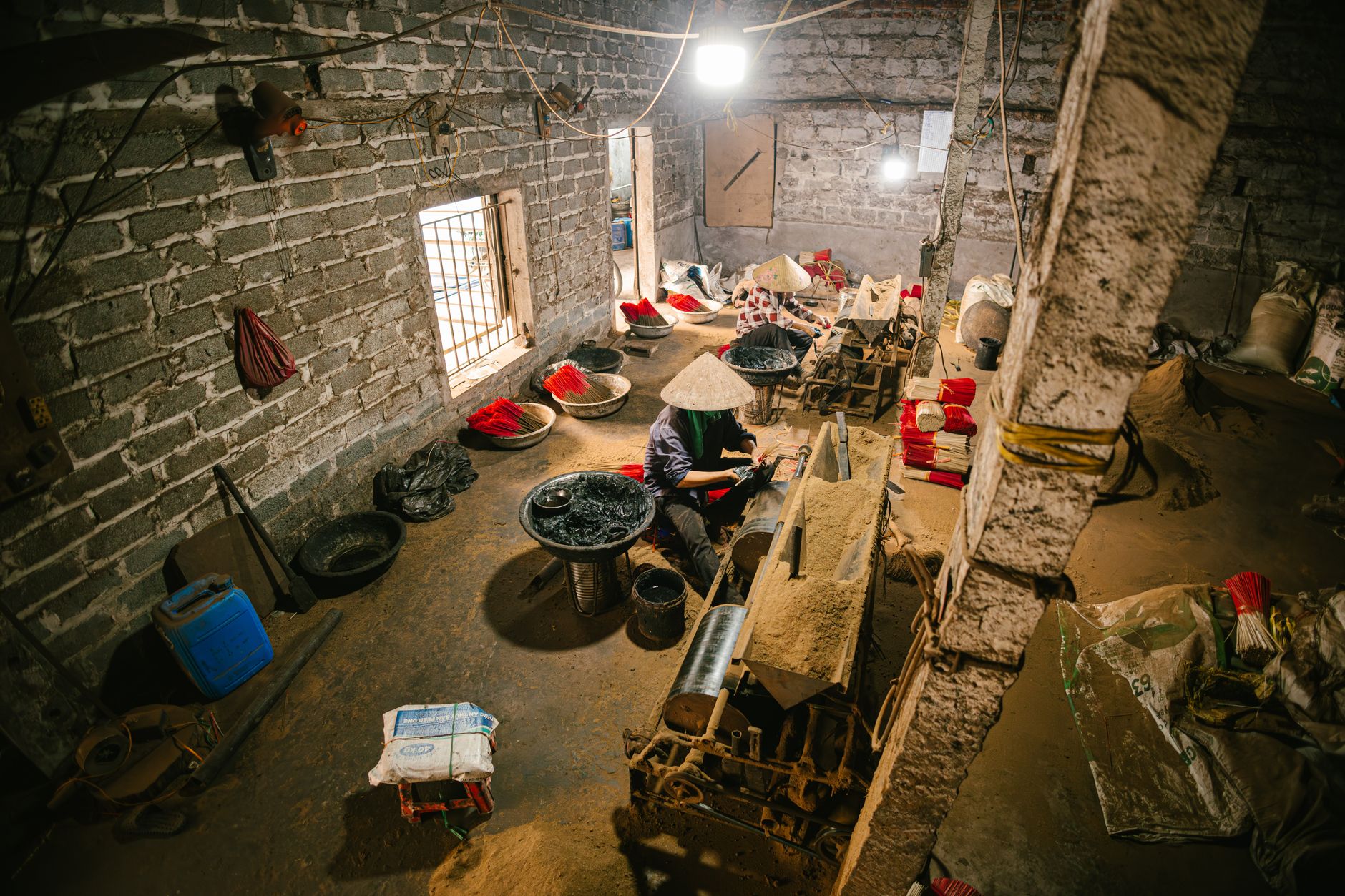
A typical day starts with the cell set for that day's configuration. The operator loads the part into a fixture or nest, the cobot positions the fastener or connector using a program that was taught for that step, and the operator checks alignment before moving the unit along. When the repeat step is done, the operator loads the unit into the test fixture and it goes to functional check.
Changeovers are where the day is decided. Switching from one airframe layout to another means swapping the fixture, loading the matching program and confirming the first unit before the batch runs. Cobots suit this work because their programs can usually be changed without rebuilding the cell, though a changeover still takes the time it takes.
Most of the research is still at prototype stage. A 2024 paper in the journal Machines describes a cobot station for machine-parts assembly that was validated experimentally, but it reports no production figures. Read that as proof the approach works in principle, and test it on your own parts before you assume the same result.
Which areas of a drone plant does the robot work in?
A cobot earns its place where a step repeats, the parts arrive in a consistent presentation and an operator is close by. In a drone plant that narrows the work to a handful of stations rather than the whole building. The zones below show where those conditions usually meet.
Keep the robot away from work that needs judgment on each unit, such as first-article review of a new airframe or tuning of a flight controller. The best candidates sit in the middle of the line, where repetition is high and handoffs are frequent, and where a steady pace on the repeat step helps the whole batch.
How does a robot work alongside existing staff?
A cobot does not replace the assembly team. It takes the repeat motions at one station while a person keeps the work that needs eyes and hands on each unit. Every cell we deploy keeps at least one person at the station, and the arm never works on its own.
We are a vendor neutral robot integrator, so we pick the right robot for the site rather than the one we happen to carry. We deploy and integrate the unit, train the people who will run it and service it nationwide. The team keeps its operators and its cell, while the arm takes on the step that repeats.
The first weeks go best when one cell starts the project and the team learns the changeover routine before a second cell is added. That is how a robot pilot program usually works: start with one leased unit, measure the repeat hours and decide the next step from your own data.
What drives the savings, and how do you measure them?
The savings come from the hours your team spends on repeat steps today, not from a figure someone else publishes. We have not found a verified figure for hours spent on fastening, connector or test-fixture loading at drone plants, so this page does not give one, and we will not promise a number. Your own log is the honest starting point.
The hours come from three places: the repeat step itself, the time operators spend waiting on a fixture or a changeover, and the rework that follows inconsistent placement. Log each of them on the cell you plan to change, over a representative stretch of production, and you will have a baseline that matches your work.
The occupation around this work is projected to keep growing. According to an occupational data site that cites federal BLS data from May 2025, employment for electrical, electronic and electromechanical assemblers is projected to grow 4.6% through 2033. That projection covers the occupation across industries, not drone plants, but it suggests skilled assembly labor will stay in demand.
The robot side of the market is also growing. According to the International Federation of Robotics, collaborative robots reached a 10.5% share of industrial robots installed worldwide in 2023. Its president's report puts 2025 collaborative robot installations at 66,000 units, about 11% of the 603,000 total industrial robot installations in that report. Those figures show a maturing category, not the hours a given cell will save.

What can a cobot not do at a drone plant?
A cobot cannot judge if a unit is good. It does not notice a bad solder joint or a cracked housing unless a sensor or a person is watching for it. First-article review, troubleshooting and decisions about tolerance stay with your team.
It also does not handle very large or very heavy parts, and it works best within the reach and payload it was chosen for. Nor can it fix a bad parts supply. If kits arrive wrong, the arm will place the wrong part faster.
The limit that matters most is variety. A cobot runs well when steps are defined and part presentation is stable. Highly customized, one-off work still relies on people, which is the point the research on small-batch assembly keeps returning to.
How do you get started with a cobot lease?
Start with a free site assessment. We look at the cell, the parts, the batch pattern and the people who will run the station, then recommend the robot that fits the work. The lease is quoted after that assessment, so the payment comes in the quote, based on your floor rather than a generic plan.
Robots are only leased, through financing, which can reduce the upfront outlay for a shop that is growing into automation. Once a unit is in, we handle deployment and integration, go live support, staff training and service. Service runs nationwide with on-site dispatch and remote triage when something stops, and in the quote we can discuss spare unit coverage for cells that cannot stop.
Before you sign, ask for the repeat-hour baseline, the changeover plan and a written service schedule. A good partner will be as direct about what the cell will not do as about what it will, and a pilot on one leased cell is the cleanest way to find out what your parts need.
Frequently asked questions
Upcoming manufacturing events
- Trade showBrats & RobotsNov 10, 2026Alliant Energy Center Exhibition Hall, Madison, WI
- Trade showMATE Farm & Ranch ShowFeb 11 to 13, 2027MetraPark, Billings, MT
- ExpoPFMA Expo 2027Feb 17 to 18, 2027Washington County Fair Park, West Bend, WI
- ExpoLouisville Facilities Maintenance ExpoApr 15, 2027Mellwood Art Center, Louisville, KY
Want a cobot at your drone manufacturer?
Tell us about your site. We will recommend the robot, quote the lease, and keep it serviced.
Sources
- US UAV manufacturing employment estimate
- US UAV manufacturing business count estimate
- International Federation of Robotics president's report
- Industrial robot installations summary for Europe and the world
- University of Genoa research record on small-batch assembly
- 2024 Machines journal paper on a cobot assembly station
- Vendor-written article on cobots in small-batch assembly
- Occupational data for electrical and electronic assemblers