
Key takeaways
- Stock cart trips between the backroom and the sales floor repeat all shift, which makes them a good fit for a delivery robot.
- Staffing is hard in grocery, with one retail research report putting grocery employee turnover at 69%.
- The robot handles the cart route, while staff still stock shelves, face product and help customers.
- Savings come as hours moved off cart trips, and they are measured on your own routes before any quote.
- Start with one leased unit on one route after a free site assessment, then add units only if the route earns it.
How can delivery robots for grocery stores help with stocking?
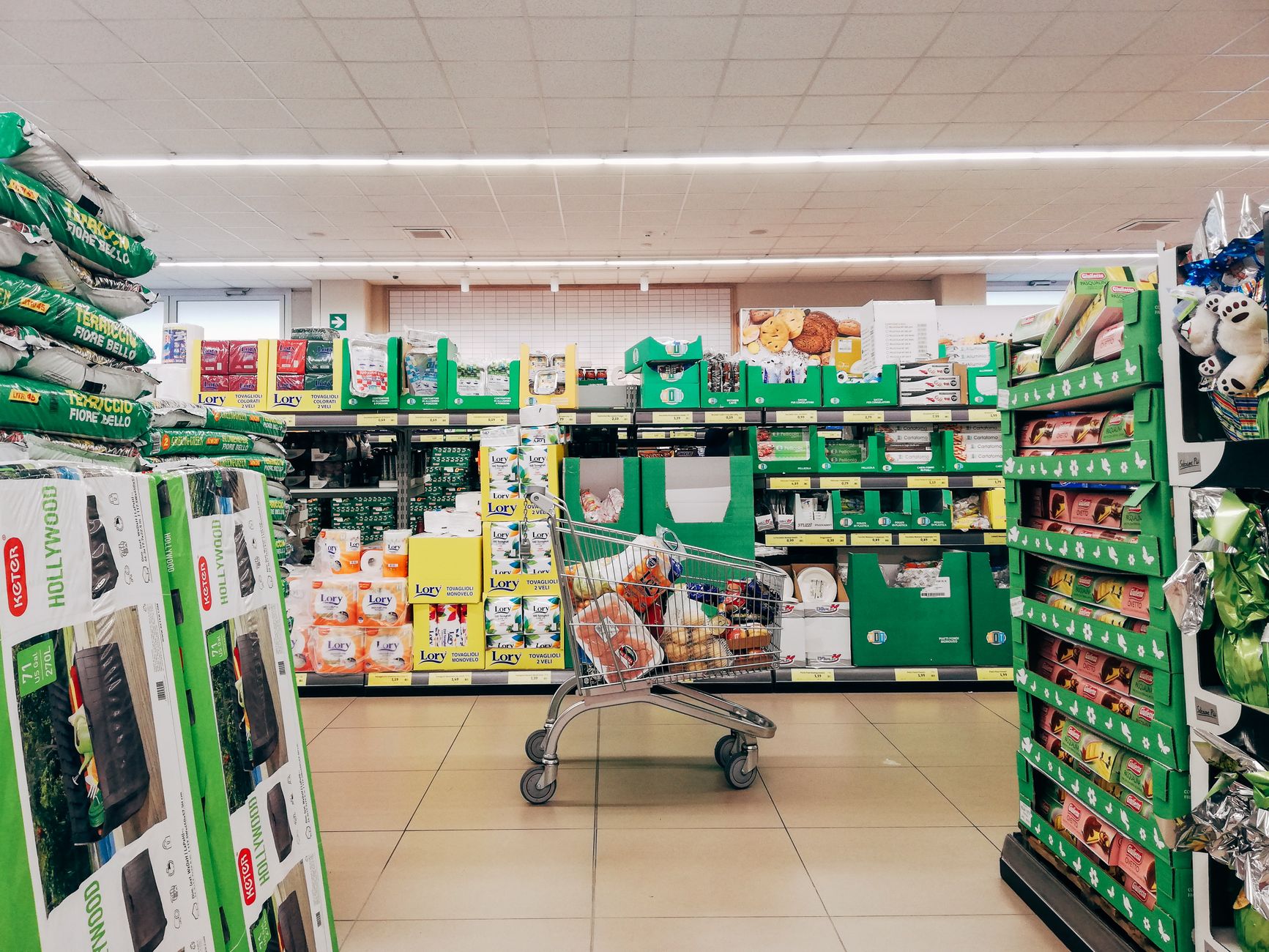
Delivery robots for grocery stores take on the repeat trips a stocking team makes all shift. Loaded carts go from the backroom to the sales floor, and empty carts come back. Those trips follow the same few routes every day, which makes them one of the easier store jobs to hand to a robot. The robot runs the route during open hours while people stay on the shelves.
The point is not that the robot stocks shelves. It moves the cart so the person who knows the product can spend more of the shift facing, restocking and helping customers. For most operators, the first question is how regular and how long the cart routes are. A free site assessment answers that by mapping the actual routes in the store.
What is the problem at grocery stores today?
Stock clerks walk a lot in a shift. A loaded cart leaves the backroom, gets pushed to an aisle, and the clerk walks back for the next one. Every trip takes a person away from the shelf they are supposed to be filling, and the same trip happens again and again through the day.
The trips also bunch up. A delivery or a weekend restock can leave a line of carts waiting at the backroom door, and the stocker who should be facing product ends up pushing carts instead. A route that runs on a fixed schedule takes that pressure off the people on the floor.
Staffing makes the problem harder. According to a retail research council report on 2023 data, as summarized by a news site, grocery employee turnover was 69%, against 45% for the total retail industry. According to FMI, in a report covering 2021, food retail employee turnover was 48%. Each departure means someone new has to learn the routes, the cart handling and the backroom layout. According to Grocery Dive, reporting on FMI research, 80% of food retailers say hiring issues are hurting business.
Labor is also a large share of what a store spends. According to a 2025 financial study by FMS and National Grocers Association, labor and benefits reached historic highs in 2024, at 16.3% of sales combined. For operators, the goal is getting the same stocking done with the people they can keep and schedule. According to IBISWorld's 2025 estimate, the US had 76,320 supermarket and grocery store businesses, up 0.9% from 2024, while another page from the same firm lists 78,680 because its figures are revised over time.
What are the main benefits for grocery stores?
The main benefit is more time on the shelf. When a robot covers the cart trips, the same stocking team spends less of the shift walking and more of it facing product, filling gaps and checking the sales floor. Several benefits follow from that.
These benefits depend on the store. A store with long, repeated cart trips gets more from a robot than one with a small backroom and short walks. We check that in the site assessment before anything is recommended.
- More of each shift goes to shelf work, not to cart trips between the backroom and the aisles.
- Restock timing becomes more predictable, since the same route runs at set times.
- A short-staffed shift keeps some stocking flow, because carts still move along the route.
- Traffic between the backroom and aisles follows fixed lanes, which is easier to plan around.
How does the robot work there day to day?
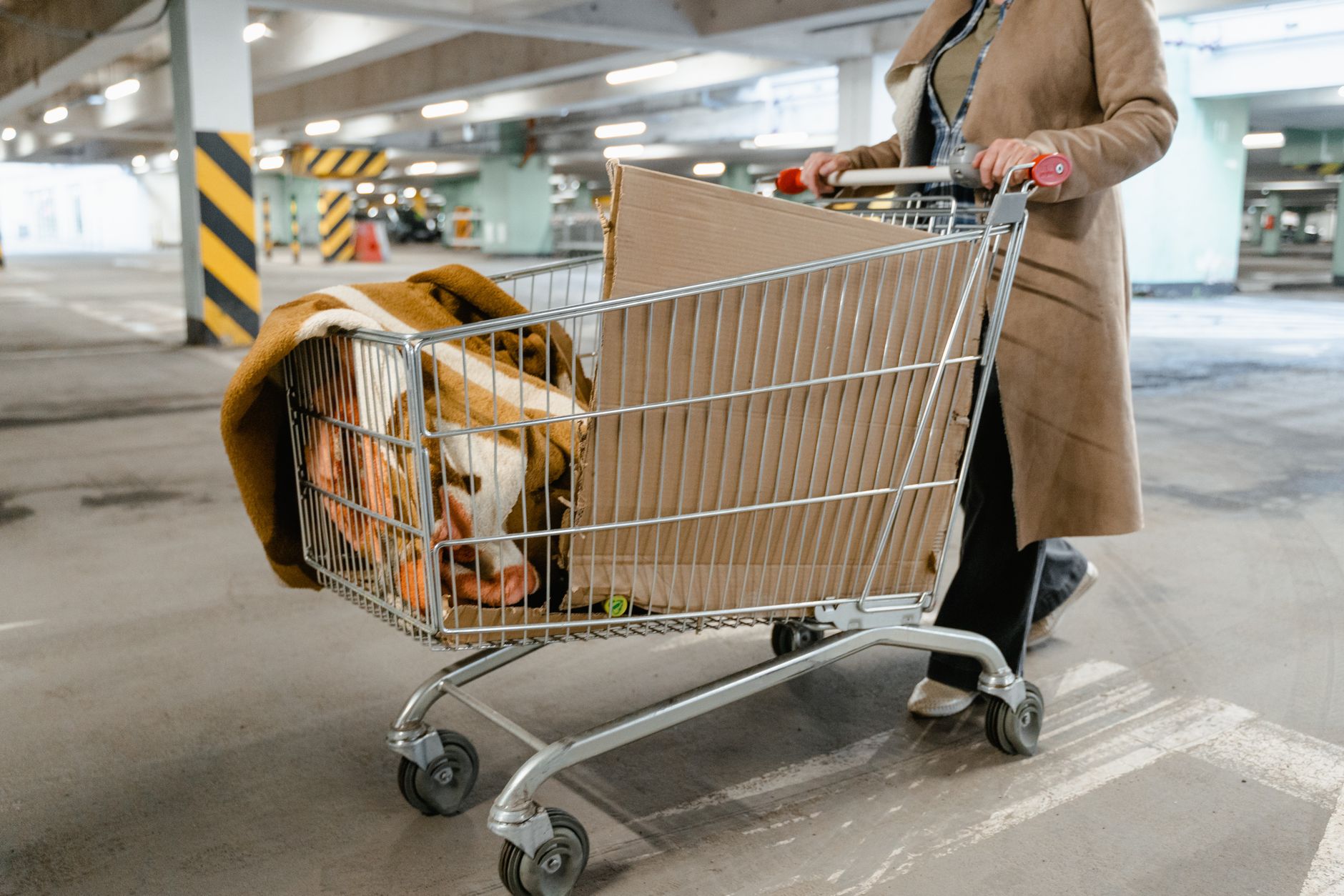
A typical day starts with staff loading a cart at a set staging spot in the backroom. The robot takes the cart along its mapped route to the aisle end. Staff unload the cart, stock the shelves and send the empty cart back. The robot returns to the staging spot for the next load, and the cycle repeats through open hours.
Routes are mapped during the site assessment, and staff agree on loading points, stop points and the times the route runs. Those choices matter as much as the robot itself, because a route that fits how the stocking team works is what makes the trips count.
When a path is blocked by a person or an object, the robot is set up to stop and wait rather than push through, and staff clear the path. Someone on the team should watch the route during the first weeks after go live, when adjustments are most likely to be needed.
Which areas of a grocery store does the robot work in?
The robot works on the paths between the backroom and the sales floor, and along any repeated route staff use to move stock. In most stores the useful routes are a short list, and the zones below are where we start looking.
Staff should also decide where carts wait. A staging spot in the backroom with a clear path to the route keeps the robot from sitting idle, and a second staging spot near the front end can cover the supply carts the team needs at the registers.
The robot does not work in every area. Coolers, freezers and tight corners depend on the layout and on how the stocking team already works, so those are checked during the assessment rather than assumed.
How does the robot work alongside existing staff?
The robot does not replace the stocking team. It works alongside a smaller team, and the store still needs people on every shift to load carts, stock shelves, face product and help customers. What changes is who walks the cart trips. According to a career guide summarizing BLS projections for 2022 to 2032, the stock clerk role is expected to have about 330,000 openings a year, with growth of 1%, so the hiring and training work does not end.
We deploy and integrate the unit, train staff on loading, unloading, clearing paths and what to do when the robot stops, and service it nationwide. The people closest to the shelves know which items move fastest, so they stay in charge of what goes onto each cart.
What drives the savings?
Savings come from hours. The main driver is the cart trip time that moves from people to the robot. Other drivers include fewer gaps when a stocker is out, less route training for new hires, and a shift plan that fits the work better. These are real, but they vary from store to store, so we measure them rather than assume them.
We do not have a sourced range for hours per shift for this task, so we do not quote one here. Your own routes, cart counts and shift times give the answer. During the site assessment, we count how many cart trips a day your store runs and how long each one takes, then work out the hours that could move.
The labor context is real. Labor and benefits were 16.3% of sales in 2024 according to the FMS and National Grocers Association study, so even modest time savings on repeat tasks are worth tracking. No savings are promised here, and the payment comes in the quote, measured against the work your store actually needs.
What can the robot not do?
The robot moves carts on a set route. It does not pick orders, face product, stock shelves or decide what to reorder. It also cannot carry loads outside its rated weight, and it cannot work on a route that has not been mapped and cleared.
It also does not decide what goes on the cart. Staff choose the loads, and a badly loaded cart cannot be fixed by the route. Any change to the layout, such as a moved freezer case or a new endcap, means the route is reviewed before the robot runs it again.
Trade press has also reported that retailers are testing store robots to support fulfillment operations, according to Digiday. That is a different job from cart delivery on a sales floor, and it is not part of a cart route lease. Inventory and pricing work is a separate project as well.
Because the robot depends on clear paths, it will stop when people or objects block its route. Stores with crowded backrooms or constant changes to the layout need a plan for that before the route goes live.
How do you get started?
Start with a free site assessment. We map the cart routes, count trips, check the backroom and aisle layout, and agree on which route makes sense first. This is robot leasing for business through financing, and the payment comes in the quote after the assessment, so you see the full picture before you decide.
Many operators start with one leased unit on one route and add units only if the first route earns its place. Phased deployment is planned to avoid closing the store, with go live support for the first weeks. Maintenance runs under a robot maintenance service plan, with remote triage first and on-site dispatch when a unit needs attention. Spare unit coverage helps keep a route running while a unit is out for service.
If your store runs long, repeated cart trips and you want to test one route, the next step is the assessment.
Frequently asked questions
Want a delivery robot at your grocery store?
Tell us about your site. We will recommend the robot, quote the lease, and keep it serviced.