
Key takeaways
- Backroom walks pull associates away from customers, and a delivery robot can take over the transport leg.
- Staff still receive, load, shelve and help customers, so the robot works beside the team, not in place of it.
- Savings come from the transport hours your own team logs, which a free site assessment measures before any quote.
- Robots are leased through financing, and the payment comes in the quote after the site assessment.
How can delivery robots benefit retail stores?
Delivery robots for retail stores take over the repeated walk between the stockroom and the sales floor. In most stores, an associate loads a cart or tote, pushes it down the back corridor, through a door and into the aisle, then makes the trip again for the next load. A delivery robot can carry that load along the same route, so the person who would have walked it stays on the floor.
The main benefit is time. Staff spend more of their shift with customers, helping them find a size, answering questions and handling returns, instead of pushing carts. Restocking also becomes steadier, because the robot runs the same route on a busy Saturday and a quiet Tuesday alike.
Delivery robots do not replace the people who put product on shelves. They move the material to the right place and wait there, and the team still does the work that needs judgment. The sections below cover what that looks like on a real store day, where it fits, and what it cannot do.
What slows down restocking on the sales floor today?
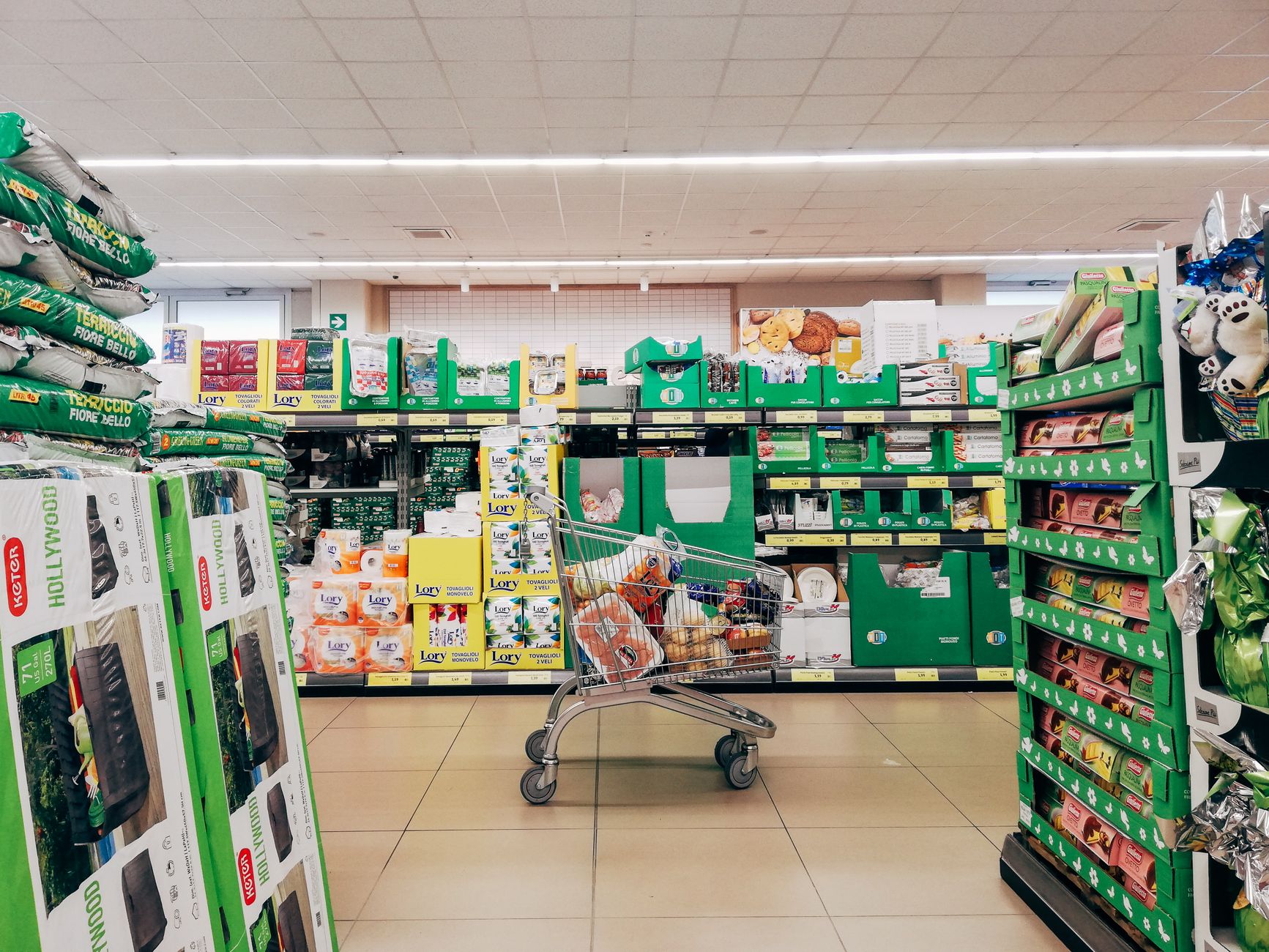
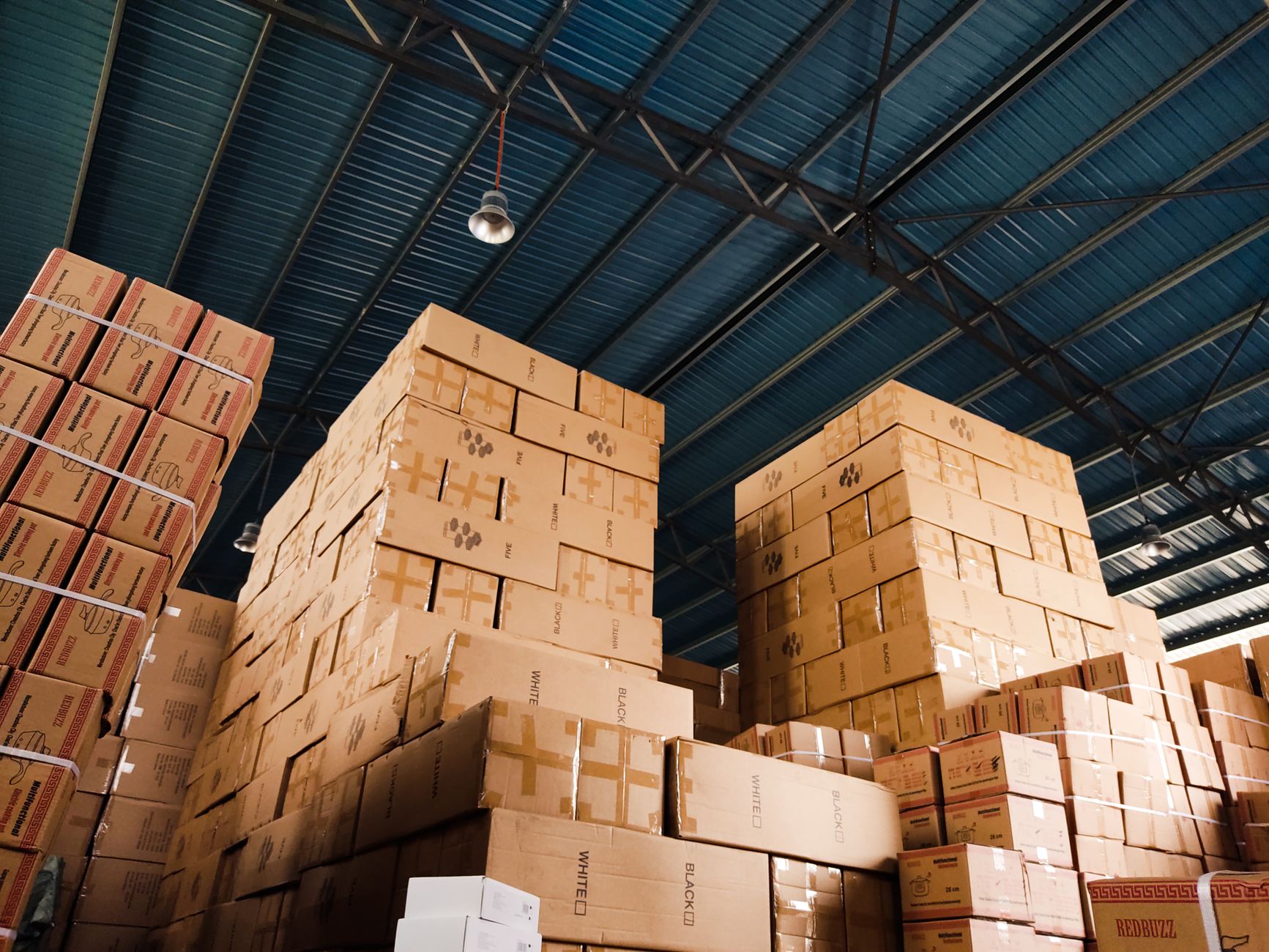
Restocking usually starts in a back room that was never laid out as a route. Product arrives on pallets, gets broken down, and gets carried out by hand, often in several trips per aisle. Each trip takes an associate away from the registers, the fitting rooms and the customers who need help.
The time loss shows up in more than one place. According to a 2017 report from a retail technology vendor, store associates at retailers that monitor activity typically spend about 30 percent of their time managing inventory and replenishment in the back of the store. A retail operations article cites a 2023 vendor study saying nearly 76 percent of retail associates say inefficient backroom operations affect how quickly they restock shelves.
Both figures come from vendor reports and a secondhand citation, so treat them as a direction, not a benchmark for your store. The number that matters is the walking your own team does, and a site assessment measures that before anything is proposed.
What are the main benefits for store operations?
The first benefit is that staff hours move back to the floor. When the robot handles the transport leg, the associate who used to push the cart can help a customer find a size, check a shelf label or take a return at the counter. Those are the moments customers remember.
The second is steadier restocking. A robot runs a set route at the same pace on every shift, so shelves get filled on a predictable rhythm, and managers can plan the day around that instead of asking who is free.
The third is fewer handoffs. Product that moves on the robot does not sit on a cart in a corridor, and staff spend less time searching for the right pallet or tote. Fewer trips through the same doors can also cut the foot traffic between the back room and busy aisles.
How does the robot work day to day in a store?
Most days start with a staff member loading the robot at the stockroom staging point. The team places a tote or cart on it, selects the destination aisle, and sends it. The robot follows the route mapped during the site assessment, and it stops when a person or object is in the way.
Between runs, the robot waits at its charging spot or a staging point, and the team can see what is coming next. Staff unload at the destination, shelve the product, and send the robot back for the next load. A lab study of a research prototype described the same basic pattern, with a mobile robot carrying goods to the target shelf and assisting staff with replenishment.
The robot does not decide what goes on which shelf. Store staff set the order of work, and the robot follows it. That keeps the load list in the hands of the team, which is also where a manager can reorder priorities during a promotion or a delivery surge.
Which areas of the store does the robot cover?
A delivery robot is most useful on the route between storage and the selling floor, and that route varies from building to building. Some stores have one stockroom and a single aisle layout. Others have a receiving dock, a mezzanine and a service elevator. The site assessment maps the actual route before anything is recommended.
The six zones below are where the robot usually works in a retail store. Each one has a clear job, and the route through the front of the store is planned around customer traffic, not the other way around.
Some areas stay with staff. Restricted rooms, cash handling areas and any zone your store closes to outside traffic stay off the route, and the robot never enters a space the site map does not allow.
What drives the savings, and how do you measure them?
The savings come from hours that move off transport and onto customer work. The labor pool behind that work is large. According to the Bureau of Labor Statistics, 2,872,680 people held stockers and order fillers jobs nationally in May 2023, so restocking staffing is a national question, not a local one.
The retail job openings rate also moved up between December and January. According to the BLS payroll series, US retail trade employed 15.95 million people in December 2025, not seasonally adjusted. The retail job openings rate was 4.0 in January 2026, seasonally adjusted, up from 3.2 in December 2025, according to the BLS job openings series. More open roles means more shifts for the team that remains.
Across all industries, the hires rate averaged 3.3 percent in 2025, down from 3.4 percent in 2024, according to the BLS JOLTS release. Slow hiring means a vacant role can stay open longer, so the team that remains carries the walking. The savings figure for your store should come from its own hours, which the site assessment times before any quote is given.
What can a delivery robot not do in a store?
A delivery robot does not stock shelves on its own. In the lab prototype described in one study, the robot carries goods to the target shelf and assists staff, which means people still place the product. Plan for that, and do not expect the robot to fill a shelf from start to finish.
It also does not handle every load. Heavy, oversized or irregular items may need a cart or a second person, and some stores have doorways, thresholds or tight corners that must be checked before a route works. Those limits show up in the site assessment, not in a sales brochure.
The research is candid about the barriers. A recent supermarket stocking preprint says adoption in retail remains limited by technical challenges, expense and complexity. We would rather say that before installation than after. Robots also need a charging spot, a clear route and a team that knows how to clear a blocked path.
How do you get started with a delivery robot?
Start with a free site assessment. We walk the stockroom, the dock, the aisles and any elevator or doorway on the route, and we time the transport work your team does today. From that, we pick the right robot for the site, and the lease is quoted after the assessment.
The robot is leased through financing, and the payment comes in the quote. Deployment covers mapping, integration with doors or an elevator where needed, go live support, and training for the staff who will run it. Many operators start with one leased unit on one route, then add routes once the team is comfortable.
After go live, we service the robot nationwide, and the quote sets out what that service covers before you commit. If a route needs changing, the same assessment process applies, so the next step stays grounded in what your store actually does.

Frequently asked questions
Want a delivery robot at your retail store?
Tell us about your site. We will recommend the robot, quote the lease, and keep it serviced.
Sources
- Bureau of Labor Statistics, Occupational Employment and Wage Statistics, May 2023
- BLS payroll series, retail trade employees, not seasonally adjusted, December 2025
- BLS job openings series, retail trade, seasonally adjusted
- BLS JOLTS news release archive, 2025 annual averages
- Backroom organization checklist, retail operations article
- Lab study of a mobile robot assisting retail replenishment
- Supermarket stocking study on adoption barriers in retail