
Key takeaways
- Staff lose long stretches of each shift to repeat supply runs between stock rooms and food stands.
- A delivery robot carries those loads along paved walkways and service corridors while the staff member stays on guest work.
- Repeat supply runs are the target, and the hours they take are best measured on the park's own routes.
- A robot plus a smaller team is the setup, so staff stay on the floor and the robot takes the carry work.
How can delivery robots for theme parks help?
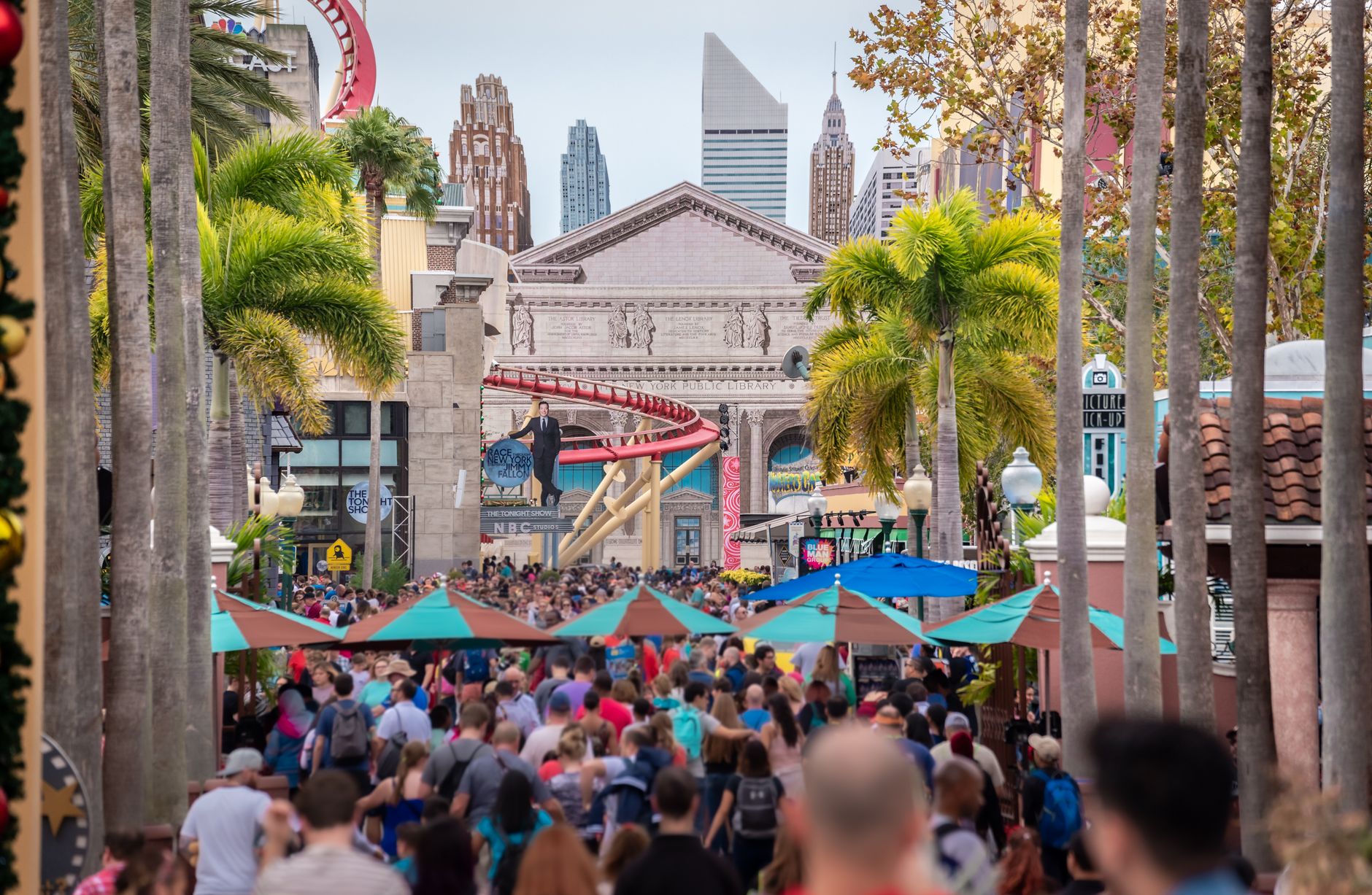
Delivery robots for theme parks take over the carrying work that fills so much of a staff shift. Cases of drinks, trays of food, merchandise restock and cleaning supplies move between stock rooms, kitchens and food stands on paved walkways and service corridors, and the robot drives the route while the staff member stays where guests need them.
The benefit is not fewer people on shift. It is staff time moved from repeat supply runs back to guests, to queue and ride upkeep, and to the stands that need a second person at peak. A robot plus a smaller team is the usual setup, and people keep the work that needs judgment.
The parks that gain most tend to share a pattern: a stock room set well away from the stands, a long walk for every restock, and a team that already runs short on summer days. If that describes your park, the next step is to measure those routes.
What problem do theme parks face with supply runs today?
Theme parks are large, spread-out sites with a lot of guests to serve. According to the US Bureau of Labor Statistics, about 227,000 people worked in amusement parks and arcades in May 2023, the most recent release we found. Amusement and recreation attendants were the largest occupation in that industry, and their count rose from 49,100 jobs in May 2021 to 63,020 in May 2022 and 69,610 in May 2023.
The supply side is harder to see. The stock room sits behind the rides, the stand sits at the far end of a path, and a team member carries food, cups or merchandise back and forth through the day. None of that shows up as a line item, yet it is time taken from guests. Attendance is also not surging: according to TripInfo's October 2025 ranking of the top 20 North American parks by attendance, those parks showed a 0.3% decline compared with 2023, so most operators are working to keep the same guests well served.
Hiring makes it harder. According to the National Recreation and Park Association, nine in ten park and recreation agencies had challenges hiring and/or retaining summer seasonal staff, and only 12% had enough workers to cover at least 90% of their 2023 budgeted summer seasonal hours. Those are public park agencies, not theme parks, so read it as a sector signal and not as a benchmark for your park.
What are the main benefits for guests and staff?
The clearest benefit is time. Hours that go to repeat supply runs return to guests, which is the point of the job at a park. The gain shows up as shorter waits at stands, fuller restock on the floor, and staff who are not walking the same route again before lunch.
Staff get something too. A robot that takes the repeat carry work removes a steady stream of small interruptions, so a stand runner can finish an order before walking off to the stock room. Interruptions add up across a shift, and a steady route removes a whole category of them.
The benefits also reach the back of house. A robot that carries linen, cleaning supplies or stock runs the same route on every shift, so the work no longer depends on which person happens to be free that day. Consistent routes also make it easier to see where time goes, which helps the next planning cycle.
How does a delivery robot work day to day?
A delivery robot is loaded at a stock room or kitchen, given a destination, and drives its route along paved walkways and service corridors. Staff load and unload it, confirm each drop, and send it back for the next run. It does not replace the person at the stand. It replaces the walk.
The day usually starts with a restock before the gates open, then runs in waves around meal times and show breaks. Routes are planned with you, so the robot works the paths that carry real volume and keeps away from guest congestion at peak.
Between waves the robot waits at its charging spot. Your operations lead checks the route log each day and clears any blocked path. Our service team handles routine checks, and when something needs repair we dispatch on site.
Which areas of a theme park does the robot cover?
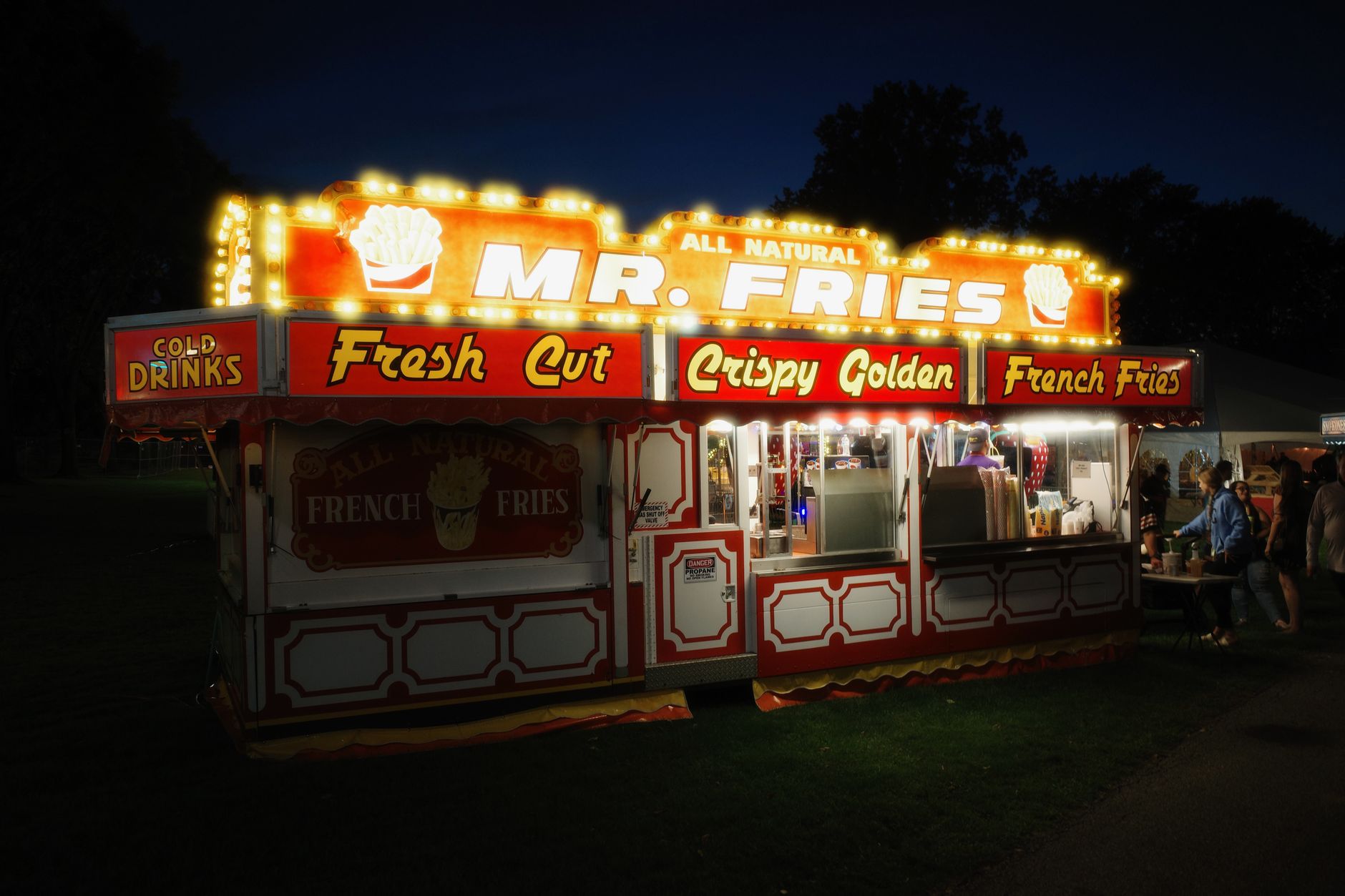
The robot earns its place where the carry distance is long and the path is predictable. Most parks have a handful of such corridors, and that is where a site assessment starts. The zones below are the common areas, and each park's layout decides which ones make sense.
The routes that matter most are the ones where the same load leaves the same room again and again, because a fixed path with steady volume is where the time adds up. A stock room that feeds several stands on a set loop is a strong early candidate.
How does the robot work alongside existing staff?
The robot works beside staff, not in place of them. A park running a robot plus a smaller team keeps guest coverage with people on the work that needs judgment, such as guest questions, safety, cash handling and problems on the floor. The robot takes the carry work that wears down a shift.
Service Robot Co. is a US commercial robot integrator. We pick the robot that fits the site, lease it through financing, deploy and integrate it, train the staff who load and manage it, and service it nationwide. Training is part of the install, so the people running the routes know what to do when a path is blocked.
Do not expect the team to shrink on day one. Roles shift toward stands, guests and checks on the robot, and a supervisor watches the route log through the first weeks.
What drives the savings, and how is it measured?
The savings come from hours. The hours that matter are the ones spent on repeat supply runs each shift, and the first step is to measure them. We do not promise a figure before the site is walked and the routes are counted, because every park's distances, volumes and hours differ.
Labor is the second driver. The Bureau of Labor Statistics counts attendants as the largest occupation in the industry, so any shift hours recovered from repeat walks come out of the time of your largest job group. That is time you can return to guests.
Hiring pressure raises the value of each hour. Where agencies struggle to cover budgeted summer seasonal hours, an hour no longer spent on a supply run is one less hour that has to be filled. Once your logs are in, we give you an hours range based on your routes, not a general estimate.
What can the robot not do?
The robot cannot serve a guest, handle money, or answer a question at a stand. It cannot clear a jam at a counter or help a guest who needs assistance. Routes need clear paths, so a crowd that fills the walkway will stop it until the path opens.
Not every route is a fit. Stairs, steep ramps, uneven paving and tight corners built for people rather than carts need a closer look. Wet surfaces and weather can also limit operation, and the site assessment checks each of these before a route is set.
Expect a break in period. The first weeks show the blocked paths, the stops that need a person and the times when the stock room runs short. The first routes are a test, and they get changed.
How do you get started?
Start with a free site assessment. We walk the stock rooms, stands and service corridors, record the routes, and map the layout. You get a recommendation for the robot that fits the floor and the paths it will take.
The robot is leased through financing, and the payment comes in a quote after the site assessment. Robot lease options and lease financing programs differ by site, and the quote lays out the full terms before anything is signed. We service the robot nationwide, and the quote explains response terms.
For most parks, delivery robots for theme parks begin with one route. A pilot on the busiest stock room to stand path is the simplest test. Once the logs show the hours recovered, you can decide whether to extend it to other zones.
Frequently asked questions
Want a delivery robot at your theme park?
Tell us about your site. We will recommend the robot, quote the lease, and keep it serviced.