
Key takeaways
- Mail, supplies and lab samples are the repeated walks between buildings that eat staff hours every day.
- A scheduled route runs the same way each day, so pickups stop depending on one person's shift.
- Campus robot volume follows the academic calendar, so plan around lower demand over breaks.
- The robot removes the walking, not the judgment: staff still load, sort, sign for and handle exceptions.
- Start with a free site assessment and a route map before any quote.
How can delivery robots for university campuses help today?
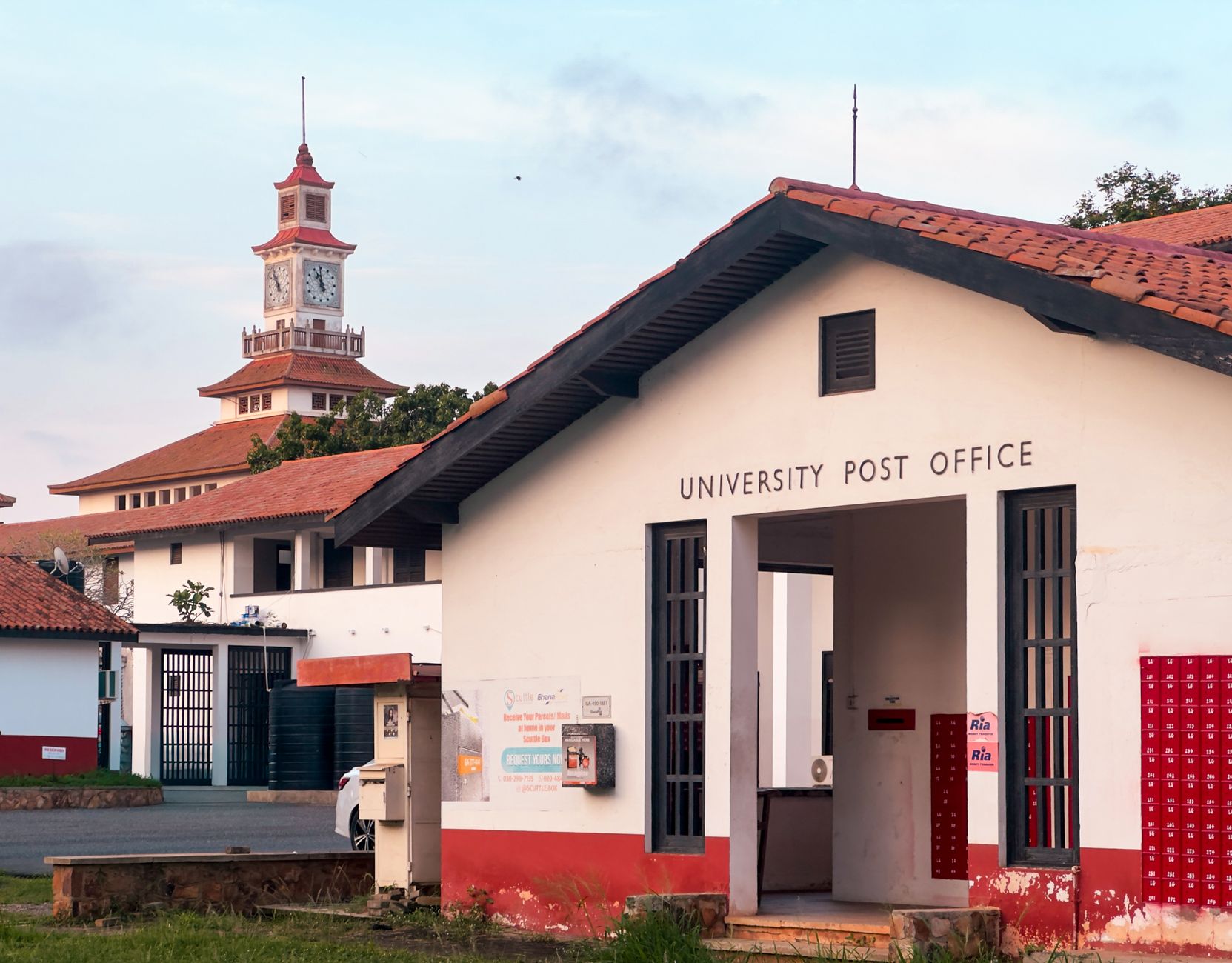
Delivery robots for university campuses take over the repeated trips that move mail, supplies and lab samples between buildings. On a large campus, a department can sit a long walk from the mailroom, and a staff member who makes that walk several times a day loses hours to a task a machine can run on a fixed route.
The benefit is not that a robot replaces the people who handle mail. The scheduled and on-demand runs happen whether or not someone is free, and the people who used to make those walks can sort, prepare samples and deal with the urgent items that need judgment.
A campus is a good fit because the routes are known, the buildings sit close enough to cross on foot, and the work repeats every day. The sections below cover the problem today, how the robot runs, where it works, how staff share the work, what it cannot do, and how to get started.
What does moving mail and supplies look like on a campus today?
Mail volume on a campus is larger than most people expect. According to one public university's postal services office, the mailroom distributes more than 40,000 pieces of mail and packages each year and receives outgoing mail from nearly 25,000 students, faculty and staff. Every one of those pieces has to travel between a central point and a building.
Many campuses cover this with part-time people. A mail courier posting from one Oregon university lists 10 to 14 hours per week, with daily duties that include carrying mail to and from the post office twice a day. The schedule stretches or shrinks with the staff available.
According to one university mail service, campus delivery and pickup at centralized mail locations happens every other business day, and service frequency is adjusted to match staffing. For a lab or a department that needs samples the same day, that gap is the real problem.
What are the main benefits?
The biggest gain is reliability. A route runs at the same time whether or not a courier is out sick, on break or covering another building. Departments learn when items arrive and stop planning around a missed pickup.
The second gain is redirected labor. Walking time moves to sorting, sample prep and exception handling, which is where a person adds the most value. The robot covers the distance, and the team covers the work that needs a decision.
- Runs happen on a set schedule, not around who is available that day.
- Staff hours shift from walking to sorting, sample prep and exceptions.
- Items can move in the middle of the day, not only in the morning and afternoon windows.
- Route and delivery records show which stops get the most use and where routes need changes.
How does the robot work day to day?
A campus robot is loaded at a hub, usually the mailroom, a dining kitchen or a central receiving dock, and then drives itself to a set of drop-off points. It stops at each point, lets the recipient or a staff member take the item, and moves on to the next stop. Staff confirm each load before it leaves.
Scale varies a lot by campus. According to one operator's blog, a large campus fleet completes 1,200 to 1,300 orders per day, with the workday running from 7 a.m. to 10 p.m., so the fleet operates for 14 hours a day. That figure is vendor-reported, but it shows how far the day can stretch when routes are planned well.
A smaller launch looks different. According to one university's announcement, nine vehicles serve 32 campus locations and operate from 7:30 a.m. to 9 p.m. Most campuses start with a few routes and add stops as the team learns the traffic pattern.
Which areas of a campus does the robot serve?
Campus robots tend to run on the paths that carry the most traffic between buildings, along sidewalks, walkways and service roads. A vendor maintenance guide describes campuses ranging from 200 acres to more than 2,000 acres, which is why route length and stop count need to be measured on the site itself.
Campus-wide coverage also depends on the kind of building. According to NCES data as reported by CollegeRaptor, 2,609 colleges and universities in the US offer a bachelor's degree or higher, and each one has its own mix of residence halls, labs, libraries and dining. The site assessment maps those differences before any route is set.
How do robots and existing staff work together?
A robot does not run a campus alone. According to one university's launch account, the operator hired a student to help set up the robots, make repairs, update software, map the campus and perform maintenance, while the dining services team managed day-to-day operations. That split is common: a robot plus a smaller team, never zero staff.
In practice, the team loads and confirms each run, the robot drives the route, and a person meets the robot for anything that needs a signature, a locked container or a receipt check. The campus keeps one or two people who know the fleet well enough to handle a stuck unit or an odd drop point.

What drives the savings?

Savings come from hours, not from a headline. The main line is walking time. Every run that a courier or technician no longer makes is time returned to the team. A part-time courier role that lists 10 to 14 hours per week shows how much walking a single mail job can hold, and a robot route that covers the same stops frees those hours for work that needs a person.
Route volume sets the number. A campus running a handful of drop points gets a different result from one running dozens of routes across a wide area. Because the high end of volume is reported by vendors, treat it as a ceiling to test, not a promise.
The quote comes after a free site assessment. That visit maps the routes, counts the stops and measures how many hours each mail or supply run takes now, so the comparison uses your own figures.
What can a delivery robot not do?
A robot moves items along a mapped route. It does not sort mail, sign for a package, decide what is urgent or handle a sample that needs special care on its own. Those tasks stay with people, and they should be planned into the day from the start.
Terrain, curbs, doors, elevators and weather are checked during the site assessment, since each one changes what routes are practical. Demand also follows the academic calendar, so volume will drop over breaks and summer.
Downtime needs a plan. A vendor maintenance guide notes OEM lead times of 6 to 14 weeks on most components, which makes critical spares on hand one of the most useful habits for keeping a fleet available. Ask about spare units and backup coverage before the first run.
How do you get started?
Start with a free site assessment. The visit maps the buildings and routes, counts the stops, measures the hours each mail or supply run takes today, and identifies the doors, elevators and loading areas the robot will need. Service Robot Co. then picks the robot that fits the site.
Robots are leased through financing, and the payment comes in the quote after the assessment. Service Robot Co. handles deployment and integration, trains your staff, provides go-live support and services the robot nationwide. Many campuses begin with a pilot on a few routes, then add stops once the volume data is in hand.
Frequently asked questions
Want a delivery robot at your university campus?
Tell us about your site. We will recommend the robot, quote the lease, and keep it serviced.