
Key takeaways
- Drones can inspect stacks, ductwork and roofs from outside, so crews climb less during outages.
- One 2019 trade case reports up to four days of boiler inspection plus two days to take down scaffolding.
- Flying from outside the boiler cut at least one day from cool-down in that same case.
- A drone operator and a boiler engineer still work on site, so the team on structures gets smaller, not removed.
- Savings depend on your outage plan, so measure scaffold days and cool-down time before and after.
How can drones for boiler plants help?
Drones for boiler plants answer one question that matters most during an outage: how do you see stacks, ductwork and roofs without building scaffolding or sending people up tall structures? A drone can fly the outside of a stack, the duct runs and the roofline, capturing images that an inspector reviews at a desk. Work that once needed a crew on scaffolding can often start with a flight.
The payoff shows up in shutdown time, because scaffolding is slow to build and slow to take down. In a 2019 trade article on a coal plant boiler, an inspection could run up to four days, plus two days to take down scaffolding. Flying the drone from outside the boiler, the article reports, cut at least one day from cool-down.
The sections below cover where drones fit, how the work runs day to day, what the team looks like, where the savings come from and where a drone still cannot replace hands-on work.
What slows inspection at a boiler plant today?
Most boiler plants schedule major inspections during planned outages, when the unit is cooled, isolated and safe to enter. The bottleneck is access. Crews need scaffolding to reach the upper stack, the duct supports, the roof penetrations and the gantries that carry equipment, and building that access takes time before the first inspection can begin.
The time loss can be large. In one trade case, a 22 day outage had been planned for one week, and it ran long because scaffolding had to be built. After the plant moved to a drone-based approach, it set up about 30% of the scaffolding it had used before, according to the same article.
Scaffolding also keeps more people working at height for longer. Every extra day on the structure extends exposure and pushes back the restart date. That is why many operators want crews off structures wherever imagery can answer the question, a point covered in the fall risk section below.
Which parts of a boiler plant can a drone cover?
A drone works best on the parts of a plant that are tall, exposed and slow to reach on foot. Stacks and chimneys are the clearest case. A UK chimney survey provider reports finishing a chimney drone inspection in under two hours, and says the imagery helped prioritize repairs and prevented an unplanned shutdown.
Ductwork and roofs come next. An automotive trade article on a UK engine plant reports that drones inspected tall gantries, machinery, ductwork and roof areas, so the team could inspect more often without building scaffolding during shutdowns.
Roofs and flue runs are often a good place to start, because the flight areas are usually open and easy to map.
How does a drone work at a boiler plant day to day?
Day to day, the work starts with a site assessment, where flight areas, exclusion zones, access points and the outage plan are mapped. Flights are timed around plant operations, and the operator keeps the aircraft clear of active equipment, people and hot surfaces.
Imagery is captured in passes along each stack, duct run and roofline. A boiler engineer then reviews the images against the plant's own records, which is where defects get judged. Each set of images is dated and tied to a location on the plant, so the next visit can compare conditions.
Weather sets the schedule. Wind, rain and low light can stop a flight, so the plan keeps a fallback day and a list of tasks that can wait for a later window.
How does the team change when a drone is on site?
A drone does not remove the people who run a boiler plant. According to the Bureau of Labor Statistics, most stationary engineers and boiler operators work full time during regular business hours, so the plant already depends on a steady crew. A drone changes how that crew spends its time on structures, not whether the crew is needed.
The working setup is a drone operator, a boiler engineer who reviews the images, and your own staff who keep the unit isolated, locked out and safe. The team on the structures gets smaller, while the engineering review and plant decisions stay with your people.
Many plants start with one stack or one roof before expanding to the full outage scope. That keeps training manageable, lets your engineers check the imagery against what they already know, and builds a clear record before the next outage.
Where do the savings come from?
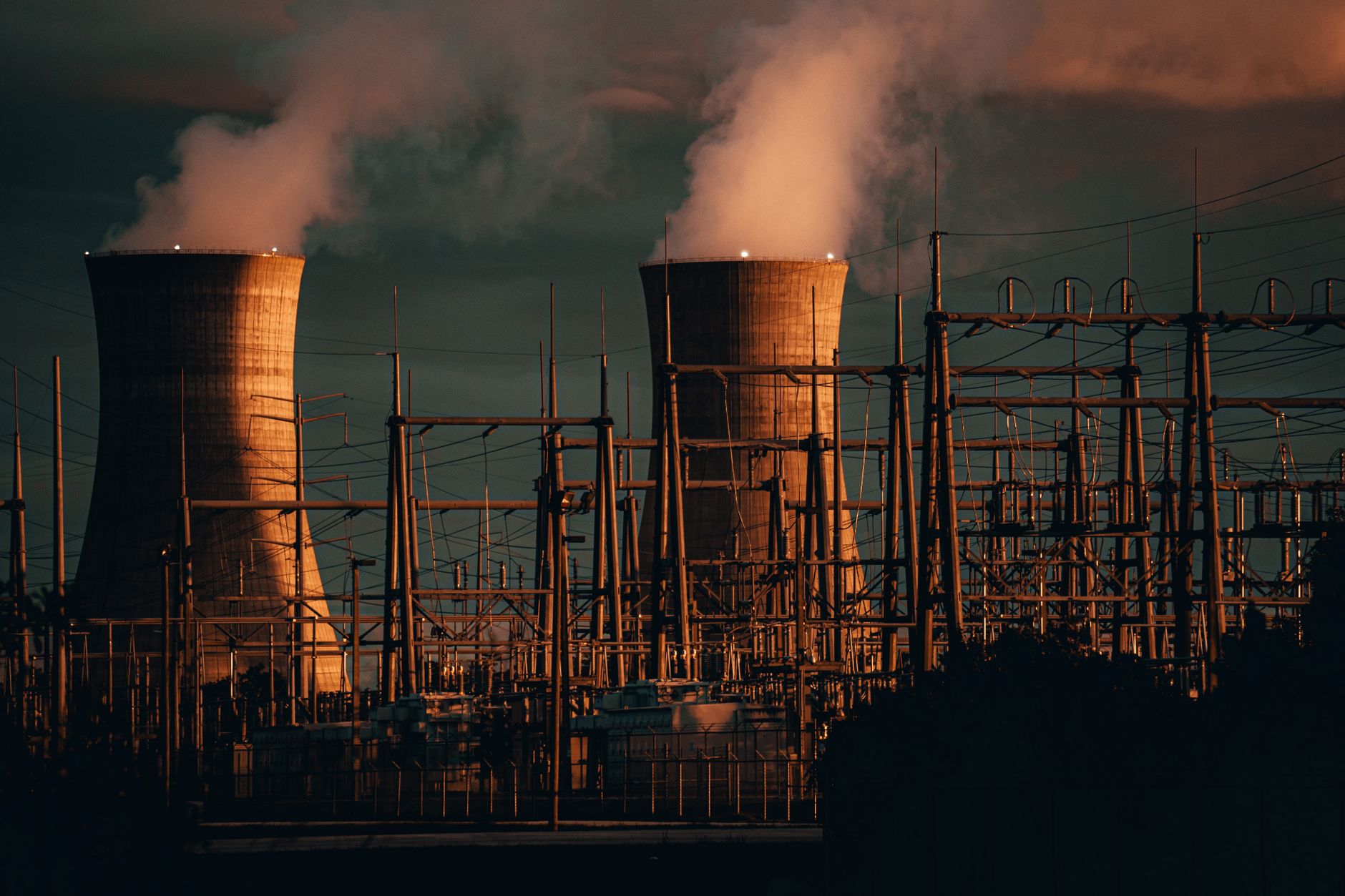
The savings come from hours and days, and they vary by plant. According to a drone survey provider's testimonial, a chemical plant's annual tank inspections took 2 days instead of 8 with drones, a 75% reduction. An inspection firm's case study reports downtime reduced by 25%. A coal plant case shows up to four days of inspection plus two days of scaffolding work, with the drone cutting at least one day from cool-down.
Each figure is a reported result from a vendor or a single case, not a guarantee. Your outcome depends on how many stacks, ducts and roofs the outage covers, how much scaffolding the plan would otherwise need, and how quickly the imagery reaches the engineers who make the call.
The most reliable saving is the one you measure in your own outage log. Track scaffold days avoided, hours of crew work at height, and days from cool-down to restart, then compare them outage to outage.
What about fall risk at height?
Working at height is among the most serious hazards at power and boiler sites. A construction trade article reports a worker who died after falling from a powerplant stack 400 feet high to a landing 100 feet below. It was the second fall death for the chimney subcontractor in under a year.
A drone takes crews off the stack face for the imagery itself. It does not make the site risk free, and it does not remove the need for safe access on days when a person must climb. Ground crews working near structures still need exclusion zones, clear communication and a plan for dropped objects.
Plan flights so that ground work stays clear of the flight path and of the area beneath the structure being checked. Keep climbs for the tasks that truly need hands on.
What can a drone not do?
A drone cannot replace every check. Imagery shows surface condition, such as cracking, corrosion, deposits, sagging and damage visible from outside, but it does not show what is inside a pressure part or behind insulation. Where internal or contact checks are required, qualified people still do that work.
Some vendors describe more than imagery. One inspection firm describes drone-carried ultrasonic probes for wall thickness checks, presented as a way to inspect without scaffolding. That is the firm's own description of its service, and the readings still need qualified people to interpret them.
Weather, wind and restricted airspace can stop a flight. A drone also cannot repair what it finds. Decisions about repairs, shutdown timing and inspection sign-off stay with your engineers and your inspectors.
How do you get started?
Start with a free site assessment. We visit the plant, identify which stacks, ducts, roofs and gantries are on the next outage plan, map flight areas and access points, and note where scaffolding is still needed.
We are a US commercial robot integrator. We pick the right robot for the site, lease it through financing, deploy and integrate it, train your staff and service it nationwide. For boiler plants, that can mean a drone matched to your stack heights and roof layout, with a lease quoted after the site assessment and the payment shown in that quote.
If the first outage is the test, we suggest a pilot on one stack or one roof, with your engineers comparing the imagery against your own records. Expansion should follow those results.
Frequently asked questions
Want a drone at your boiler plant?
Tell us about your site. We will recommend the robot, quote the lease, and keep it serviced.
Sources
- U.S. Bureau of Labor Statistics, Occupational Outlook Handbook: Stationary Engineers and Boiler Operators
- Trade article: Inspector Drone, using technology to mitigate risk (2019)
- Inspection firm page: drone inspection of boiler installations without scaffolding
- Inspection firm case study: UT probe for boiler inspection
- Automotive trade article on drone inspection at a UK engine plant
- UK chimney survey provider case page
- Drone survey services page with tank inspection testimonial
- Construction trade article on a powerplant stack fall fatality