
The question, in the buyer's words
I run a 14-room bed and breakfast on the coast where I cook breakfast, bake, and carry trays to the porch alone every morning; could a delivery robot carry trays from my kitchen to guests without tangling with the stairs or the porch chairs?
Key takeaways
- A delivery robot can take the kitchen-to-porch carry, but only on a level route that stays clear.
- Stairs, steps, sills and tight chair rows are the usual reasons a route fails, so measure them first.
- The robot does not cook, bake, plate or handle guest requests, so those tasks stay with you.
- Food service injury rates are high enough to justify moving the carry off a solo owner's list, while knife and hot work stay with you.
- Get a free site assessment and a written lease quote before deciding, and start with one leased unit.
Can a delivery robot carry breakfast trays for a solo coastal B&B owner?
If you cook, bake and carry every breakfast tray yourself, the carrying leg is the part a delivery robot can take over. A delivery robot is a wheeled cart with a tray deck, a stored map and sensors that let it follow a set route. At a coastal B&B, that route usually runs from the kitchen pass to the dining porch, and the robot stops at a fixed point where a person lifts the tray off.
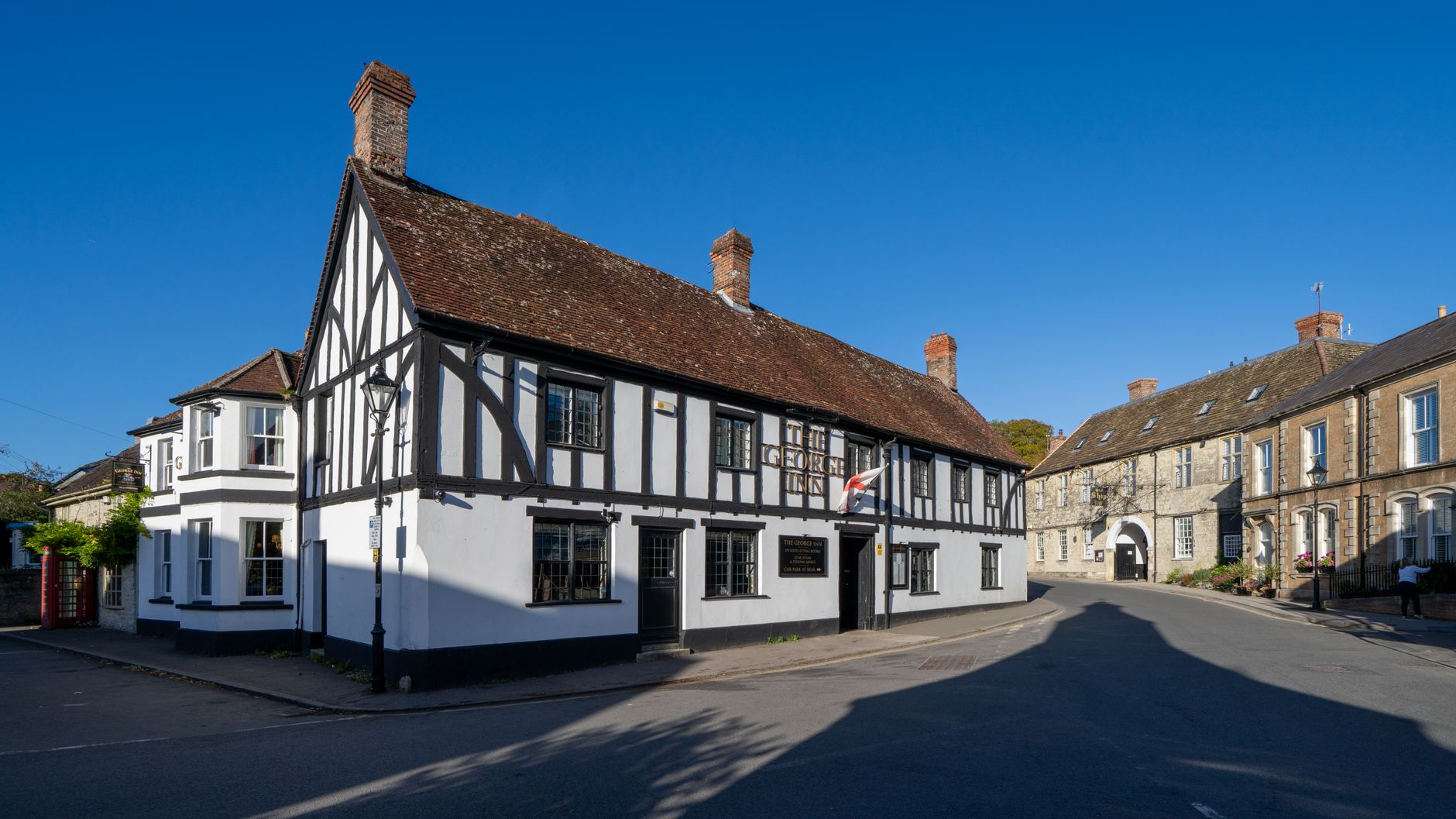
Bed and breakfast inns are a long-standing small-business form, and many are small, owner-run houses. According to the US Census Bureau 2002 Economic Census, there were 3,537 bed and breakfast inns, up from 2,898 in 1997. That count is old, but it shows how many small houses are run the way yours is, with one person covering the kitchen and the floor.
You still do everything before the carry and most of what happens after it. The robot does not crack eggs, bake, portion food or check that a dish is hot enough to serve. Think of it as a way to free your hands for the work that needs them, not as a second cook.
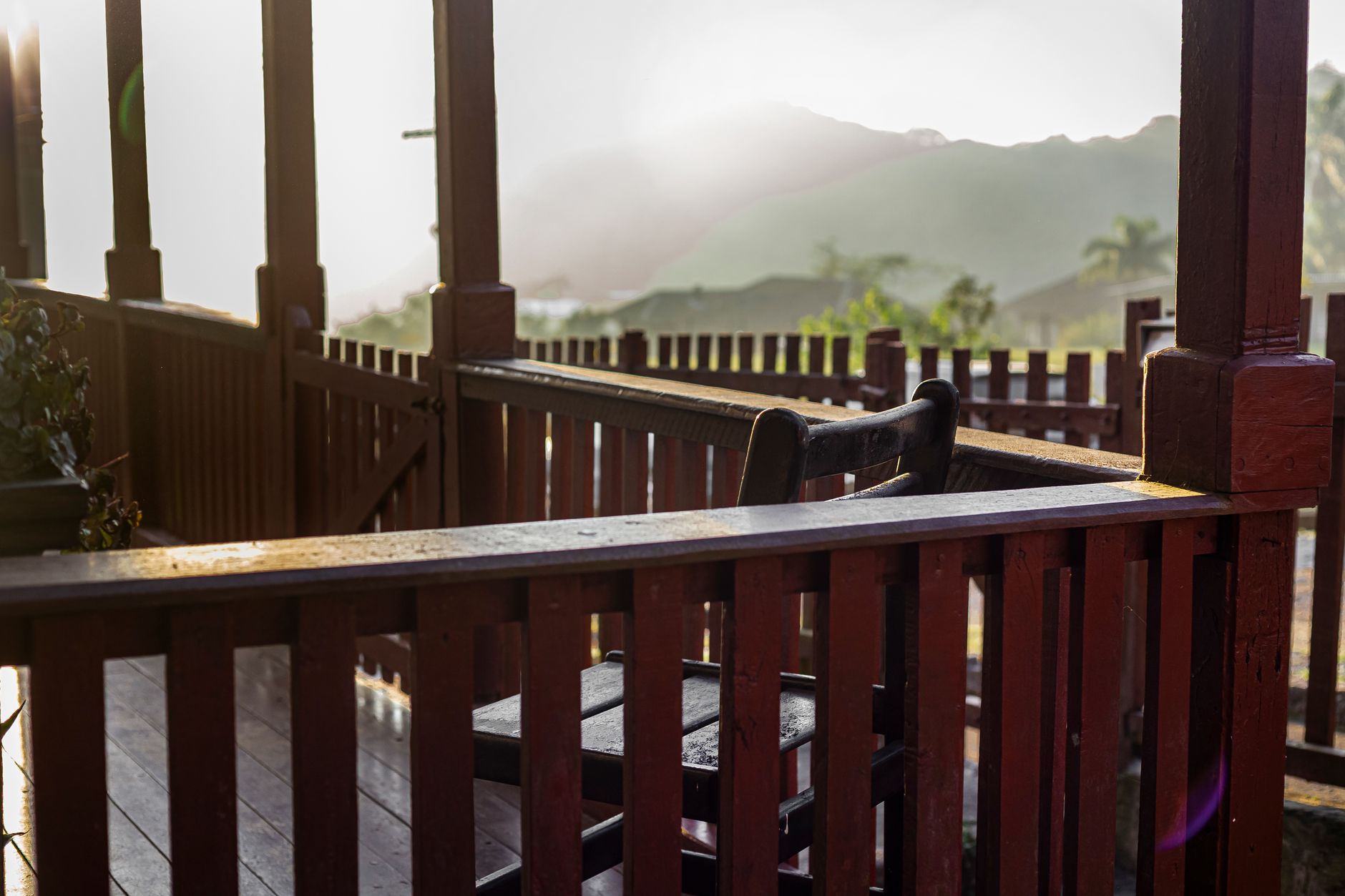
Whether it works depends on the floor, not on a brochure. A level hallway and a flat porch deck are good candidates. A step down, a stair or a sill at the porch door is not, unless that barrier can be removed. Walk the route at breakfast pace with a loaded tray and count every change in height and every chair you would have to weave around.
What do stairs, porch steps and tight chairs do to a delivery robot?
Stairs are the main reason to keep a delivery robot on a level route. A student project on stair climbing found that wheeled trolleys struggle with stairs, and that the platform has to stay level, which matters for a loaded tray. If a back stair sits between your kitchen and porch, plan on another path or accept that this route will not work.
Porch chairs and tight tables are the second problem. A dining porch is full of chair legs, pulled-out seats and guests moving around, and a robot needs open space to turn and stop. Tight table spacing limits how a robot can turn between tables, so the layout that feels comfortable to guests may leave no lane for the robot.
Most of the fixes are in the layout, not the robot. Keep a clear lane along one edge of the porch, push chairs in during the carry, and set one fixed stop point that guests learn. Those changes take setup time and daily discipline, and they are the first things to test during a site assessment.
How much of the morning run can a delivery robot take over?
A single-author blog by Sagnik Bhattacharya, about small restaurant robots, reports that a robot took over about half of food runs and 60% of clearing. That is one operator's account, not a controlled study, so treat it as a rough signal rather than a promise for a porch.
The same account says staff still handled hot plates, children's tables and single-plate clearing, and that runners walked ahead of the robot to clear paths. For a solo owner, the carry to the porch and back can come off your list, while hot plates, guest questions and single plates still come to you.
No peer-reviewed study of food runner robots on porches or stairs turned up in this review. Any hours saved have to be timed on your own route, so walk a loaded tray through a normal breakfast and log each trip before you estimate a saving.
How many bed and breakfasts are there, and what does the workforce look like?
According to IBISWorld, the bed and breakfast and hostel category had 4,383 businesses in 2026, up 0.8% from 2025. That is a market-research estimate, and the category groups hostels with B&Bs, so treat it as a rough count rather than an exact census of coastal inns.
Census figures reported by Bespacific show employment in the NAICS 721191 bed and breakfast category fell about 7.4%, from 17,357 workers in 2007 to 16,067 in 2012. Those figures are older, but a shrinking paid workforce in a small-operator category is consistent with owners doing more of the work themselves.
The Bureau of Labor Statistics fact sheet on food preparation and serving occupations reports that 81.6% of workers needed no minimum education. That says little about how hard a breakfast shift is to staff, but it does mean the training you give a new hand, including how the robot works, matters a great deal.
Why does carrying trays alone raise injury risk?
According to the Bureau of Labor Statistics, food service had an incidence rate of 2.8 nonfatal injury and illness cases per 100 full-time workers in 2019 data. The BLS article also reports that cuts and thermal injuries were higher than in the broader private sector. Those figures describe food service workers as a group, not solo B&B owners, but the hazards match what a tray carrier handles.
The Montana MOHSS newsletter for 2025 reports about 12,600 injuries in food and beverage service over 2015 to 2024, and cuts were the most common cause. A state figure is not a national rate, but it points to the same hazard.
A solo owner also carries a risk a team would share: nobody else is in the room when a tray tips or a step is missed. Let the robot take the carry on a safe route, and keep your own hands on hot, sharp and breakable work.
What would a lease for a B&B delivery robot look like?
We lease delivery robots through financing, so a large upfront outlay is not the first question. The payment and terms come in a written quote after a free site assessment, and that quote reflects the route, the floor and the service needs measured together.
Each leased unit is covered by our service plan, backed by regional service engineers in every state we service. The quote shows what that plan covers and how a visit is arranged, so compare it with your own plan for a morning when a unit is out of service. One partner handles the robot from site check to service, instead of several vendors.
A single-route B&B is a good case for starting with one leased unit and a trial on real breakfasts before any expansion. Test the lane over several mornings, log the trips that fail, and decide from that log rather than from a demonstration.
What stays with the owner on a breakfast morning?
Cooking, baking and plating stay with you, as do guest questions, allergy checks and special requests. A robot that carries a plate to the porch cannot tell a guest what is in a dish or fix an order that came out wrong. Those moments are part of the breakfast experience, and no cart can do them.
Clearing is partly automatable. In the single-author account, the robot took about 60% of clearing trips, but single plates still went to staff. Glassware, spills and anything that needs a second look should go to a person, and breakable items should never travel down the lane without a check.
The practical result is that the robot shortens your trips, not your morning. Expect the kitchen work to stay the same length and the carry work to shrink, then judge the saving on a timed breakfast rather than on a promise.
What should a coastal B&B check on its floor plan before deciding?
A short walk-through with a timer and a tape measure answers most of these questions before you request a quote. Bring a loaded tray and a helper, and walk the route three times: once at normal pace, once at the slowest pace you would carry, and once during a busy breakfast.
The answers decide the route, and the route decides whether a robot fits. If any step, stair or sill sits on the path, the robot is not the right fit until that barrier changes, and that is worth knowing before any lease conversation.
- Confirm that every step between the kitchen pass and the porch is level, with no stairs, sills or thresholds on the path.
- Measure each doorway and the clear porch lane with a tray in hand, not with an empty hand.
- Check that chairs can be pushed in during the carry and that one porch edge stays clear for the lane.
- Mark a fixed drop point on the porch that guests can reach without weaving between tables.
- Walk the porch on a damp or salty day to see how the deck and the lane behave in weather.
- Choose a waiting spot for the robot that stays out of the kitchen door path and away from guests.
- Name the person in the house who clears a blocked route or reroutes the robot during service.
How do you get a delivery robot for a B&B from us?
Our process starts with a free site assessment. We walk the kitchen-to-porch route, measure the doorways and the porch lane, and map the path the robot would take. No quote is issued until the route is measured, because the route decides whether a robot fits your breakfast.
After the assessment, you receive a written lease quote through financing. The quote covers the lease, deployment and integration, staff training and the service plan. We plan the install around breakfast service so the kitchen keeps running during setup.
A single-route B&B that passes the assessment can start with one leased unit, go live with training on the lane and stop point, and review the trip log after several mornings. If the route does not pass, we will say so and point to the layout changes that would make it work.
Frequently asked questions
Upcoming hotels & hospitality events
- MeetupMPI Virginia Morning Brew Meet-Up, November 2026Nov 10, 2026Hampton, VA
- SummitVA1 Governor's Tourism Summit 2026Nov 18 to 20, 2026Kalahari Resorts & Conventions, Spotsylvania, VA
- ConferenceVirginia Association of Fairs ConventionJan 14 to 17, 2027Williamsburg Lodge, Autograph Collection, Williamsburg, VA
- ConferenceIHLA Convention and Exposition, 2027Feb 8 to 10, 2027Indianapolis, IN
Want a delivery robot at your bed and breakfast dining porches?
Tell us about your site. We will recommend the robot, quote the lease, and keep it serviced.
Sources
- IBISWorld, bed and breakfast and hostel accommodations, number of businesses
- Census data reported by Bespacific, NAICS 721191 employment
- Bureau of Labor Statistics, food preparation and serving related occupations fact sheet
- Bureau of Labor Statistics, injury and illness rates in special food services (2019)
- Montana MOHSS newsletter, 2025
- Sagnik Bhattacharya blog on small restaurant robots
- Student stair climbing trolley project
- US Census Bureau, 2002 Economic Census, bed and breakfast inns