
The question, in the buyer's words
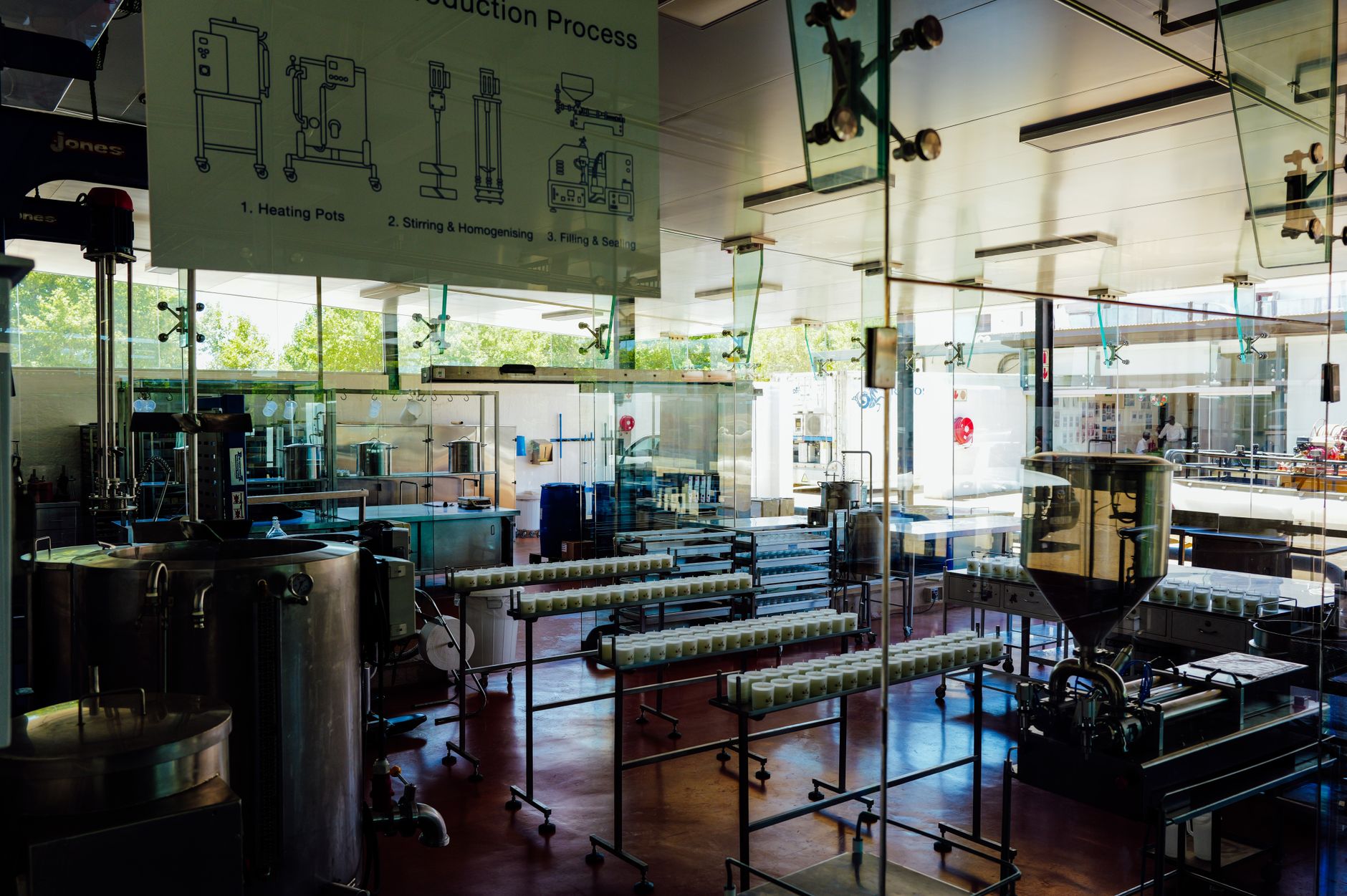
Our peanut shelling plant in Dothan, Alabama runs dusty lines from August through November, and our two sweepers can't keep the mezzanine clear between runs; could a cleaning robot work those floors without stirring the dust back up?
Key takeaways
- A robot can take the repeat passes on a Dothan mezzanine, not the judgment calls.
- Dry sweeping raises dust, so the pickup method is the first test for any robot.
- The hazardous location classification of the deck decides which equipment is allowed.
- Harvest is when the dust load grows fastest, so the route must work in gaps between runs.
- Start with a site assessment that maps the grating, thresholds and charging spot.
Why does dust pile up on a Dothan peanut plant mezzanine during harvest?
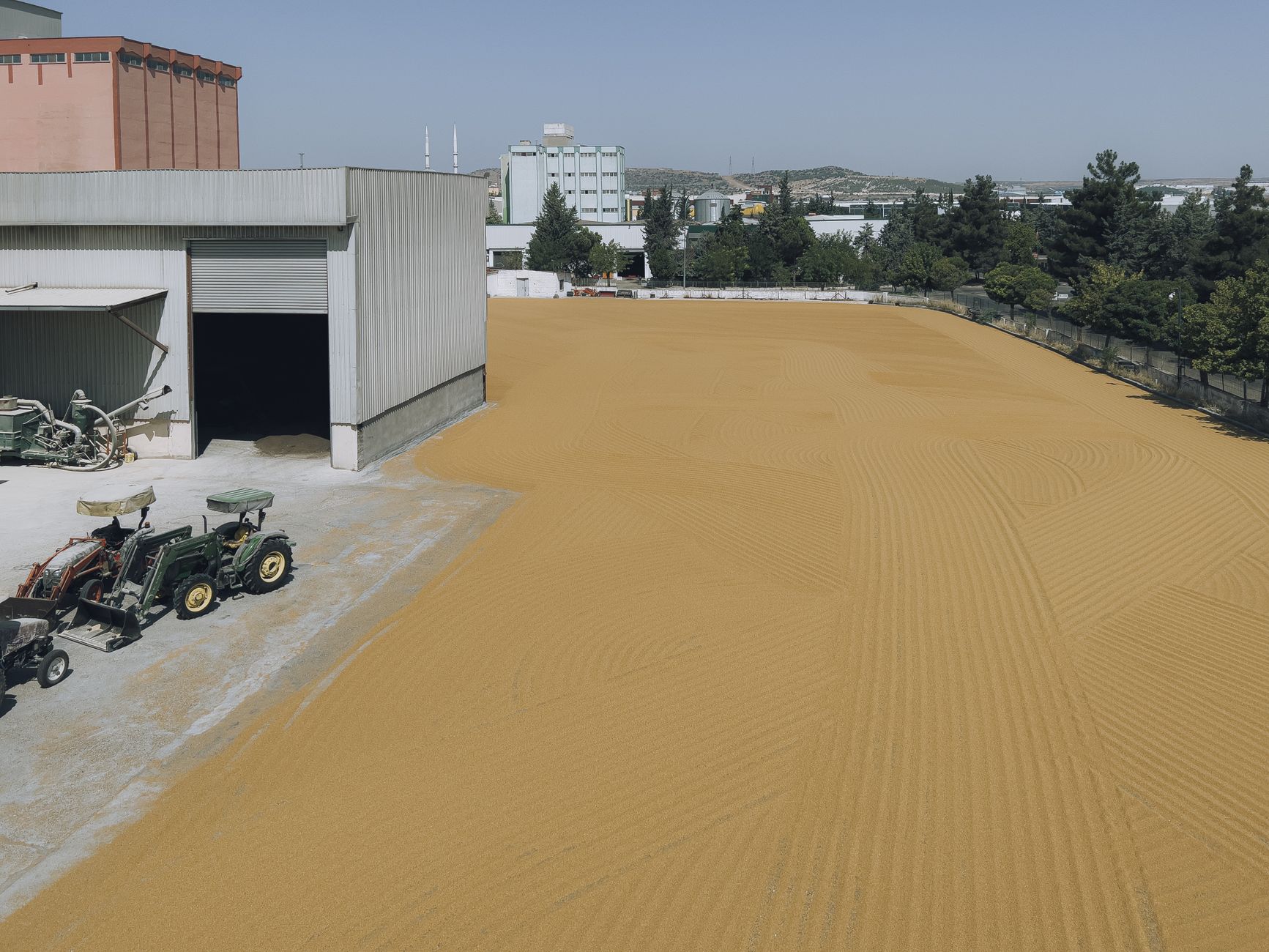
Dothan sits in peanut country. The city says, as reported on Wikipedia's Dothan entry, that one-quarter of the U.S. peanut crop is harvested within 75 miles of the city. WorldAtlas credits Dothan with processing about one-fourth of the country's peanut crop. Harvest runs in the fall, which means the months your mezzanine fills with dust are the months the plant runs hardest.
The climate adds to the load and the schedule. WeatherBlaze, using 1981 to 2025 data, puts annual average humidity at 78%, peaking at 83% in February, and gives July an average high around 96.6°F. Heat and humidity do not create dust, but they affect when crews can work and where equipment can charge, so plan the charging spot before you plan the route.
The mezzanine is the hard case. Two sweepers working between runs are racing the line, and every pass that stirs fine material can put it back into the air. A dust cleaning robot is one option to weigh against more people, and the rest of this page explains how to test that choice.
What does OSHA expect on combustible dust housekeeping?
OSHA's revised Combustible Dust National Emphasis Program, CPL 03-00-008, was issued in January 2023 and replaced the March 2008 directive. Housekeeping is one of the program's three main focus areas. The revision's rationale, as summarized by J.J. Keller Compliance Network, says wood and food products made up an average of 70% of materials involved in combustible dust fires and explosions in 2018. Food processing is squarely in view.
The same summary lists the most common violations cited in the program's first year as Hazard Communication at 27% and Housekeeping at 20%. It also notes that housekeeping was cited under other standards. A dusty mezzanine can therefore draw a citation even when the main process is sound.
One housekeeping marker is worth knowing. A housekeeping sheet from NGFA, summarizing secondary sources, says OSHA's program recommends cleaning horizontal surfaces to keep dust under 1/32 inch thick. That figure has not been checked against the directive, so confirm the threshold with your safety consultant before you write it into a procedure.

How much mezzanine cleaning does a harvest shift really take?
The research for this page did not verify timing figures for a peanut plant mezzanine, so this section describes the work rather than promising hours. Your two sweepers already know the real numbers. Time them across one harvest week before comparing any option, because the case for a robot depends on how many passes the deck needs between runs.
Check whether the sweeping itself or the walking takes most of the time. A route that starts at the far end of the deck and returns to the stairs costs minutes that the sweep itself does not. The split between sweeping, walking, spill response and bin emptying tells you which passes a unit could take and which stay with people.
The table below lays out that split task by task. Fill in the time from your own stopwatch numbers, and treat the table as a map of who does what.
| Task | Today | With a robot |
|---|---|---|
| Repeat sweep of the open deck between runs | Two sweepers, shared with other floors | Scheduled pass on a mapped route |
| Spills and debris the route cannot handle | Caught by sweepers as they see it | One trained person on call |
| Stair landings and thresholds | Swept by hand | Stays with people unless the assessment finds a usable path |
| Pickup bin and filter care | Done as part of sweeper cleanup | Checked by the crew after each run and logged |
| Setting the run schedule | Shift lead plans around the line | Route set to run in gaps between runs |
No timing figures were verified in this research pass. The rows show the task split, not durations. Hours should come from your own stopwatch study over one harvest week.
Will a cleaning robot stir dust back up?
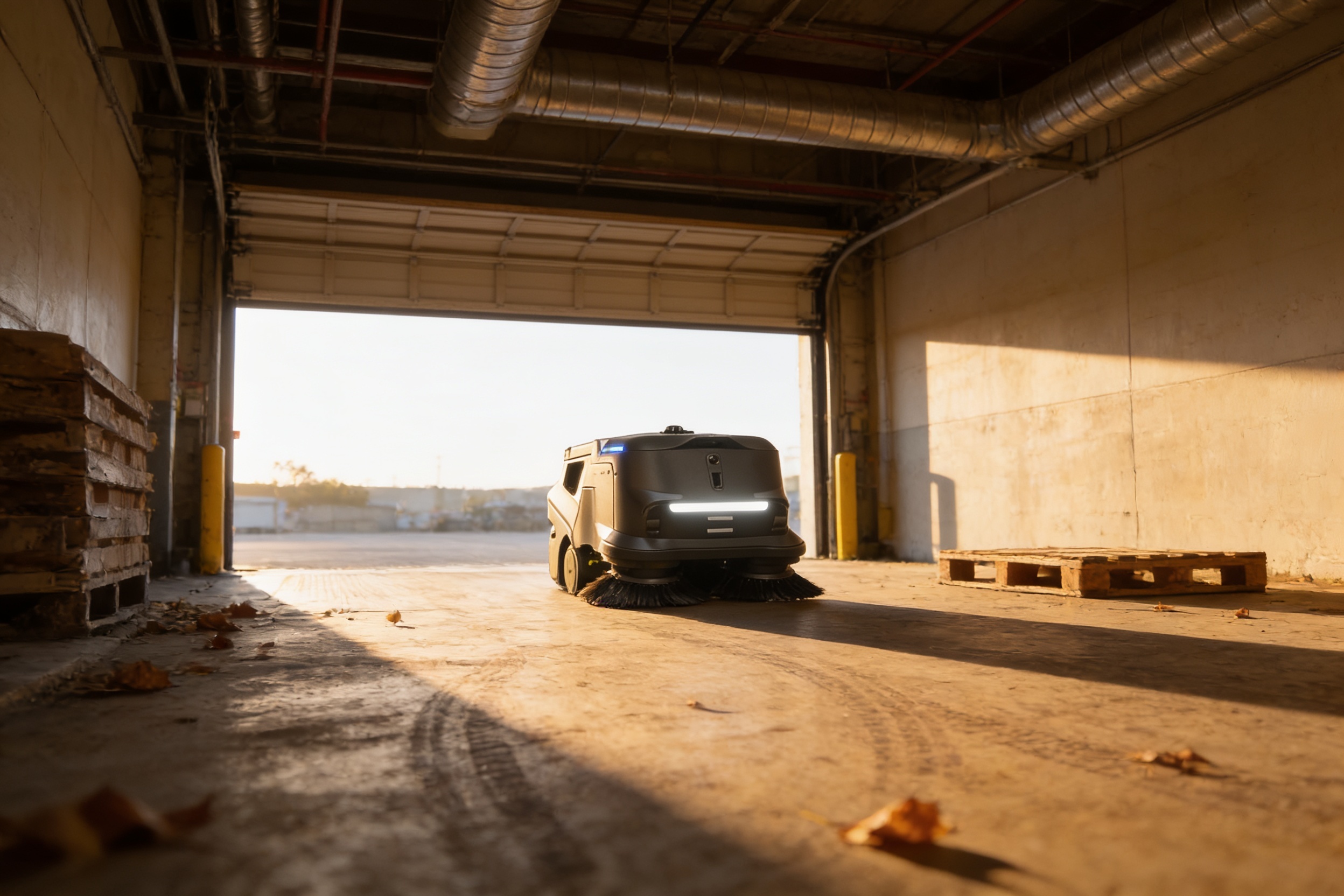
Secondary summaries of model codes, collected in an NGFA housekeeping sheet, say accumulated combustible dust should be collected by vacuum cleaning or by other means that will not put dust into suspension. The test for any robot is therefore its pickup method, not its navigation. A unit that finds its way around well but captures fine dust poorly is the wrong unit for this deck.
Dry sweeping and dry brooming put fine dust into the air. A unit that sweeps with a brush and dumps debris into an open bin can do the same. Look for sealed, filtered vacuum pickup or a wet method, and ask the vendor to state the filter type and sealing in writing. The research for this page did not verify any specific filter standard, so get the specification from the manufacturer's documents.
Electrical rating matters just as much. A trade publication summary on Manufacturing.net says vacuums used in dust areas must be approved by a nationally recognized testing laboratory for the specific hazardous location. That summary is secondary and was not checked against the standard. Whether the mezzanine counts as a hazardous location, and which class applies, comes from your plant's classification review, not from a brochure.
How does a robot compare with two sweepers on this deck?
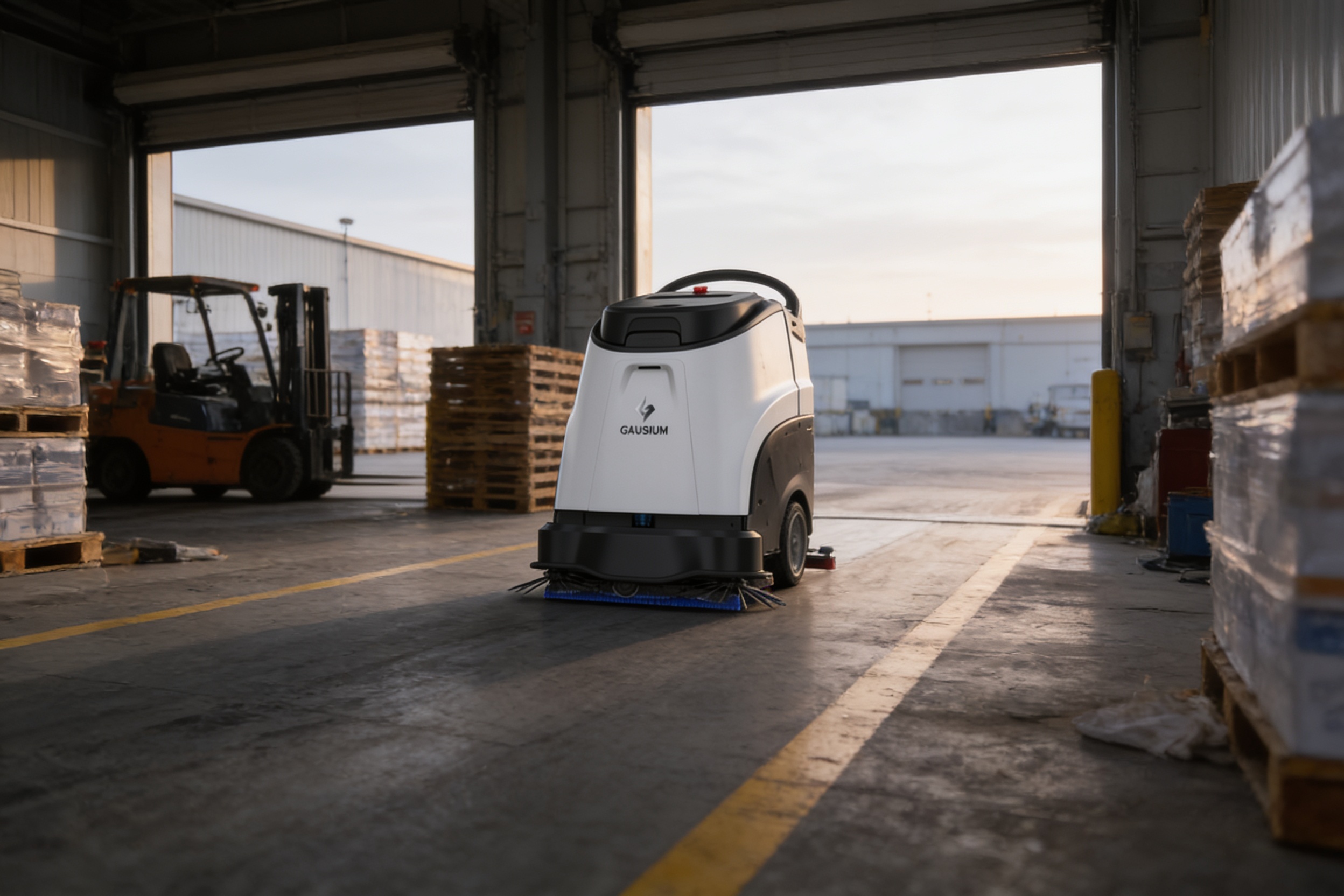
A robot is consistent. It runs the same route at the same times, every run, without a gap when someone is out sick or on lunch. Two people are flexible. They notice a split bag, a torn liner or a wet patch and decide what to do about it, and they reach the stairs and corners a route cannot.
The table below is built around the questions your plant will actually ask. The robot wins on repetition, and people win on judgment. The decision is rarely robot or people alone. It is how many people the deck needs once the repeat passes are scheduled.
- Repeat passes between runs
Cleaning Robot
Same route, same timing, every run once mapped
Staff
Consistent only if the crew is free and trained
- Dust pickup
Cleaning Robot
Only as good as its sealed pickup and filters, which you confirm in writing
Staff
Depends on the sweeping method and the tool used
- Spills and odd debris
Cleaning Robot
Needs a person on call to clear what the route cannot handle
Staff
Handled as the work happens
- Stairs, ledges and thresholds
Cleaning Robot
Only where the site assessment finds a clear path
Staff
Covered by hand
- Sick days and shift gaps
Cleaning Robot
Runs on schedule without a shift to fill
Staff
Coverage drops when a sweeper is out
- Records of what was done
Cleaning Robot
Run records can be kept if the unit logs them, which you confirm
Staff
Depends on whether the crew writes it down
Which parts of a mezzanine suit a robot route?
A mezzanine is often a mix of surfaces. Solid deck plate or sealed concrete maps cleanly. Open grating, raised drains and gaps at the edges may not. Floor type, flatness and any change in height decide whether a route is practical, and a site assessment checks them first.
Thresholds matter as much as the open deck. A lip at a doorway or a gap between deck sections can stop a unit or leave a strip of fine dust behind. Sketch every threshold before anyone asks about robots, because that sketch will set the route more than any other detail.
We map the mezzanine during the free site assessment, mark grating and thresholds, and say which zones a unit can cover and which stay with the crew. The same visit confirms the charging spot and the network path the unit needs. If the deck cannot be routed safely, we will say so in the assessment rather than in the middle of harvest.
What must the plant prepare before a robot starts?
Three preparations decide whether a unit works in harvest: a charging spot away from the dust, a route that fits the run schedule, and one named person who owns the pickup bin and filters. Plan each before the unit arrives, not after the first missed pass.
Timing is the hardest part during a peanut run. Set the route to work in gaps between runs, not during them, and confirm that the mezzanine path is clear while the line is running. The shift lead, not the vendor, knows when those gaps occur.
Pickup care is easy to neglect. A full bin or clogged filter can leave the deck dustier after a run than before it. Put the bin and filter checks on the same log as the run schedule.
What does the Dothan labor market mean for staffing this deck?
Nationally, the occupation is large and growing slowly. The BLS Occupational Outlook Handbook reports about 2.4 million janitors and building cleaners held jobs in 2024, and projects 2% employment growth from 2024 to 2034, slower than the average for all occupations. Third-party sites using OEWS data put the headcount nearer 2.2 million.
Turnover is the more pressing number for a plant that hires seasonally. A StealthAgents research page cites 150% to 200% annual frontline turnover for multi-site cleaning operators, attributing the figure to ISSA and BSCAI surveys and JOLTS data. The page's method cannot be verified from the page itself, so treat that range as a rough signal, not a local measure.
The research did not verify Dothan cleaning wages, local turnover or 2026 harvest hiring dates, and it did not find an up to date list of Dothan processing plants. Ask your HR team for local figures before setting staffing targets. If the crew you have cannot cover the deck through the harvest window, the decision is about coverage first.
How do leasing and service work for a plant like this?
We lease the robot through financing, and the fixed lease payment is quoted after the free site assessment. That order matters. A quote written before anyone maps the mezzanine is a guess about zones, route and service needs.
Service comes with the lease under our service plan. It covers on-site dispatch when a unit fails, remote triage for faults that can be fixed without a visit, and regional service engineers in the states we serve. Confirm Alabama coverage and the backup unit terms when you receive the quote, and get them in writing.
Before committing to a full rollout, a pilot on one deck is a sensible test of pickup, route and staffing through a real harvest week. Start with one leased unit, measure the passes it covers and the spills your crew still clears, then decide on the number of units from those measurements.
Frequently asked questions
Put a robot to work in Dothan.
We walk your site, learn the job, and recommend the unit that fits. Then we quote the lease, deploy it, and keep it serviced.
Sources
- J.J. Keller Compliance Network: OSHA revised combustible dust NEP summary
- NGFA Safety Tips: Housekeeping
- WorldAtlas: Dothan, Alabama
- Wikipedia: Dothan, Alabama
- WeatherBlaze: Dothan weather history
- BLS Occupational Outlook Handbook: Janitors and Building Cleaners
- StealthAgents: Janitorial and cleaning industry staffing research
- Manufacturing.net: Vacuum the dust workhorse