
The question, in the buyer's words
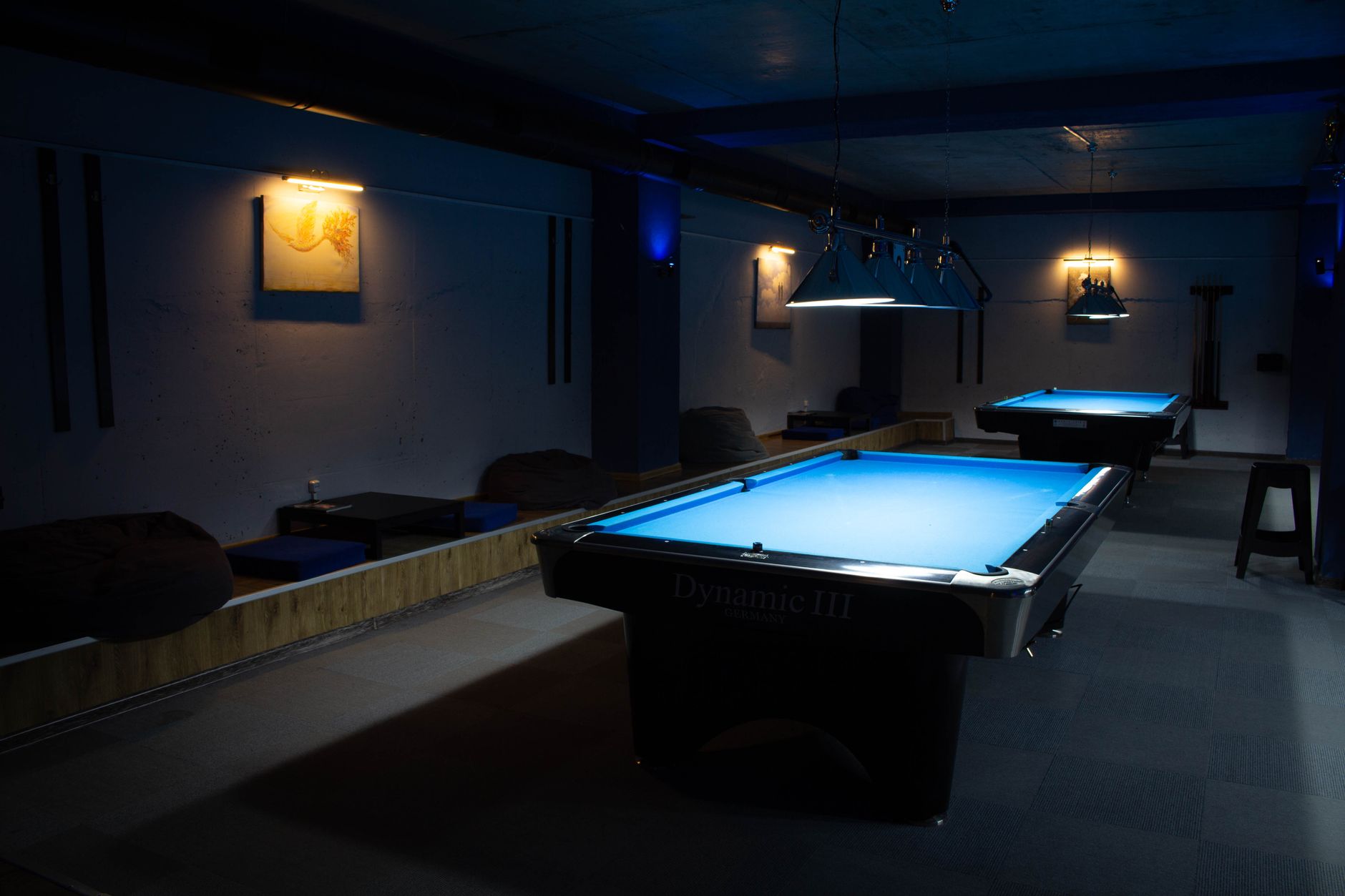
I run a 30-table billiards hall where sticky spills and chalk dust cover the floor by close, and our one closer is alone at 2 a.m.; could a cleaning robot work between the tables without catching cue sticks or bar stools?
Key takeaways
- A night cleaning robot works billiards hall table aisles only after a closer clears stools, cue sticks and sticky spills.
- Chalk dust and dry debris suit a mapped route, while sticky spills still need a person first.
- Stool positions and gap widths shape the route, so they must be measured on your own floor.
- The sources we reviewed give no floor area or cleaning hours for billiards halls, so measure your hall before deciding.
- A robot takes floor time off a lone closer, but it does not replace the closer at 2 a.m.
Can a night cleaning robot work between billiards hall tables?
The short answer is yes, in a limited way. A night cleaning robot can cover the open floor of a billiards hall after close, including the table aisles, but only when those aisles are clear and the machine has a route it can map. The worry about catching cue sticks or bar stools comes down to what is on the floor when the machine starts.
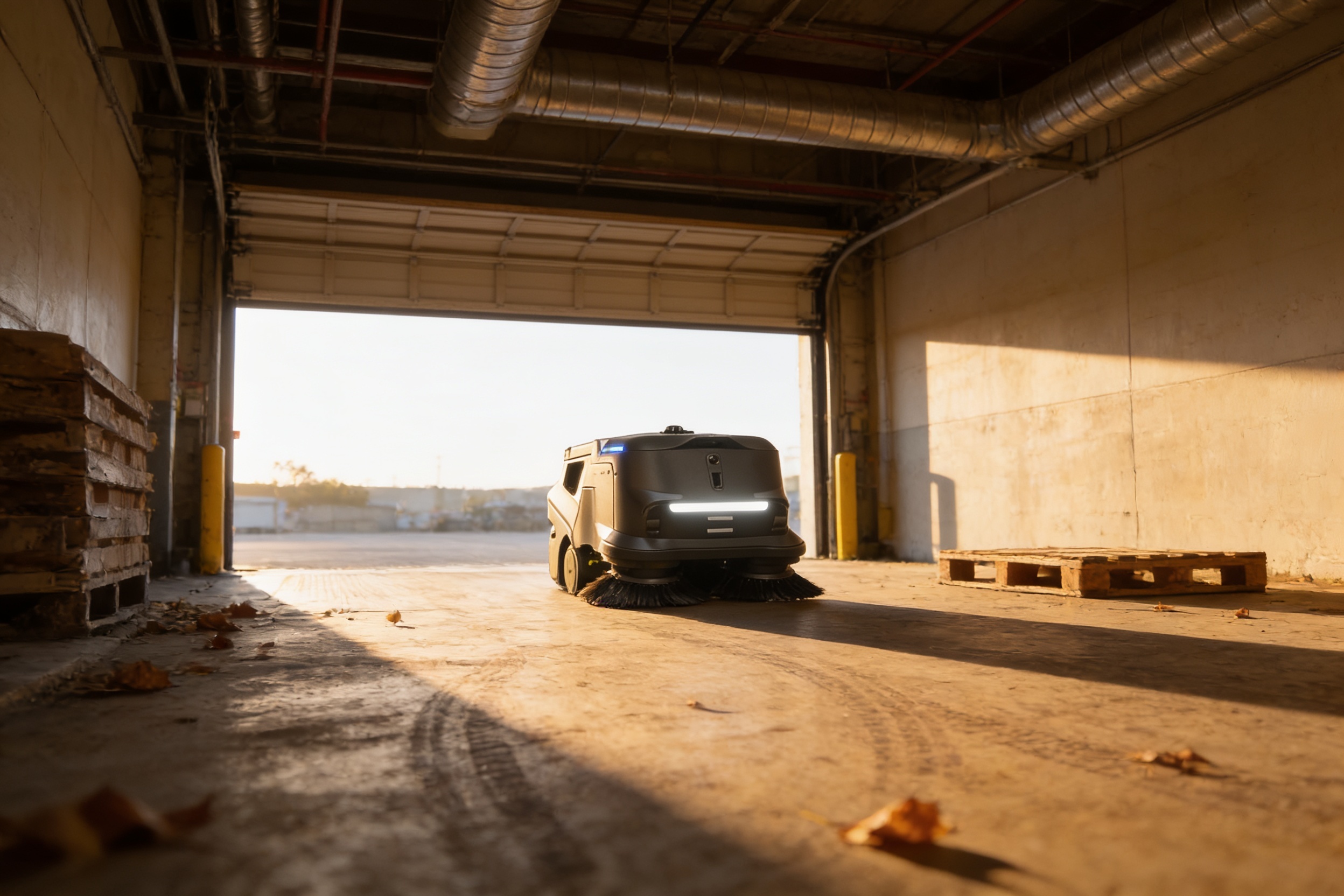
Think of the robot as a floor scrubber for open ground rather than a closer that tidies objects. It drives a set path, senses obstacles and steers around the ones it can detect. It cannot pick up a cue stick, lift a stool or decide that a sticky patch can be skipped. Those jobs stay with a person, and they are what makes the floor ready for the machine.
For a 30-table hall, the first question is which parts of the floor are open at close and which are blocked by furniture or loose gear. That is settled in a free site assessment before anyone discusses a lease quote, because the route decides whether a floor scrubber earns its place in the hall.
Expect the first weeks to run slower. The closer is learning the route, the machine is learning the floor, and the closing rule will need small fixes after the first few nights. Treat the early weeks as a supervised run, not a finished setup.
What does a billiards hall floor collect by close?
Most of the nightly mess is chalk dust, dry debris from seating areas and sticky spills from drinks. Chalk settles across the aisles and around cue racks and table bases, where it is easy to miss. Sticky spills are the harder job, because a patch pushed across the floor spreads and can leave a film that the next pass drags further.
The sector has shrunk in recent years, which affects how much local data exists. According to a market research chart of US pool and billiard businesses, the count was 871 in 2021, down from 908 the year before, with 836 forecast for 2022. A local newspaper article citing market research data says the pool hall count fell from 2,001 in 2013 to 836 in 2022, then rose to 843 the following year. The two figures come from different publications, so read them as a rough picture rather than a precise trend.
We did not find a verified floor area or table count for billiards halls, and we did not find cleaning hours per shift for this type of venue. The hour and floor figures for your hall should come from measuring it, not from a national average, because none we could verify exists.
Will the robot catch cue sticks or bar stools?
A robot catches what it can see and cannot clear. It detects obstacles along its route and stops or steers around them, but a cue stick lying across an aisle or a stool pulled into the walking path is a hazard that should not be left for the machine to judge. The cleanest approach is a closing rule that a person checks every night.
Table bases and stool legs behave differently. Many tables leave clear space underneath and a base the machine can route around, provided the gap is wide enough. A stool with a wide base, or a thin cue stick on a chalk-covered floor, is harder to read cleanly. Gap widths and stool positions are measured against the route during the site assessment.
No source we reviewed settles how any particular scrubber handles every obstacle in a billiards hall, so treat claims of perfect avoidance with caution. The honest test is a mapped run on your own floor, with your stools and your cue racks, before any commitment.
Stools cause most trouble, because they move during service and nobody resets them at close. A walk through with fixed stops at the bar and at the cue rack catches most gaps before the first run. The list below is the short version of that walk.
- Stools lifted onto tables or pushed fully under them
- Cue sticks racked and counted
- Loose gear cleared from the aisles
- Aisles walked once before the machine starts
How does a robot handle sticky spills and chalk dust?
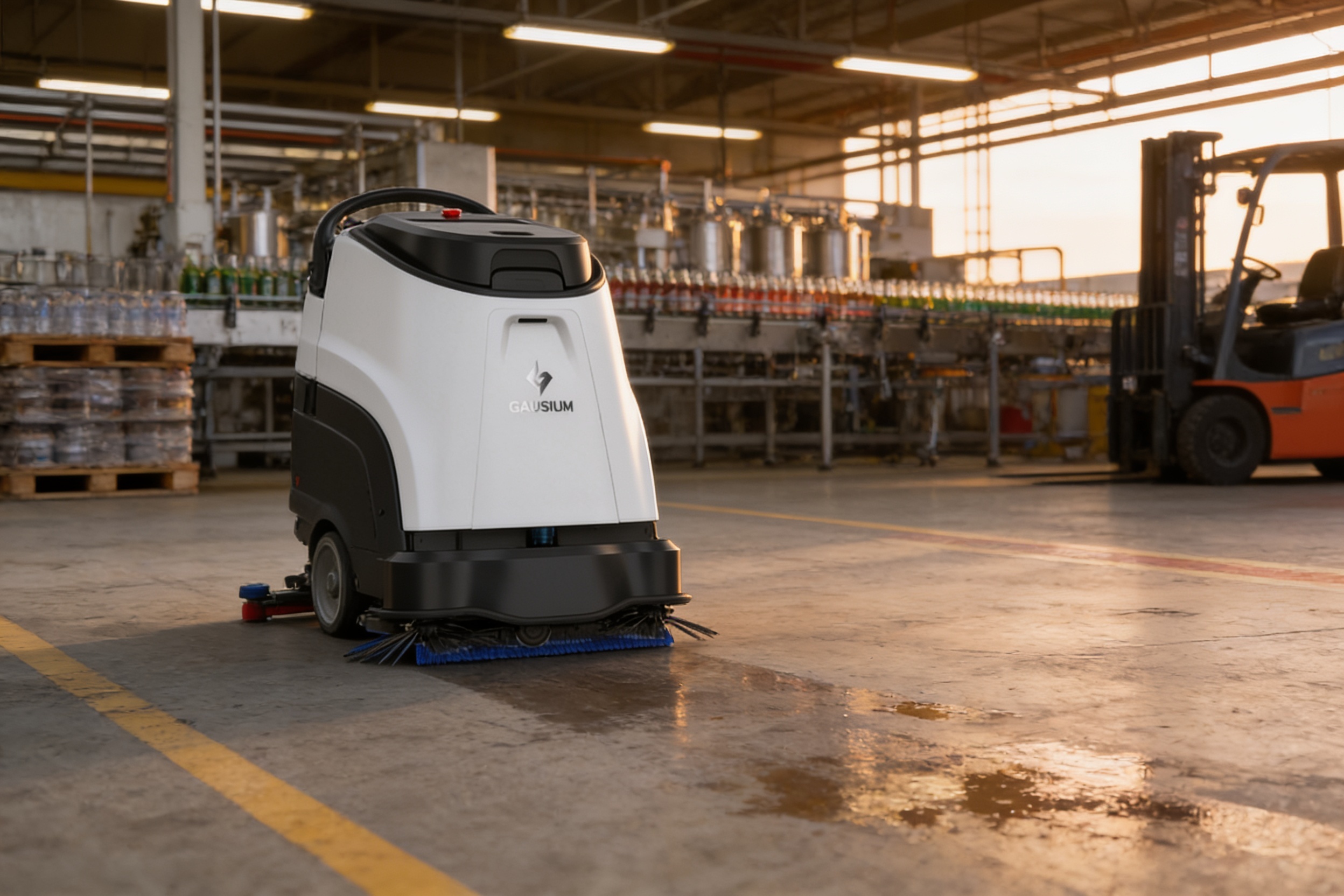
Chalk dust and dry debris suit a robot. A sweeper or scrubber working a set route at a set time covers fine dust across the aisles and does it the same way every night. Sticky spills need a different approach, because a patch pushed across the floor spreads and leaves a film that catches the next pass.
The practical split is simple. The closer treats sticky spills by hand, with a rag and cleaner, before the robot starts, especially at the bar front, the entry mat and any spot where drinks were set down. The robot then covers the open floor along its route. Those hand treated zones are where a machine is least useful at close.
Ask about the cleaning agent during the site assessment. The floor type and the cleaner in use change how a scrubber performs and how often its brushes and pads need service, so the answer belongs in the route plan, not in an afterthought.
A freshly mopped patch should dry before the machine passes over it, so the closing order should state when the bar front is ready for the run. Writing that time into the sequence stops the closer from guessing at 2 a.m.
Is a lone closer at 2 a.m. the real staffing problem?
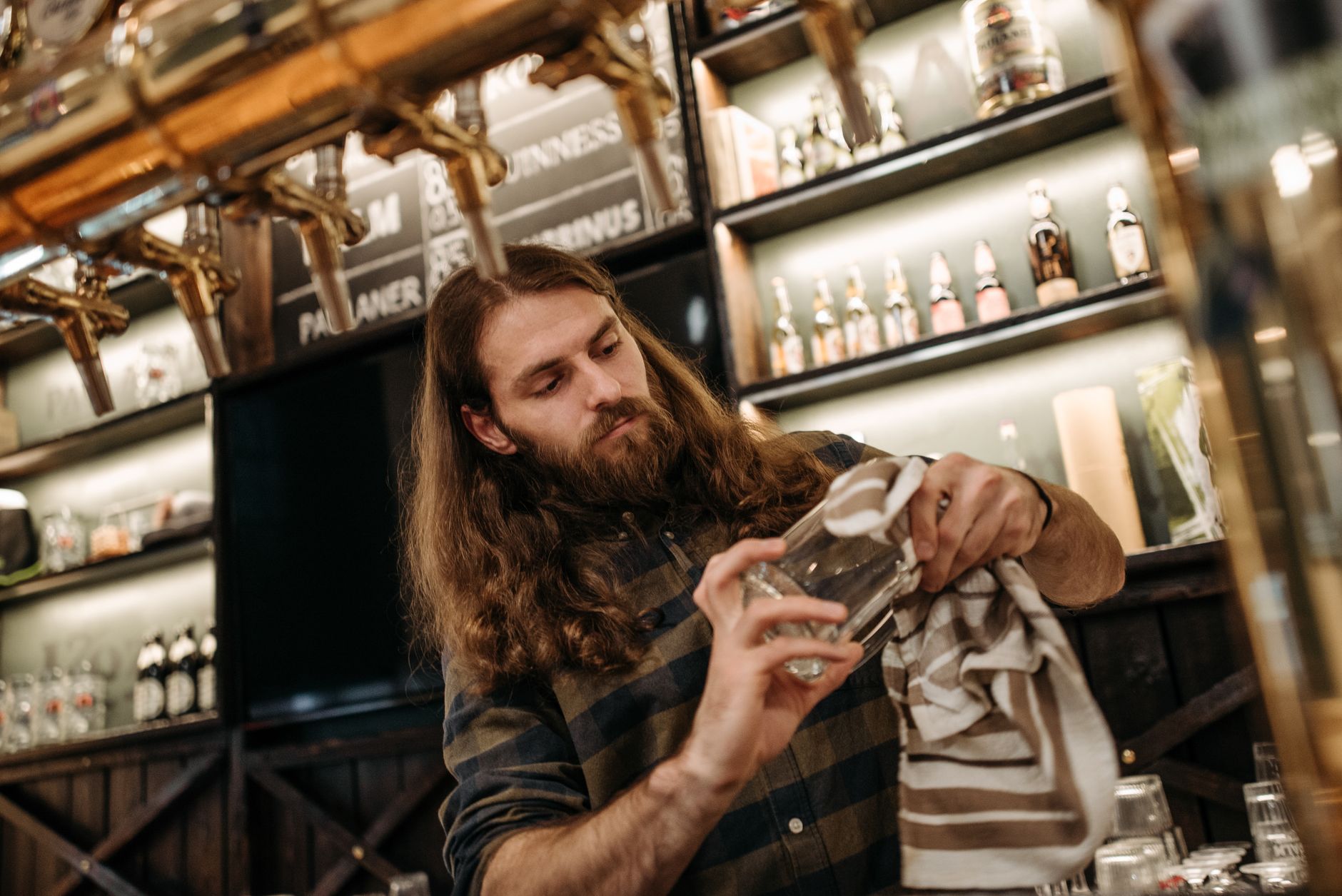
Staffing is the real pressure point. According to the Bureau of Labor Statistics Occupational Outlook Handbook, about 2,447,700 janitors and building cleaners jobs existed in 2024, and projected growth from 2024 to 2034 is 2 percent, slower than average, adding about 47,800 jobs. Those figures cover the whole occupation, not billiards halls, but they describe a field that is not expected to grow quickly.
The injury side matters at close too. According to Bureau of Labor Statistics injury data, private industry recorded 479,480 days-away cases involving falls, slips and trips in 2024, and 844 fatal falls, slips and trips across all sectors. The nonfatal rate for this event type was 22.6 per 10,000 full-time workers, and total injury and illness cases were 2.5 million, down 3.1 percent from 2023. These figures cover all private industry, not billiards halls, but a tired closer on a wet, cluttered floor is the exact risk they describe.
Reduced floor time is the main reason to consider a machine here. Every hour a closer spends pushing a scrubber across open aisles is an hour not spent on the bar, the cash count or the lock up. A robot does not remove those tasks, but it can change which of them the closer has time to do well.
What does a closing shift with a robot look like?
A closing shift with a robot follows a fixed order. The closer does the work that needs judgment first, starts the machine on the open floor, then returns to check the run and finish the close. The robot does not change the order of the closer's tasks. It changes how much of the floor the closer must walk by hand.
The timeline below is a planning sketch, not a measured schedule, because the sources we reviewed did not include billiards hall cleaning hours. The site assessment replaces the sketch with your own route, stool count and closing sequence.
Settle one point in advance: what the closer does when the robot reports a stop. A stop should be cleared by a person, logged and handled before the machine goes out again. That rule belongs on the closing checklist in writing, next to the stool and cue checks.
Plan the lock up around the run. The robot needs the open aisles clear before it starts, so the stool lift and cue rack check come first, and the final walk and lock up wait until the run finishes or any stop has been cleared. Reversing that order leaves the machine waiting on the closer for much of the shift.
When is a robot the wrong fit for a billiards hall?
A robot is the wrong call when the floor is not cleared at close. If stools stay on the floor, cue sticks are scattered or sticky spills need hand treatment every night, the machine will spend its run stopping and reporting instead of cleaning. The first fix in that case is a closing routine, not new equipment.
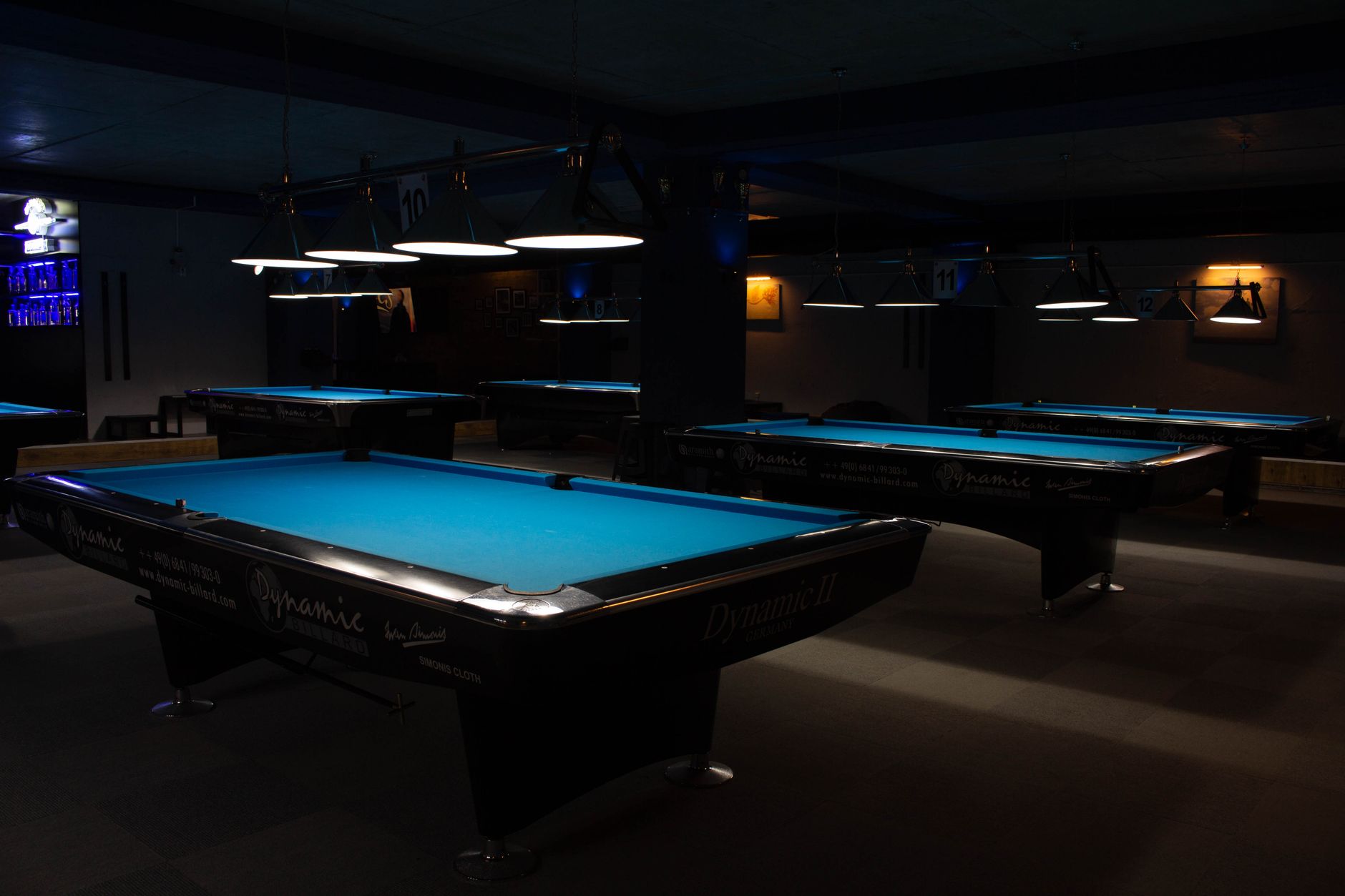
Layout matters too. Aisles too tight for the machine, uneven floors, step edges and loose gear that cannot be cleared all cut into what a robot can cover. Back rooms, upstairs areas and restrooms often sit outside the route entirely and need their own plan.
Be honest about the lone closer. A robot takes floor time off the closer, but it does not replace the closer at 2 a.m. The person still sets up, reviews stops, handles spills and locks up, and that work should be written into the closing plan before any lease is signed.
How does getting a robot for a billiards hall work?
It starts with a free site assessment. We map the aisles, measure gap widths, note stool and cue rack positions, check the floor type and look at where a charger would sit. We then recommend a route and a machine that fits it, and nothing is leased until that route works on your floor.
The lease comes through financing, and the fixed lease payment is quoted after the site assessment, so the figure reflects your floor and your route. Maintenance is included under our service plan, with on-site dispatch, remote triage and spare unit coverage when a machine is down. We are OEM neutral, so the recommended unit is the one that fits your route.
Training covers the closer and anyone else who opens or closes, and go live support runs through the first nights. If the route needs changes after go live, the mapped data from the site assessment makes the fix faster than starting over. A pilot on one leased unit is a reasonable way to test the aisles before the hall commits to more.
Before any lease, ask for the route plan in writing, the closing rule the robot depends on and the service response expectations for your area. A good assessment answers those questions with your floor in mind, not with a generic brochure.
Frequently asked questions
Want a cleaning robot at your billiards halls?
Tell us about your site. We will recommend the robot, quote the lease, and keep it serviced.
Sources
- Bureau of Labor Statistics, Occupational Outlook Handbook: Janitors and Building Cleaners
- Bureau of Labor Statistics, Injuries, Illnesses and Fatalities program
- Bureau of Labor Statistics, Injuries, Illnesses and Fatalities latest numbers
- Trade association autonomous cleaning equipment survey report
- Market research chart of US pool and billiard hall businesses
- Local newspaper article on pool hall counts