
The question, in the buyer's words
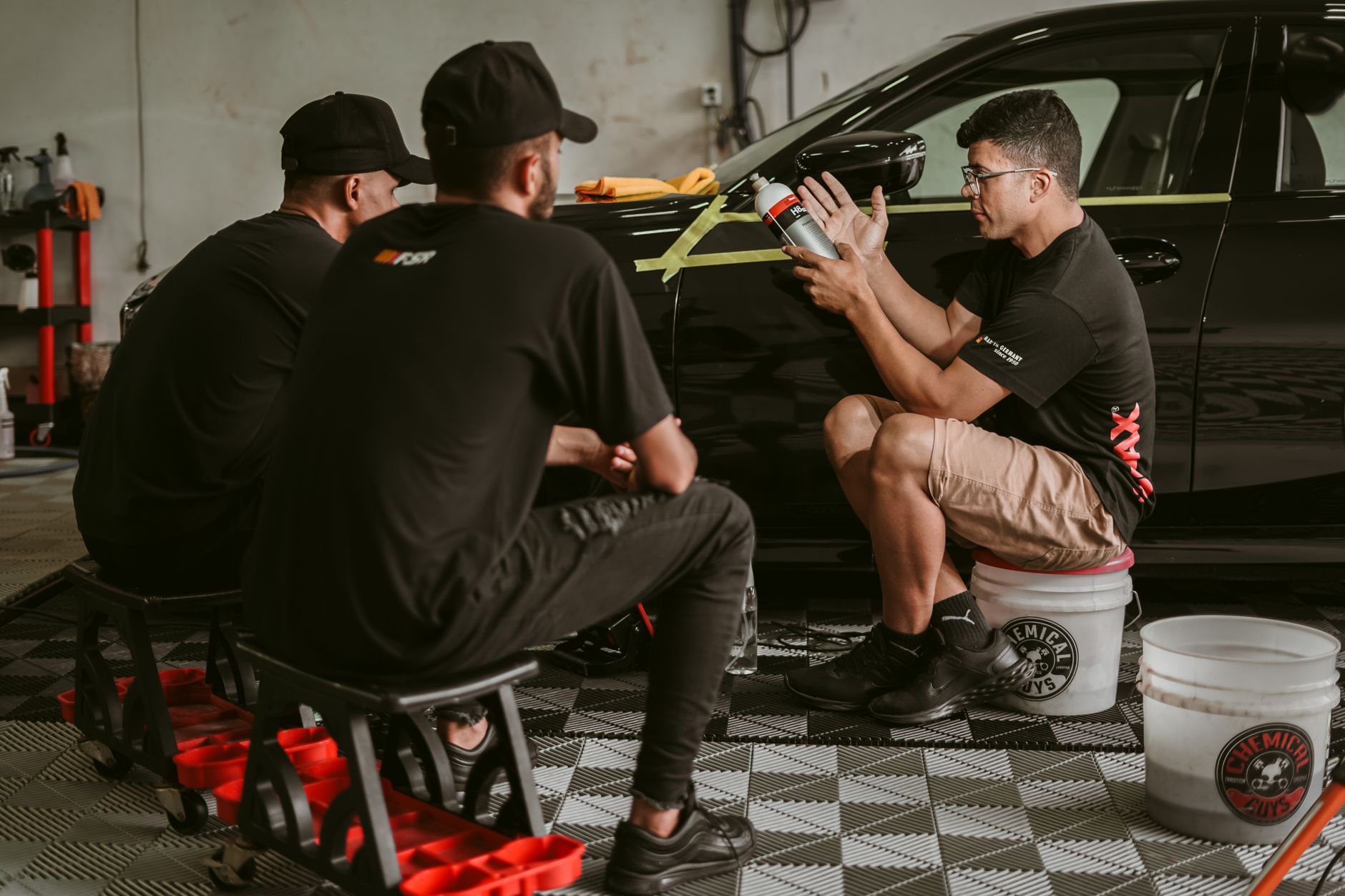
I run the automotive and welding training shops for a community college in Waco, Texas, and instructors keep stopping labs to sweep and mop between sessions; could a cleaning robot run those shops after hours so class starts clean?
Key takeaways
- A floor robot can take the overnight sweep and scrub that instructors now stop class to do.
- Oil pools, hot slag, benches, booths and dust inside equipment still need trained staff with the right tools.
- Waco summers often reach 100 degrees Fahrenheit, so check the robot's rated temperature range before any lease.
- A 2019 industry survey found most facilities had not used autonomous cleaning equipment, so starting with one shop is the sensible pilot.
- A free site assessment and a written quote decide whether the robot fits your floors and your class calendar.
Can an after hours cleaning robot run a Waco college training shop overnight?
Yes, for the open floor. A floor robot follows a fixed route, which suits a training shop where the same aisles and bays get dirty every session. Run it after the last class, and it covers the concrete while nobody is in the room. The instructor gets back the minutes that now go to sweeping and mopping, and the class starts on a floor that is not gritty from the session before.
The fit depends on what lands on the floor. Fine grinding dust, loose grit and light metal debris are the kind of load a floor robot can carry across its route, provided the route is clear. Oil pools, coolant, welding spatter and hot slag are a different job. Those need staff with the right tools, degreaser and PPE, and some of them should never reach a robot's brushes at all.
How do Waco summers and storms change the cleaning schedule?
Waco's climate affects the schedule more than most people expect. According to the National Weather Service, July and August daytime highs are consistently in the 90s and often reach or exceed 100 degrees Fahrenheit. Most summer rain falls in brief afternoon or evening thunderstorms, which is why doors, dock entrances and tool access points get wet and muddy in a way a dry shop never does.
Heat matters for the robot as much as for people. If the HVAC drops to a setback temperature after hours, the room can stay very hot all night, so check the rated operating temperature range for any unit you consider and keep the charging spot inside that range. Storm weeks call for a dry entry path and a wet floor rule: clear the entry area before each run, and do not send a machine across standing water unless its specification says it can handle it.
What does the floor actually collect in an automotive or welding lab?
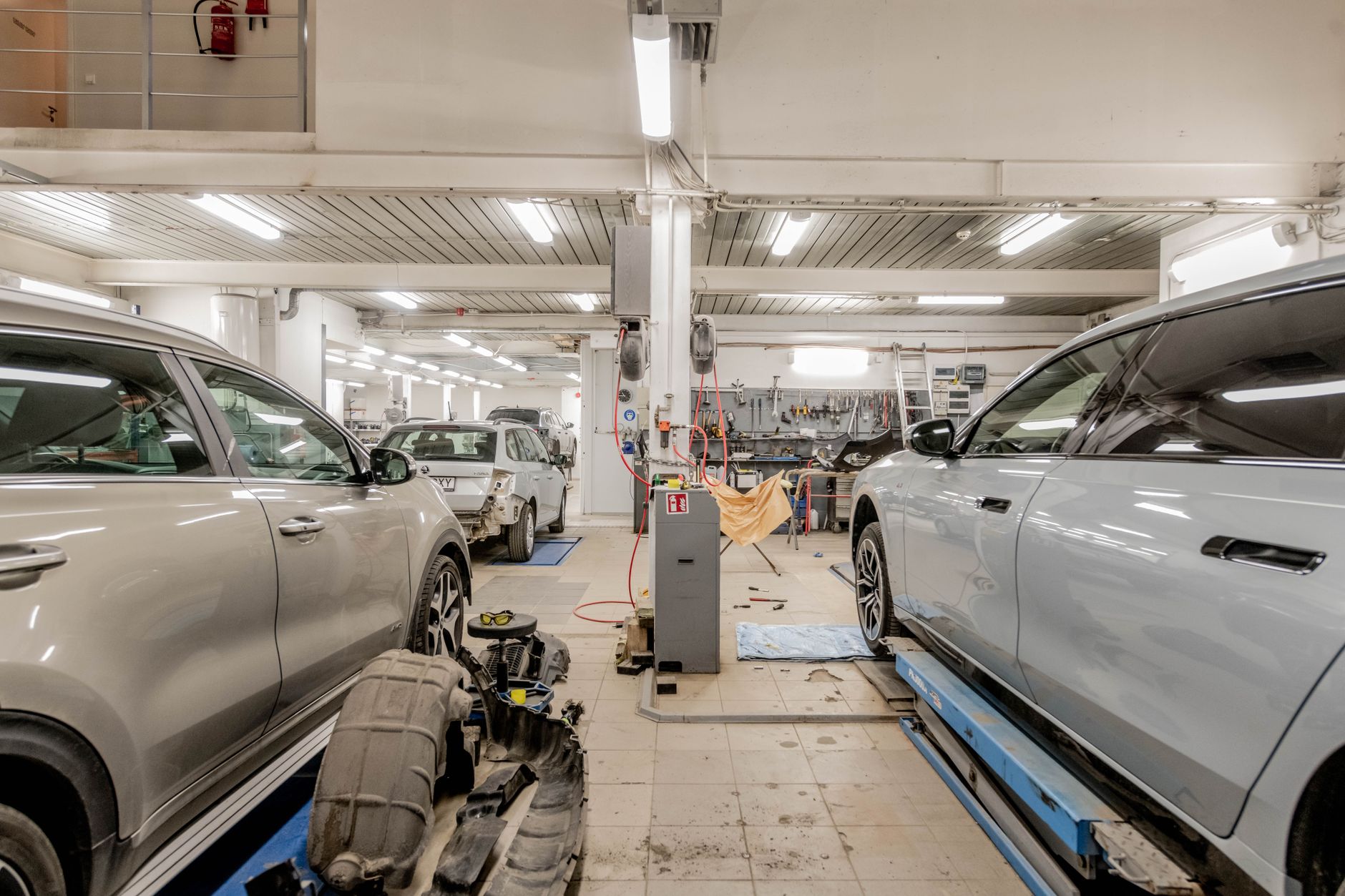
The debris changes by bay. Welding stations collect spatter, slag flakes and fine grinding grit, and the grit spreads down the aisle every time a cart rolls over it. Machining areas leave chips and cutting fluid. Automotive bays add oil and brake fluid drips under lifts, tire and rubber dust, and shop rags on the floor. Each residue behaves differently, and that difference decides which tool can clean it.
The clutter matters as much as the material. Extension cords, air hoses, jack stands, creepers, tool carts and welding tables that move between sessions block a route and confuse a robot's map. In many shops the mop comes out mainly for spots a sweeper cannot reach, or where oil has to be broken down before it can be lifted. Those stops are the ones that eat teaching time, so the real question is which of them a robot can remove.
What can a cleaning robot clean in a training shop, and what can't it?
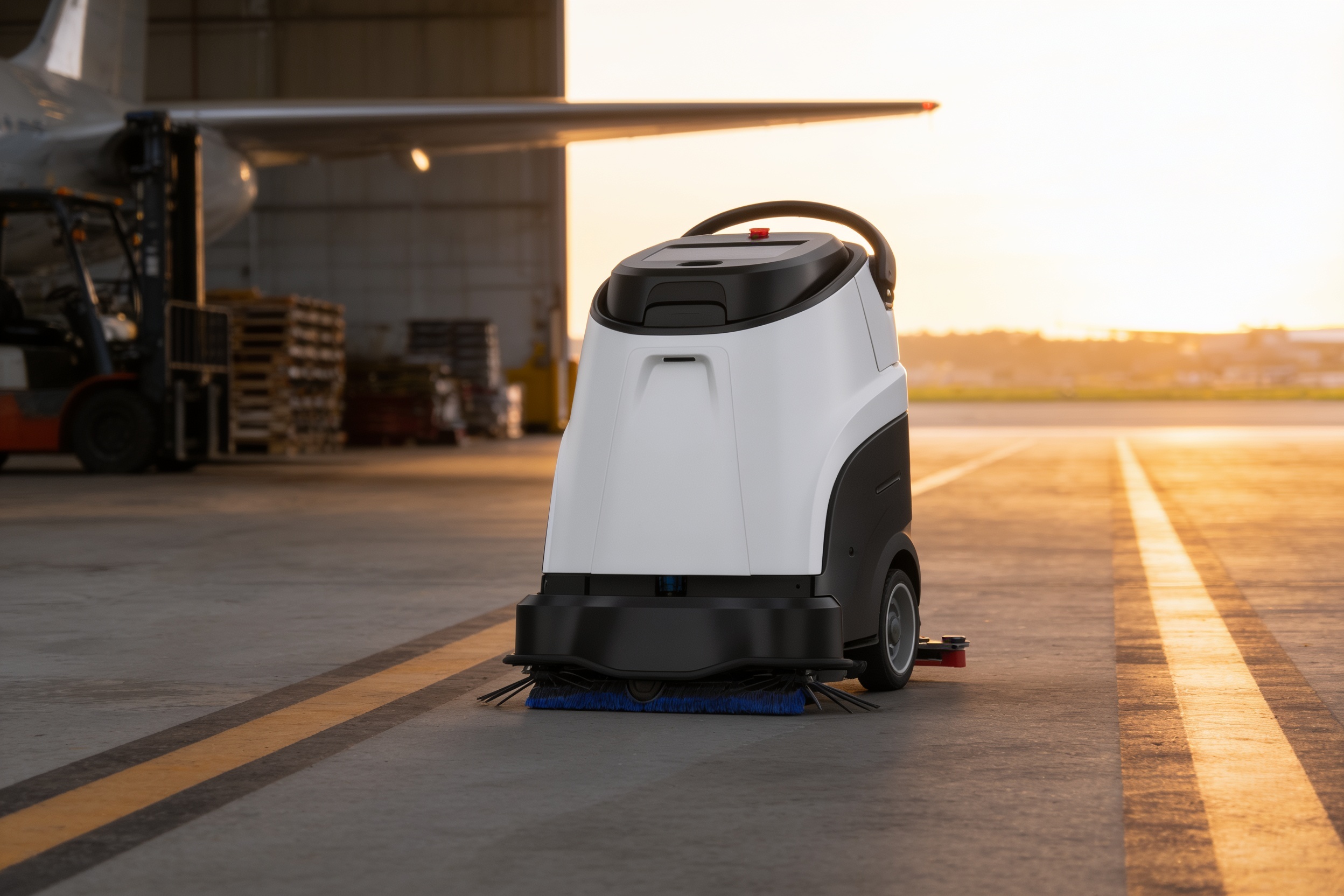
A floor robot can handle the open concrete and the aisles: sweeping loose grit, scrubbing dry or loose residue, and repeating the same route every night. It fits the broad floor that every session walks across, because the work is the same each night and the route does not need a person to steer it.
It cannot handle the stops that stay with staff. Oil and coolant pools need degreaser and hand work before anything can be lifted. Hot slag and large chips can damage the machine, so a person should remove them with a magnet, scraper or dustpan first. Benches, tool surfaces, machine interiors, booth walls and cabinets are staff tasks. Between-session cleaning during the day is the part a night robot does not change, so a quick vacuum for spills, run by a lab tech or the instructor's helper, still fills that gap.
- Good for the robot: open concrete between benches, main aisles, loose grit and dry fine debris, on the same route every night.
- Staff keeps: oil and coolant pools, hot slag and large chips, benches and tool surfaces, insides of booths and cabinets, and any area with live cords or loose stands.
- Staff plus robot: clearing carts and cords before the run, emptying the dust bin, checking the log, and handling any stopped area.
How many people does this work take, and who is hiring for it in Waco?
Nationally, the cleaning labor pool is large and not growing fast. According to the Bureau of Labor Statistics, about 2,447,700 people held janitor and building cleaner jobs in 2024. Projected growth is 2% from 2024 to 2034, described as slower than average, with about 351,300 openings per year on average. Welding is similar: about 457,300 welders, cutters, solderers and brazers held jobs in 2024, with the same 2% projected growth.
Waco's industrial base is the local context. The Heart of Texas Council of Governments county profile, using 2025 ESRI data, reports 9,536 manufacturing employees in McLennan County out of 122,379 total. The Federal Reserve Bank of St. Louis reports Waco metro manufacturing employment at 16.6 thousand in 2024, up from 15.7 thousand in 2020. The HUD housing market analysis for Waco (2024) lists a university as the largest employer with 3,750 employees, and a health system next with 2,700.
For your shops, the manufacturing base that uses these skills is growing, so students who learn to work clean are being hired locally. The custodial figures above are national. I did not find a verified count of Waco custodial staff, so treat those numbers as context rather than a local count.
Are facilities already using floor cleaning robots, and what does that tell a decision maker?
Adoption is still early for many facilities. A 2019 survey by AACEM and ISSA found that 62% of building service contractors, 68% of in-house service providers and 69% of facility and property managers had not used autonomous cleaning equipment, as reported by FMLink. The survey is from 2019, so use today is probably higher, but I did not confirm a newer figure from a named source, and this page does not claim one.
The pressure behind the interest is labor. Facility Executive reports in July 2025 that most facility managers cite understaffing as a major challenge, and that is why cleaning robots keep appearing on facility plans. Read that as a reason to run a pilot, not as proof that a robot will fill a missing shift.
What safety rules apply to metal dust and welding fume on the floor?
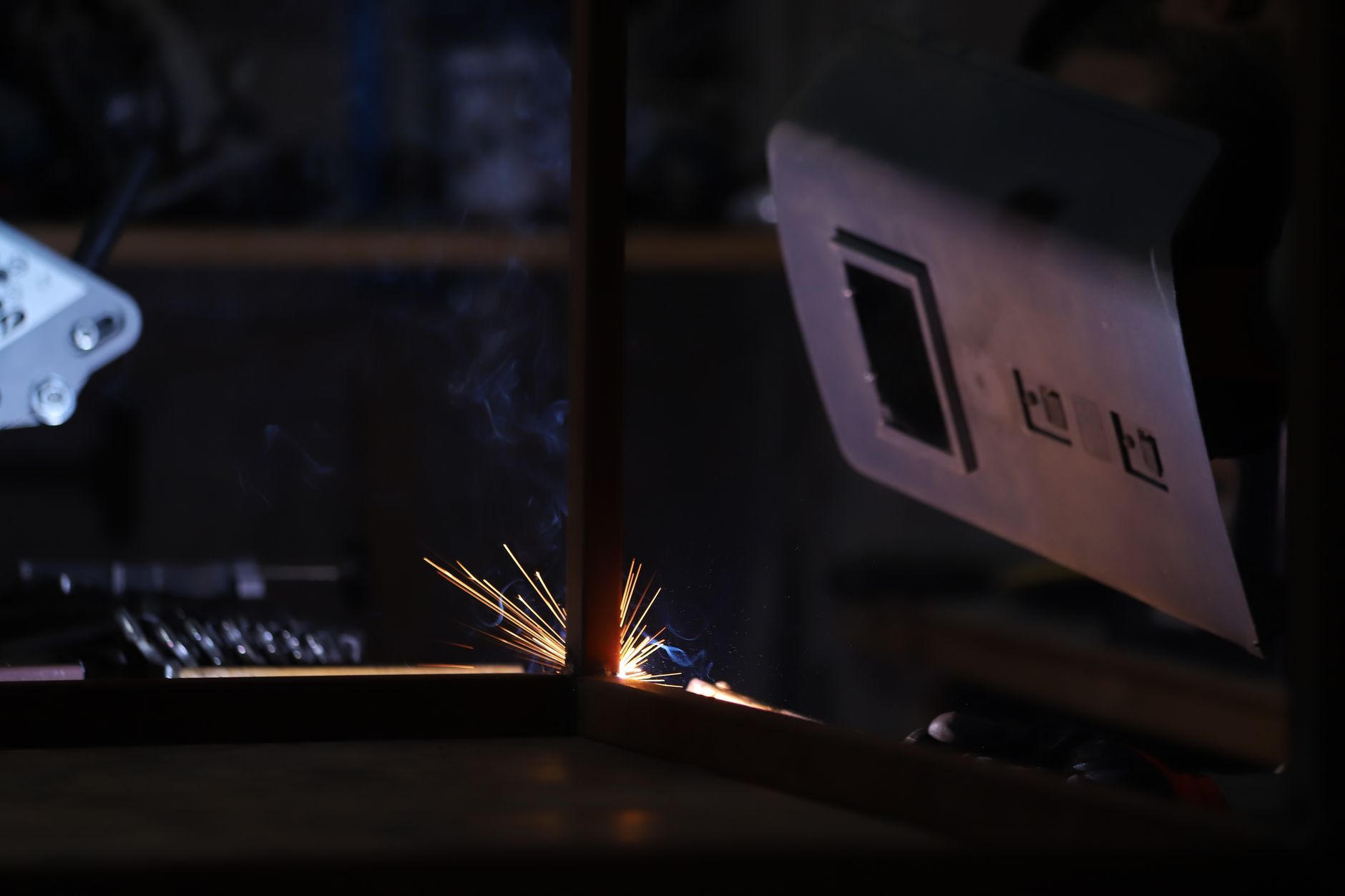
A floor robot does not clean the air. Airborne fume and fine dust are controlled with exhaust ventilation, enclosure and PPE. OSHA's welding standard, 29 CFR 1910.252, covers welding operations, and fume management follows OSHA's hierarchy of controls, which puts elimination and substitution first and engineering controls such as local exhaust ventilation ahead of personal protective equipment. A robot on the floor is not one of those controls.
Exposure limits vary by metal and process. The numbers in vendor guides I reviewed were not checked against the regulation's tables, so take the limits from OSHA and your safety officer, not from a marketing sheet. Ask for the safety data sheets for the metals and consumables your shops use, and confirm which dust jobs need a HEPA vacuum rather than a broom or a robot.
The dust bin is a practical point people miss. Emptying a robot's collection bin releases the dust it picked up, so write a procedure for that task, usually with a HEPA vacuum and the same PPE the room already requires. Keep the robot out of dust clouds while a bay is being ground or cut.
How do you get a cleaning robot leased and set up for the shops?
Start with a free site assessment. We walk each shop, map the routes, and note floor type, cracks, drains, debris, obstacles, door thresholds, power and where a charging spot can sit. The lease payment comes in a quote after that assessment, through lease financing, so the numbers reflect your floors and your schedule.
After the quote comes deployment and integration. We set the route, match the schedule to the class calendar, and write the pre-run clearing routine with your staff. Instructors and lab techs learn how to clear carts, check the log and handle a stopped area. A one shop pilot is a common way to start.
Service runs under our service plan, with regional service engineers in every state we service, on-site dispatch when a unit needs hands on it, and remote triage for faults. One partner handles the whole lifecycle, from the first assessment to the service calls, instead of separate vendors for each part.
What should the college check before deciding on a cleaning robot?
The answer changes with a few site facts. Floor condition, obstacle density and the debris mix matter most, followed by the after hours window, the overnight room temperature, and who signs off on dust and fume control. A shop with sealed concrete, few rolling carts and mostly dry grit is a much easier yes than one with oil-soaked floors and welding tables that move every night.
Before you ask for a quote, gather the facts a site assessment will need anyway, and list which stops your staff make today and which ones a robot would replace. That list turns a general question into a decision about your labs.
Frequently asked questions
Upcoming schools & higher education events
- ConferenceNew England College Health Association (NECHA) 2026 Annual MeetingNov 11 to 13, 2026Newport Marriott Hotel & Spa, Newport, RI
- ConferenceCASBO CBO Symposium (Executive)Nov 19 to 20, 2026The Langham, Pasadena, CA
- Conference48th Annual Conference on School FacilitiesFeb 23 to 25, 2027SAFE Credit Union Convention Center, Sacramento, CA
- ConferenceVirginia Association of Museums (VAM) 2027 Annual ConferenceMar 13 to 16, 2027Virginia Guesthouse Hotel and Conference Center, Charlottesville, VA
Put a robot to work in Waco.
We walk your site, learn the job, and recommend the unit that fits. Then we quote the lease, deploy it, and keep it serviced.
Sources
- National Weather Service, Fort Worth office climate narrative for Waco
- Bureau of Labor Statistics, Occupational Outlook Handbook: Janitors and Building Cleaners
- Bureau of Labor Statistics, Occupational Outlook Handbook: Welders, Cutters, Solderers and Brazers
- Heart of Texas Council of Governments, McLennan County profile (2025 ESRI data)
- HUD, Waco TX Community Housing Market Analysis (2024)
- Federal Reserve Bank of St. Louis (FRED), Waco MSA manufacturing employment
- AACEM and ISSA autonomous cleaning survey (2019), reported by FMLink
- Facility Executive, how robotics became a staple in modern cleaning and maintenance (July 2025)