
The question, in the buyer's words
I run a 60-person craft brewery in Milwaukee, Wisconsin, and two forklift drivers are stretched across filling and loading; how would we start autonomous forklifts on keg moves from the cooler to the dock without a driver on every shift?
Key takeaways
- Autonomous forklifts fit the repeat cooler to dock trips, not every move on the floor.
- Start with one leased unit on one route and keep a trained driver for exceptions.
- Milwaukee winter conditions on the dock and at the cold room exit belong in the site assessment.
- Forklift safety rules still apply to the people who work near the route.
- Pull your own driver hours and turnover before you set a target, since national figures are context only.
How can autonomous forklifts take Milwaukee brewery keg moves?
An autonomous forklift is a mobile robot with forks. It follows a mapped route, picks up a pallet of kegs at a set point and sets it down at another, without a person riding it. In a Milwaukee brewery, the route is usually the cooler exit, a staging lane and the dock door, repeated across shifts. The robot handles the trip, but a person still decides what goes on the pallet and whether the load is safe to move.
Your question has two parts that do not get the same answer. The repeat trip from cooler to dock is a strong fit for a first unit. The full filling and loading day, with changing pallets, staging decisions and exceptions, is not something to hand over in the first phase. Plan for the robot to take the steady trips and for people to keep the variable work.
Because the robot runs on a map, the first visit to your site is mapping work, not a demo. The map records the cooler, the staging area and the dock with their real obstacles, and it is the reference the unit uses every shift. That is why the site assessment comes before any quote.
Why do keg moves back up when drivers are pulled to filling and loading?
When one of two drivers is pulled to the filling line, the keg moves that driver would have covered wait at the cooler door. Each move is short, but it waits on a person, so the delay shows up at the filling line and at the dock at the same time. That is why the problem looks like a scheduling issue as much as a headcount issue.
The wider industry picture explains why this matters now. According to Axios, reporting on the Brewers Association report, the U.S. craft brewery total was 9,578 after a 2.9% drop, and 481 craft breweries closed in 2025. WPR reports that Wisconsin's craft brewery count fell for the first time in more than 20 years, based on Brewers Association 2024 data. Operators under that pressure have good reason to protect output, and a repeat keg trip is a sensible place to start because its steps are the same every time.
Trace the delay through one week of logs before you decide anything. Note when each keg move was requested, when it started and when it reached the dock. The gap between request and start is the part a fixed route can help with, and the gap between start and dock is usually a layout or traffic question.
What do Milwaukee's climate and labor market mean for this install?
Winter is the first local factor. According to Wikipedia's climate summary for Milwaukee, January is the coldest month, with an average high about 28°F and an average low about 16°F, and annual snowfall averages about 52.4 inches. That means the dock apron can see snow, slush and salt through the cold months, and the unit's wheels, sensors and charging point all have to work with that. Ask for winter conditions in the site assessment, not only a dry summer walk.
The labor market is the second factor. According to BLS data mirrored on ALFRED, Milwaukee-Waukesha metro manufacturing employment was about 109,100, seasonally adjusted, in September 2026, roughly flat since May 2026. FRED's series for transportation, warehousing and utilities in the metro showed 35,300 employees in December 2025, up from 33,800 in October 2025. A local pool of manufacturing and warehouse workers makes hiring possible, but it does not guarantee a driver is free on the shift you need, so judge the robot against your own schedule.
Recruiter commentary, which is not BLS data, describes metro manufacturing employment as stabilizing after earlier declines. Stabilizing is not the same as adding drivers. Planning for the coverage gaps you already have is more useful than assuming the hiring market will close them.
How risky are forklifts on a brewery dock, and what changes?
Forklifts carry a serious injury record, which is why the rules matter. According to OSHA's Region I directive background estimate, about 1.5 million workers operate about 855,900 powered industrial trucks, with roughly 85 forklift fatalities and 34,900 serious injuries a year. That estimate comes from a FY2018 directive, so read it as background rather than a recent count.
Autonomy reduces the number of people riding machines, but it does not take people off the floor. Cooler doors, dock plates and staging lanes still bring walking staff near moving loads, so the first design question is separation: where people walk, where the robot waits, and what stops the unit when someone steps into its path. Those rules belong in the site assessment, not in a later fix.
Your drivers still need the training OSHA requires. OSHA guidance calls for an operator performance evaluation at least once every three years, separate from refresher training triggered by unsafe operation, accidents or near misses, or assignment to a different truck type. If a driver moves into exception work or supervising the robot lane, check with your safety officer whether that change triggers refresher training.
Which keg moves fit an autonomous forklift, and which do not?
The best candidates are moves you already make the same way every time: cooler door to staging lane, staging lane to dock door, on the same floor and at the same times of day. A fixed path lets the unit run its mapped route at a steady pace. Consistent loads matter as much, because a pallet that looks different from the last one can make the robot stop and leave a queue at the dock.
Moves that do not fit are the ad hoc ones: a rush order pulled from another cold room, a mixed pallet built on the fly, a load that has to cross a yard, or a dock layout that changes every day. Those belong to the driver. A useful test is whether you could describe the trip to a new hire in one sentence without a judgment call. If you could, it is a candidate. If you could not, keep it with a person.
Think about the mix of loads over a week rather than one day. If most keg moves follow one or two patterns, the robot covers most of the volume. If the mix is spread across many patterns, the robot covers a smaller share, and the first phase should stay narrow.
How would a Milwaukee brewery start autonomous forklifts on keg moves?
Start with one unit on one route, not the whole cooler and dock. Map the cooler exit, the staging area and the dock door, then run the route on a short trial with a driver watching. The goal is a clean record on the fixed trips before you add a second route or a second unit.
The commercial side follows the same logic. We pick the right robot for the site across manufacturers, lease it through financing, deploy and integrate it, train your staff, and service every unit under our service plan, with regional service engineers in every state we service. The lease payment is quoted after a free site assessment, so the first step is a walk of your floor, not a commitment to a machine.
Keep the first trial specific. Name the person who watches the route, the person who clears a stop, and the person who decides when to pull the unit off the route. Write those names into the plan before the unit arrives, so nobody learns their role during the first stop.
What happens on the dock and in the cold room during winter?
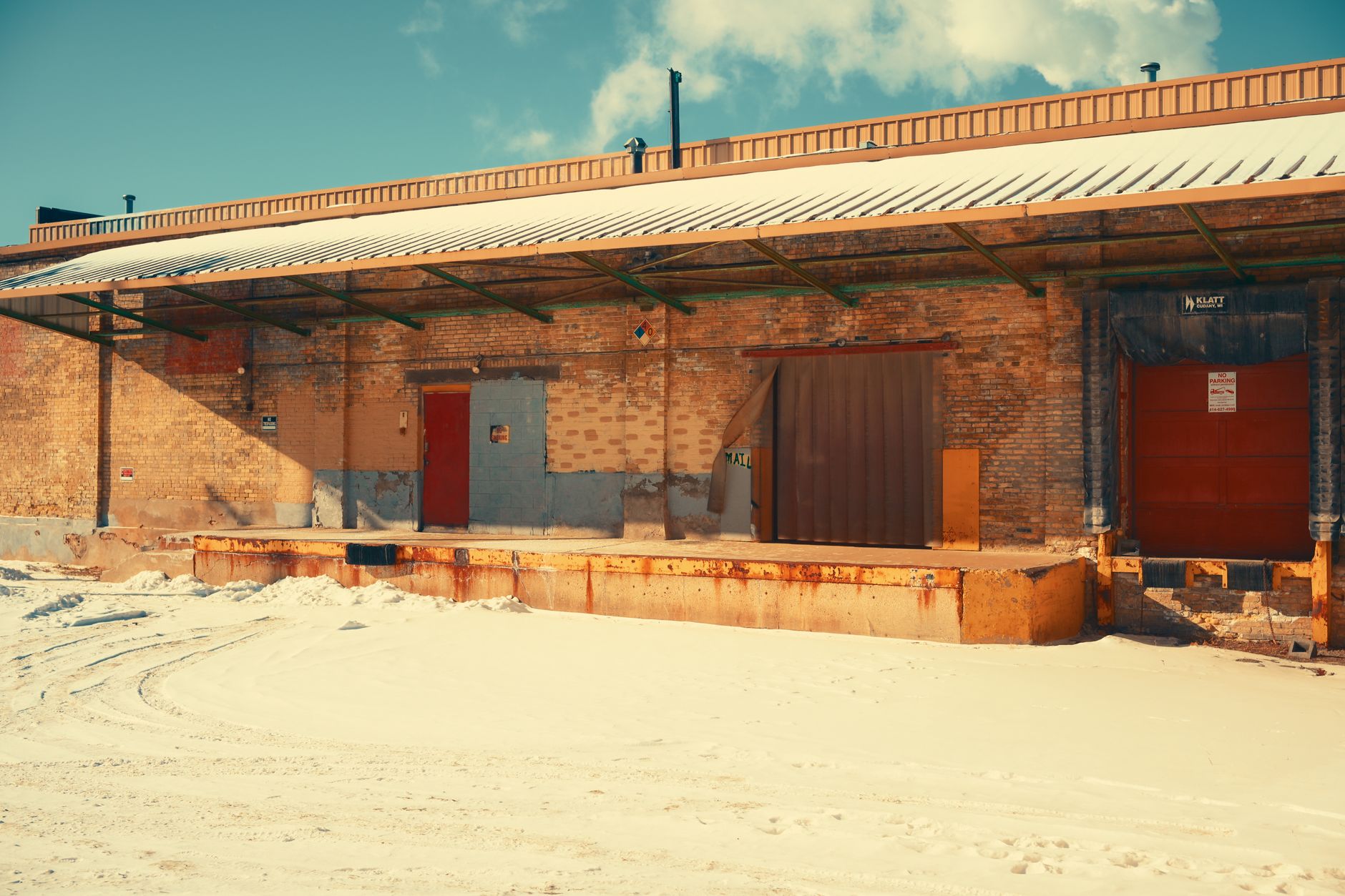
Plan on a dock that is not always dry. Snowmelt, slush and salt tracked in from trucks can change traction and sensor readings on the same stretch of floor from one day to the next. Ask the assessment team to walk the route in a cold month, and set the cold room exit and the dock apron as separate zones with their own checks.
The cold room creates the opposite problem at the handoff. Moving from a cold cooler to a warmer floor can cause condensation on sensors and lenses, so the threshold needs a clear path and a plan for cleaning sensor surfaces. Test the route through at least one cold month before you judge it, and log every stop with its cause, because the pattern of stops shows what to fix.
What worries do managers raise before saying yes?
The first worry is usually headcount. According to BLS, 640,950 people were employed as industrial truck and tractor operators nationally in May 2020, the figure I could verify in this search. That national count gives context only. Your real question is whether two drivers can cover the shifts you run, and your own schedule answers that better than any national figure.
Turnover is the gap in the public record. National turnover or separation rates for this occupation were not found in this research, so pull your own driver hours, departures and absence records before you set a target. Those records will show whether the robot should cover a steady gap or a seasonal one.
Set the measures before the trial: driver hours on filling and loading, stops per shift, and dock queue time. A trial with measures agreed in advance is easier to judge than one judged by memory.
The worry owners raise most often in conversation is whether the people who run the forklifts now will feel replaced. Be direct with them. The robot takes the repeat trips, and the people keep filling, loading and the exception work, which is the skilled part of the job. Explain that before the trial, and invite them to report stops, because they know the floor better than any plan.
Frequently asked questions
Upcoming events in Milwaukee, WI
Put a robot to work in Milwaukee.
We walk your site, learn the job, and recommend the unit that fits. Then we quote the lease, deploy it, and keep it serviced.
Sources
- Axios, reporting on the Brewers Association report
- WPR, Wisconsin craft breweries
- BLS OEWS May 2020, industrial truck and tractor operators
- OSHA Region I powered industrial trucks directive
- OSHA powered industrial trucks training
- Wikipedia, Climate of Milwaukee
- BLS data via ALFRED, Milwaukee-Waukesha manufacturing employment
- FRED, Milwaukee transportation, warehousing and utilities employment