
The question, in the buyer's words
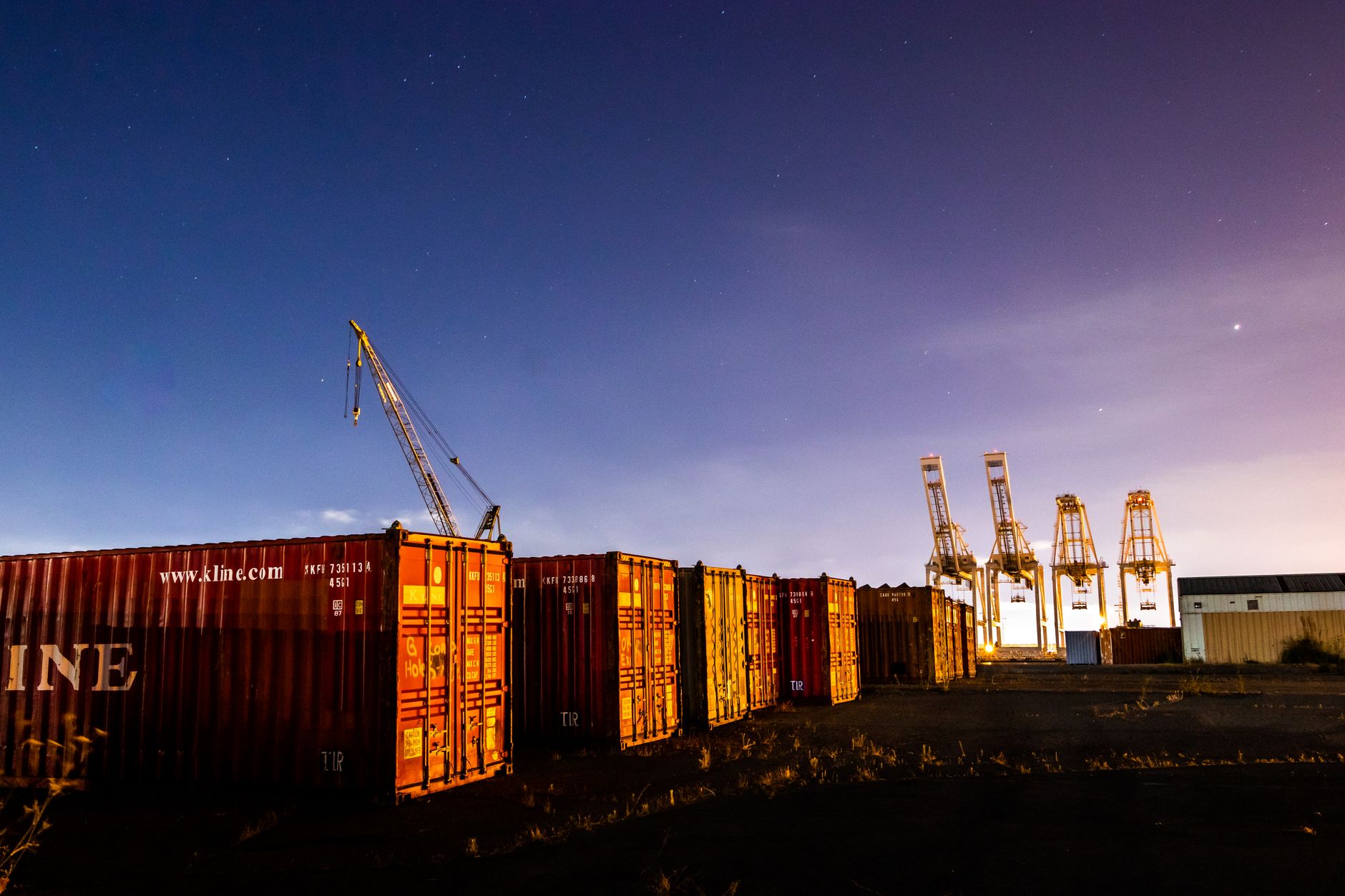
I run a 200-person propane cylinder filling plant in Enid, Oklahoma, and our forklift drivers are burning out on night shift because cylinders stack up at the fill line; could autonomous forklifts run that night staging without a driver on each shift?
Key takeaways
- Autonomous forklifts can take the repetitive staging moves, but not the judgment calls at the fill line.
- Plan for fewer night forklift seats with one trained person covering exceptions, not zero people.
- Enid's summer heat and winter cold affect batteries, charging and the dock approach.
- Night driver gaps are a staffing problem as much as a fatigue problem, so plan the roster for turnover.
- Confirm fill and staging rules with Oklahoma regulators and your own procedures before going live.
Can autonomous forklifts run night staging at an Enid propane plant?
Yes, for the repetitive part of the work. An autonomous forklift can carry filled cylinders from the end of the fill line to staging lanes on a fixed route, bring empties back on a separate loop, and return to charge between runs without a driver in the seat. That covers the moves that wear out night drivers: the same short run over and over while the pile grows at the fill line.
No, if the plan is zero people on nights. Someone still has to judge cylinder condition, check valves and fill limits, clear a blocked lane, and decide what to do when a load looks wrong. Those calls belong to a trained operator, and a propane plant should not hand them to a machine. A night with nobody able to make those calls is not a safer night.
The realistic goal is fewer forklift seats on nights and one trained person covering the fill line, the exceptions and the unit fleet. The sections below cover the Enid conditions, the labor and safety picture, the propane rules that shape the design, and what to check before you commit.
What does night staging involve at a propane cylinder filling plant?
Night staging is the work between the fill line and the dock or storage area. Filled cylinders come off the line, move to staging lanes sorted by route or customer, and wait for morning loading. Empties travel back toward the fill line. Because a fill line runs continuously, a delay at one end shows up as a pile at the other, and the pile is what your night team feels first.
When one forklift is short, filled cylinders wait at the fill line. That can slow filling and push the drivers who are left into a faster pace, which is when mistakes become more likely. The work is repetitive, stop and start, and done under time pressure in a building that is hot in summer and cold in winter. That combination drives burnout more than any single hard lift.
Walk the route once with your drivers before any vendor drawing is made. Mark every stop, turn, lane change and blind corner, and note where the pile actually starts. A route only works if the map matches the floor, and the walk usually shows the pile starts at one handoff, not everywhere.
How much night driver time does the staging route really take?
Do not size this from a national average. The useful numbers come from your own shift logs: how many loads cross the staging area each night, how long each run takes including the wait at the fill line, and how many minutes each night driver spends on the staging route versus dock work, cylinder checks and breaks.
The table below lists the task by task split we would use to scope a pilot. The hour columns are left to your logs on purpose, because no verified figure for your plant was available for this page. Time each task over several nights, not one, so a slow fill day does not skew the result.
Watch for the work that does not show up in the log. Battery swaps, clearing a jam at the fill line, and walking to fetch a stuck cylinder all take driver time. Those small tasks often decide whether one person can cover the route alone, so count them with the same care as the main moves. If a route takes a long time, the question is whether a unit can run it while people handle everything else.
How do Enid's summers and winters change the night floor?
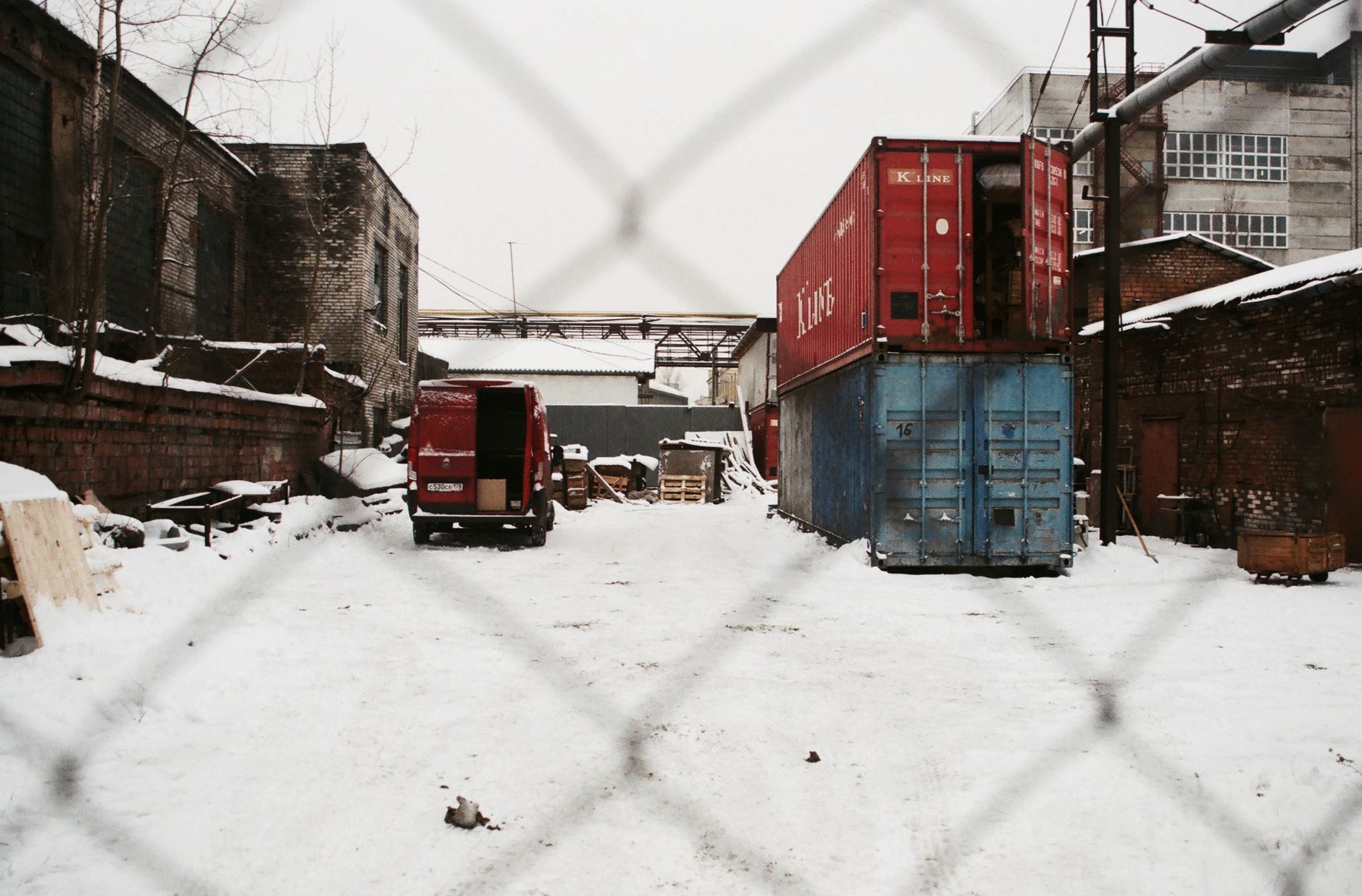
Enid runs hot in summer. According to WeatherSpark, a secondary climate site rather than the National Weather Service, July averages a high of 94°F and a low of 71°F. Usclimatedata gives a June average high of 89°F. Heat matters for batteries, charging and driver fatigue, so ask how any unit handles a hot floor and a hot charging bay.
Winter is the other side. WeatherSpark gives a January average high of 47°F and a low of 27°F, while Usclimatedata gives 46°F and 24°F. The two sites also disagree on snowfall, so confirm the snow and ice pattern against National Weather Service or NOAA normals before you set the dock approach plan. A route that runs cleanly in July can need a different plan in January.
Two practical points follow. First, plan a clear dock approach for ice days, because a surface that slows a person can stop a unit. Second, keep the charging bay away from the hottest and coldest parts of the building where you can, and ask vendors to show their cold start and heat performance data before you accept their numbers.
Who is available to work nights in Enid?
The city's own economic page names the Air Force base as Enid's largest employer and says it has more than 2,600 military and civilian staff. A large employer nearby can shape the local pool of people willing to work nights, so the night roster should be built with that labor market in mind. The page is a city source, so use it for context rather than as a staffing census.
The Enid notes also point to food processing, flour milling and oil related industries as major local threads. Those came from listing sites with generic text rather than verified employer data, so treat them as leads to check with local staffing contacts, not as facts for your plan.
Nationally, the Bureau of Labor Statistics Occupational Outlook Handbook counts about 867,700 material moving machine operators in May 2024, of whom about 792,500 are industrial truck and tractor operators. Warehousing and storage is the largest employer at 36 percent. The same source reports about 83,200 openings a year, mostly replacement, and typical training of under one month on the job. A turnover rate for this job was not found for this page, and the Job Openings and Labor Turnover Survey from BLS is the place to check it. Replacement hiring is the normal state of this job, so write the night roster for turnover and build the training record into the rollout.
What does the safety record say about powered industrial trucks?
Powered industrial trucks carry real risk, and night work adds to it. A summary of OSHA data published by a trade site reports 39 fatal injuries among industrial truck and tractor operators in 2023. It also reports that federal and state programs investigated 140 fatalities and 64 non-fatal incidents across 2022 and 2023. Those figures come from a secondary summary, so check the original OSHA release before you quote them to an insurer or a board.
OSHA estimates that about 1.5 million US workers operate powered industrial trucks, a large workforce and a large share of the exposure. Operator training is set out in the powered industrial truck standard, 29 CFR 1910.178, with the operator training requirements in paragraph (l). Automation does not move those duties away from your plant, so the training and evaluation records remain yours.
An autonomous unit takes the driver out of the travel path, but it does not remove the pedestrian risk around the fill line. Keep people out of the autonomous lanes, mark or fence the zones, and keep a trained person on hand for dock work and maintenance. Those are the places where a night shift is most likely to go wrong.
Which propane rules shape a staging design?
Propane is regulated closely, and fill rules shape how staging can run. The Utah state fire marshal's general filling guidance says propane containers are filled only to 80 percent of capacity, and that filling a DOT cylinder that has not been inspected and qualified violates federal law. Utah is not Oklahoma, so read this as an example of how fire officials treat fill limits, not as your rule.
Oklahoma's rules for fill plants and cylinder exchange were not verified for this page. Check with the Oklahoma Corporation Commission and your own fill procedures before deciding which cylinders can enter an autonomous lane and which need a person to inspect them first. Those two answers shape the lane layout more than any vendor feature.
Trade bodies are useful too. The National Propane Gas Association says it has more than 2,400 member companies in all 50 states, which makes it a practical place to ask about training norms and industry practice. Ask your team to define a hold point for any cylinder that fails inspection, because that hold point is where an autonomous lane should stop and a person should take over.
Robot or person: where each one wins on nights
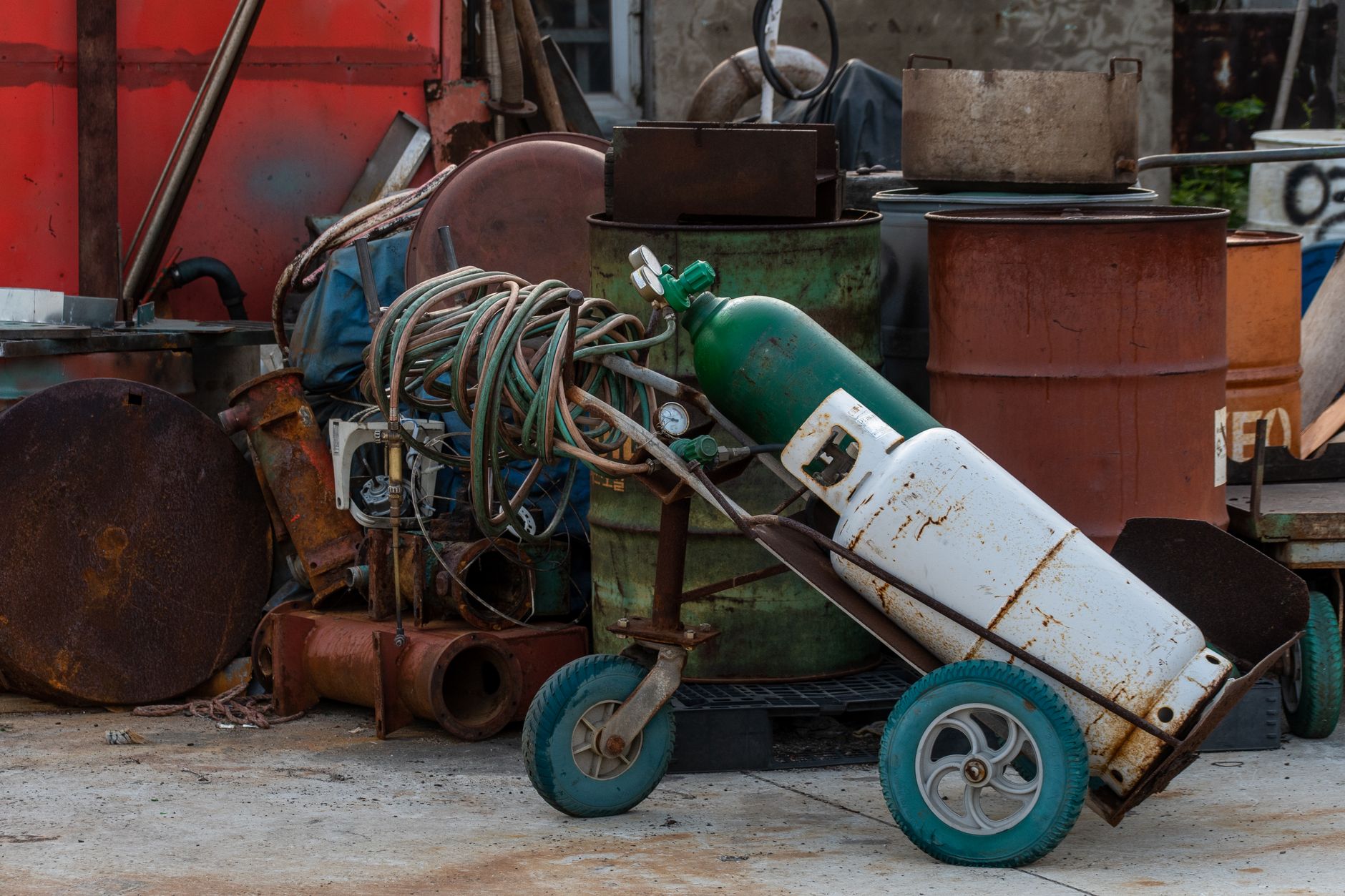
The honest comparison is not robot against people. It is which tasks each handles best on a night shift. An autonomous unit repeats a fixed route without tiring, if the map is right. A person adjusts to a surprise, judges a cylinder and decides when a route should change. Both matter at a propane fill line, and the right split depends on your loads and your staff.
The table below sets out the points that usually decide the question. Where the person wins, you still need a person on the shift, and the table is meant to show that plainly rather than to make the case for any one option.
Use planned adoption figures with care. Industry surveys often report that many firms have adopted or plan to adopt mobile robots, but planned adoption is not proof of results at a propane plant. Your own pilot on one route, measured against your shift logs, is the evidence that matters for this decision.
- Repeating the same route all night
Autonomous Forklift
Repeats a fixed route without tiring, if the map is right
Staff
Tires by the end of a long shift and slows on repeated moves
- Judging a cylinder or valve
Autonomous Forklift
Not suited, needs a person to decide
Staff
Inspects, decides and escalates
- Unexpected blockage or spill
Autonomous Forklift
Stops and reports, a person has to clear it
Staff
Adapts, clears and reroutes
- Covering absences
Autonomous Forklift
Runs when the unit is charged and healthy
Staff
Calls in sick, but can cover other tasks when present
- Night staffing
Autonomous Forklift
Covers the route with no driver seat
Staff
Needs trained people available on nights
- Learning the floor
Autonomous Forklift
Consistent after setup, changes need reprogramming
Staff
Learns local quirks over time and reports them
How does a deployment with us work, and what should you check first?
We pick the right unit for the floor, lease it through financing, deploy and integrate it, train your staff, and service it under our service plan through regional service engineers in the states we cover. We are OEM neutral, so the unit is chosen for your route rather than for one manufacturer. Payment comes in a quote after a free site assessment, which is where the floor, the route and the service needs are priced.
A practical start is one leased unit on a single route, with a plan for absences and charging. A pilot shows whether the route matches your walked map and whether the night team trusts the stops. Whether you widen the rollout should depend on the pilot numbers from your own logs, not on a brochure.
Bring your shift logs, your fill procedures and the walked route map to the site assessment. Expect the assessment to test the hold point, the charging plan and the night roster, since those decide whether a unit helps or adds work. Those three documents answer most of the questions in the checklist below.
Frequently asked questions
Upcoming manufacturing events
- Trade showBrats & RobotsNov 10, 2026Alliant Energy Center Exhibition Hall, Madison, WI
- Trade showMATE Farm & Ranch ShowFeb 11 to 13, 2027MetraPark, Billings, MT
- ExpoPFMA Expo 2027Feb 17 to 18, 2027Washington County Fair Park, West Bend, WI
- ExpoLouisville Facilities Maintenance ExpoApr 15, 2027Mellwood Art Center, Louisville, KY
Put a robot to work in Enid.
We walk your site, learn the job, and recommend the unit that fits. Then we quote the lease, deploy it, and keep it serviced.
Sources
- Bureau of Labor Statistics, Occupational Outlook Handbook: Material Moving Machine Operators
- WeatherSpark, Enid Oklahoma average weather
- Usclimatedata, Enid Oklahoma climate
- City of Enid, Vance partners page
- ForkliftAction summary of OSHA powered industrial truck data
- National Propane Gas Association, About NPGA
- Utah State Fire Marshal, LP-gas basic filling procedures