
The question, in the buyer's words
We run 14 collision repair shops, paint-booth floors get overspray film by Friday, and we're ready to start a cleaning robot; what does the site survey need from us before the first install?
Key takeaways
- Cured overspray is bonded film, so people clear it by hand and the robot maintains the floor after that.
- Spray booth interiors are regulated spaces, and your fire marshal and insurer decide what may enter.
- Collision repair had 60.7% turnover in the TechForce workforce report, the strongest case for automation here.
- Bring floor maps, booth status, floor covering details and access windows to the free site assessment.
- Start with one shop or one bay before any rollout across the group.
Can cleaning robots clear overspray from collision shops paint floors?
Short answer: cleaning robots work on open, dry, hard floors. They sweep dust and grit and scrub on a set schedule, which helps collision shops keep general floors clean between manual jobs. They are not the tool for cured overspray. Once mist has dried on a sealed or painted surface, it becomes a bonded film, and a robot's brushes and squeegees are built for loose debris and light soil, not for lifting that residue off a paint floor.
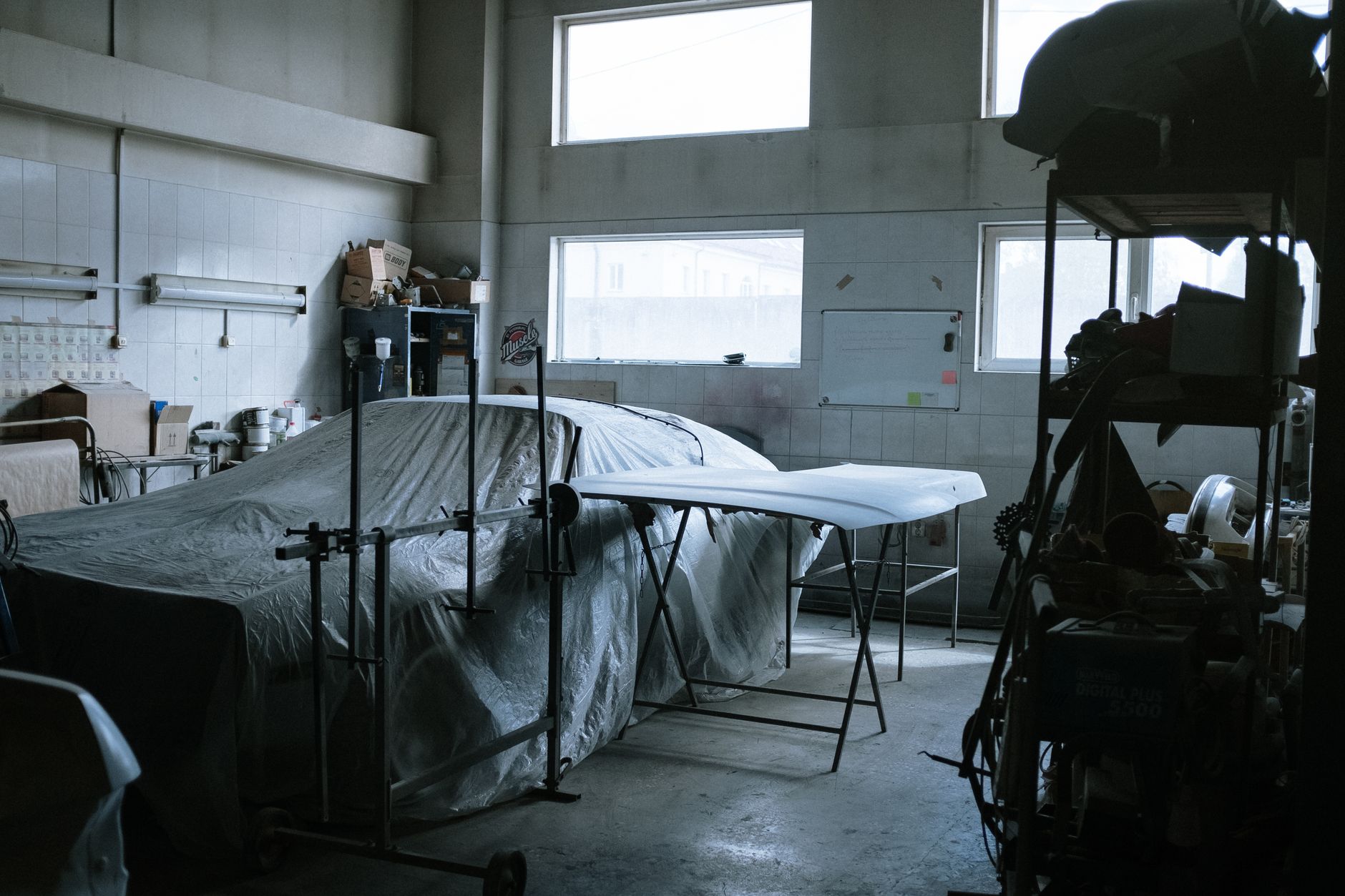
Overspray reaches the shop from two places. The first is the spray booth, where cleanup is part of the booth's housekeeping duty under spray finishing rules. The second is the area around the booth, where mist settles and dust is tracked out on boots and carts. A robot can help with that second area once people have removed the film and kept the booth clear. Separating these two floors is the first thing your site survey will do.
Plan around that split. Your Friday deadline means the film has to come off by hand this week. A robot pass on the open floors comes afterward and holds the floor between manual cleanings. If the robot were expected to remove film, your crew and your insurer would be working from the wrong expectation.
How many collision shops are there, and how big are their floors?
No verified 2025 national count of U.S. collision repair shops was found for this page, so pull an up-to-date count from Census County Business Patterns or Bureau of Labor Statistics data before you plan. The trade data does show consolidation. According to Focus Advisors, as reported by CollisionWeek, large national and regional multi-shop operators acquired or opened 223 shops in the first half of 2025, compared with 343 in the same period of the prior year. A group of 14 shops should plan for several sites, not a single bay.
Floor area shapes the plan. The 2016 CREF/I-CAR Snapshot put average production space at 13,843 square feet, up from 10,034 square feet in 2007. That is an industry average from 2016, so measure your own bays and booths rather than borrowing it. Your survey floor map becomes the real baseline.
Count routes, not just square feet. A large open bay with clear lanes is a very different job from a smaller bay full of parked vehicles, lifts and stored parts. The route decides how many passes a day a floor can take without interrupting repair work.
Why does staffing make cleaning robots worth a serious look?
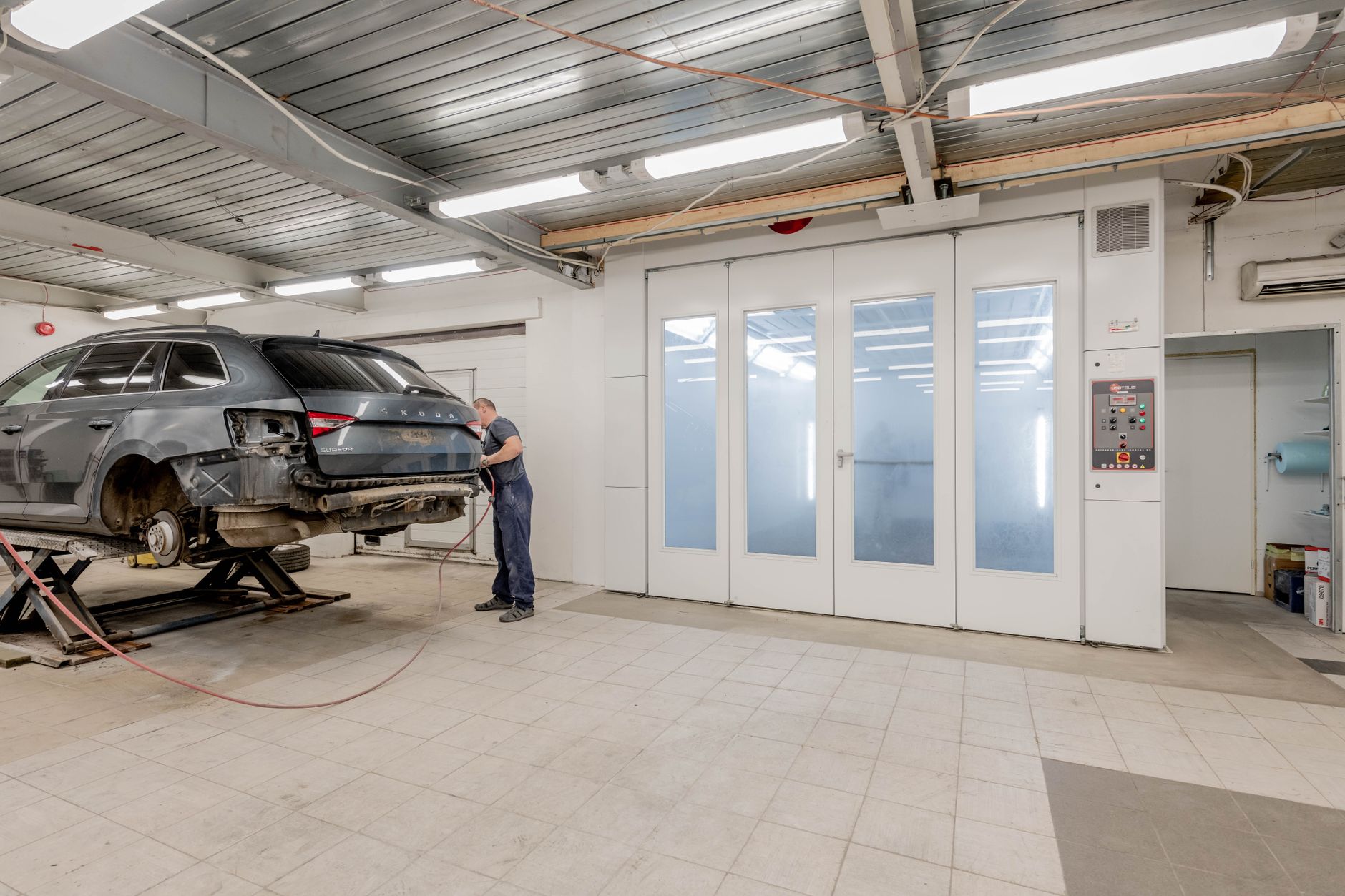
Staffing is the strongest case for automation in this trade. According to the TechForce workforce report covering 2025, collision repair had the highest turnover of the 10 sectors it analyzed, at 60.7%. Across all 10 sectors, employers hired 1.18 million technicians and lost 1.14 million. Turnover is not a collision-only problem, but collision repair sits at the top of that list.
The training pipeline is growing but does not close the gap alone. TechForce projects that the collision repair industry will need 73,354 new entrant technicians between 2025 and 2029. Collision repair programs had 5,462 graduates in the 2023 to 2024 academic year, up 14.2% from the year before. One figure is a need and the other is an output, so read them side by side rather than adding them together.
Older estimates point the same way. A 2024 whitepaper from I-CAR, SCRS and Ducker Carlisle estimated that shops typically see 30 to 40% employee turnover each year, though it used an older method. A 2025 Crash Network survey found that 30% of shops were looking to hire a body technician. Floor work competes with repair work for the same few people, so a robot that takes the repeatable floor pass keeps staff on repairs.
What do spray booth and overspray rules require for floors?
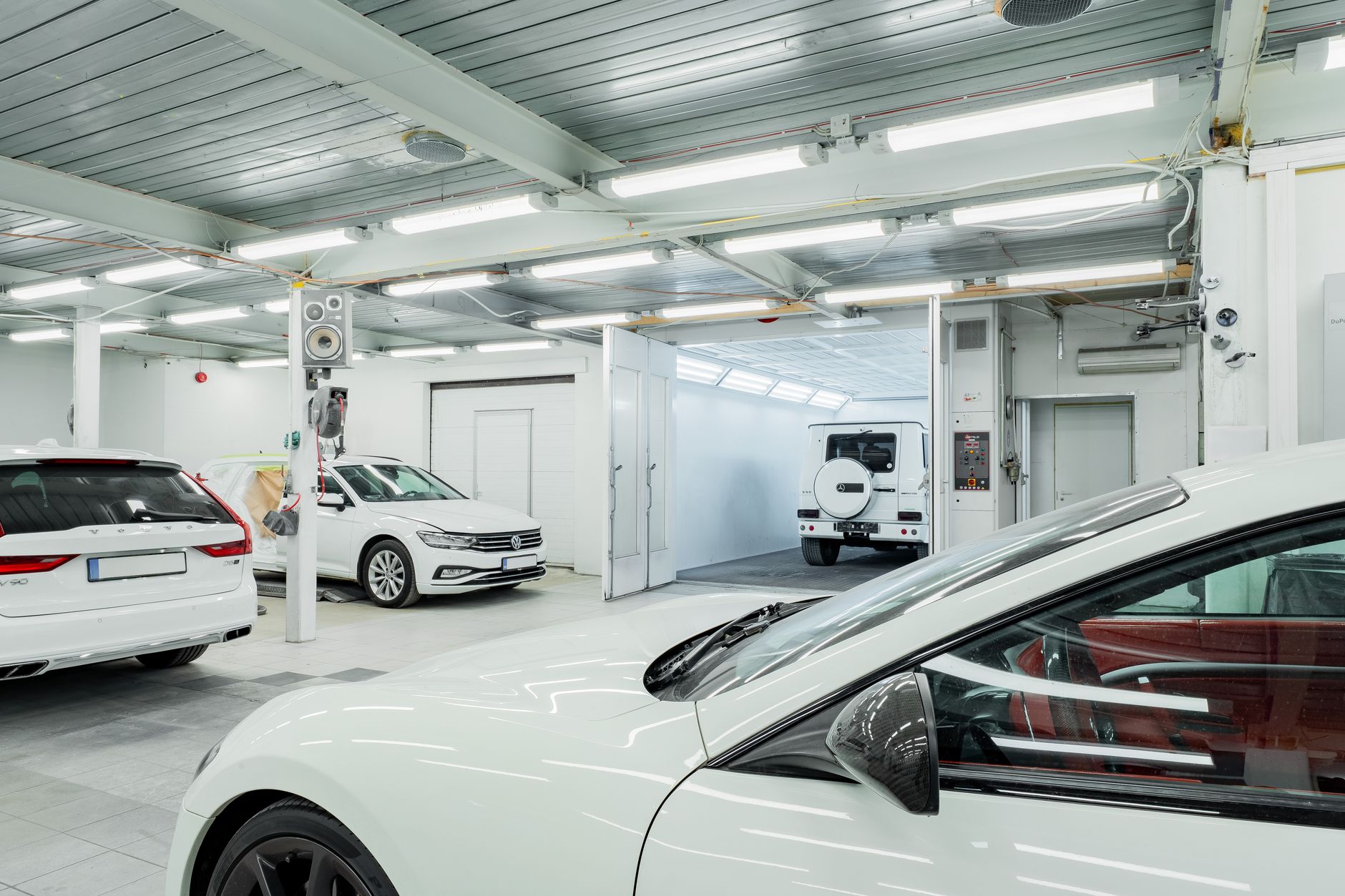
Federal spray finishing ventilation sits in 29 CFR 1910.94(c), with the consensus standard NFPA 33 behind 29 CFR 1910.107. The exact federal floor text was not retrieved for this page, so confirm the floor rule with your safety consultant rather than relying on a summary. Many shops will find state rules more specific. Oregon OSHA's spray finishing rule says a combustible booth floor must be covered with a noncombustible material that prevents residue from pocketing and eases cleaning, and that overspray areas need daily housekeeping while in use and no accumulations between uses. That is an Oregon rule, not federal text, and your state may differ.
Insurer guidance lines up with the NFPA 33 approach. According to Grinnell Mutual's loss control bulletin, booths must be kept free of excessive combustible residue, and discarded overspray filters, residue scrapings and contaminated debris should be removed from the premises at the end of the day. Those removals are staff work. A robot can keep traffic lanes clean, but it cannot carry a contaminated filter out of the building.
One old decision is worth knowing about but not worth trusting. A 1977 OSHRC decision vacated a citation over removable combustible paper taped to a booth floor for overspray collection. That is precedent under an older standard, so do not treat it as compliance guidance.
What does the site survey need from us before the first install?
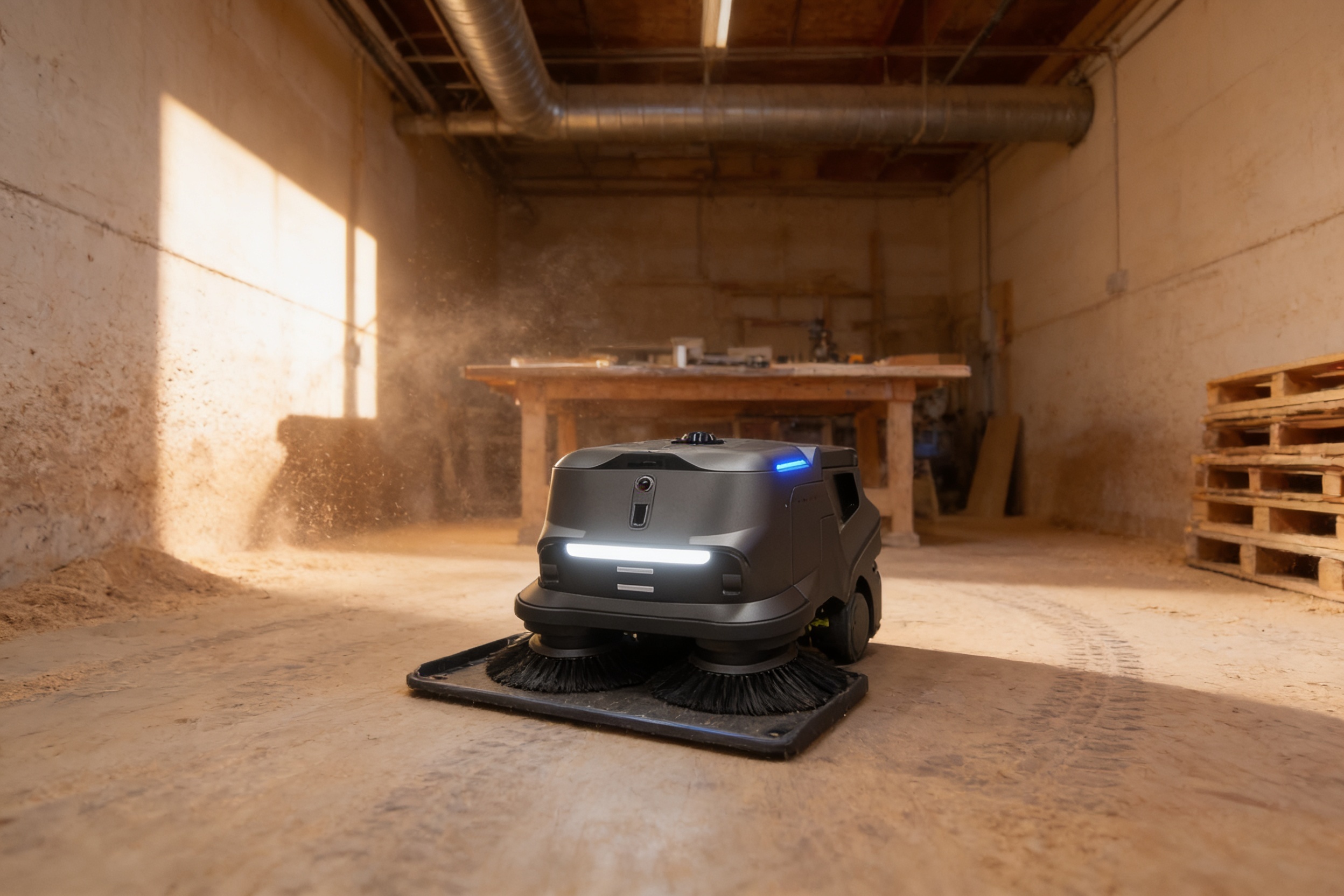
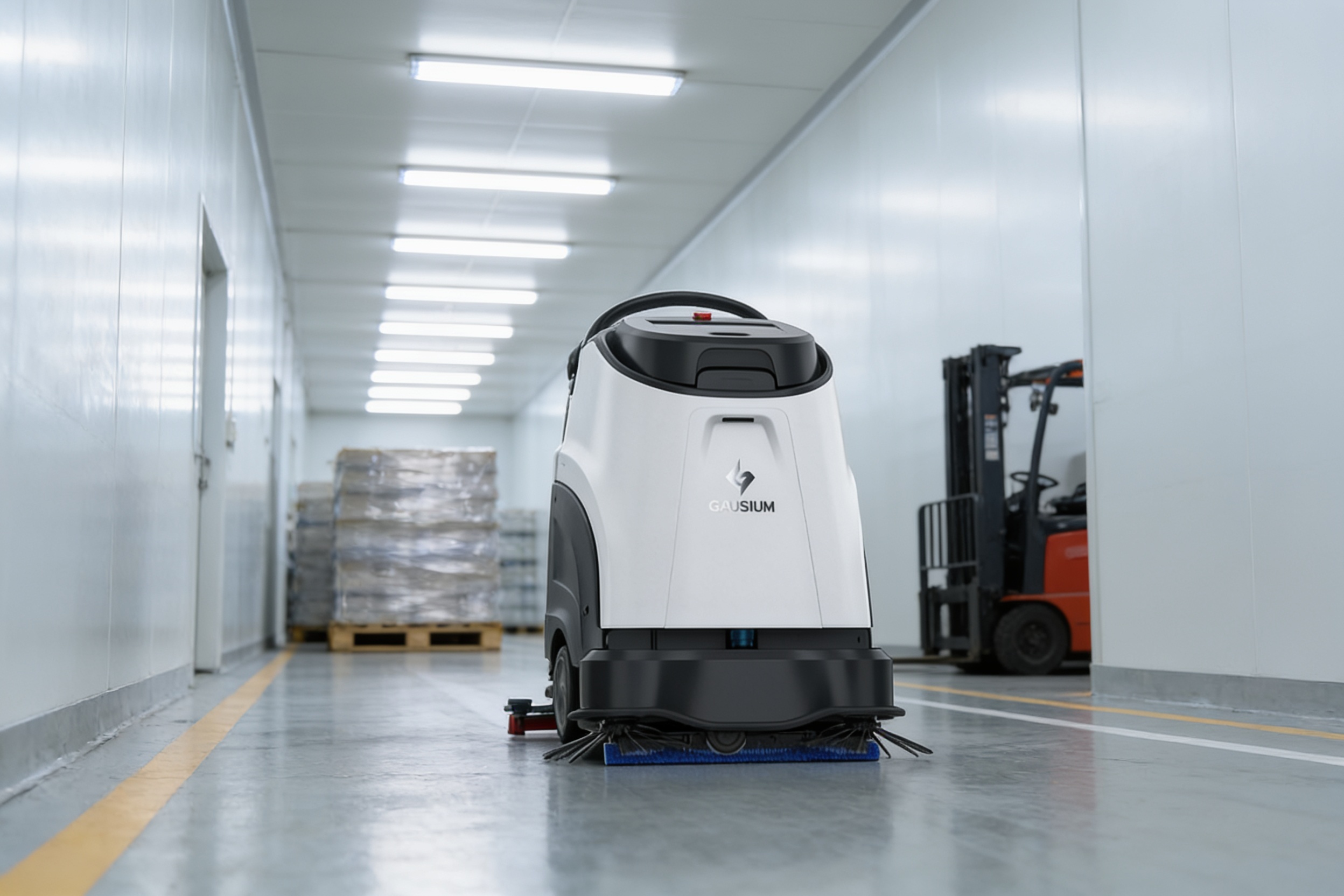
The survey decides the answer, so the paperwork you bring matters as much as the walk. Before a lease is quoted, we need a floor map, the surface type and condition of each zone, the booth status and the rules that govern each room. The free site assessment is where that mapping happens, and the lease is quoted after it.
Expect the survey to split the shop into two answers. Open floors such as prep and parts areas and office corridors are candidates for a cleaning robot. Booths and mixing areas are decided by your fire marshal, your insurer and your own safety rules, and they may be out of scope entirely. Settle the booth question first, because it changes the layout, the approvals and the route for everything else.
Bring written answers. A verbal probably-fine from a shop lead will not satisfy an insurer or a fire inspector, and the survey should record the answer for each zone. The checklist below covers what to gather.
How does injury risk in this trade shape the decision?
According to Bureau of Labor Statistics data for NAICS 811, which covers other services including auto body repair, the total recordable case rate was 2.0 per 100 full-time workers in 2024, and the days-away-from-work rate was 0.9. NAICS 811 is wider than collision repair, and no BLS rate specific to the automotive body, paint and interior repair code was found for this page. Treat these figures as context rather than a benchmark for your shops.
A cleaning robot can reduce some exposure by taking a routine floor pass away from people. It also adds hazards: trip points, cables, route crossings and people who step into its path. The survey should list those hazards and set rules for when the robot runs, when staff are on the floor, and who stops it when something changes.
Your own incident log will tell you more than a national rate. Pull recordable incidents by zone for the last few years and check for floor slips, pass-through traffic or cart collisions. Those zones need the tightest rules for the robot schedule.
What is a realistic path with a Friday deadline and a multi-shop rollout?
No lease, install or integration will finish by Friday. Clear the film by hand this week using methods your booth floor covering and paint supplier approve, then document the work so your insurer and fire marshal can see it was done. Once the film is off, the robot can take over the open floors on a schedule.
Do not start across all 14 shops at once. Pick one shop or one bay area, prove the route and timing, then extend. A phased start lets your crew learn the robot's stops, alarms and charging routine on a floor that is not yet busy, and it leaves a shop-level record of what the robot did and missed before you commit the rest of the group.
Here is how the work runs with us. We run a free site assessment, quote the lease after that survey, arrange the lease through financing, deploy and integrate the unit, train your staff and service it under our service plan. Service runs through remote triage first, with on-site dispatch from regional service engineers in the states we cover, so ask during the survey which of your states are covered.
Where in a collision shop can a cleaning robot actually work?
Think of the shop as six zones with different answers. The survey confirms each boundary, and the zone list below is the starting point for that conversation.
The open floors around prep, parts and office corridors are the most likely candidates. They are usually dry and hard, and staff can clear the route. The booth interior and mixing room are the least likely. They sit under the strictest rules and may need equipment rated for those spaces, so the default answer is no until the survey and approvals say yes.
Drive-in lanes and bay areas need a route plan rather than a yes or no. Parked cars, lifts and open drains change the path from day to day, and the robot can only run where the path stays clear.
What moves the lease quote for a cleaning robot in a shop?
The lease quote depends on the site, not on a catalog figure. The drivers below are the ones that move it most, and each maps to something the survey measures.
The biggest factor is whether the booth is in scope. Keeping the robot out of booths and mixing rooms narrows layout work and approvals. Bringing booths in adds survey time, approvals and possibly equipment rated for that space.
Bonded residue comes next. Film that has stuck to the floor needs manual removal before any robot pass, and that work comes before the robot, not after it. The number of shops and the phasing also change the total, and starting with one shop is the most controlled way to learn the real numbers for a group.
Frequently asked questions
Want a cleaning robot at your collision repair shops?
Tell us about your site. We will recommend the robot, quote the lease, and keep it serviced.
Sources
- Focus Advisors data, reported by CollisionWeek
- TechForce workforce report, reported by Repairer Driven News
- I-CAR, SCRS and Ducker Carlisle whitepaper, reported by Repairer Driven News
- Crash Network survey, reported by Repairer Driven News
- Bureau of Labor Statistics, NAICS 811 injury and illness data
- Oregon OSHA spray finishing rule
- Grinnell Mutual loss control bulletin on spray finishing operations
- CREF/I-CAR 2016 Snapshot of the Collision Industry