

The question, in the buyer's words
I run a 75-bed hospice house where night aides carry linens and supplies up the hall while sitting with patients; could a delivery robot make those supply runs so the aides can stay with the people they are caring for?
Key takeaways
- A delivery robot can take the carrying out of hospice night aide supply runs, but not the bedside work.
- The strongest time figure comes from an ICU poster, so your own two-week log should set your baseline.
- Most overexertion cases among aides come from patient lifting, which a delivery robot does not address.
- Aide turnover is high in this field, so the pilot should test real night routes with the staff who run them.
- Layout, elevator access and drop points decide the fit more than the robot model does.
Can delivery robots take over hospice night aide supply runs?
Hospice administrators who ask this usually see the same problem on every night shift. A night aide leaves a patient room to fetch linens, briefs, gloves and comfort supplies, walks the hall to a closet, and carries everything back. When the first trip misses an item, the aide makes a second trip. A delivery robot can take over the carrying so the aide stays on the floor with the people in the house.
The number of people this affects is growing. According to the 2025 edition of NHPCO Facts and Figures, as published by Alliance for Care at Home, 1.91 million Medicare beneficiaries were enrolled in hospice for one or more days in 2024, up 4.4% from 2023. The same source reports that 53.1% of all Medicare decedents received hospice care and were enrolled at death in 2024, the first year above half.
The short answer is yes for the carrying and no for anything that needs hands or judgment at the bedside. Whether a robot earns its place in your house depends on your building and on how many runs your night shift makes, and both can be measured.
What does a hospice night aide supply run involve?
A supply run usually starts with a need that arrives mid-task: a clean linen set after an incontinence episode, a fresh gown, wipes, gloves or a comfort item. The aide leaves the room, walks to the closet or central storage, loads what is needed and walks back. The second leg of a missed-item trip is often the one that pulls the aide away from a patient who has just become restless.
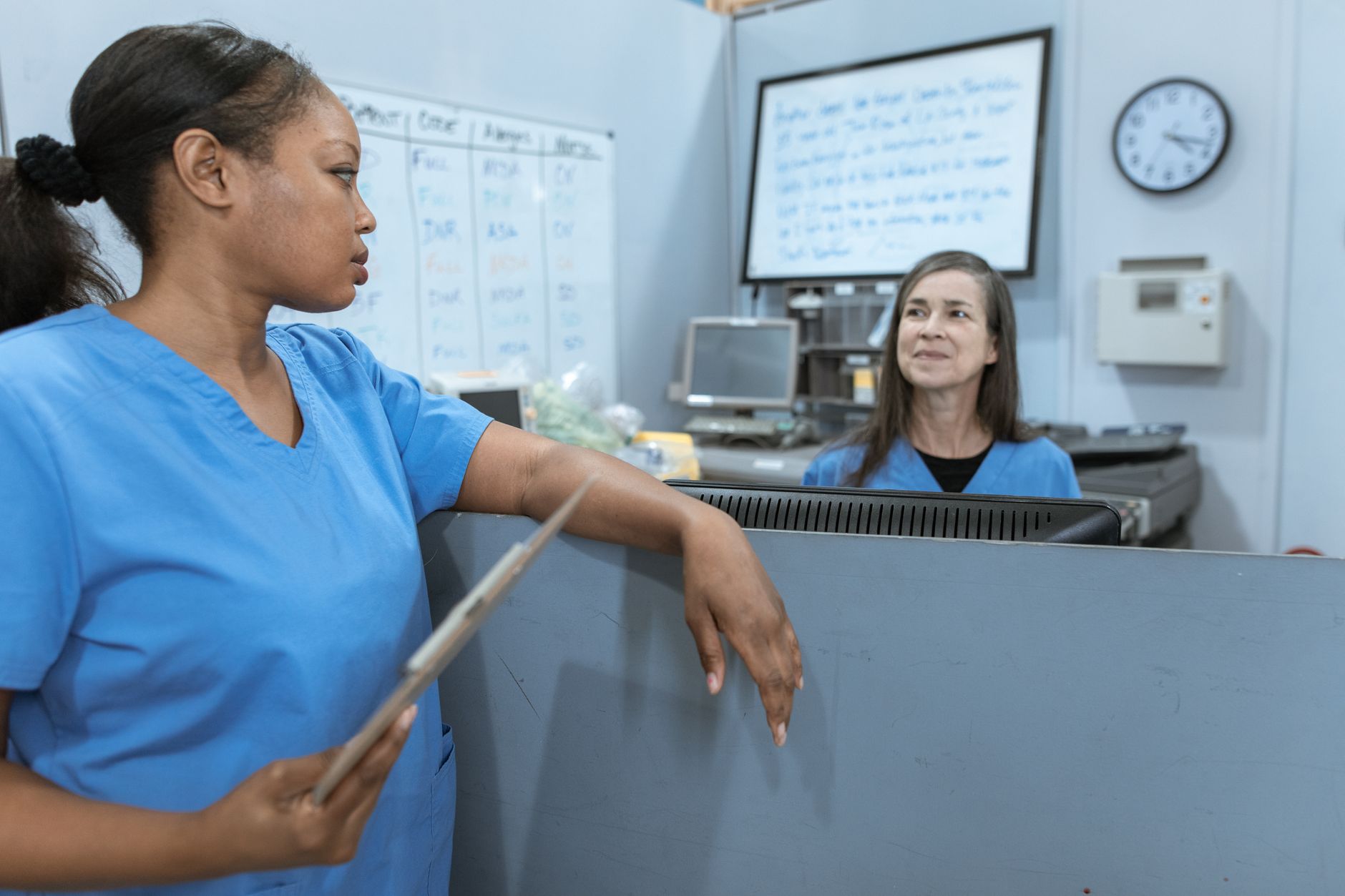
Staffing makes each leg expensive. According to the Hospital & Healthcare Compensation Service 2025-2026 Home Care Salary and Benefits Report, released in November 2025, Home Care Aide III and CNA turnover was 36.31% in 2024 and 34.17% in 2025, while RN turnover reached 25.46% in 2025. That report covers home care rather than hospice specifically, so treat it as a sector signal. At these rates, many night shifts are covered by people still learning the house, and every aide in a hallway is one fewer pair of hands in a room.
The Michigan Health Council 2025 Healthcare Workforce Index reports 87% turnover for home health aides in Michigan. That is a state figure for home health, not a national average or a hospice count. Pull your own night aide turnover from HR records before you make a staffing claim to your board.
How much aide time have delivery robots saved in similar settings?
The strongest time figure in the research comes from an intensive care unit, not a hospice. A cost-effectiveness poster presented at ISPOR 2026 reports that nurses' active logistics time fell from 111.34 to 20.43 minutes per day, an 81.6% reduction, with an automated delivery robot program. The poster is a conference presentation that was not peer reviewed, and it measures ICU nurses rather than aides on a hospice night.
Other settings report savings as estimates or impressions. An International Federation of Robotics case study describes a Singapore nursing home where an AMR for laundry delivery was estimated to free 176 man-minutes per day. That is an estimate, not a measured result. The same case study describes a Texas hospital trial in which most nurses said the mobile assistant gave them more time with discharging patients, which is self-reported.
Becker's Hospital Review reports that an Illinois health system rolled out a robotic nursing assistant that carries linens, medications, food and lab specimens. That article describes what the system chose to move by robot, not how many minutes it saved. I did not find an independent measurement of linen delivery time for nurses or aides in any setting, and I did not find hospice-specific deployment figures. A measured log from your own house will matter more than any headline number.
- Carrying the supplies
Delivery Robot
Moves a loaded cart on a set route without tiring, within the capacity of the cart it carries
Staff
Carries mixed loads, odd shapes and items that do not fit a cart
- Bedside judgment
Delivery Robot
None. It cannot assess a patient or notice a change in condition
Staff
Notices breathing, pain, distress or a family question and responds in the room
- Repeat trips
Delivery Robot
Follows the loaded list, so repeat legs drop when the list is complete
Staff
Can forget an item on a busy night, which triggers a second trip
- Night coverage
Delivery Robot
Runs its route while the aide stays put, but pauses for faults and needs charging
Staff
Available for the whole shift, but leaves the room whenever a run is needed
- Infection control
Delivery Robot
Needs a cleaning protocol for surfaces and cargo, and cannot perform hand hygiene
Staff
Performs hand hygiene and changes gloves at each room, which a robot cannot do
- Staffing risk
Delivery Robot
Needs trained staff to load, supervise and report faults
Staff
Turnover is high in this work, so orientation time for new hires is a real cost
Where does a delivery robot fall short in hospice work?
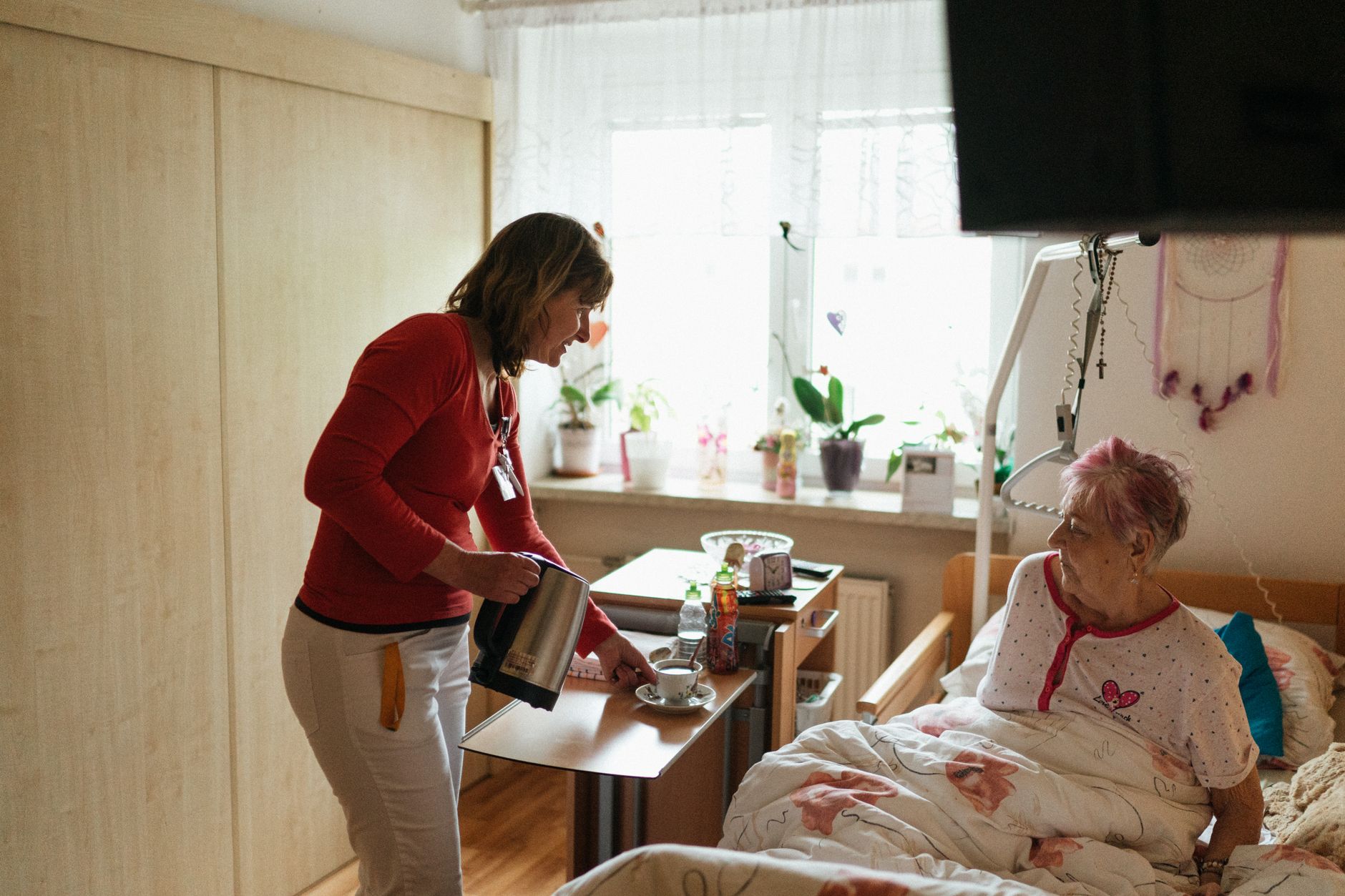
A delivery robot moves things. It does not move people, and that is where the injury risk in aide work sits. A Bureau of Labor Statistics analysis published in 2006, using 1995 to 2004 data, found that 53% of work-related injuries and illnesses among nursing, psychiatric and home health aides were overexertion, and most of those overexertion cases resulted from lifting patients. Removing the carrying leaves patient handling untouched.
The injury rates for these roles stand out. A 2018 PHI report, citing 2016 data, lists work-related injuries per 10,000 workers at 116 for home health aides, 337 for nursing assistants and 100 across all US occupations. Those figures are older, so check the current BLS tables before they go into a board packet. Keep patient lifting equipment and training on their own line in the plan.
Hospice also adds limits a hospital robot may not face. Soiled linen and used supplies need a route and cleaning protocol that keeps them away from clean stock, and a robot should never carry anything an aide must inspect first. Medication transport needs controlled access and documented custody under your pharmacy partner and state rules. Have your infection control lead approve each cargo type before any pilot begins.
What changes the lease quote for a hospice delivery robot?
A quote depends on your building and your run pattern, not on a generic offer. We issue a fixed robot lease payment only after a free site assessment, because the same robot can suit one house and be wrong for the next. The assessment is where the real inputs come from.
Floor count and elevator access come first. A single-level house with clear hallways is a simpler job than a split level or a multi-floor building where the robot must call and ride a lift. Door hardware matters too, since automatic doors, badge access and heavy fire doors each change how the robot gets through.
Run volume and supply points drive the rest. Two closets near each other differ from a central storage room at the far end of a wing, and a single-wing pilot differs from full coverage. Service distance matters as well, because regional service engineers must reach the site when a unit needs dispatch.
How do you measure your own night supply runs before deciding?
The figures on this page come from other settings, so your own log is the most important input you will have. For two weeks, ask night aides to record each supply run on a single sheet they can finish on a busy night. Capture the fields listed below.
Then read the log in three groups. Pure carrying legs are the runs a robot could take with no loss at the bedside. Repeat legs come from missed items and point to a pick list problem. Runs that happened during bedside care or a pending call show where the aide's presence matters most, and where a robot should never pull them away.
Set the log beside your staffing grid and ask how many aide minutes would return to patient rooms each week if the carrying moved. Bring that answer to your clinical leader before you talk to any provider. A finding from your own building will carry more weight with a board than any figure from another hospital.
- Time the run left the room
- Destination and items carried
- Whether it was a return trip for a missed item
- Whether a patient or family call was pending
- Whether the run happened during bedside care
Which hospice layouts suit a delivery robot, and what should you check?
Layout decides more than the robot model does. A delivery robot needs a route from each supply point to every room it serves, with hallways wide enough to pass a cart, thresholds it can clear and doors it can open on its own or through an integration. Walk each route with a tape measure before you assume it works, and mark the spots where two carts cannot pass.
Plan the hand-off points carefully. Patient room doors are closed for privacy, and a robot should not be expected to enter a room. A drop point at the nurse station or beside the room door lets the aide collect items without leaving the patient's side for long. Check corners and dead ends too, because a robot waiting in a narrow hall can block a family member or a wheeled bed.
Check the building systems behind the route. Elevators need integration if supplies sit on another floor. Wi-Fi coverage in stairwells, closets and the back dock affects how reliably the robot reports its position, so ask for a mapping pass during the site assessment. Decide where clean and soiled items wait after delivery, so a clean linen cart is never parked beside a used supply bin.
How does leasing a delivery robot work with us?
We are a full-service commercial robot integrator for US businesses. We are OEM-neutral, so we pick the right robot for the site across manufacturers, then lease it through financing, deploy and integrate it, train staff, and service every unit under our own service plan, backed by regional service engineers in every state we service.
The lease is a fixed robot lease payment set in a quote that follows a free site assessment. The assessment maps your halls, doors, elevators and supply points, and the quote reflects what that map requires. Term, unit count and start point are set in the quote, so you can compare the offer against the route log you built in your own building.
For a hospice house, a common starting point is one unit on one wing, with a fallback plan for the night shift while the pilot runs. A pilot tests the route, drop points and aide workflow before any decision about the whole building. Ask for the service scope, response expectations and exit terms in writing before you sign anything.
What should a hospice administrator confirm before a pilot?
Before a pilot starts, confirm the decisions that are hardest to reverse. Name the cargo types the robot may carry and the ones it must never carry. Agree on who loads the cart, who supervises the route and who gets called when a unit faults during a night shift.
Involve night aides early. Ask which carrying tasks they would hand off first and which bedside tasks they would never hand off. Their answers should shape the drop points and the route, and their feedback is the best check on whether time returns to patient rooms.
Agree on how success will be measured before the pilot begins. Compare the post-pilot log with your baseline for repeat legs, carried loads and aide minutes away from patients. If the numbers do not move, the pilot has still answered the question at the smallest possible scale.
Frequently asked questions
Upcoming hospitals & healthcare events
- ConferenceNew England College Health Association (NECHA) 2026 Annual MeetingNov 11 to 13, 2026Newport Marriott Hotel & Spa, Newport, RI
- ConferenceHLTH USA 2026Nov 15 to 18, 2026The Venetian Expo, Las Vegas, NV
- ConferenceIndiana Safety and Health Conference & Expo, 2027Feb 8 to 10, 2027Indianapolis, IN
- ConferenceHealthcare Project Delivery Conference 2027Feb 10 to 11, 2027Manchester Grand Hyatt, San Diego, CA
Want a delivery robot at your hospice houses?
Tell us about your site. We will recommend the robot, quote the lease, and keep it serviced.
Sources
- Alliance for Care at Home, 2025 NHPCO Facts and Figures executive summary
- Hospital & Healthcare Compensation Service 2025-2026 Home Care Salary and Benefits Report press release
- Michigan Health Council 2025 Healthcare Workforce Index, via Michigan Home Care and Hospice Association
- Bureau of Labor Statistics, The Economics Daily article on aide overexertion injuries (2006)
- PHI, Workplace Injuries and Direct Care Workers (2018)
- ISPOR 2026 poster: cost-effectiveness of an automated delivery robot program in an intensive care unit
- International Federation of Robotics case study: Robots give healthcare workers more time
- Becker's Hospital Review: Illinois health system rolls out robotic nursing assistant