
The question
Our 180,000-square-foot cross-dock in Detroit, MI gets sixty inbound return trailers a night and sorting is all manual; could autonomous mobile robots shuttle returns to sorting lanes, and how fast could we start?
The short answer
For a Detroit cross dock taking sixty inbound return trailers a night, autonomous mobile robots are a good fit for the shuttle work: carrying returns from the unload point to the sorting lanes so people spend their hours grading instead of walking. They are not a fit for the grading decision itself, for hand unloading, or for a floor whose routes change every shift without a mapped layout. A start follows a free site assessment, a quote with the lease payment, a lease through financing, and integration with your floor, and the start date is set in that quote rather than promised here.
Key takeaways
- Mobile robots carry returns to the lanes, but people still grade and assign a disposition to each one.
- National retail returns were projected at about 15.8 percent of sales in 2025, according to the National Retail Federation.
- Warehousing and storage logged 4.8 total recordable cases per 100 full-time workers in 2024, according to the BLS.
- January is typically Detroit's snowiest month, averaging 12.57 inches from 1969 to 2022, according to climate-zone.com.
- A free site assessment comes first, and the lease payment is set in the quote after it.
Can mobile robots sort inbound returns at a Detroit cross dock?
Yes, for the carrying part of the job. An autonomous mobile robot can take a cart or tote of returns from the unload point at a Detroit cross dock, drive it to the matching sorting lane, and come back for the next load. That removes the walking and waiting that sits between unloading and sorting, which is often where a manual returns line backs up. It does not remove the decision about what each return is and where it goes, and that decision still needs a trained person.
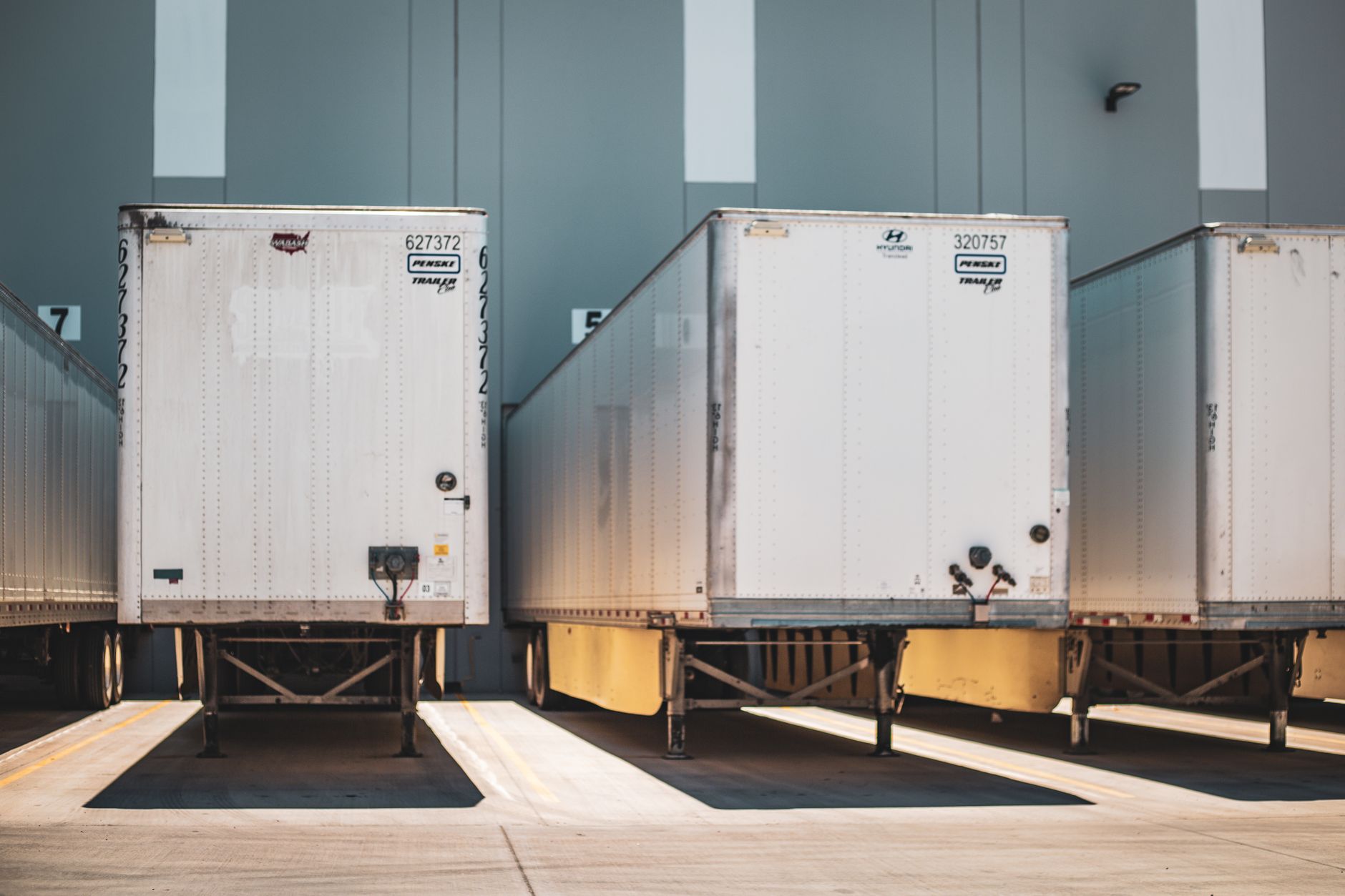
Your building is 180,000 square feet and takes sixty inbound return trailers a night. At that scale, the real question is less whether a robot can move a tote and more whether the dock doors, lanes and staging zones form a route the robots can drive every shift without stopping the fleet. Checking that route is the first job of a site assessment, and it is where layout problems show up first.
On speed, the start date depends on layout and integration work more than on the robot itself. We begin with a free site assessment, then issue a quote, then deploy, integrate and train staff before go live. Ask for that schedule in writing, and check that it names your dock doors and lanes rather than a generic timeline.
How large is the returns load, and what does it mean for sorting?
The National Retail Federation projected that retail returns would total about 15.8 percent of sales in 2025, down from 16.9 percent in 2024, according to its 2025 Retail Returns Landscape released on October 15, 2025. The same release says about 19.3 percent of online sales were expected to be returned in 2025, and that retailers expect 17 percent of holiday sales to come back. These are national retail figures, not a count of your inbound trailers, so use them to frame the problem rather than to size the fleet.
The release also reports that about 9 percent of returns are called fraudulent. That matters for automation design. A robot can move a tote, but deciding whether a return is fraudulent, damaged or resellable still needs a trained person with access to the order record. Design the route so each return arrives at a lane where that person can make the call without a second handling step.
For your building, the useful measure is how many inbound trailers arrive each night with returns that need a lane decision by morning. Count that for two peak weeks and for two slow weeks. The gap between them tells you how many lane positions the robots must serve and whether one shift can cover the grading work at peak.

What does the Detroit labor pool look like for returns sorting?
Detroit's transportation and warehousing employment is moving. According to the Federal Reserve Bank of St. Louis (FRED, seasonally adjusted and subject to revision), the Detroit-Warren-Dearborn metro had about 101.9 thousand transportation and warehousing jobs in December 2025, up from about 95.9 thousand in October 2025. The narrower Detroit-Dearborn-Livonia division recorded 22.2 thousand warehousing and storage jobs in 2025, down from 23.5 thousand in 2024.
Nationally, the Bureau of Labor Statistics (BLS) reports that hand laborers and material movers held about 6.9 million jobs in 2025. It projects about 904,200 openings a year on average over the decade, mostly from transfers and retirements. For a sorting lane, that means hiring is largely replacement hiring. You are rarely adding a head count; you are replacing people who leave, and each new hire needs training before grading at full speed.
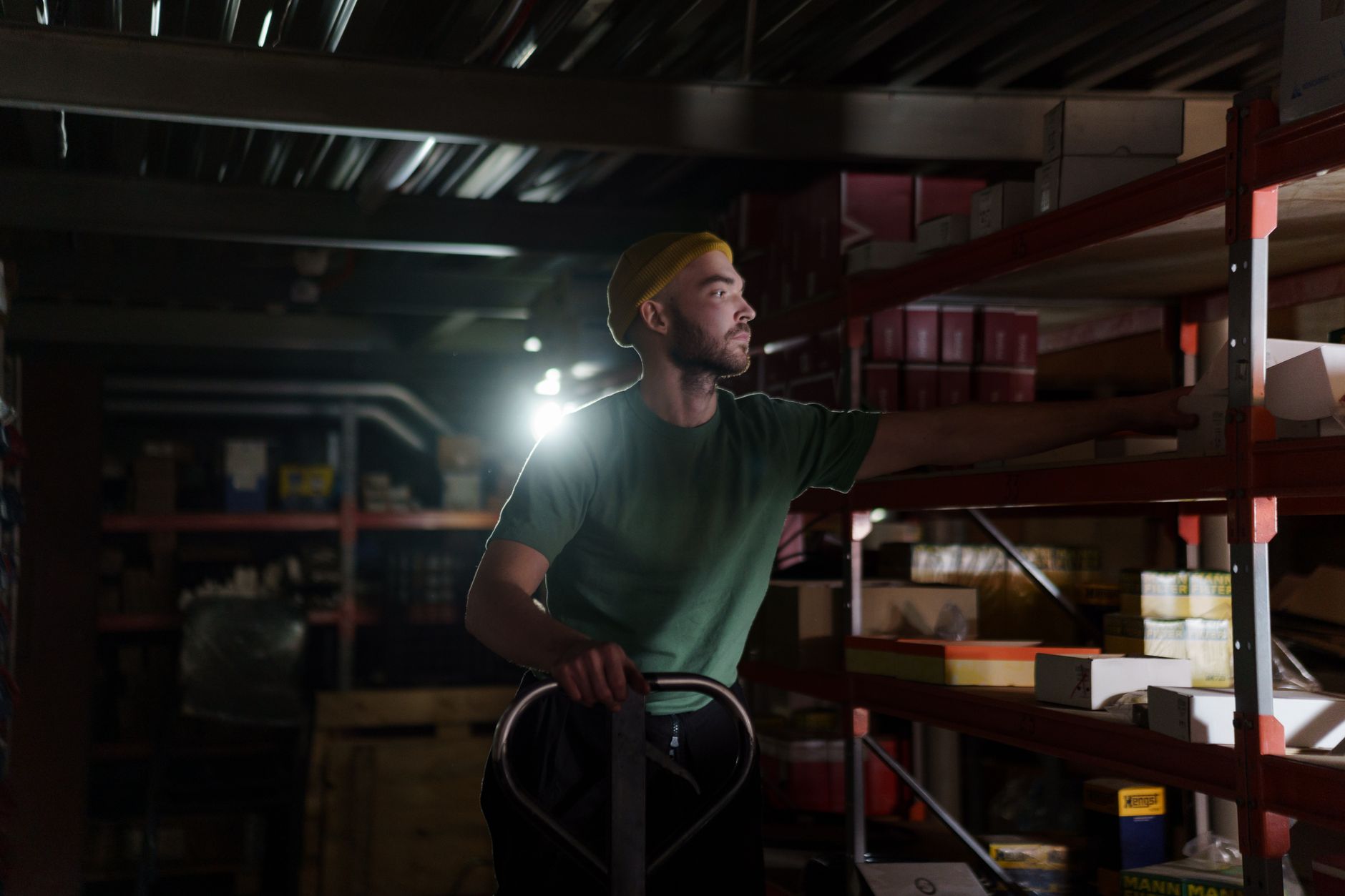
A robot does not fix turnover, but it changes what a replacement has to learn. Moving carts and grading returns use separate skills. Freeing experienced staff from the carrying job lets you concentrate them on grading calls and exceptions, while newer hires work on the lane handoff with a clear procedure.
How does injury risk change on a returns floor with robots?
Warehousing and storage carries real injury risk. The BLS industry profile for warehousing and storage (NAICS 493) reports a 2024 total recordable case rate of 4.8 per 100 full-time workers. Of those cases, 4.1 involved days away, restriction or transfer, and 1.5 involved days away from work alone. The same profile's fatality table shows 32 warehousing and storage fatalities in 2024, up from 28 in 2023.
Those are industry averages, not a measure of your building. They do point at the tasks that hurt people: repeated carrying, lifting and walking loaded carts across a busy floor. Shuttling totes by robot removes some of that carrying. It also adds moving machinery to a floor where people walk and grade, so the robot route has to be kept apart from pedestrian paths with marked lanes and safety zones.
Ask any vendor, including us, to show the safety stops, the speed limits in pedestrian areas and the procedure for a blocked lane. A robot that stops safely in a clear aisle can still cause trouble if a stacked return cart is left in its path every night. Put the blocked-lane rule in the shift checklist, not only in the vendor manual.
What does a robot do on the sorting floor, and what stays with people?
A mobile robot on a returns floor is a carrier, not a sorter. It takes a tote from a staging point, follows a mapped route to the lane that matches its assigned code, and returns for the next load. The person at the lane still reads the item, checks the reason code and decides its disposition. Keep that split explicit in the design, because the common failure is a robot that delivers items faster than people can grade them. A3 reported that North American robot orders rose 6.6 percent in units in 2025, to 36,766 robots, but its public results cover all robot types and do not break out mobile robots.
Some work sits in between. Oversized or heavy returns may need a pallet move or a forklift, and damaged or mixed loads may need a person to break them down before a robot can carry them. The site assessment should list those exceptions and route them to a manual path, so the robots handle the regular flow and staff handle the rest.
Your overnight backlog is the measure to watch. Track how many returns are still waiting at the lanes when the next day's outbound starts, then compare that number after a short pilot. If the backlog does not fall, the cause is often lane count or staffing rather than travel time, and that is worth checking before you add units.
How does a Detroit winter change robot operations?
Detroit's weather is a planning input. According to climate-zone.com, January is typically the snowiest month, averaging 12.57 inches over 1969 to 2022, followed by February at 11.46 inches. City-stats, citing NOAA normals, puts the annual average temperature at about 50 degrees Fahrenheit. The two sources disagree on total annual snowfall, so do not plan from either annual total until your site team has checked the official National Weather Service normals.
Snow and ice on the dock apron and in the yard affect the robot route as much as the building does. Plan for salted or wet floors, door openings that let cold air into the sorting area, and a clear rule for when a route is closed. Ask how the robots handle wet and cold floors, what slope the ramps can take, and how the charging area is kept clear when the floor is slick.
The charging point deserves its own check. A cold area near the dock doors may behave differently from the heated interior, so place chargers inside the building and away from door drafts. Winter also thins the staff who can grade returns on a bad night. Snow days and sick calls leave lanes short, and a robot that keeps carrying loads cannot help if no one is at the lane to receive them.
How do we start a robot lease for a cross dock?
Getting started follows the same sequence for any building. Our free site assessment maps the dock doors, lanes, staging zones and pedestrian routes, and it lists the exceptions that need a manual path. The quote that follows states the fixed robot lease payment, the lease term and the financing program, so you can weigh it against the nightly backlog you already carry.
The robots are leased through financing, and the payment is set in the quote after the assessment. Service is part of the arrangement under our service plan, with on-site dispatch and remote triage for faults, backed by regional service engineers. Ask for response terms in writing and for the coverage plan when a unit is down during a peak night.
Start small if the layout is uncertain. A single leased unit on one lane can show travel time, exception rate and the effect on the overnight backlog before you commit to a full fleet. Expansion then follows measured results, not a forecast.
Have ready your lane layout, dock door count, a typical night's trailer list and the name of the person who can approve floor changes. That lets the assessment focus on the route rather than on gathering basics.
What should you check before you decide?
Decide on evidence from your own building. Pull a month of returns data for the nightly backlog and the lane waiting time, then compare that with the national and labor figures above. The public numbers frame the picture, but they do not replace your own logs.
Most of the decision turns on a handful of checks. The list below covers what changes the answer, and each item should get a written answer from the vendor before you sign.
Bring the dock supervisor, the safety lead and the owner of your warehouse system into the assessment. Each one sees a different risk, and the quote is easier to judge when every question has a named owner.
Frequently asked questions
Put a robot to work in Detroit.
We walk your site, learn the job, and recommend the unit that fits. Then we quote the lease, deploy it, and keep it serviced.
Sources
- BLS Occupational Outlook Handbook, hand laborers and material movers
- FRED, Detroit-Warren-Dearborn transportation and warehousing employment
- FRED, Detroit-Dearborn-Livonia warehousing and storage employment
- BLS industry profile, warehousing and storage (NAICS 493)
- National Retail Federation, 2025 Retail Returns Landscape
- A3, 2025 robot orders release
- climate-zone.com, Detroit climate
- City-stats, Detroit weather