
The question
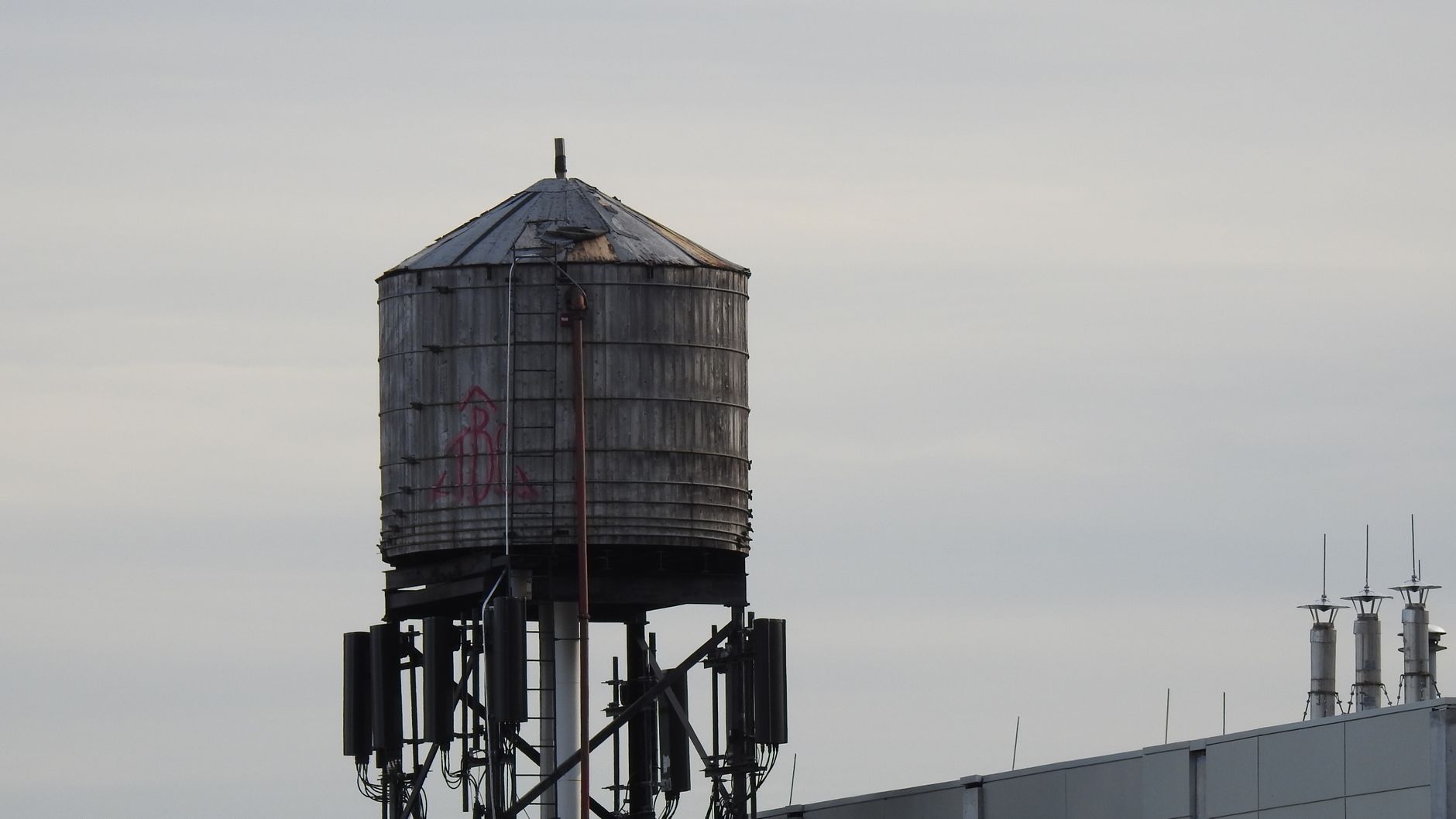
Our water utility inspects forty elevated storage tanks across our service area with crews climbing ladders every summer, and coating checks keep falling behind; could drones fly the tanks and flag coating failures before freezing weather?
The short answer
Partly. Drone inspections can photograph a water tank coating from the ground, flag chalking, staining or rust for a closer look, and cut some ladder climbs. They cannot measure coating thickness or adhesion, so close checks still need trained people, and freezing weather will shorten flight windows, so a pilot on a few tanks before the cold is the sensible first step.
Key takeaways
- Drones can cut ground-level climbs by flagging which tanks and spots need a close look first.
- They cannot measure coating thickness or adhesion, so hands-on checks stay in the plan.
- Cold drains batteries fast, so warm packs, a hover before flight and short flights are the rule in freezing weather.
- Routine line-of-sight flights are straightforward, but beyond-line-of-sight work needs an FAA waiver for now.
- Pilot a few tanks this fall, then compare the images with what crews find on the ladder.
Can drone inspections replace the ladder climb for coating checks?
Not fully, and that matters for how you use them. A drone can fly the outside of a water tank, photograph the coating at close range, and show whether the paint looks chalky, stained, blistered or rusted. That turns many climbs into targeted visits, because crews go up where the images point to a problem or where a close reading is needed to confirm what the camera saw.
What a drone cannot do is replace a measurement. Coating thickness, adhesion, and the condition of welds, rivets and under-coat corrosion still need contact or close access from a person with the right tools. Interior coatings are a separate job, since the tank must be drained or taken out of service, or inspected with a remotely operated vehicle, and that is not a drone task.
So the useful question is not whether drones replace crews. It is how many climbs you can avoid each season, and whether your freeze window leaves enough calm, dry days to fly every tank before the cold makes both the aircraft and the imagery harder to rely on.
Plan on a mixed program. The drone takes the first look at each tank, the crew takes the close look where the images point, and the existing schedule stays in place for tanks that always get a full climb whatever the images show.
Why do coating checks keep falling behind on water utility crews?
Coating checks are often the first task to slip when a crew is short, because they compete with leaks, pump calls and mandatory safety work. The labor pool is also tightening. According to the U.S. Bureau of Labor Statistics, about 131,000 water and wastewater treatment plant and system operators were employed in 2025, and the handbook projects a 7 percent decline from 2024 to 2034, with about 10,000 openings a year on average.
Most of these operators work for local government, so hiring tends to follow public budgets. That makes a plan built on adding climbing hours fragile. A plan that moves the first look at each tank to the ground, and keeps climbs for the tanks that need them, is easier to sustain with the people you have.
This is the core of your question, put in staffing terms. You are not asking whether drones are interesting. You are asking whether a fixed number of people can cover forty tanks before the weather closes the window, and whether the time saved on the ground is worth the setup.
How risky are ladder climbs on water tanks?
Ladder work carries a serious share of fatal falls. According to the CDC's Morbidity and Mortality Weekly Report, 43 percent of fatal falls over the last decade involved a ladder. The same report found that fatal ladder falls from 6 to 10 feet were the most common, at 28 percent of fatalities.
Those figures cover falls across all workplaces, not water tanks, so treat them as a measure of the exposure rather than a tank-specific rate. Still, the climb to a tank's ladder and roof edge is the same kind of exposure: a fixed ladder, height, weather, and a crew at the end of a long season.
For your planning, count climbs by tank and by month before you set a target. Climbs in cold or wet conditions carry more risk than the same climb on a dry August day, so a freeze window that pushes work into worse conditions is a safety question as well as a schedule question.
What can a drone actually see on a tank coating?
Drones are good at finding change on the outer surface. A camera at close range can show chalking from UV exposure, rust staining at seams and fasteners, blistering, peeling edges and corrosion that is spreading. Those are the signs a crew would look for on a climb, so imagery lets the crew see them from the ground first.
A 2014 case from a city in northern Idaho shows the other value. A small drone documented a standpipe's coating up close, and the city used those images to write more precise recoating bid specifications. Clear photos turn a vague condition into a scope a contractor can bid on, even if you still climb the tanks afterward.
The limit shows in the lower tank. A 2021 ROV evaluation of a Minnesota town's tank found coating in poor overall condition, with about 5 percent coating failures above the high-water line and about 10 percent below it. The share below the high-water line sits on the wetted interior, which no exterior drone pass can see.
The other limit is measurement. Images show what the surface looks like, not how thick the film is or whether it still bonds to the steel. Plan for drones to narrow the climbs, and keep hands-on checks for the tanks and spots the images flag.
- Exterior coating look
Drone
Sees chalking, staining, blistering and spreading rust from the ground at close range
Staff
Sees the same signs by climbing, and can touch the surface
- Coating thickness and bond
Drone
Cannot measure film thickness or adhesion
Staff
Can take readings and test adhesion with the right tools
- Welds, fasteners and roof edges
Drone
Shows surface signs only
Staff
Can inspect the detail up close
- Interior and wetted areas
Drone
Not a drone task
Staff
Needs drain-down or a remotely operated vehicle with trained staff
- Cold weather
Drone
Battery and sensor limits in freezing conditions
Staff
Works in cold, but with climb risk and slower work
- Documentation
Drone
Consistent photo record for bid specs and season comparisons
Staff
Notes and photos depend on the crew that climbed
- Ladder exposure
Drone
Ground-level flight, no climb
Staff
Ladder exposure on every visit
How often do water tanks need a coating check?
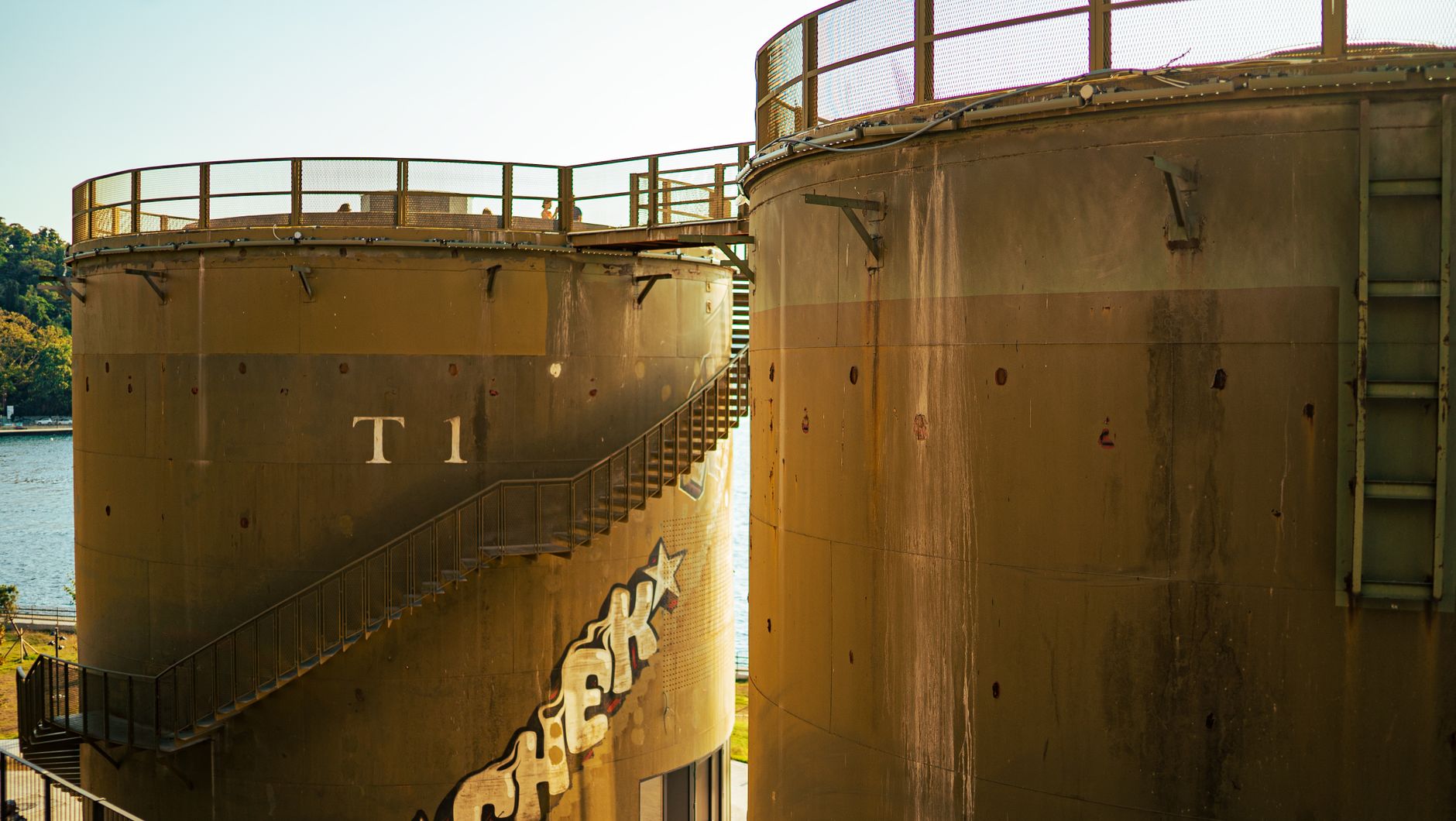
Several trade press summaries cite a 3 to 5 year inspection cycle for water storage tanks, and others say AWWA recommends inspecting steel tanks every 5 years. According to the trade press item I checked, these are secondary summaries, so confirm the cycle against the AWWA text and your engineer's guidance before you write it into a plan.
AWWA D102 is the painting standard for these tanks. Coating life depends on the system chosen and on the site, so a calendar cycle is only a starting point. A tank that shows chalking or a rust pattern early may need attention before the calendar says so.
For planning, separate two clocks. One is the inspection interval set by your program. The other is the condition each season. Drones are most useful when they let you check condition every season without a full climb each time, so the interval stays honest and the climbs stay targeted.
Keep the records consistent so that each cycle can be compared with the last. Same tank, same views, same date window, and the same notes on the coating type. Without that, a photo set from one year cannot tell you much about the next.
Can a drone fly in freezing weather?
Cold is the main limit on the flight window, and it hits batteries first. According to a drone supplier's blog summarizing a Northumbria University study, storing batteries at low temperature caused no charge loss, but cold speeds up in-flight discharge, mostly in the first 5 minutes. Researchers recommended reduced flight time in extreme cold.
Practical steps follow from that. Keep batteries near room temperature until launch, warm them before flight, and hover for 30 to 60 seconds after takeoff so the battery can settle. A drone operations blog recommends those steps and advises checking the manufacturer's stated minimum operating temperature for each aircraft. Treat that minimum as a hard limit, not a target.
Freezing weather also brings wind, low sun, ice on sensors and frost on the tank walls and access ladders. Plan flights for the warmest, calmest part of the day, carry spare batteries, and schedule the survey before the first hard freeze rather than during it.
Keep a simple log for each flight: starting temperature, battery temperature, flight time and any warnings the aircraft reported. Those records show where the cold limit sits for your fleet, which the manufacturer's minimum may not tell you. Our service plan covers on-site dispatch and remote triage if a unit goes down mid-season.
What are the FAA rules for drone tank inspections?
Part 107 still governs flights where the pilot keeps the aircraft in visual line of sight. Flights beyond visual line of sight need an FAA waiver until the Part 108 rule is final. Trade press reporting from January 2026 described that rule as still pending, and I could not confirm a final Part 108 rule, so check the Federal Register before you write a plan that depends on it.
For most tank surveys, a pilot on the ground with a clear line of sight to the tank is the straightforward case. Flights that leave that line of sight, such as a tank behind a ridge or a long run along a pipeline, may push you toward a waiver. Ask your operator and counsel to read the exact flight paths before you commit.
Check airspace and site restrictions before anything is scheduled. The site assessment is where that gets confirmed, along with access, nearby structures and where the pilot can safely stand.
Staff who fly under your program need the same discipline as any other operator, with a written preflight check, a note of the weather at launch and a record of each flight. Those records matter to the engineer who reviews the survey and to any insurer who asks what was flown and when.
Where do drones fit, and where do crews still climb?
The honest split is this. Drones fit the outside survey of coating condition, documentation before a bid, and deciding which tanks need a climb this season. Crews still do close checks, coating thickness and adhesion tests, the detail of welds and fasteners, and anything inside the tank.
A good first season has three parts. Start with a few tanks, ideally the ones with the most climbs or the oldest coatings, and fly them before cold weather. Compare what the imagery shows with what the crew finds on the ladder. Then decide how many climbs the imagery can replace on the next cycle, based on that match rate.
Pilot results answer the core question better than any general estimate. If the images catch the problems the crews later confirm, you have a defensible reduction in climbs. If the images miss them, you have learned that a camera survey is only a screen, and the climb schedule should stay as it is.
Document flights the same way each time, with the same altitude, angle and lighting where possible. Consistent images make a season-to-season comparison possible, and they are the same records that support a coating bid or an engineer's review.
How would we set this up with you?
We are a commercial robot integrator, so we choose the drone and sensor package for your tanks from several manufacturers rather than from one catalog. We lease it through financing, deploy and integrate it with your records, train your staff, and service every unit nationwide through regional service engineers.
The first step is a free site assessment. We map the tanks, check access, airspace and flight paths, and confirm what the freeze window allows at each site. The lease payment comes in a quote after that assessment, so you can compare it against your existing climb budget and staff hours before deciding.
If the assessment shows the freeze window is too short for a full survey this year, the realistic move is a pilot on two or three tanks now and a full program in spring, once you have seen what the imagery catches. Expect the pilot to give you the first useful answer, not the whole program.
Our service plan covers on-site dispatch, remote triage and spare unit coverage, so a grounded aircraft during a cold snap should be a short interruption, not a lost season. Training covers the flight routine, battery handling and the review process, so the in-house team can run the next cycle.
Frequently asked questions
Want a drone at your elevated water storage tanks?
Tell us about your site. We will recommend the robot, quote the lease, and keep it serviced.
Sources
- U.S. Bureau of Labor Statistics, Occupational Outlook Handbook
- CDC Morbidity and Mortality Weekly Report
- Minnesota town council packet, ROV evaluation (2021)
- Public radio report on 2014 standpipe drone survey
- Water and Wastewater Digest (trade press)
- AIN, trade press on BVLOS rulemaking (January 2026)
- Drone supplier blog citing Northumbria University study
- Drone operations blog on cold-weather flying