
The question
Our hardwood flooring distributor stacks 6-foot bundles by hand and the crew shrinks every winter; could autonomous forklifts run the bundle stacking so the day crew only handles the truck doors?
The short answer
Autonomous forklifts can run hardwood flooring bundle stacking in a fixed lane, which can keep the day crew on the truck doors. Whether they fit depends on stack height, bundle weight and pallet footprint, since the spec sheets we reviewed show cartons about 84 inches long and about 52 pounds each, and the sources disagree on safe layer counts. They are a poor fit if bundles arrive loose or hand-built in tight, shifting spots, or if sizes change often, and a staffed stacking plan or a one-lane pilot is the better first step in that case.
Key takeaways
- Autonomous forklifts can take hardwood flooring bundle stacking, but only when loads arrive palletized and consistent.
- The spec sheets we reviewed list cartons about 84 inches long and about 52 pounds each, so measure your own bundles first.
- Sources disagree on safe stack height, so get the manufacturer's layer limit in writing before scoping any robot.
- A robot works best as a steady stacker that frees people for the truck doors, not as a full winter crew replacement.
- Loose, hand-built stacks and frequent size changes are the wrong fit, and a one-lane pilot tests the match first.
Can autonomous forklifts do hardwood flooring bundle stacking at all?
Yes, in the right setup. An autonomous forklift is a driverless vehicle that follows a mapped route, lifts a pallet, places it in a stack position and returns to charge. That matches hardwood flooring bundle stacking well only when the bundles already sit on a pallet or a staged load the forks can enter. Loose bundles that a crew lifts by hand have no pallet interface, so the first question is how your bundles arrive at the stacking point.
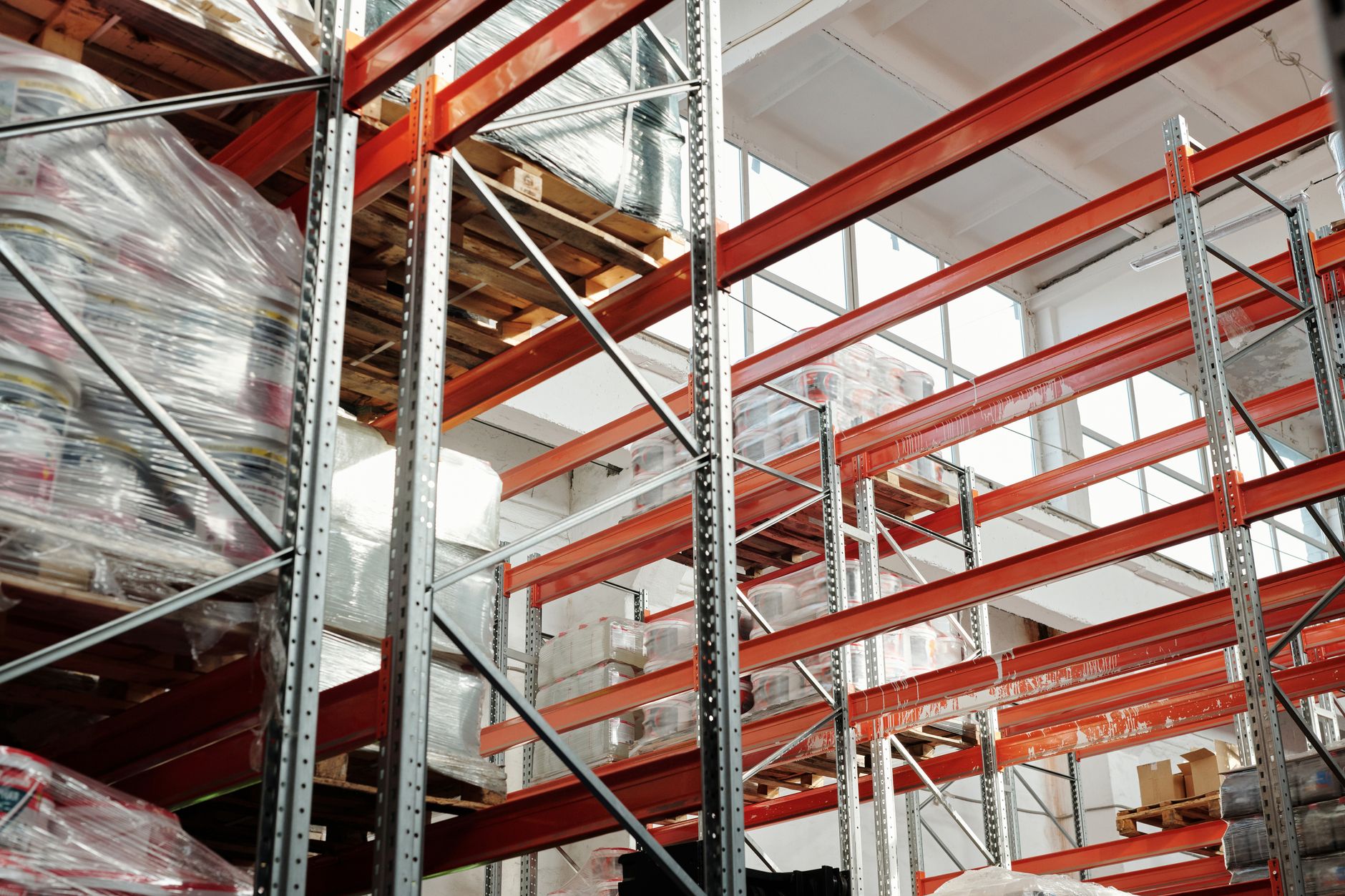
A flooring distributor's usual flow is trucks unloaded at the doors, bundles staged on pallets, then stacked into bays for pick. A robot that takes the staged pallet to bay move frees the day crew to keep the truck doors moving and the inbound count accurate. That split is what makes the use case worth testing. It does not remove the person who checks for damage and decides what to do with a bundle that looks wrong.
Expect the robot to own the repetitive lane move, not the judgment work. A crushed carton, a bowed bundle or a pallet that leans all need a human check before the forks go under it.
Why does the bundle stacking crew shrink every winter?
The seasonal loss you describe is a labor pattern many warehouses see, and the staffing data point to why. A materials handling salary survey put average turnover at 11.8 percent in 2023, up from 9.1 percent in 2022, according to Supply Chain 247. That survey covers a broad group of materials handling professionals, not flooring crews, so treat it as a trend signal rather than your warehouse's rate.
Turnover and absence add up. A crew that is already short loses more capacity when someone calls out in January or quits partway through the season, and bundle stacking is often the step that slips behind the truck schedule first. It is repetitive heavy work that waits until the doors are clear, so it is the first task a short crew drops.
Pull your own attendance and departure records by month. If the dip repeats every winter, you have a seasonal pattern to plan around, and the stacking hours you need to cover become the figure to test against a robot or a backup plan.
- Attendance by month and by job
- Departures by month and reason
- Truck arrivals by hour during the stacking shift
How heavy and tall are hardwood bundles, and what limits a robot stack?
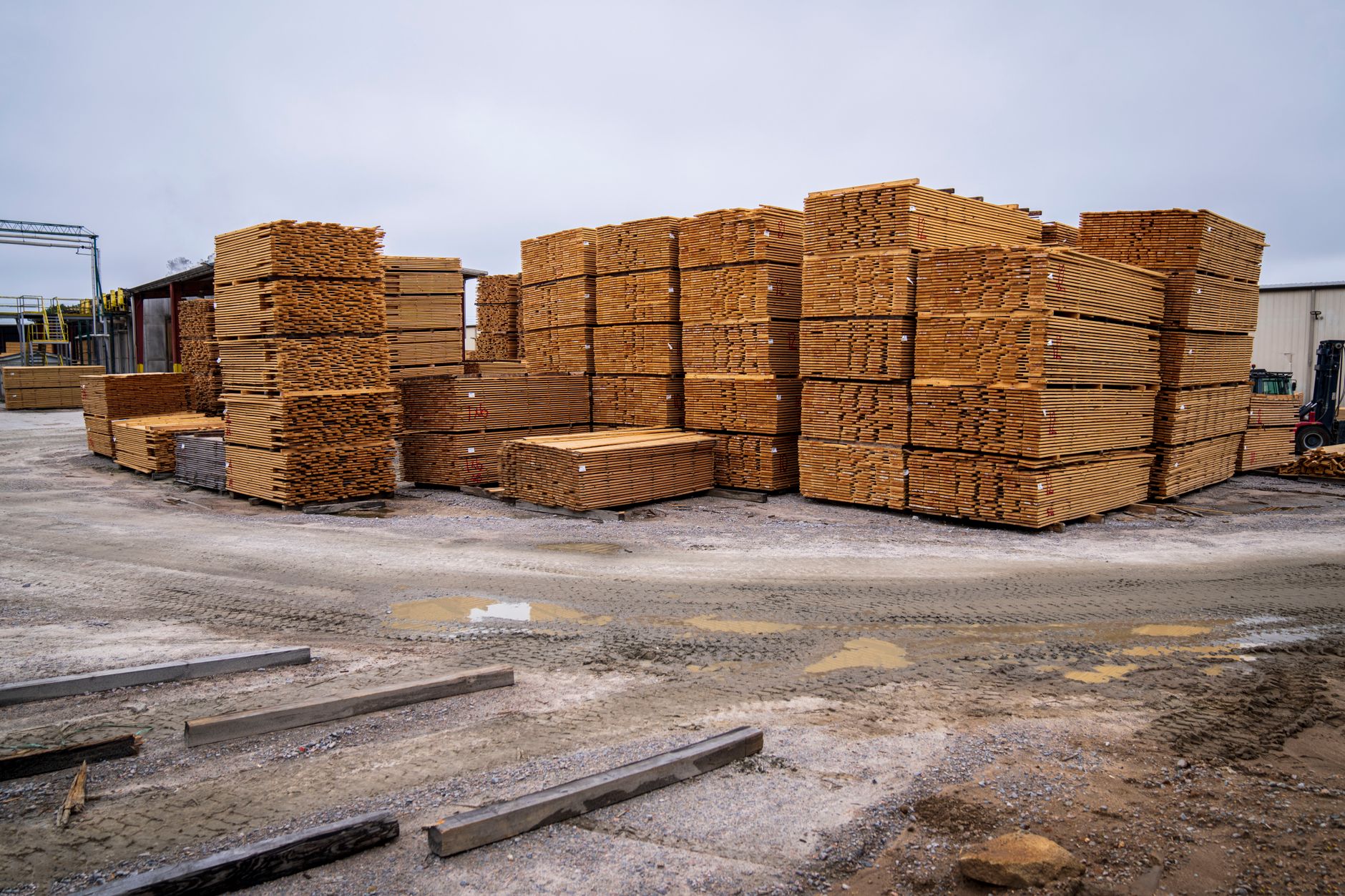
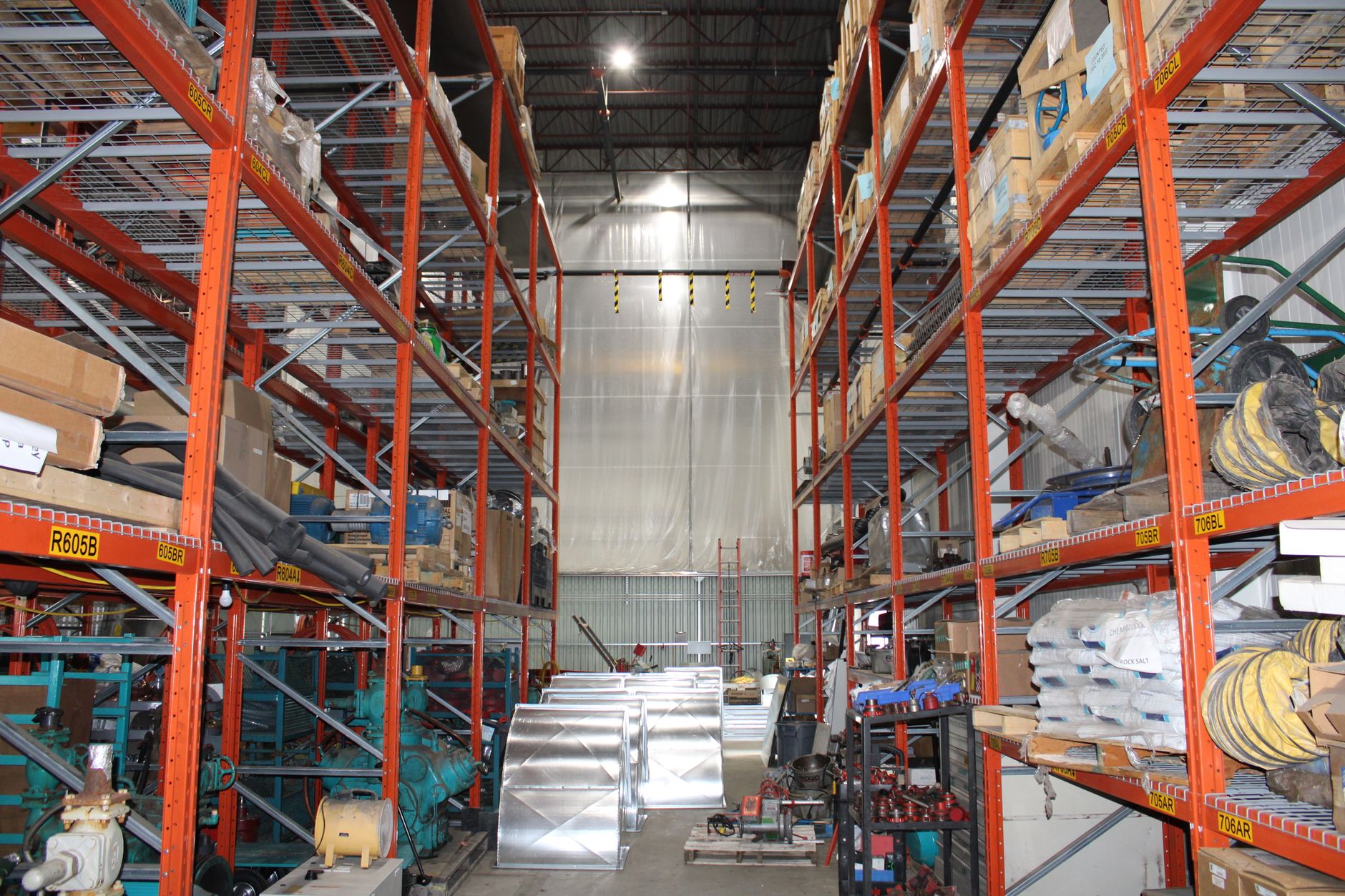
The product spec sets the limits. A flooring manufacturer's spec sheet lists a 4 1/4 inch solid hardwood carton at 84 by 9 by 3 inches and 52 pounds, with 48 cartons on a pallet for 2,496 pounds total. Those are vendor-reported figures for one product, but they show the scale: a loaded pallet is heavy, and the robot's rated capacity has to cover it with room to spare.
Stack height is the harder limit. Unisco's wood flooring guidance advises no more than three layers high with adequate pallet spacing, while a FlooringClarity guide cites 4 to 6 boxes high for dense products. Those sources conflict, so do not design the lane around either figure until your supplier confirms the limit for your exact product and pallet.
Pallet length sets the aisle and fork plan. The pallets we found run about 50 to 88 inches long, most near 84 inches. We did not find a listing for a 72-inch pallet, so your 6-foot bundles need to be measured with their pallet before lane width and fork reach are set.
- Bundle length, width and height, measured with the pallet
- Weight per bundle and per loaded pallet
- Maximum layers, confirmed in writing by the manufacturer
- Wrap or strap method, which affects load stability
What safety rules apply to autonomous forklifts in a warehouse?
OSHA's powered industrial truck rule, 29 CFR 1910.178, was written with manned trucks in mind. The industry standard for driverless vehicles is ANSI/ITSDF B56.5, which covers driverless and automated industrial vehicles and the automated functions of manned trucks. Forklift Action's coverage of the revised standard describes that scope. The 2012 edition took effect March 1, 2013, and a newer edition appears to exist. We did not confirm its effective date, so ask your integrator which edition the vehicle meets.
Operator training still applies even when no one is driving. OSHA training requirements for powered trucks sit in 1910.178(l), and the staff who load staging areas, clear faults and work around the lane need training on your site's procedures. The powered truck standard is also among the most frequently cited OSHA standards, so get the paperwork and lane separation right from the start.
The injury figures show why the lanes matter. A safety summary citing OSHA estimates puts forklift injuries at about 35,000 serious and 62,000 non-serious a year, and says about 1.5 million workers operate more than 855,900 powered industrial trucks. Those are secondary summaries, so use them for scale rather than exact rates.
Is an autonomous forklift better than keeping people on the stacking job?
Neither option wins in every warehouse. A robot repeats the same lane move at the same height and pace, which helps when staff are short and the pattern is stable. A person handles exceptions, reads a damaged bundle and moves to other jobs when the truck schedule shifts.
The robot's weak spot is the lane around it. A fleet needs a mapped route, a charging plan and a person to clear faults, so a single unit on a mixed or changing floor can end up waiting on the same people it was meant to relieve. Compare the work at the level of one lane, not the whole building.
The comparison below is a starting point. Test it against your own shift and your own bundles before deciding whether a pilot in one lane is worth the setup.
- Winter shift coverage
Autonomous Forklift
Runs the stack lane through a cold shift if charged and clear of faults
Staff
Absences and turnover shrink the crew, and headcount has to be rebuilt each season
- Stack consistency
Autonomous Forklift
Repeats the same lane move and stack height on every pass
Staff
Pattern drifts with fatigue, shift changes and rushed truck days
- Damaged or irregular bundles
Autonomous Forklift
Cannot judge a bowed or crushed bundle, so a person must check first
Staff
Spots a bad carton, pulls it and reports the damage
- Size changes
Autonomous Forklift
Needs remapping and new lane settings when product sizes change
Staff
Adjusts by feel and handles a new size the same shift
- Peak truck days
Autonomous Forklift
Speed is fixed per unit, so spikes need a second unit or a backup plan
Staff
Can add hands through overtime or temporary labor, though hiring takes time
- Setup effort
Autonomous Forklift
Mapping, charging, lane layout and operator training come before go live
Staff
Each new hire needs onboarding and supervision before working alone
- Records and audit
Autonomous Forklift
Route and fault history can be logged for review
Staff
Relies on training records and supervisor observation
What does setting up an autonomous forklift in a flooring warehouse involve?
Setup starts with mapping. The integrator walks the lane, records aisle widths, staging points, charging spots and the places where people cross the route. Mapping the real building with real pallets matters more than a drawing, because staged pallets and dock traffic change the path day to day.
Floor condition and charging come next. A level, clean floor with clear lines and a charging spot away from the dock keeps the route reliable. Plan charging around the shift so the unit is not waiting for power when the next truck arrives. These points are confirmed in the free site assessment, before any lease is quoted.
We handle this sequence as one engagement. We pick the right vehicle for the site, lease it through financing, deploy and integrate it, train the staff who load and clear faults, and service the unit under our service plan with regional service engineers. One partner covers the lifecycle, so the warehouse has one contact when a lane stops.
Can one robot close the winter gap, or does the crew still need to stack?
A robot is most useful as a steady stacker in one lane, not a full crew replacement. When it takes the repetitive stacking from staged pallets, the people left can focus on the truck doors, where a shrinking crew loses the most time when several trucks arrive together.
Plan for the bad days. A single unit is a single point of failure, and a cold shift can be lost when a unit faults or a battery needs more time. Keep a fallback: a trained person who can stack by hand, a second unit during the pilot, or a service plan with a fast response. Ask how the integrator covers a down unit before you depend on one.
The day crew keeps important work. They unload, check cartons for damage, count inbound product and keep the dock moving. Those tasks need judgment and fast decisions, which is why this job becomes a split rather than a swap.
When is an autonomous forklift the wrong choice for bundle stacking?
Four conditions argue against it. Bundles arrive loose or hand-built with no pallet interface. Product sizes change often. The lane shares heavy foot traffic that cannot be separated. Or the stack limit stays unclear because the supplier will not confirm it. Any one of these can turn a robot into a source of delay.
Low volume is another honest case. If stacking takes only a few hours a week, a staffed plan with overtime or temporary labor may run more simply, and the lease and setup effort may not be justified. Test that with your own logs before anyone sizes a machine.
A small pilot is the honest test: one lane, one product family, one shift, and a clear measure of what changed. If it does not hold up, you learn that before the rest of the warehouse depends on it, and the staffing plan you already have still works.
How do you check the fit before committing to a lease?
Start with four measurements from the actual product: bundle dimensions with the pallet, weight per bundle and per loaded pallet, the manufacturer's stack limit in writing, and bundles moved per shift. Pair them with your winter attendance record so you can see how often the gap happens and how long it lasts.
Then ask the integrator the questions that decide the lane. How does the unit handle a faulted load? What happens when it is down on a cold morning? Who clears a stuck route, and how quickly can a service engineer reach your state? A lease quote follows a free site assessment, so bring these answers and your floor plan to that visit.
If the answers hold, a pilot in one lane is the sensible next step. It tests the robot on your bundles, your floor and your crew before the rest of the building depends on it.
Frequently asked questions
Want an autonomous forklift at your flooring distribution warehouses?
Tell us about your site. We will recommend the robot, quote the lease, and keep it serviced.
Sources
- Supply Chain 247, 16th Annual Materials Handling Salary Survey
- Safety summary of OSHA powered industrial trucks data (ILT SafetyNow)
- Forklift Action summary of OSHA forklift accident data
- OSHA Compliance Directive CPL 04-00-023E, powered industrial trucks
- Forklift Action on the revised ANSI/ITSDF B56.5 standard for driverless and manned vehicles
- Unisco, wood flooring components guidance
- FlooringClarity, how much a box of flooring weighs
- Flooring manufacturer carton and pallet spec sheet, solid hardwood