Key takeaways
- Flagship's figures for more than 200 robots and 25 airports come from its own release and a SoftBank case study, not an independent audit.
- Reported cleaning hours rose from 10,000 in 2024 to 100,000 in 2026, and hours are the number to test first.
- Copy the route standard and the crew split, then let each site adjust its zone map.
- Ask any vendor for site level hours, downtime logs, missed passes and a coverage map before accepting a headline total.
- A lease quoted after a site assessment lets you test one zone before you scale.
What did Flagship Aviation announce?
Flagship Aviation Services has expanded its autonomous floor care program with SoftBank Robotics America to more than 200 robots across 25 airport locations. Flagship's own release is dated August 27, 2026, and trade outlets such as ISSA and AJOT reprinted it. The count is the headline, and it is the number most readers will repeat.
Read it as a vendor claim. The figures come from Flagship's release and a SoftBank case study, and I found no independent audit of the robot count, the location count or the hours. The case study file name carries the code 082126, which points to August 21, 2026, so the dates across the materials do not fully line up. That gap is minor, but it is a reason to check primary documents before quoting them internally.
What do the scale figures actually measure?
The SoftBank case study, labeled Proof of Clean by the Numbers, reports 200 robots, five robot models including the Omnie, 25 locations, and 100,000 hours of cleaning in 2026. It sets that against 10,000 hours in 2024. These are vendor-reported figures, but the table is specific enough to test.
Hours deserve the closest reading. A robot count says what was installed. Hours say what actually ran. A tenfold rise in hours shows that utilization grew, but it does not reveal how many hours each site logged, how many were productive, or how often units stopped. Those are the questions a facility team should bring to the table.
How did the program grow from its first deployment?
CleanLink, a trade publication, describes the partnership as beginning with about 100 autonomous cleaning units across 15 locations. Most sources give 2024 as the start year, but the snippet I checked did not fully confirm it, so treat the start date as likely rather than verified.
Set the two points side by side and the expansion is clear. Roughly 100 units across 15 locations became more than 200 units across 25 locations. That is at least a doubling of units and about two thirds more sites, which is a useful pace to compare against your own rollout plan.
What is worth copying: one route standard, then zones
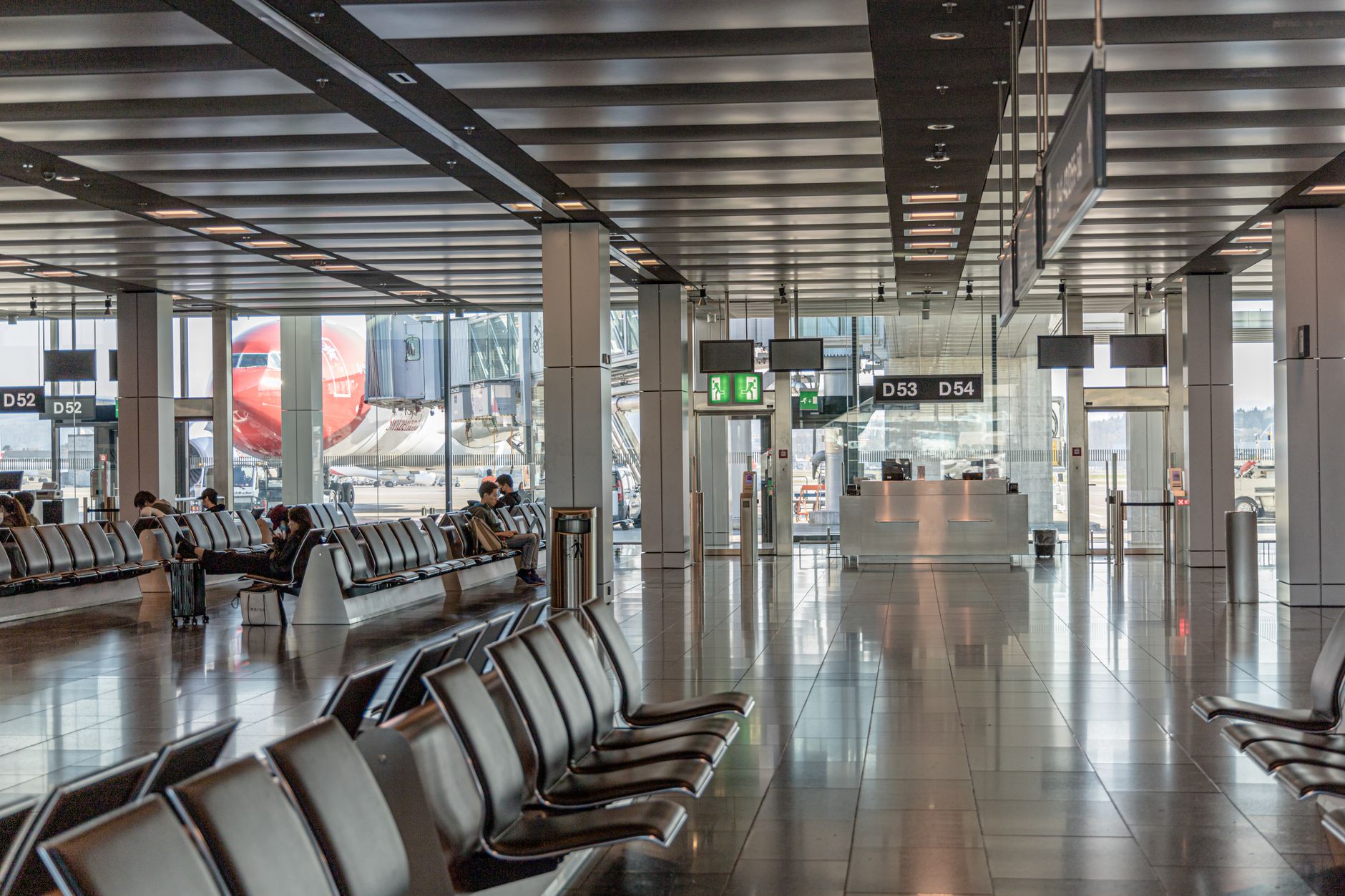
Flagship and SoftBank describe robots that sweep, scrub, mop and vacuum around the clock, including through peak travel periods. They also say crews can focus on restrooms, gates and high touch areas while robots cover the remaining floor work, which supports consistent cleaning standards. Both points are vendor descriptions, but the division of labor is the part worth copying.
The transferable idea is a single route standard. Write one template that defines zone types, pass frequency for each zone, stop and pause rules at doors and congestion points, and the handoff points where a crew member takes over. Then let each airport adjust its zone map. A shared template makes a 25 site program comparable. Without one, every site becomes its own experiment.
What should maintenance look like across many sites?
A count of 200 units is also a count of chargers, filters, squeegees, batteries and fault events. Maintenance practice decides whether those units stay on the floor. Ask whether the vendor runs one service schedule across all sites, how spares move between locations, and who clears a fault at 3 a.m.
Shared practice also means shared logs. If every site records downtime, pass completion and manual interventions in the same format, a facility team can compare a busy terminal with a quieter one. If sites log differently, the program averages will hide the locations that struggle.
What site results should any vendor provide?
Headline totals invite a yes or no. A site level report invites a decision. Request the following for each airport or venue you are evaluating, and ask for the period covered and the method used to count it.
- Robot units deployed at the site, by model
- Operating hours logged per unit per week, with idle hours shown separately
- Pass completion against the agreed route template, with missed passes listed
- Stops, faults and time to restore service, grouped by incident
- Manual interventions and the reason recorded for each one
- A coverage map showing which zones the units cover and which the crew still handles
Where does a lease fit for a facility team?
Service Robot Co. is a full service commercial robot integrator for US businesses. We are OEM neutral, so we select the right robots across manufacturers, then finance, deploy, integrate, train and service each unit through a nationwide US engineer network. One partner, one number, for the whole lifecycle.
Customers receive robots through a lease, and we quote one fixed lease payment on a three year lease after a site assessment. A facility can start with one leased unit before adding more. That order matches the lesson above: prove the route and the logs on one zone, then extend coverage.
What the announcement does not settle
A reprinted press release is not evidence of performance at a particular terminal. The announcement does not say how the 100,000 hours were distributed across the 25 airports, which locations carried the most hours, or how many units were out of service on an average night. Those gaps are fair questions, not accusations.
Use the announcement as a prompt rather than a benchmark. It shows that a multisite floor care program can be scaled and reported in one headline. Your job is to request the site numbers behind that headline before you copy its structure.
Frequently asked questions
Want a robot working for you?
Tell us the job and the site. We will recommend the robot, quote the lease, and keep it serviced.
Sources
- ISSA industry news: Flagship expands floor care program with SoftBank Robotics America
- AJOT: Flagship expands floor care program with SoftBank Robotics America
- SoftBank Robotics America case study: Flagship expanded autonomous cleaning (vendor-reported)
- CleanLink: Flagship extends floor care program partnership
- SoftBank Robotics America: Flagship scales autonomous cleaning for complex airport operations
- Flagship Aviation: autonomous airport cleaning robots
Service Robot Co. is not affiliated with, sponsored by, or endorsed by the companies mentioned in this article.