Key takeaways
- Nextgov reported mixed benefits from VA's early robot uses even though hospital staff stayed enthusiastic.
- An idle robot still uses floor space, charging, supervision and staff time, and those costs belong in the business case.
- The Madison VA precedent points to testing the route under real hallway traffic, not just the robot.
- Log completed tasks and staff interventions for each unit before adding a second robot.
- Treat vendor uptime figures as claims until your own logs confirm them.
What did the VA's early robot results show?
In March 2026, Nextgov reported on the VA's early use of robots. Of 90 VA facilities that responded to a data call, 65 reported local robot uses, and those sites reported 121 deployed uses in total. Follow up visits found benefits that were mixed, even though hospital staff were enthusiastic about the technology.
Nextgov also noted that adoption across the VA's network of more than 170 medical facilities is still some way off. For operators, the reading is simple. Interest does not equal results, and a program can be well liked and still underperform on the floor.
Why do robots end up sitting idle?
A secondary summary of the VA findings from the aggregator Pulse says many robots sat idle or needed staff to chase them, and that the Houston VA's purpose built site performed best. Pulse is not the primary report, and the primary review was not available for this check, so that wording should be treated as a lead rather than a confirmed finding.
Idle time usually has ordinary causes. A route never tested against real traffic, a unit that stops and waits for help, or a task no shift was assigned to can each leave a robot on the charger while the work waits.
How does idle time erode the case for a program?
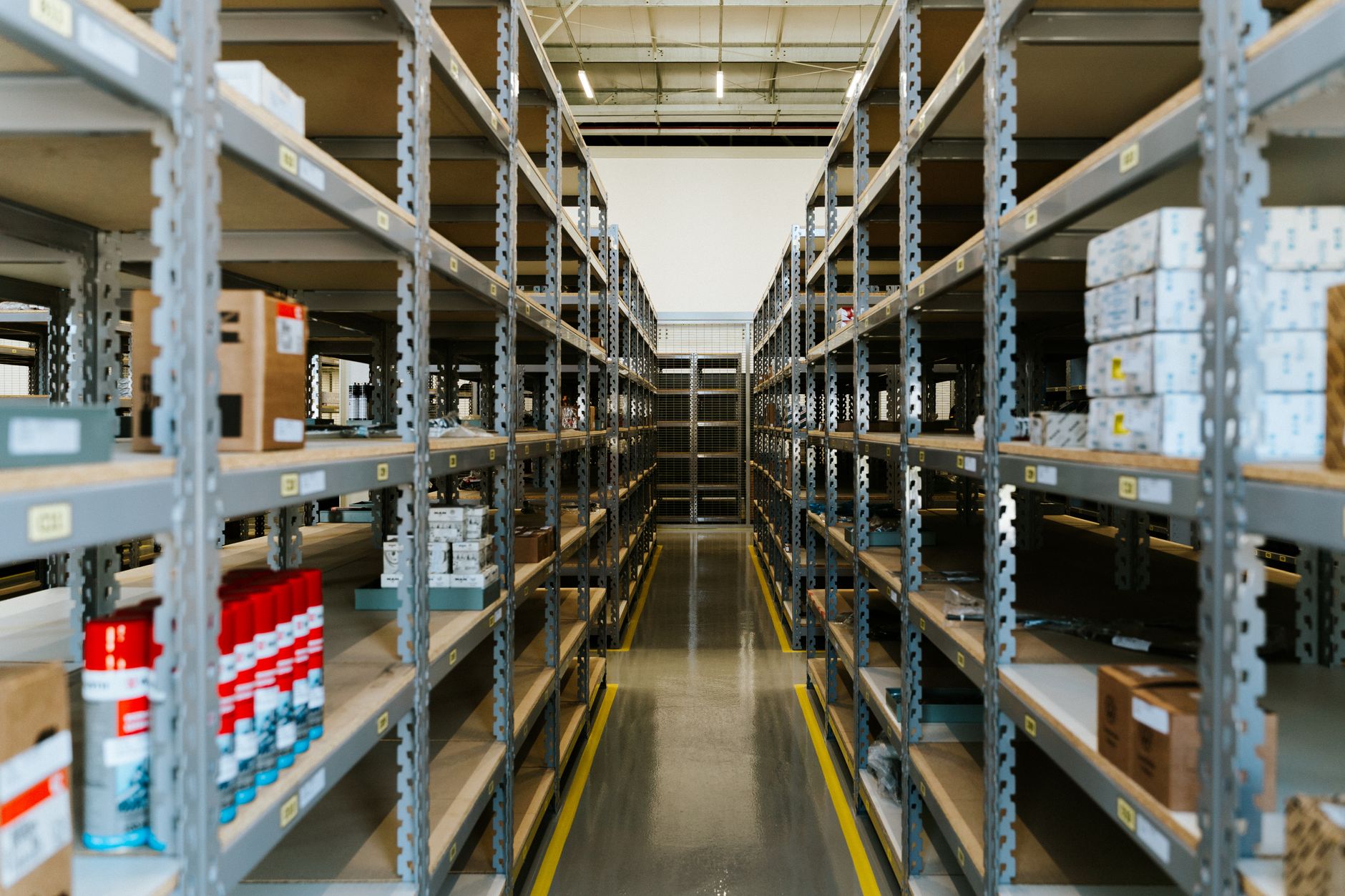
A robot case rests on hours returned to staff, and those hours only count when the unit actually finishes tasks. An idle robot still draws on charging space, floor space, supervision and the attention of whoever has to walk over and reset it.
Staffing makes this worse. A watchdog report from August 2025 found staffing shortages at VA medical centers, according to Spokesman coverage. When people are already stretched, a robot that needs chasing is not a free helper. It becomes one more task on a list that was already long.
What does the Madison VA case add?
An older case shows how a route problem looks from the outside. According to coverage of the Office of Inspector General work, the Madison VA spent about $313,000 on two robots in September 2012 without first determining whether they could move effectively through its hallways. As reported, the OIG's concern was that problems began once hallways carried staff and patient traffic.
Fox News reported the robots went unused for about two years. That timeframe comes from press coverage rather than the OIG text itself, so it is best treated as reported. The lesson holds either way. A unit that cannot handle the route it was sent on will not earn its keep, however capable the hardware looks on paper.
How do you check vendor uptime claims?

Vendor material often leads with a single headline figure. A BioSpace vendor release describes a VCU deployment that raised UV disinfection capture rate from 20% to 100%. That figure is vendor reported and has not been checked by a third party, so it describes what the vendor measured, under conditions the vendor chose.
The better move is to ask how the number was measured, over what period, on which routes, and with how many staff touches. Then run your own measurement on your floor before anyone builds a budget on it.
What should facility teams track before expanding?
Before adding a second unit, put a simple log in place for at least one normal shift cycle. Track these items per robot rather than as a fleet average, because an average can hide one unit that never leaves the charger.
- Scheduled runs against completed runs, by shift and by zone
- Every staff intervention, with the time, the reason and who responded
- Blocked route events, including doors, elevators and crowded corridors
- Hours offline for each stop, with the cause recorded
- Charge state at shift start and whether the unit reached its next task
- A go or stop threshold agreed before the pilot begins
What does a sound expansion decision look like?
Expansion makes sense when the log shows completed tasks holding steady across normal traffic and staff interventions falling over time. Enthusiasm from staff is a good sign, yet the VA results show it does not settle the question by itself.
This is where we help. Service Robot Co. starts with a site assessment that maps actual traffic, doors and elevator stops before we quote anything. The result is one fixed lease payment on a three year lease, backed by a nationwide US engineer network that services every unit. Our OEM neutral selection matches the robot to the route, not to a single brand's catalog.
Where should a first pilot start?
A narrow first pilot limits the damage from a bad route. Choose one zone, one shift and one task type, and keep the unit on that route until the log is clean.
Delivery and cleaning robots run very different routes, so mixing them in a first trial muddies every reading you take.
Frequently asked questions
Want a robot working for you?
Tell us the job and the site. We will recommend the robot, quote the lease, and keep it serviced.
Sources
Service Robot Co. is not affiliated with, sponsored by, or endorsed by the companies mentioned in this article.