Key takeaways
- HosRob's public page confirms a May 2026 to April 2029 window, not a published result.
- A long timeline only helps when the design logs baselines, failures and stop rules.
- Budget and partner lists signal scope, not proven performance.
- A US pilot should run long enough to see several weekly cycles and at least one disruption.
- Set go or no go criteria before the first robot moves, not after the numbers arrive.
What HosRob actually runs from May 2026 to April 2029
The HosRob project, listed on the CELTIC-NEXT site as a development of a robotic delivery system in a multistore hospital building, runs from May 2026 to April 2029. Its aim is autonomous mobile robots that move medicine and instruments around hospitals. The page gives a total budget of 661.9 K€ and 20.3 person years of effort, figures the source presents as stated and not independently audited.
Read that carefully. The public record describes a funded development project with a fixed window. It does not describe a finished trial, a results report or a site count, and that difference shapes everything else in this article.
Who is doing the work, and what the public record leaves out
Six partners from Lithuania, Poland and Ukraine are named, with Vilnius Gediminas Technical University as coordinator. The other named partners are Republican Vilnius University Hospital, Warsaw University of Technology and National University Zaporizhzhia Polytechnic. A hospital inside the consortium matters, because clinical staff decide how a delivery workflow really behaves on a ward.
In the project title, multistore means a multi floor building. Searches turned up no published trial design, sample size, metrics or results. Nor did they confirm a comparative study or interim reporting. Those gaps tell a reader as much as the timeline does.

Why a long clock can beat a short demo, and where it stops
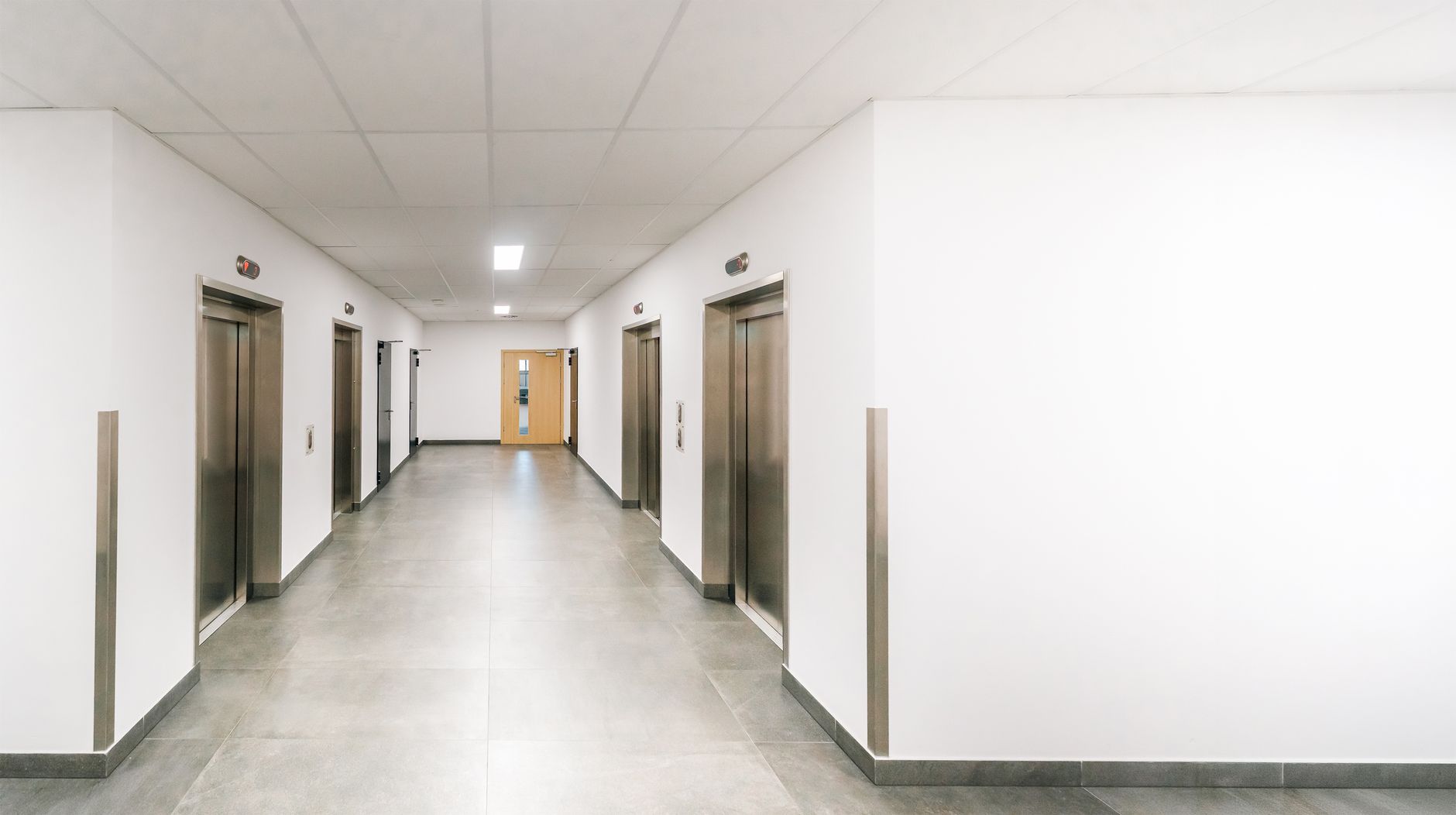
A demo usually captures one shift, one route and a team that is watching closely. A multi year window can catch what a demo never reaches: battery drift, elevator queues at shift change, staff who stop noticing the robot, and supply peaks that do not arrive on demo day. Those patterns decide whether a robot keeps its place on the floor.
Duration is necessary, but it is not sufficient. A long timeline with no baseline, no failure log and no agreed outcome measure yields anecdotes on a longer calendar. A Nature Scientific Reports article on intelligent logistics robots in hospital drug and specimen delivery shows that researchers are studying these questions. The notes captured only its title, so no figures from it appear here.
What a study design has to write down before its results count
Judge any design, HosRob's or your team's, by what it commits to in writing. The list below is the minimum a reader should expect before trusting a result.
Without the first item, any improvement is a guess. Without the third, the robot gets credit for time that a person or a door actually cost.
- A baseline measured with the same clock and the same staff before any robot moves
- One defined unit of work, such as a single pharmacy to ward delivery timed from request to handoff
- Every interruption logged by cause, including door holds, elevator waits and manual overrides
- Stop rules agreed in advance for safety events and for uptime falling below an agreed level
- A named recorder for each log, and a rule for who reviews the records
How a US team can test a pilot against this design
Start with the question the pilot must answer. Does one route cut nurse walking time, or shorten specimen waits on one wing? That question sets the metric, and the metric sets the length. A pilot that proves a robot can move down a corridor has not yet answered anything a hospital budget office cares about.
Cover several weekly cycles and at least one disruption, such as a sick call or a holiday schedule. Report the first two weeks apart from the rest, because novelty flatters early numbers. Put the go or no go criteria in the plan before the first run, so the target cannot drift once data arrives.
Where a fixed lease quote fits the pilot clock
Service Robot Co. is a full service commercial robot integrator for US businesses. We are OEM neutral: we pick the right robots across manufacturers, then finance, deploy, integrate, train and service every unit through a nationwide US engineer network. One vendor covers the whole lifecycle, from the first site visit to the last service call.
Our offer is a three year lease with one fixed payment, quoted after a site assessment. That makes it practical to write the pilot question, the baseline and the stop rules into the same plan as the lease terms, so the decision date is known before the robot arrives on site.
Frequently asked questions
Want a robot working for you?
Tell us the job and the site. We will recommend the robot, quote the lease, and keep it serviced.
Sources
Service Robot Co. is not affiliated with, sponsored by, or endorsed by the companies mentioned in this article.