Key takeaways
- Aspire's 2026 report, as reported in April 2026, says 47% of commercial landscapers prioritize margin improvement. The figure is vendor-reported.
- Mowing crews lose margin through travel between lawns, overtime on open turf and detail work that gets pushed out.
- Only mowing minutes on open turf a mower can cover are candidates for a return of crew hours.
- Count travel savings only when the route itself changes.
- Test the estimate on a small pilot before committing to a lease.
What the 47% figure means for mowing crews
Margin is now the lever many landscapers pull first. According to Aspire's 2026 Landscaping Technology Trends Report, reported in April 2026, 47% of commercial landscapers prioritize margin improvement. Aspire is a vendor and the results are self-reported survey data, so read the number as a direction rather than a benchmark.
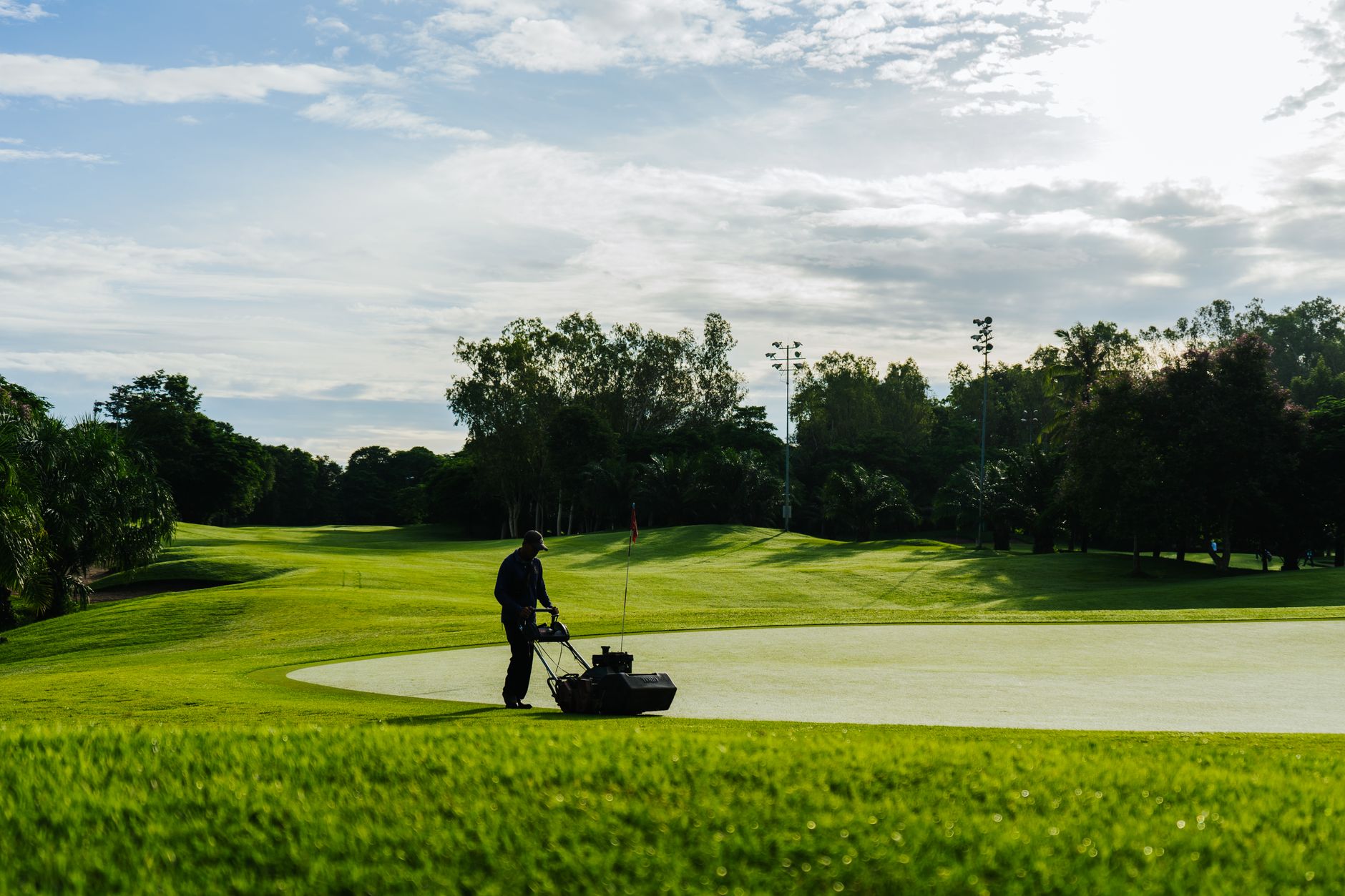
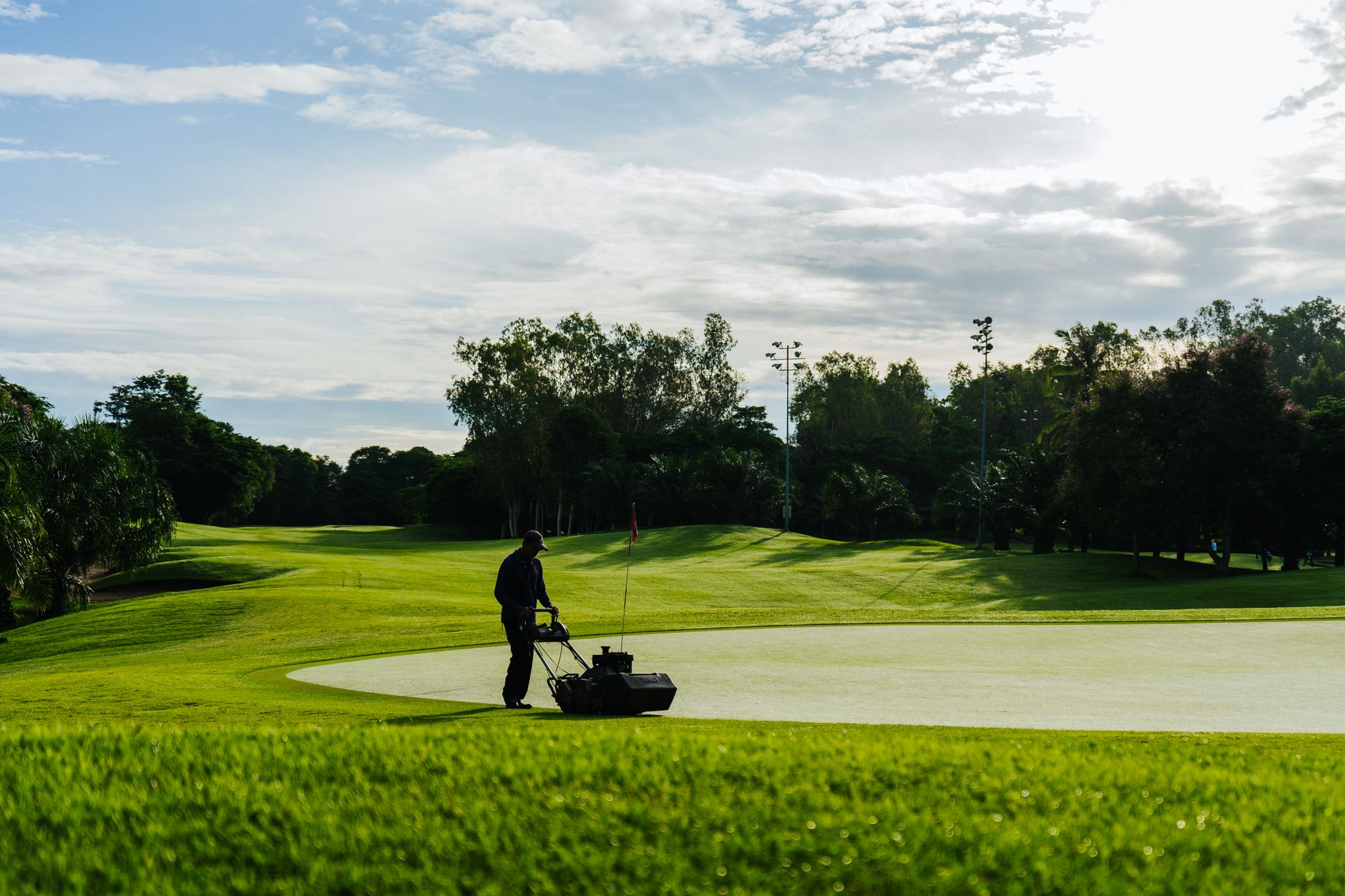
For a mowing crew, margin rarely leaks in one dramatic place. It drains through three quieter channels: travel between lawns, overtime on open turf, and detail work that gets pushed out of the day. A robotic mower can return some of those hours by taking repetitive open-turf passes off the crew, but it cannot return all of them, and it will not fix a route that is badly sequenced.
The useful question is not how many hours a robot saves in general. It is how many of your logged minutes fall on properties where a mower can run, and which of those minutes would otherwise become overtime or skipped trimming.
Three places mowing hours leak margin
Travel is the first leak. Time in the truck between properties is rarely billed, and it grows when routes zigzag across a service area. A mower does not shorten a drive, but a route rebuilt around the mower's schedule may.
Open turf is the second. Large, flat lawns look like the easiest work on a bid, yet they often run long in the afternoon when heat, wet grass or a clogged discharge slows the whole crew. That tail is where overtime tends to appear.
Detail work is the third, and the least visible on a spreadsheet. When mowing overruns, edging, trimming and bed cleanup are the first tasks dropped. Clients judge a lawn by its edges, so the cost often surfaces later, at renewal time.
Log these four fields for each property during a normal week:
- Drive minutes from the prior stop
- Mowing minutes on open turf
- Minutes that ran past the scheduled end of the day
- Detail minutes completed compared with the bid
How do you estimate the hours a robotic mower could return?
Start with a route time audit. Sort each property into one of three groups: open turf a mower can cover without hand work, lawns with slopes, tight edges or obstacles that still need a crew, and lawns where a mower would only add supervision. Only the first group is a candidate for a return.
Next, total the mowing minutes the crew spends on that first group. Then subtract what a mower adds back: setup, boundary checks, on-site supervision, charging logistics and any fix trips. What remains is the range of hours a plausible return could fill. Keep it a range, not a single point.
Travel is counted only when the route actually changes. If the mower lets you cluster properties or drop a midday return to the yard, record that change. If the drive stays the same, do not book it as saved time.
Where the freed crew hours should go

Freed hours need a deliberate destination, or they disappear into the day. Trimming, edging and bed maintenance are the natural choices, because they are the tasks that get skipped under pressure and the ones clients notice most.
Some operators use the time to take on more lawns instead. That only works if the crew can absorb added properties without new overtime, so the capacity math belongs before the bid goes out.
Labor is the backdrop. Aspire coverage notes that contractors plan wage increases to attract talent amid labor shortages, though the public summaries did not include percentages. Hours returned by a mower carry more weight when hiring is hard.
What the survey can and cannot tell you
Turf Magazine reports that Aspire's 2026 Commercial Landscape Industry Report surveyed 1,015 commercial landscape contractors, fielded by Thrive Analytics from May 2 to May 23, 2025. These results are vendor-reported.
The sample description is not consistent across sources. Aspire's own release describes a survey of 1,000 residential contractors, while another summary cites 510 commercial professionals. Before a board or lender sees the 47% figure, confirm which survey it came from.
Nothing in the public summaries measures mowing hours, travel minutes or overtime on open turf. The figure can frame the priority, but your own route logs have to size the opportunity.
How a lease quote fits a mowing budget
Service Robot Co. is an OEM-neutral integrator. We choose robots across manufacturers, offer commercial robot leasing through financing on a 3-year lease, then deploy, integrate and service each unit under RoboCare, backed by regional service engineers in every state we service.
Our lease is quoted as one fixed robot lease payment after a site assessment, so the hours estimate and the cost estimate rest on the same measured property data. We do not put a return figure on a lawn before we have walked it.
Testing the estimate before you commit
A short pilot on one or two suitable properties will show whether the estimate holds. Run the same route log for several weeks with the mower in service, then compare mowing minutes, overtime and detail completion against the baseline.
Judge the pilot on those three measures. If overtime does not drop and detail work does not return, the hours went somewhere else, and the route needs redesign before any further lease discussion.

Frequently asked questions
Want a robot working for you?
Tell us the job and the site. We will recommend the robot, quote the lease, and keep it serviced.
Sources
- Aspire: New research reveals busy is not the same as profitable
- Sahm Capital: ServiceTitan report shows 59% of landscapers target revenue growth as margin pressure rises (2026)
- Landscape Management: Aspire's 2026 technology trends report, why integrated platforms are key to landscaping margins
- Turf Magazine: Aspire's 2026 Commercial Landscape Industry Report is now live
- Quiver Quant: Aspire Software releases 2026 Commercial Landscape Industry Report
- Aspire: 2026 Landscape Industry Trends Report