Key takeaways
- Golf crews are short on labor, and the survey data backs that up.
- Fairway mowing is a measurable block of seat time that robots can take over.
- Move repetitive, open turf first so greens, bunkers and tees keep skilled hands.
- Your timecards and mower run logs beat any national average for planning.
- A site assessment turns the question into a fixed lease quote.
Where the golf labor gap shows up
Golf course crews have been hard to staff for a while, and the survey numbers say so plainly. In a GCSAA-related labor survey, 63% of respondents described the labor market as bad or very bad, while 9% called it good or very good and 28% were neutral. Coverage of that survey gives different years, so this piece does not assign one.
The cost side has moved as well. According to USGA's Green Section Record, citing GCSAA's 2024 Maintenance Budget Survey, average labor expenditures across the country rose 17% from 2022 to 2024. That money goes to people, and it lands on the same budget that pays for greens.
The useful question for a superintendent is narrower than whether labor is short. It is which hours on the calendar can move to a machine, so the people still on the crew reach the greens, bunkers and tees that need them most.
Counting the gap in hours, not complaints
A labor gap is easier to manage once it is counted in hours. Pull a full season of timecards and sort them by task: greens, tees, bunkers, fairways, rough and clubhouse support. The totals often show a large block of seat time going to the same open turf every week.
Set mower run logs beside those timecards. Compare the hours a crew member spends in a fairway mower seat with the hand work that only people can do. The distance between those two columns is the number to plan around.
Those five measures say more than an industry average. A club shares its labor market with other employers, but its roster, mowing schedule and seasonal peaks belong to the club alone.
- Hours per task per week, from timecards
- Seat hours on fairway mowers, from run logs
- Overtime tied to mowing days
- Open crew positions and how many weeks they stayed open
- Hours lost to mower repairs or weather holds

Which fairway hours can move to robots?
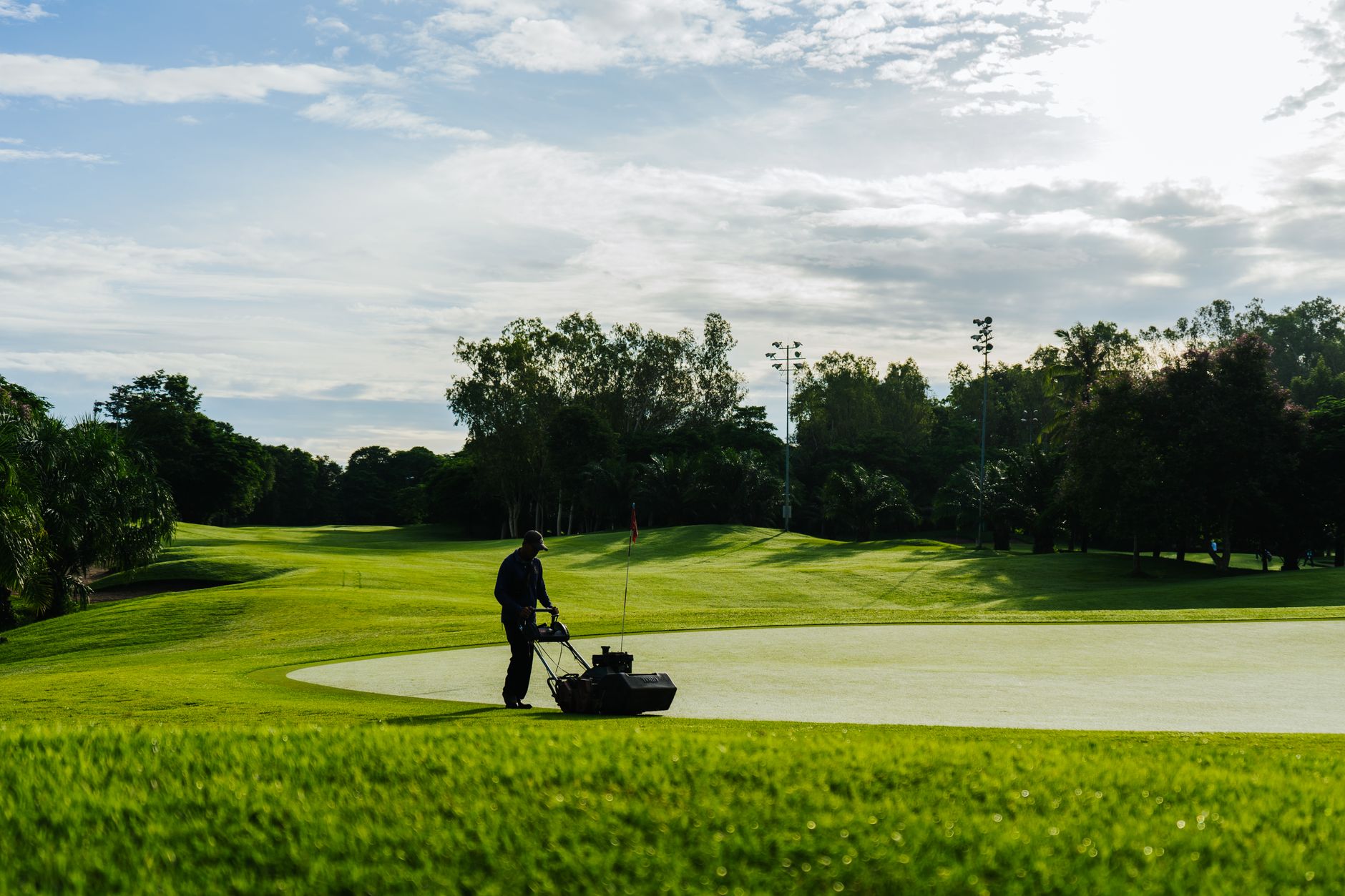
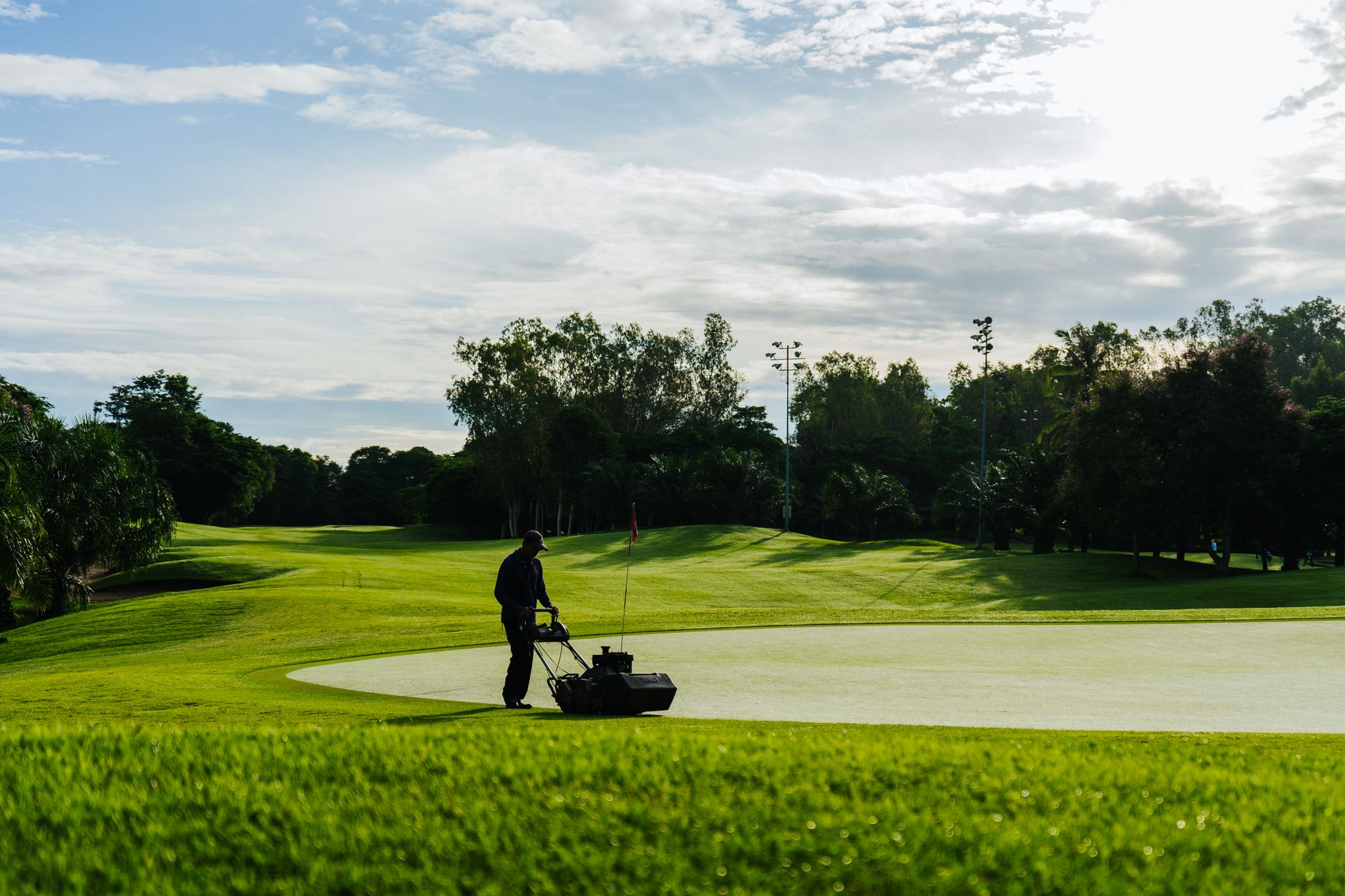
Fairway mowing suits a robot better than most turf work because it is repetitive, open and predictable. The same pass repeated across a mapped layout is the kind of task autonomous mowers are built around, and fairways are where long seat hours pile up.
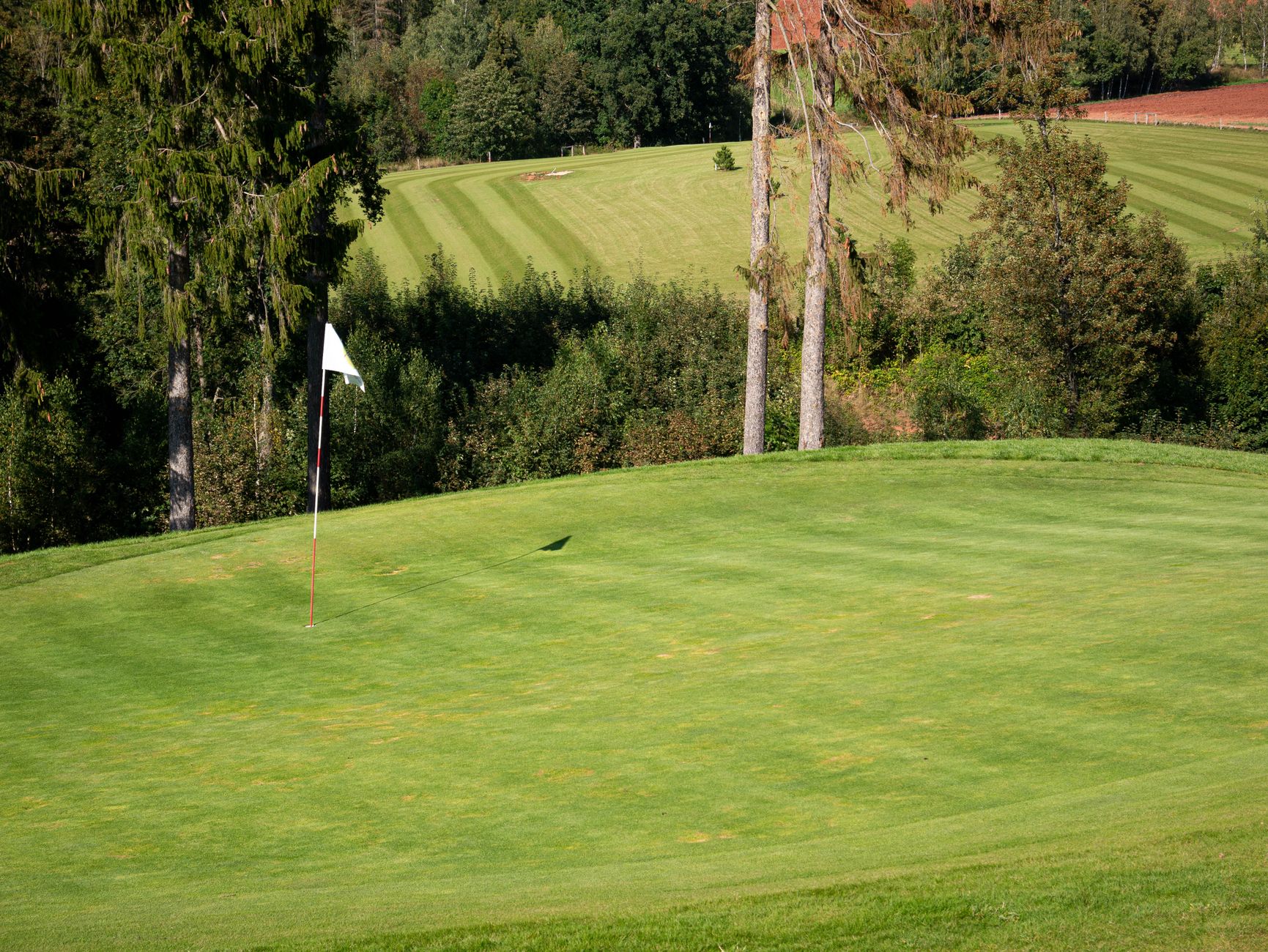
Greens, tee surfaces and bunker faces stay with hand work. They call for close, judgment-heavy attention, and the crew members who do that work carry knowledge a machine does not replace. Moving fairway hours only helps if those skilled hands get the time back.
Edges need the most care. Cart paths, hazard banks, drains, tree lines, slopes and wet low spots must be mapped and set as limits before any autonomous pass runs. Each limit is a place where a person still checks the work, and that list belongs in the plan from the start.
Where crew hours go once fairway seats open
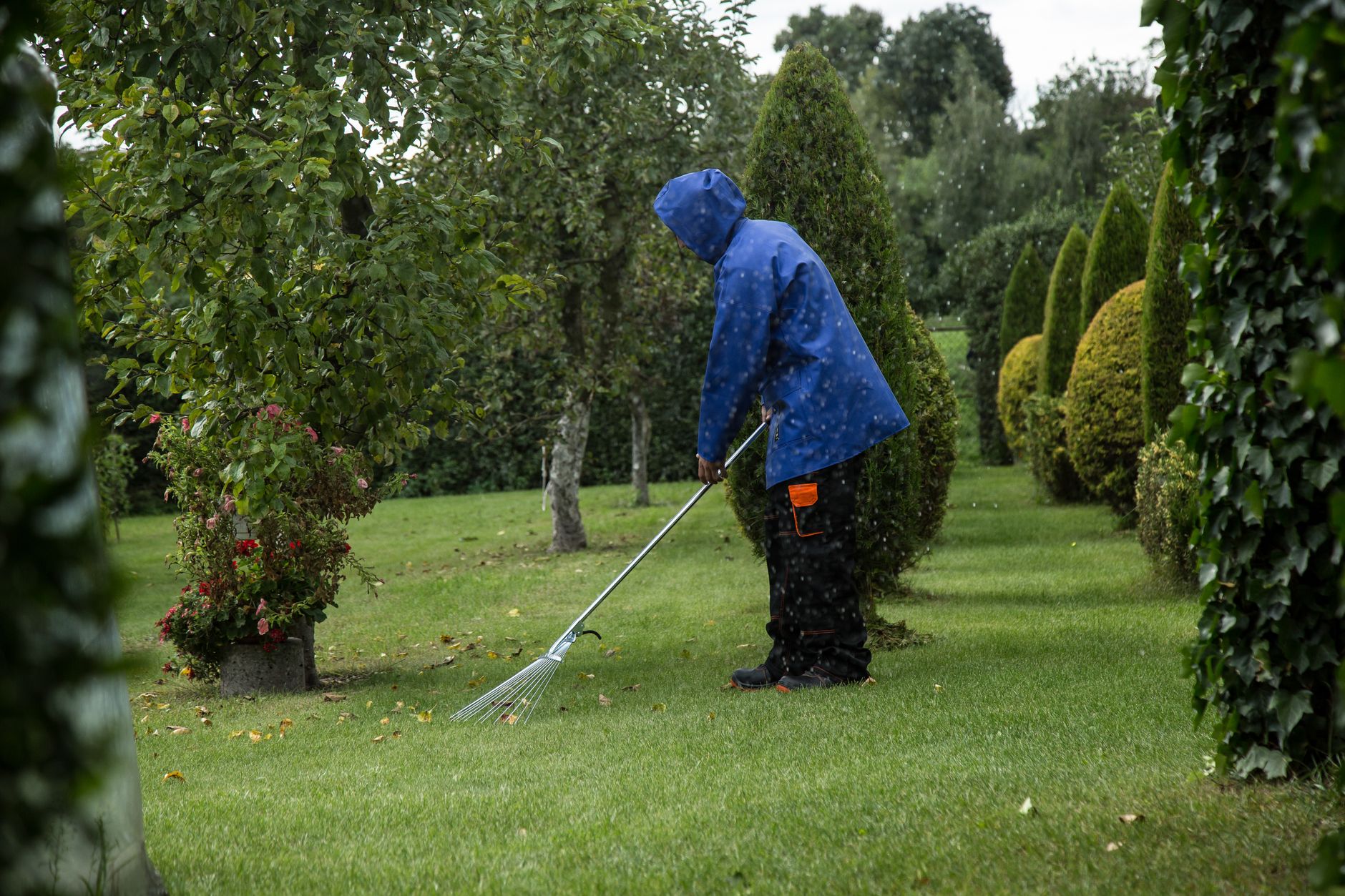
Freed hours have to land somewhere specific, or they vanish into the week. Assign them in order of agronomic need: greens first, then tees and bunkers, then the hand edging and cleanup that robots leave behind.
Plan the shift before the first pass. Name the crew member who checks each run, the time that check happens, and the greens task that takes over the seat hour. Without those names, an open seat tends to get refilled by whoever is free that morning.
What a robot lease adds to the budget conversation
Service Robot Co. is an OEM-neutral robot integrator for US businesses. We pick the robot that fits the work across manufacturers, lease it through financing on a 3-year lease, deploy and integrate it, train the people who run it, and service every unit under RoboCare, our service plan, backed by regional service engineers in every state we service.
The lease comes as one fixed quote after a site assessment, so the cost line is known before a mower runs. A club building a labor plan can set that fixed figure beside crew wages and the hours those wages cover.
Start with one zone. A single leased unit on a defined set of fairways lets a superintendent test the hour counts from the earlier section before committing the whole course. One partner, one number, covers the service calls that follow.
Keeping the crew in the loop
Crew members who read a robot as a threat to their jobs will not help it run well. Brief the team on which hours change, which roles stay, and where the new checks sit in the shift. Specifics build trust faster than general reassurance.
Training matters as much as the hardware. A crew lead who can read a run log, spot a stopped pass and call the right person is worth more than any single feature of the machine. Pair that training with a clear routine for the shift handoff.

What national survey figures cannot tell you
National figures frame the problem, but they do not size it for one course. An average labor expenditure rise across the country says nothing about how many seat hours your fairways consume, or how many weeks your crew sits short.
Use the survey as context in a board discussion, then replace it with your counts. A club with a short northern season and a club with year-round mowing face different hour totals, even when they read the same headline.
Turning the gap into a decision
Begin with the timecards and run logs already on file. Count the fairway seat hours, the open positions and the overtime, then mark which hours sit on open, repetitive turf. That list is the starting point for any robot conversation.
Then request a site assessment and compare the lease quote with the hours you measured. If the numbers do not close, keeping the crew as it is makes sense. If they do, the lease turns a labor shortfall into a schedule the club can plan around.
Frequently asked questions
Want a robot working for you?
Tell us the job and the site. We will recommend the robot, quote the lease, and keep it serviced.