Key takeaways
- Aspire's 2026 landscaping research, as summarized by an aggregator, puts 59% of contractors planning revenue growth, a vendor reported figure.
- Growth intent is not crew capacity until it is tied to hours on the route.
- Split every property into open turf, mixed and detail zones before you price it.
- Detail work often takes more time than mowing, so time it separately.
- A robot mower returns open turf minutes minus the supervision time that remains.
Where do the extra crew hours come from?
Aspire Software, a ServiceTitan company, released its 2026 Commercial Landscape Industry Report on October 7, 2025, drawing on more than 1,000 commercial landscaping owners and executives. According to the release, the report centers on client retention, operational efficiency and technology investment. The findings are vendor reported, so read them as the vendor's own survey results.
The growth figure most people quote is 59%. According to an aggregator summary, that number reflects Aspire's 2026 landscaping research, which says 59% of contractors plan to increase revenue in 2026. The same summary attributes it to Aspire's separate Landscaping Technology Trends Report, and we could not confirm it on the commercial report itself. Treat it as growth intent, not proof of capacity.
Intent is cheap. Every extra dollar of revenue on a mowing account becomes route time, and route time is crew time that you already have, can hire, or can hand to a machine. The useful question is not whether a contractor plans to grow. It is which hours will carry that growth, and the first step is separating open turf from detail work.
What separates open turf from detail work?
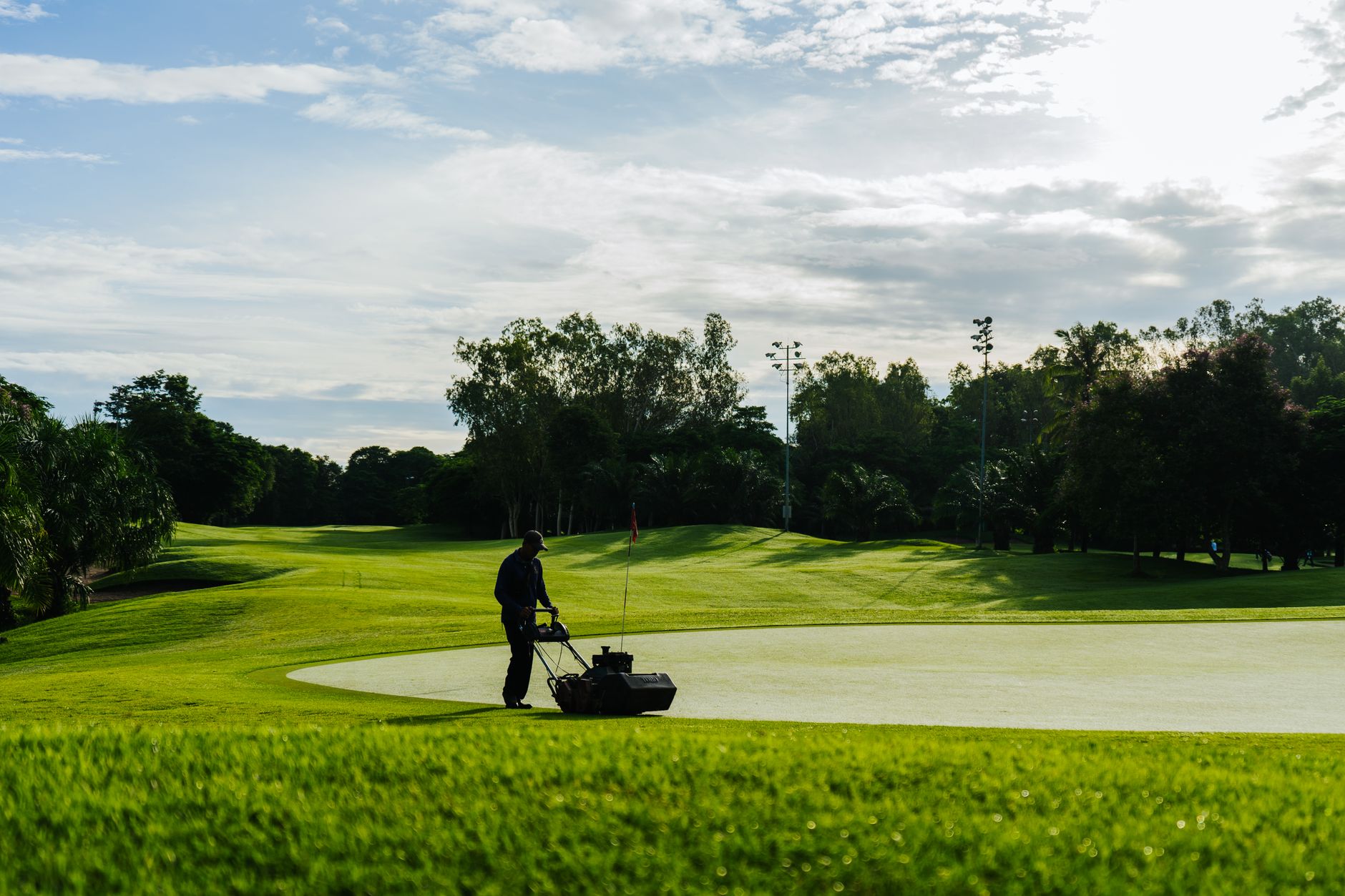
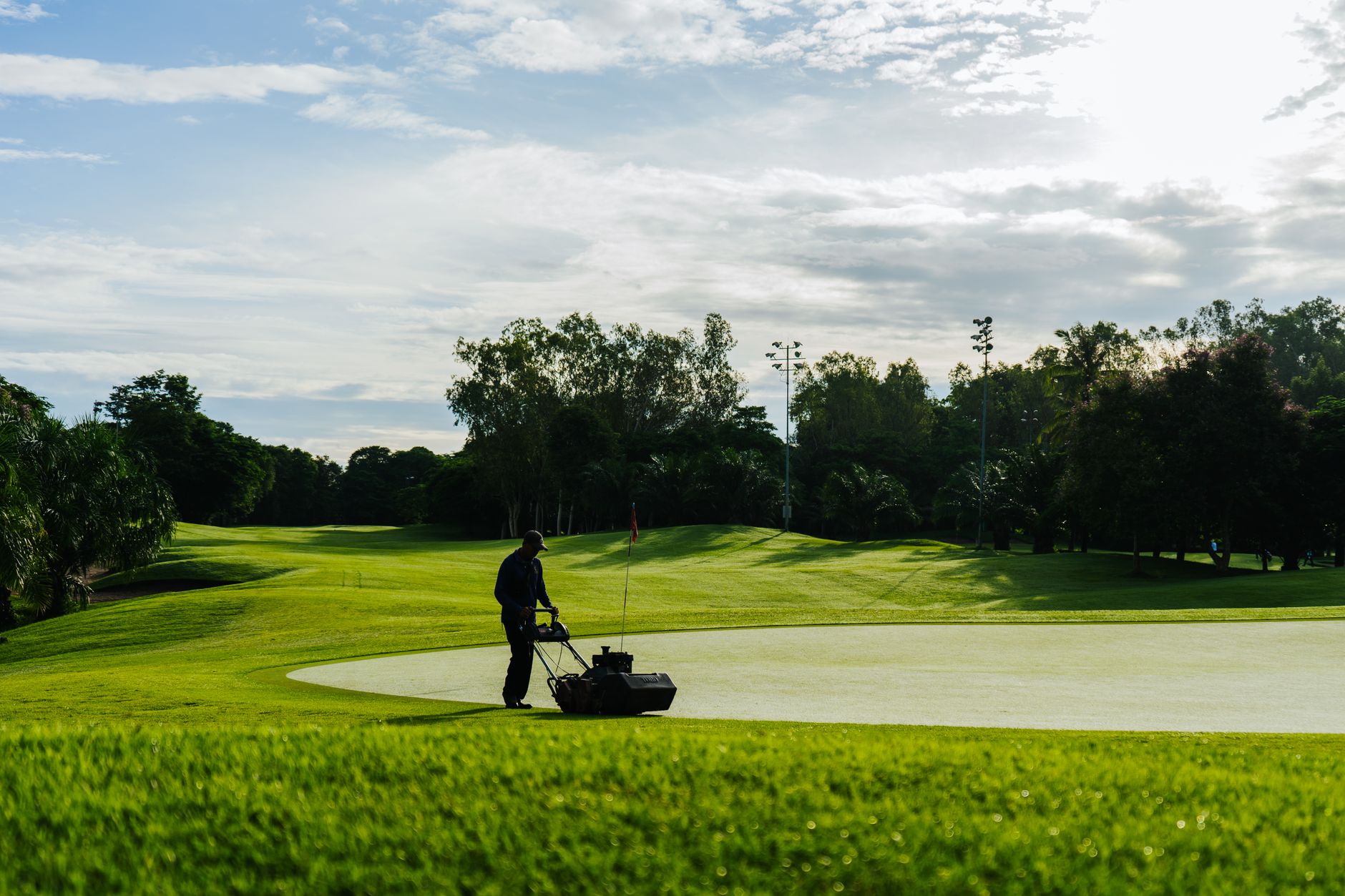
Open turf is the broad, mostly unobstructed area a mower can cover in long, consistent passes. Detail work is everything that keeps a property looking finished: edging along walks, trimming around signs and light poles, beds, islands, tight corners, and the cleanup that follows. Most commercial properties mix both, which is why a single acreage figure hides the real labor.
Label each zone before you price it. Open turf zones go in the open turf column. Zones with frequent obstacles, many beds or long edge runs go in the detail column. Anything that does not clearly fit goes in a mixed column until someone has timed it. Keeping mixed zones out of the open turf total stops the growth math from counting hours that never existed.

How do you time detail hours before adding a machine?

Route pricing built on mowing speed alone misses the trimming, edging, blowing and touchups that follow each pass. A route audit fixes that by logging time per zone over a period long enough to capture normal variation, then comparing the results with timecards. Record these fields for each zone:
Once you have the numbers, compare open turf minutes with detail minutes on the same route. If detail is the larger share, adding a machine to open turf frees fewer hours than a growth target assumes. That is a useful result, not a failure, because it shows where the next hire belongs.
- Zone label: open turf, mixed or detail
- Open turf minutes per visit, measured from start to finish
- Detail minutes per visit, including trimming, edging and cleanup
- Drive and setup minutes between zones
- Obstacles, slopes and edge length that change pass time
Do growth plans and route hours agree?
The rest of Aspire's coverage adds useful context. Turf Magazine reported that the 2026 commercial landscape report was live, and according to NALP's summary of the same research, 79% ranked growing revenue as the top goal while 71% ranked acquiring new customers. Those figures read as goal rankings rather than planned growth, so they should not be added to the 59% figure.
NALP also reports that 42% of commercial landscape companies expect the market to improve and 38% expect it to stay about the same as last year. That is vendor reported survey data, so it describes sentiment rather than crew hours.
Tool sprawl matters too. According to Aspire's coverage, 62% of contractors use seven or more solutions, and 29% use ten or more. Each tool adds entry and check-in time, and those minutes belong in the audit because they come from the same crew day as the mowing.
What changes when open turf goes to a robot mower?
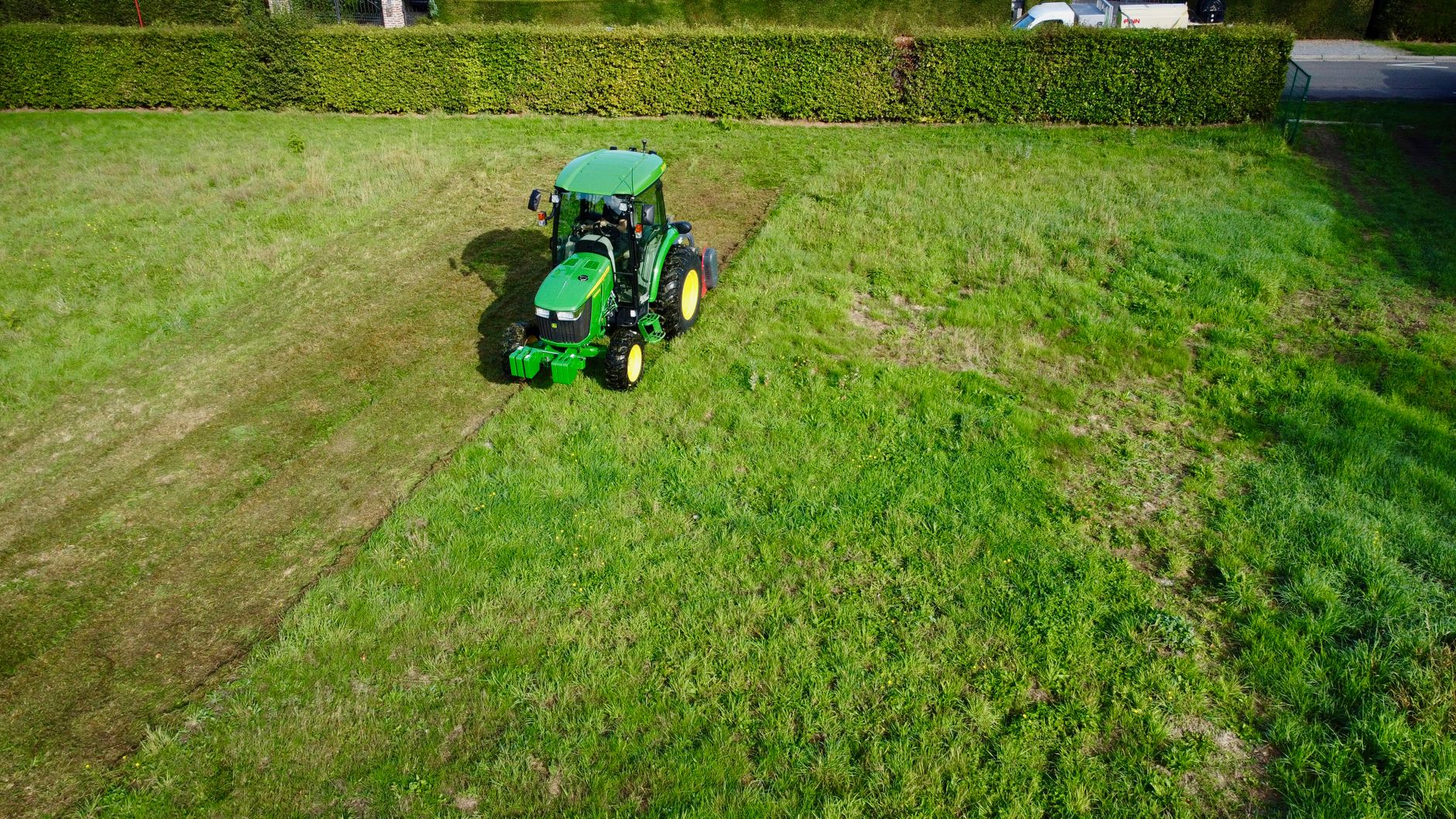
A robot mower takes the open turf passes on zones labeled open turf. It does not take edging, bed work, trimming or cleanup, and it does not remove the need for a person who checks the route, starts the job, clears a pause and responds when conditions change. The hours returned are open turf minutes minus the supervision and startup time the crew still spends.
That subtraction is why the audit matters. A contractor who skipped the labels might count a whole acreage as freed time, then find the crew still doing edges and cleanup at the end of every day. A contractor who labeled the zones can show a client exactly which passes moved and which stayed with the crew.
How does Service Robot Co. fit into the hours math?
Service Robot Co. is a full service commercial robot integrator for US businesses. We are OEM neutral, so we choose the robot for the ground rather than from one manufacturer's catalog. We lease robots through financing on a three year lease, with one fixed payment quoted after a site assessment, then deploy, integrate, train and service each unit under RoboCare, our service plan, backed by regional service engineers in every state we service.
The site assessment is where zone labels get checked against the actual ground: slopes, obstacles, edges and the detail minutes that show up in practice. One vendor covers the whole lifecycle, which keeps the hours math in one place rather than spread across several contracts.
How do you tie a growth target to real hours?
Start from the revenue target and work backward through the crew. The method is simple, and the discipline lies in the inputs.
The final step is the one most plans skip. Growth that depends on hires you have not made is a hiring plan, not a capacity plan. Show the gap in writing, and the growth target becomes a question your team can answer with a date rather than a hope.
- Convert the revenue target into added routes using your current revenue per route visit
- Price each new route with its open turf and detail minutes from the audit, not a flat acreage rate
- Subtract the supervision time that a robot mower still needs on open turf
- Count only crew hours you have hired or can hire, and flag the rest as unfilled
Frequently asked questions
Want a robot working for you?
Tell us the job and the site. We will recommend the robot, quote the lease, and keep it serviced.
Sources
- Aspire Software 2026 Commercial Landscape Industry Report release (Mammoth Times)
- Aspire Software 2026 Commercial Landscape Industry Report release (Barchart)
- Aspire 2026 Landscaping Technology Trends Report (OPE Plus)
- Aspire 2026 Landscape Industry Trends Report guide
- NALP: The State of Commercial Landscaping in 2026
- Quiver Quant: Aspire Software releases 2026 Commercial Landscape Industry Report
- Turf Magazine: Aspire's 2026 commercial landscape industry report is now live