Key takeaways
- OSHA renewed its National Emphasis Program (NEP) for warehouses, extending it for five years to focus on high-injury sectors.
- The NEP targets hazards from powered industrial trucks, material handling, and ergonomics due to injury rates nearly double the private industry average.
- Musculoskeletal disorders from overexertion are a primary cause of warehouse injuries.
- Autonomous Mobile Robots (AMRs) can mitigate forklift risks by automating transport and reducing pedestrian incidents.
- Collaborative robots (cobots) directly address ergonomic hazards by taking over repetitive lifting, bending, and palletizing tasks.
OSHA Renews Warehouse Enforcement: What You Need to Know
In summer 2026, the Occupational Safety and Health Administration (OSHA) renewed its National Emphasis Program (NEP) for Warehousing and Distribution Centers, extending the initiative for five years. This program directs OSHA inspectors to proactively and comprehensively target warehouses for safety checks, rather than waiting for an accident or complaint.
The reason for this focus is clear and data-driven. Injury and illness rates in the warehousing sector remain stubbornly high, in some cases more than double the average for all private industries. The NEP specifically targets the most frequent causes of serious harm: hazards related to powered industrial trucks like forklifts, material handling and storage, and ergonomic risks that lead to musculoskeletal disorders (MSDs).
For warehouse operators, this sustained focus means a greater likelihood of a comprehensive inspection. The key to compliance and, more importantly, a safer workplace lies in addressing these core risks directly. Deploying autonomous mobile robots (AMRs) and collaborative robots (cobots) offers a direct, data-backed path to mitigating these specific hazards and reducing injury rates.
What is a National Emphasis Program?
A National Emphasis Program is a special focus for OSHA. The agency uses NEPs to direct its enforcement resources toward particular hazards or industries that have high rates of injury and illness. Instead of randomly selecting sites or waiting for a worker complaint, an NEP means OSHA actively targets facilities in a specific sector for inspection.
The program for Warehousing and Distribution Centers (CPL 03-00-026) was initiated because the industry's rapid growth has been accompanied by persistently high injury rates. Between 2017 and 2021, the total recordable injury rate for general warehousing was 5.18 per 100 workers, far exceeding the private industry average of 2.76. The renewed program extends this focus for another five years, signaling that OSHA's scrutiny will not diminish.
Hazard Focus 1: Powered Industrial Trucks
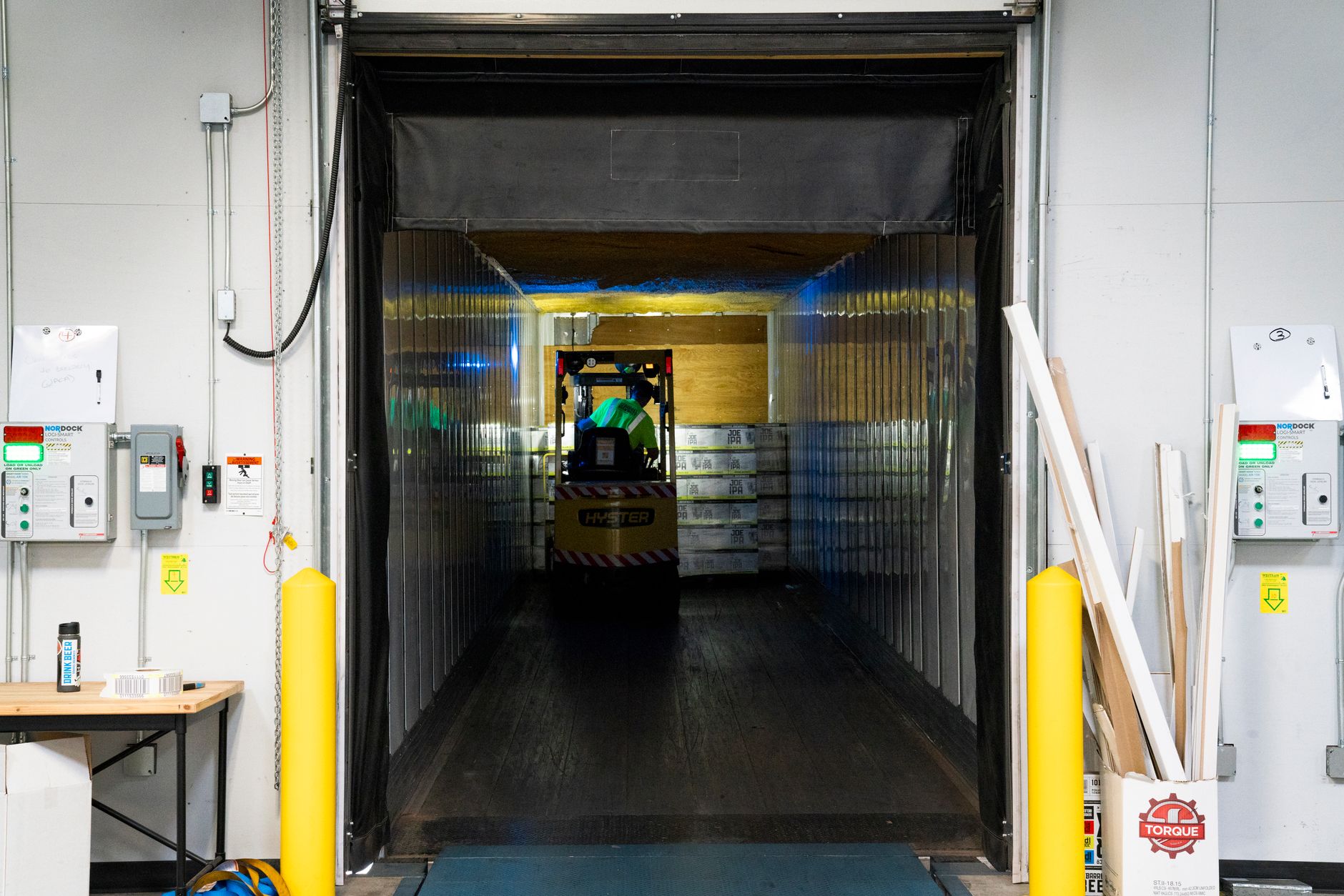
Powered industrial trucks, especially forklifts, are a primary concern for OSHA inspectors and a major source of serious injuries in warehouses. Powered industrial truck violations are consistently among the top citations issued by OSHA in the warehousing sector.
The statistics are sobering. Annually, forklift-related accidents result in approximately 75 to 100 worker fatalities and tens of thousands of serious injuries. The National Safety Council reported 67 fatalities from forklift incidents in 2023 alone. These incidents often involve collisions, workers being struck by vehicles, or tip-overs, which account for a quarter of all forklift accidents. A significant portion of these accidents are preventable with better training and safer operational protocols.
How AMRs Directly Address Forklift Risks
Autonomous Mobile Robots (AMRs) are a direct countermeasure to the hazards posed by manually operated forklifts. By automating the transport of pallets, carts, and goods, AMRs reduce the need for forklift traffic in congested areas and pedestrian-heavy zones.
Equipped with advanced sensors like LiDAR and cameras, AMRs can navigate facilities dynamically, detecting and avoiding obstacles, including people and other equipment. This autonomous navigation drastically lowers the risk of collisions and struck-by incidents, which are common with human-operated vehicles. AMRs handle repetitive, long-distance material transport, freeing human workers from operating heavy machinery in busy environments and allowing them to focus on higher-value tasks. This not only improves safety but also enhances operational efficiency.
Hazard Focus 2: Ergonomics and Material Handling
OSHA's NEP also concentrates heavily on ergonomic hazards from manual material handling. Musculoskeletal disorders (MSDs), such as sprains, strains, and back injuries, are the most common injuries in the warehouse environment. According to the Government Accountability Office, overexertion and bodily reaction are the leading cause of MSDs among warehouse workers.
These injuries result from repetitive lifting, carrying, bending, and twisting. Sprains, strains, and tears account for 35% of all warehouse injuries, while MSDs make up 42% of cases that result in lost work time. The constant physical stress of these tasks leads to high rates of injury, driving up workers' compensation costs and impacting productivity.
Using Cobots to Reduce Ergonomic Injuries
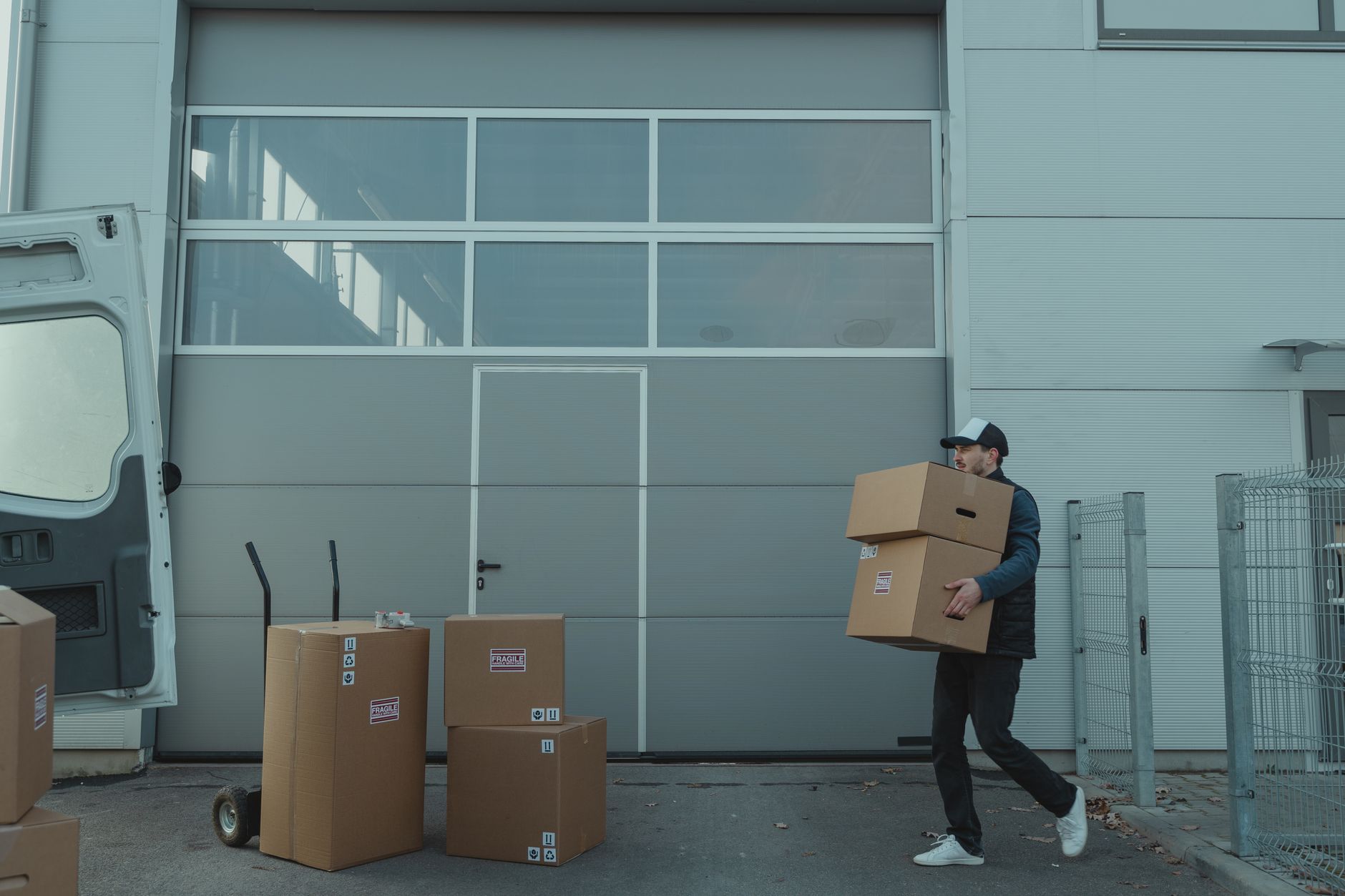
Collaborative robots, or cobots, are designed to work alongside human employees to perform physically demanding and repetitive tasks. They are a powerful tool for mitigating the ergonomic risks OSHA's NEP targets. By automating tasks like palletizing, machine tending, and packing, cobots eliminate the need for workers to perform strenuous and repetitive lifting.
A cobot can handle heavy or awkward loads continuously without fatigue, reducing the physical strain that leads to MSDs. Unlike traditional industrial robots, cobots are engineered with advanced safety sensors that allow them to operate safely in a shared workspace with people, often without the need for extensive physical barriers. This allows for flexible automation of end-of-line tasks that are a primary source of ergonomic injuries.
One Partner for Your Entire Automation and Compliance Journey
Addressing OSHA's NEP requires more than just buying a robot. It requires a thoughtful integration of the right technology for your specific operational risks. This is where Service Robot Co. provides critical value. As a vendor-neutral, full-service integrator, we focus on finding the perfect AMR or cobot for your needs, regardless of the manufacturer.
Our process covers the entire automation lifecycle. It starts with a free site assessment to identify the key areas where automation can reduce your compliance risks. We then handle financing, deployment, and systems integration to ensure the technology works with your existing workflow. Our nationwide network of US engineers provides comprehensive training and ongoing service and maintenance for every unit. With Service Robot Co., you get one partner and one number to call for the whole journey, simplifying your path to a safer, more compliant warehouse.
Making Safety Technology Financially Accessible
The upfront capital cost can be a significant barrier to adopting automation. That's why Service Robot Co. offers multiple financial models, including robot rental, leasing, and Robots-as-a-Service (RaaS) monthly subscriptions. These programs eliminate the need for a large initial investment, making it easier for any business to deploy technology that enhances worker safety.
Our flexible acquisition models, including no long-term contract options and lease-purchase programs, allow you to align costs with your operational budget. We also offer pilot programs and commercial robot demos, so you can try the technology in your own environment before making a commitment. By making AMRs and cobots more accessible, we help you proactively address the hazards identified in OSHA's NEP without breaking your budget.