Key takeaways
- By the end of 2026, Walmart expects about 65% of its stores to be serviced by automated distribution centers.
- A $330 million investment in its Opelousas, Louisiana facility is a key part of modernizing all 42 of its regional distribution centers.
- The goal of this massive automation push is to increase shipping capacity, improve inventory accuracy, and lower per-unit costs.
- Robotic systems being deployed include autonomous mobile robots for pallet transport and AI-driven systems for sorting and organizing freight.
- This shift is creating a demand for higher-skilled jobs focused on operating and maintaining advanced robotic systems.
The New Blueprint for Retail Logistics
By the end of 2026, Walmart anticipates that roughly 65% of its stores will be supplied by automated distribution centers. This strategic pivot is not a distant goal; it is a transformation actively reshaping the backbone of American retail. The company's plan involves a massive investment in robotics and intelligent software to create a more connected and responsive supply chain, aiming to enhance in-stock levels and the speed of order fulfillment for both in-store shoppers and online customers.
A clear signal of this commitment came in early 2026 with the announcement of a $330 million investment to modernize its distribution center in Opelousas, Louisiana. This project is part of a larger, nationwide initiative to upgrade all 42 of Walmart's regional distribution centers with advanced automation and robotics. The expected outcome is a significant boost in efficiency, with the modernized facilities projected to double their shipping capacity and potentially reduce unit costs by around 20%.
What Robotic Systems Are Being Deployed?
The automation inside these updated facilities goes far beyond simple conveyor belts. The strategy involves a complex system of robotics and AI working in concert. These are not just isolated tests but are being scaled across the network.
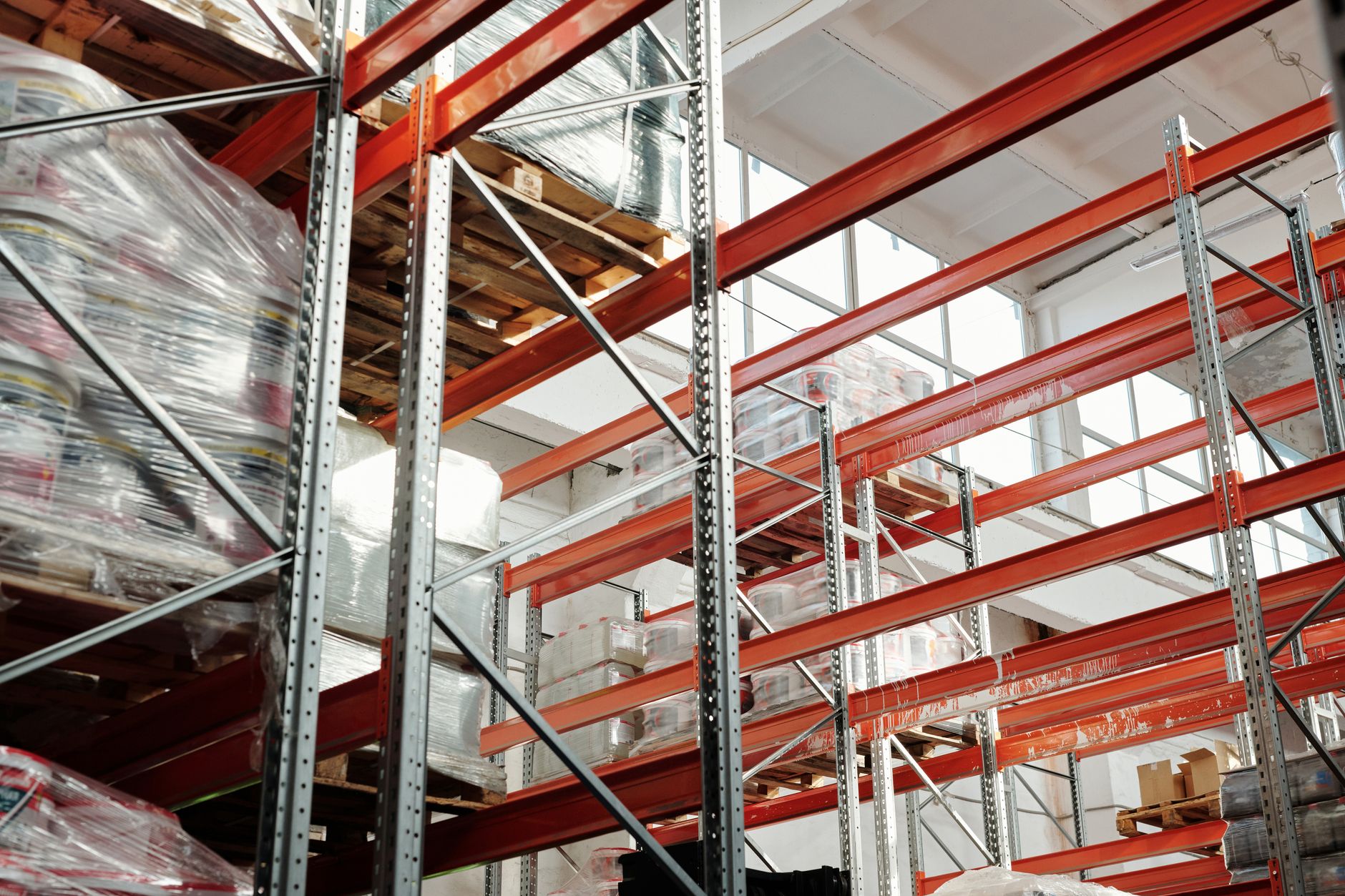
At the heart of the system are technologies that sort, store, retrieve, and pack merchandise with unprecedented speed and precision. Autonomous mobile robots (AMRs) are a critical component, handling the repetitive transport of pallets and goods across the vast warehouse floors. This reduces the need for manual labor in physically demanding roles and improves overall safety.
AI-driven software acts as the brain of the operation. This intelligence directs the robots, organizes freight into smarter, store-friendly pallets, and optimizes the entire flow of goods. According to Walmart US CEO David Guggina, this allows store employees to unload trucks in a fraction of the time it took previously, moving from hours to minutes. This intelligent palletizing means products can be organized based on store layout and immediate needs, drastically speeding up shelf restocking.
Why Is This Massive Investment Happening Now?
The push towards automation is a direct response to several pressures facing the retail industry. Customer expectations for fast, accurate delivery have never been higher. E-commerce growth continues to place immense strain on traditional logistics networks. At the same time, persistent labor shortages make it difficult to staff these large, demanding facilities.
Automation addresses these challenges directly. It increases throughput, ensuring products move from supplier to store shelf faster than ever. It also improves inventory accuracy, reducing the chances of stockouts that frustrate customers and lead to lost sales. By handling the most repetitive and physically strenuous tasks, these systems also create a safer working environment for employees.
How Does Automation Impact the Workforce?

A common question surrounding large-scale automation is its effect on jobs. Walmart has stated that as these changes are implemented, roles will shift away from heavy physical labor toward higher-skilled positions that command better pay.
The company expects to retain its workforce during this transition, focusing on training employees to manage, maintain, and work alongside these advanced technological systems. The modernization of the Opelousas facility, for example, is expected to protect existing jobs while creating new opportunities for career growth in areas like robotics and technology. This represents a fundamental change in the nature of distribution center work.
What Does This Mean for the Future of Retail?
Walmart's strategy signals a fundamental shift in how the retail industry views its supply chain. It is no longer just a cost center but a primary competitive advantage. The ability to move goods faster, more accurately, and at a lower cost directly impacts everything from on-shelf availability to profit margins.
This level of investment is setting a new industry standard. Competitors will likely be forced to accelerate their own technology adoption to keep pace. For suppliers and brands that sell through these massive retail networks, the change is equally significant. A faster, more data-driven supply chain will demand greater forecast accuracy and replenishment discipline. The era of the intelligent, automated distribution center is here, and it is redesigning the backbone of modern commerce.
Frequently asked questions
Sources
Service Robot Co. is not affiliated with, sponsored by, or endorsed by the companies mentioned in this article.