Key takeaways
- Fairway robots should never touch greens, tees, or bunkers; they free hours on wide passes only.
- Map dead zones and keep-outs before you promise members full-course autonomy.
- Winter and spring tee sheets are when reallocated hours pay off most in Florida markets.
- Track hours moved to bunker detail, tee setup, and irrigation checks instead of vague savings.
- Buy or lease through financing after a site walk; support stays under RoboCare once live.
What changes the week a fairway robot goes live?
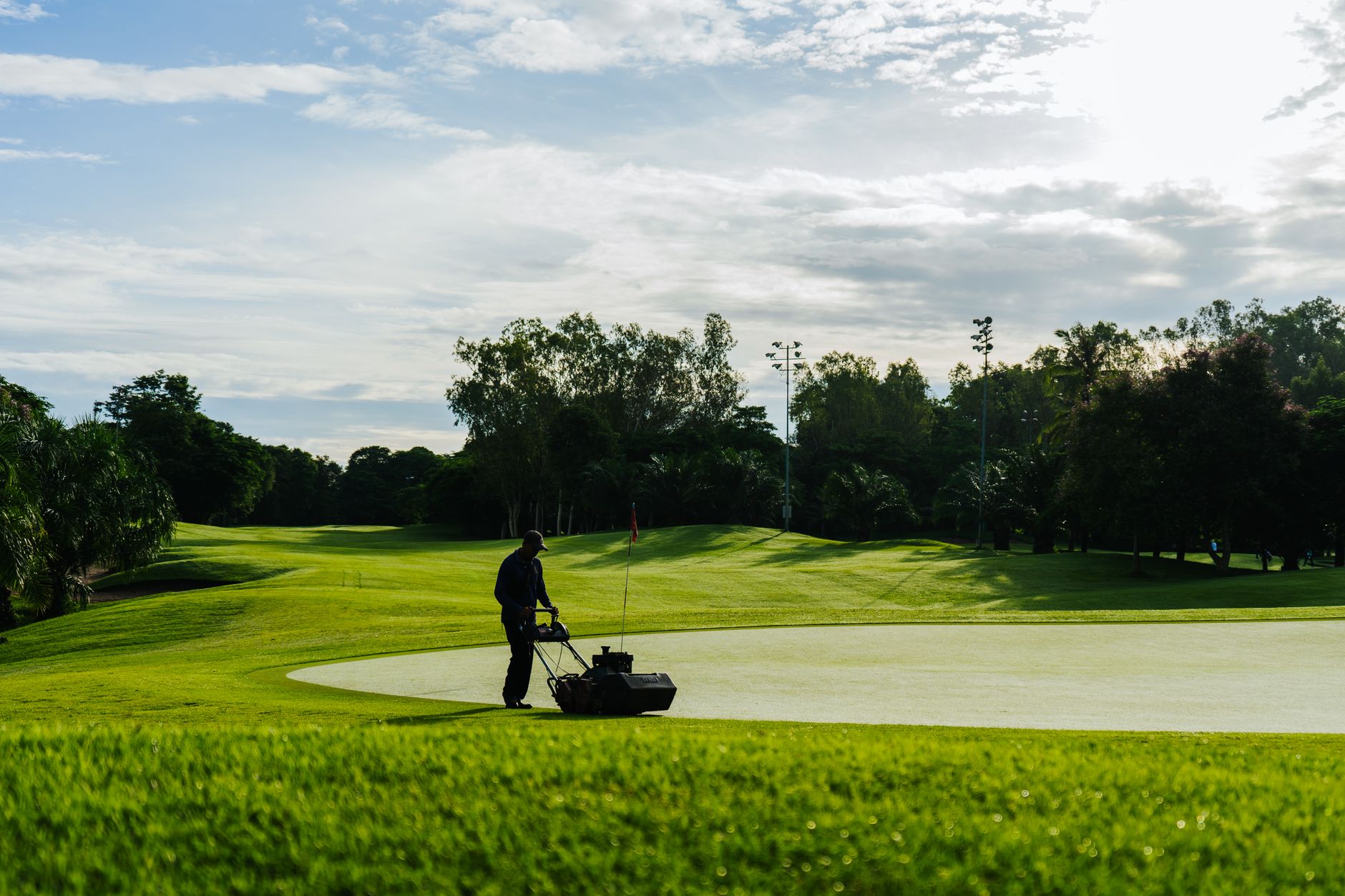
The mower seat hours do not vanish; they move. A lawn mowing robot on fairways and rough takes over the long, straight passes that used to anchor the weekly schedule, while greens, tees, bunkers, and hand-mowed detail stay with the crew. Superintendents who plan the handoff before members notice win the political battle early.
Golf Course Industry reported in 2025 that Coeur d'Alene Golf Club superintendent Jon Bauer adopted an autonomous fairway unit and then addressed holes with no cell coverage by upgrading connectivity. His story is a reminder that autonomy starts with an honest map, not a marketing brochure.
Bonita Springs, Naples, and the wider Collier County market face the same math with more than 90 courses competing for skilled turf staff during the dry season, according to Southwest Florida Golf Directory. Reallocation matters most when every morning tee sheet is full.
Which tasks should absorb the first freed hours?
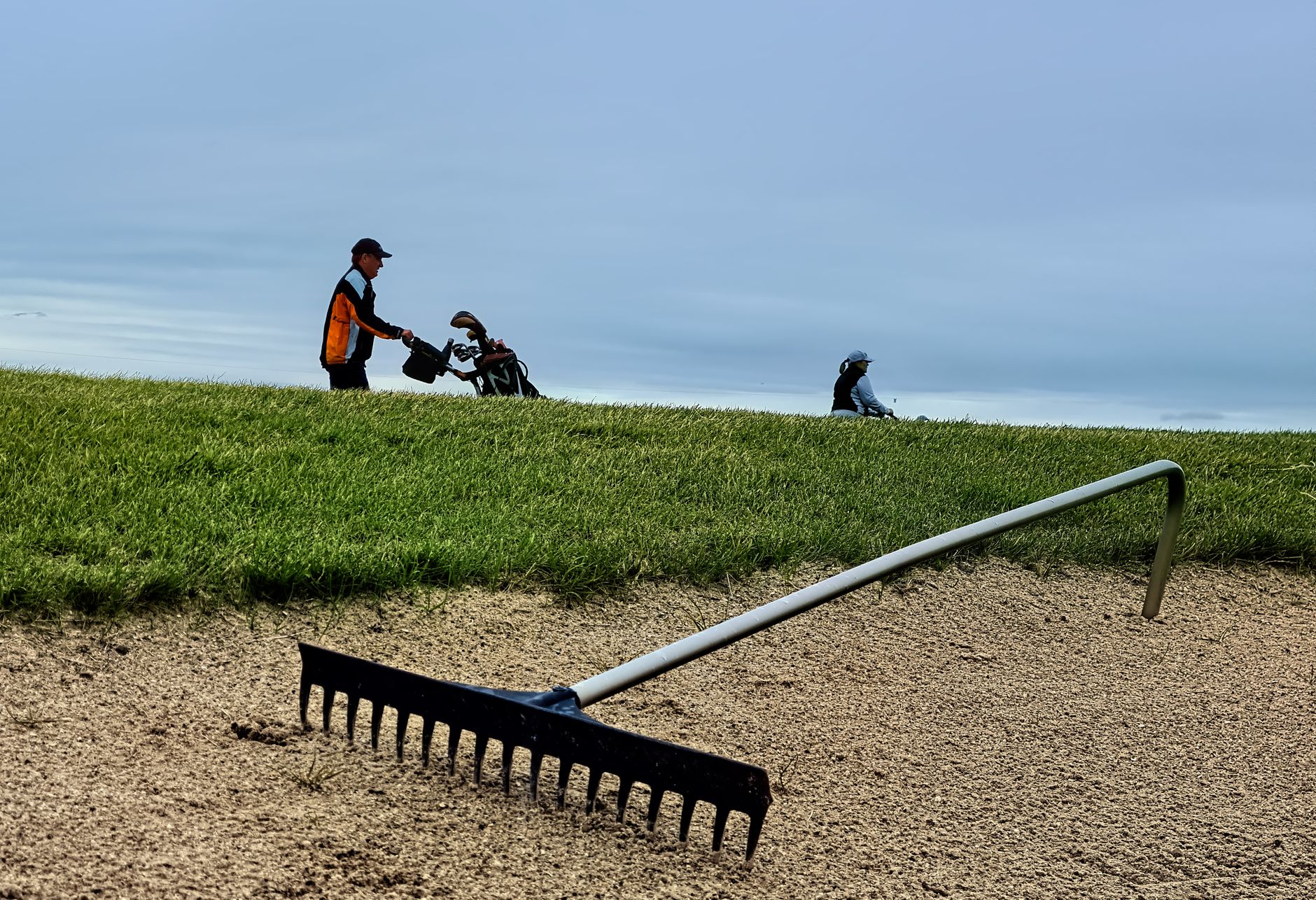
Bunker edges and faces are the usual first sink. Members photograph bunkers, not fairway striping consistency, and robotic fairway passes do nothing in the sand. Shifting one skilled operator from a ride-on fairway loop to bunker detail often clears the backlog that piled up during tournament weeks.
Tee setup and approach collars come next. Walk-mow detail around greens complexes stays human work by design, and the hours you recover from fairway loops are perfect for refreshing collars before a member guest day.
Irrigation checks and hand watering on hot afternoons are the quiet third bucket. When Southwest Florida humidity spikes in late spring, catching a stuck head before wilt shows on a green saves more reputation than another fairway lap ever would.
- Bunker lip and face detail after heavy play weekends
- Tee marker, divot mix, and ball washer resets
- Approach collar walk-mow touch-ups
- Irrigation head audits on stressed greens
How do winter visitor seasons change the schedule?

Weather Spark notes that Bonita Springs sees its most comfortable warm-weather window from late January into early May and again from late October into late December. That is exactly when snowbird play packs tee sheets from dawn to dusk.
Autonomous fairway passes that finish before the first tee time stop competing with pace-of-play complaints. Crew hours you recover can shift to staging range mats, refreshing landscape beds near the clubhouse, and prepping overseed transitions without adding headcount.
When afternoon storms return in summer, pause rules matter as much as labor math. GeoStat.org NOAA normals for the Fort Myers station show June among the wettest months, so planners should treat fairway robots as schedule tools, not storm chasers.
What should the shop whiteboard show every Monday?
List three numbers: fairway acres covered by the robot, acres still on conventional mowers, and crew hours logged on bunkers, tees, and events. If the third column stays flat while the robot runs, you are not reallocating, you are just buying equipment.
Concert Golf Partners announced in March 2026 that select private clubs in its portfolio, including a Venice, Florida layout, would adopt autonomous fairway mowing platforms after a Heathrow Legacy Club pilot. Their superintendent quotes focus on agronomy staff spending talent on beautification, the same outcome smaller independent courses chase without a management company behind them.
Share the whiteboard with the general manager so finance sees traded work, not replaced people. The goal is steadier presentation on the days members actually visit.

Where do clubhouse and path jobs fit?
Fairway autonomy does not clean locker room tile or pro shop carpet. Once mowing hours move, some clubs add autonomous scrubbers for clubhouse hard floors on a separate schedule, often overnight between event turnovers.
Cart path and patio sweepers are another lane: outdoor hard surfaces that shed grass clippings and sand from bunkers. Keeping those tasks off the turf crew prevents fairway operators from becoming general labor every afternoon.
Service Robot Co. stays vendor neutral across fairway robots, clubhouse scrubbers, sweepers, cameras, and inspection drones, but the business case should stay sequential. Nail fairway mapping first, then add ancillary robots where foot traffic proves the need.
How does Service Robot Co. support the reallocation plan?
We walk the course, mark keep-outs, set mowing windows with the superintendent, train a watcher, and support the unit under RoboCare after you buy or lease through financing. Greens and tees never move onto the robot schedule.
A free site assessment should output a one-page hour trade: which passes go autonomous, which stay conventional, and which detail tasks get the hours back. That document becomes the contract with ownership and the crew.
When connectivity gaps appear, document them like Coeur d'Alene did and fix them before members post photos of a stalled unit on social media. Reallocated hours only materialize when the robot actually finishes its map.
What mistakes undo the labor trade?
Promising full-course autonomy before you map dead zones guarantees disappointment. Label red holes on the map and keep a ride-on ready without shame.
Pulling operators off bunkers too early to babysit a robot all day recreates the labor pinch in a different costume. The watcher role should be a defined shift, not a full-time shadow.
Skipping winter check-ins on tree growth along fairway corridors lets radio shadows creep back. Revisit the map quarterly or lose the hours you fought to recover.