Key takeaways
- DSV Solutions deployed Avidbots Neo at a roughly 1.2 million square foot warehouse in Milton, Ontario.
- Engineering Manager Mert Selcuk said Neo reduced time on cumbersome floor care so teams focus on essential warehousing duties.
- Avidbots and Modern Materials Handling cite improved quality, consistency, and efficiency after deployment.
- DSV framed automation as part of a clean, healthy, safe work environment principle.
- Service Robot Co. can finance and service OEM-neutral scrubbers for US logistics sites under RoboCare.
Why would a 3PL automate scrubbing at megasite scale?
DSV Solutions operates large third-party logistics warehouses where floor condition affects safety, throughput, and client audits. Avidbots and Modern Materials Handling highlight Neo at a Milton, Ontario site spanning about 1.2 million square feet.
At that scale, manual scrubbing consumes labor hours that leadership would rather aim at picking, loading, and value-added services. Engineering teams often own the business case because floor care touches safety data and operating cost per square foot.
Selcuk told Avidbots that ensuring a clean, healthy, safe work environment through innovative automation is a leading principle at DSV. Autonomous scrubbing fits that mandate without adding headcount every time volume grows.
US 3PLs facing similar e-commerce peaks should treat floor robots as infrastructure, not a janitorial line item hidden in a subcontract.
Client scorecards for cleanliness increasingly show up in RFP renewals for retail and CPG shippers.
Megasite operators should model scrubber hours the same way they model pick labor during peak.
What did DSV say changed after Neo went live?
Selcuk described Avidbots Neo as easy to operate and sustainable, with time commitment for an otherwise cumbersome task vastly reduced. That language matters for operators who fear robots that need babysitting every shift.
Resources could shift toward essential warehousing duties and operational success, according to the Avidbots news summary of the Modern Materials Handling case study.
Post-deployment reporting cites improved quality, consistency, and efficiency of warehouse cleaning while reducing operating costs.
Track dock productivity and near-miss slip reports alongside scrubber coverage when you present results to shipper clients.
Reduced cumbersome task time is the metric floor supervisors feel before finance sees dollar savings.
Share Selcuk style quotes with shift leads so adoption feels operational, not top-down.
How does a 1.2 million square foot building stress floor robots?
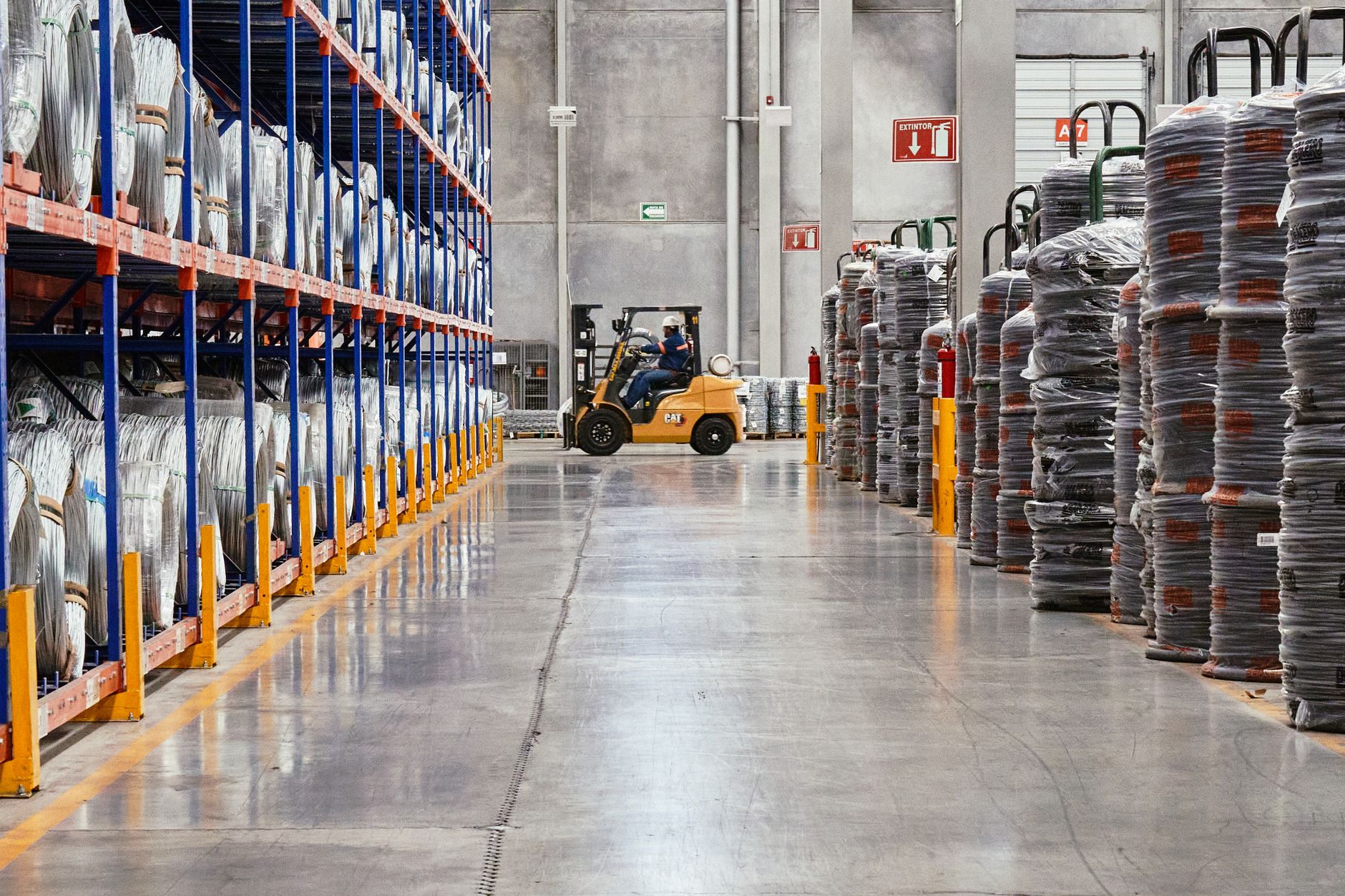
Megasites mix wide aisles, staging lanes, and constant forklift traffic. Products arrive, sit in piles, and move again within hours.
Avidbots markets Neo dynamic mapping for warehouses where layouts change faster than manual remap schedules can follow. DSV Milton scale amplifies any downtime from a scrubber sitting idle.
Water fill, dump, and charging strategy must match shift length. A single unit may need planned overlap zones when one aisle stays hot all night.
Pilot two weeks on your busiest dock season before promising shippers overnight coverage on every square foot.
Dynamic environments punish scrubbers that need empty aisles to run.
Stage water carts near charging bays to cut travel time on million-square-foot loops.
Where does engineering ownership help adoption?

Selcuk speaks as engineering manager, signaling facilities automation sat with technical leadership rather than only janitorial vendors.
That placement speeds integration with safety rules, forklift training, and client audit packets.
Name an internal owner for map edits when racking moves for new retail clients.
Engineering can standardize Command Center exports into monthly KPI decks for operations reviews.
Client onboarding weeks are the riskiest time for outdated maps.
Engineering sign-off on no-go zones should be part of every new shipper SOP.
What sustainability story fits autonomous scrubbing?
DSV highlighted sustainability alongside ease of use in public comments. Consistent scrubbing can reduce chemical overuse from spot mop cycles and cut water waste when robots meter flow.
Document gallons per thousand square feet before and after automation when ESG questionnaires ask for facility improvements.
Pair scrubber data with lighting and conveyor upgrades so sustainability reports show coordinated efficiency projects.
Verify detergent choices meet client brand standards for food-adjacent storage areas.
Sustainability claims need metered water data, not slogans on a poster.
Compare chemical usage before and after switching from ad hoc mop buckets.
How should US operators compare Neo to contract cleaning?
Contractors struggle to learn every dock rule at a 3PL that changes clients quarterly. Owned robots keep maps and schedules inside the operator.
Financing spreads capital across months while preserving cash for sortation upgrades.
Service Robot Co. can bid OEM-neutral scrubbers, deploy maps, train shift leads, and maintain units through RoboCare.
Run a side-by-side month measuring labor hours, slip incidents, and client audit scores against incumbent mop contracts.
3PL margins rarely tolerate duplicate labor on floors and docks simultaneously.
Lease options help when capex queues behind sortation automation.
What should Milton-style sites verify before copying DSV?
Confirm drain locations match tank sizes on every dock wing.
Map slow zones at pedestrian crossings and LTL staging lanes.
Align with safety on autonomous routes beside powered industrial trucks.
Budget remap hours when a new shipper changes slotting patterns.
Photograph floor reflectivity after week one for client tour baselines.
Set ninety day targets for coverage percent, water per thousand square feet, and associate survey scores.
Winter salt on dock plates may require different brush pressure than summer dust.
Client tours often start at the cleanest aisle; scrubber logs prove it stays that way nightly.
When does an integrator help multi-site 3PL rollouts?
DSV piloted Neo at select sites. National 3PL networks may want competitive scrubber bids before repeating one vendor across regions.
Service Robot Co. compares industrial autonomous scrubbers, lines up lease or buy financing, and keeps one service contract across states.
Standardize Command Center style reporting fields even if Dallas and Denver choose different hardware.
Finance may want one lease schedule when Milton proves labor redeployment before Atlanta copies the playbook.
Multi-site rollouts fail when each branch invents its own plan naming scheme.
RoboCare SLAs should cover peak season brush wear explicitly.