Key takeaways
- Airport operators set the rules for every pass, so a generic site plan does not apply.
- Turf heights differ by airport, so the bid should use the operator's written figure.
- Navaid zones carry the tightest limits, and Minnesota guidance keeps grass near them under 12 inches.
- FAA fence guidance calls for daily inspection records kept apart from mower run logs.
- Brisbane's 70% cost figure is the airport's estimate, so verify the method before quoting it.
Does a generic site plan cover an airport?
No. On airport infield and perimeter turf, the airport operator decides what a robot may do, where it may go and when. A mowing plan that works on a business park or a golf course is a starting point at most, and the bid should say so in writing.
Federal guidance still sets the baseline. The FAA's AC 150/5300-13B sets safety standards for turf operations within runway safety areas, according to Flying Magazine. Each airport layers its own rules on top, so the contractor confirms every line with the operator rather than assuming the baseline is the whole story.
What turf heights will the airport write into the bid?
Heights vary from one airport to the next, so treat any published number as a question for the operator. Nebraska's 2025 airport turf flyer lists runway safety areas mowed weekly to every 2 weeks at a maximum target height of 6 to 8 inches, and infield areas every 2 to 4 weeks at 8 to 12 inches. Those are state figures, not a rule for every field.
A 2025 request for proposals from the Turks and Caicos Islands Airports Authority calls for routine mowing to 3 to 3.5 inches, with clear zones around navigation aids. Set side by side, the two specs show how far a cut height can move between jurisdictions. A robot mower's height setting and pass frequency have to match the signed spec, not the vendor's default profile.
What do fence lines and gates require of a robot route?
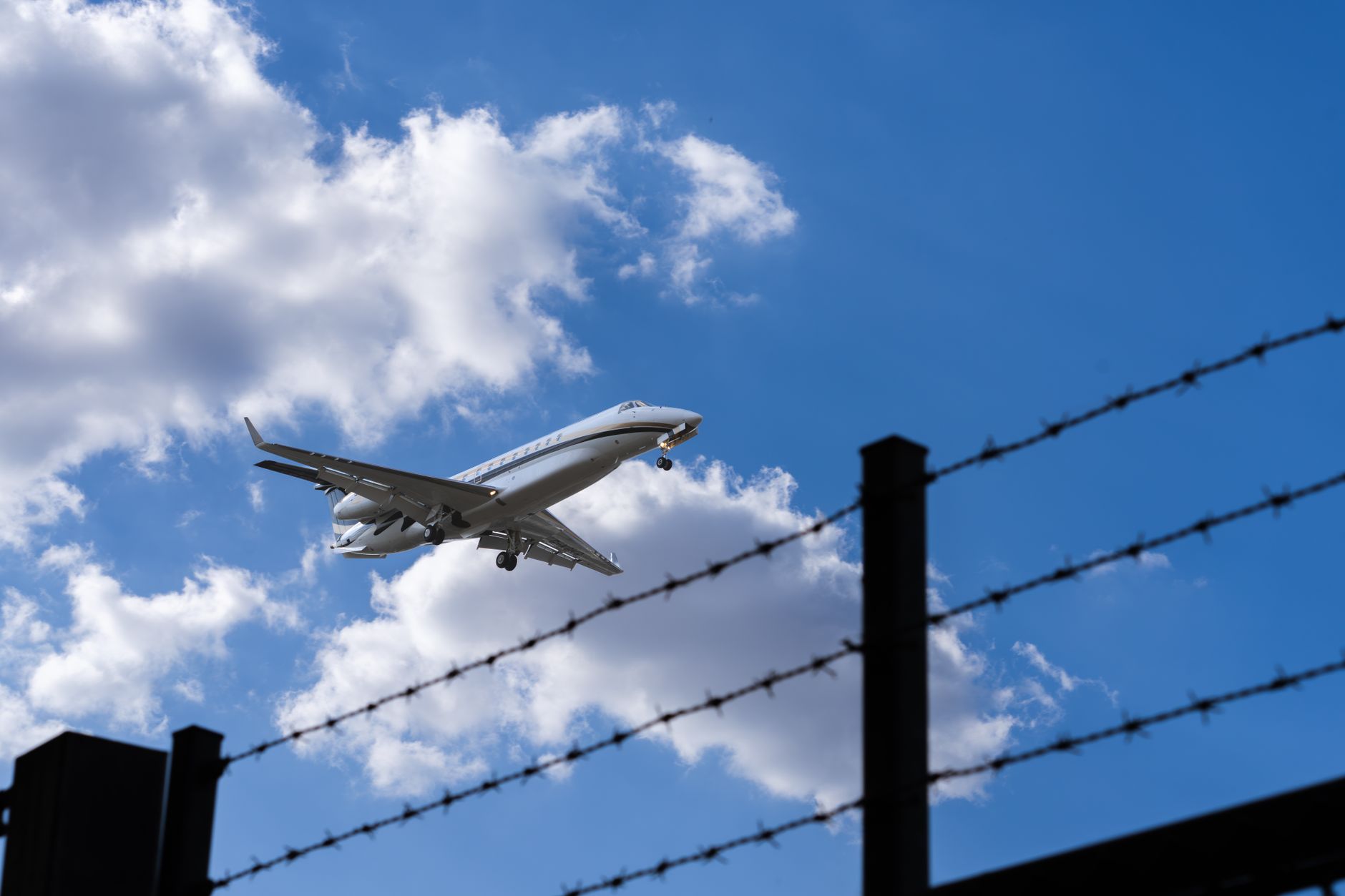
FAA Certification Alert 16-03, an advisory issued in 2016, recommends a daily fence line inspection with its own record. Breaks, washouts and holes should be repaired once found, gates should close with gaps under 6 inches, and the fence right of way should be kept free of excess vegetation. Culverts that cross the perimeter need a grate or barrier.
A mower can keep the right of way cut, but it does not replace the inspection. Keep the crew's fence record separate from the mower's run log, and price the inspection into the bid so it is not assumed to come with the mowing. I did not confirm the latest text of 14 CFR 139.337, so check the regulation before quoting it.
When can a robot run around air traffic?
Traffic sets the clock. Brisbane Airport's 2026 pilot ran four autonomous mowers inside prescribed areas kept by sensors, geofencing and a physical barrier. The airport says the mowers can run day and night, while conventional mowing has to be scheduled around air traffic.
The airport estimates a 70% reduction in vegetation management cost and about 250 fewer sweeper truck hours a year. Those are the airport's estimates, not independent results, so a contractor should ask how they were calculated before putting them in a proposal.
Traffic also limits where a robot can wait. A charging dock or staging point on the airside has to stay out of the way of vehicles, and the operator should approve its location before the first pass.
Does a satellite guided mower need open sky?
Satellite guidance needs a clear view of the sky, and an airport has plenty that can block it: hangars, light towers, fuel infrastructure and tree lines along the perimeter. Walk the site at the assessment stage and record what overhead cover exists in each zone, at the hours the mower will actually run.
My research did not find a public source that sets sky view limits for airport turf, so this check comes from how satellite navigation works, not from a cited rule. Treat the result as a site fact to document, and do not promise a route that the walk did not confirm.
Where does a robot lease fit an airport turf job?
Service Robot Co. treats an airport like any other site, with approvals and the map settled before anything is quoted. We are OEM neutral, so the robot is chosen for the turf and the operator's rules, not for one brand. The process starts with a site assessment, and then one fixed payment is quoted on a three year lease.
The service side matters on a field this sensitive. Under RoboCare, our service plan, regional service engineers in every state we service support every unit, so the contractor has one partner for the whole lifecycle. A lease quoted after a site assessment still needs the operator's written approval before the first pass.
Who has tested robot mowers at airports?
Dallas Fort Worth International announced a 2023 test of autonomous mowers with Robin Autopilot and Graze, across grass the airport says covers more than 14,000 acres, according to a vendor press release. The coverage centered on campus landscaping rather than runway edge turf, so it says less about safety areas than the Brisbane pilot does.
What belongs in writing before the first pass?
Ask for these items before the bid goes in. Each one is a point where a generic plan tends to go wrong on an airport.
- A cut height and pass frequency for each zone, taken from the operator's specification.
- Navaid, fence, culvert and lighting boundaries drawn on the operator's map, not a generic site plan.
- The daily fence line inspection duty, with its record kept apart from mower logs.
- The approved mowing windows, including any night hours the operator allows.
- Sky view and satellite guidance results recorded during the site assessment for each zone.
Frequently asked questions
Want a robot working for you?
Tell us the job and the site. We will recommend the robot, quote the lease, and keep it serviced.
Sources
- Flying Magazine: FAA acknowledges some pilots prefer operating on the grass
- Nebraska DOT 2025 airport turf management flyer
- Minnesota DOT airport agricultural guidelines
- Arkansas Online news report on airport mowing, 2021
- Turks and Caicos Islands Airports Authority airside vegetation RFP, 2025
- FAA Certification Alert 16-03, wildlife fence inspections
- Asian Aviation: Brisbane Airport rolls out autonomous mowers
- PR Newswire: Robin and Graze test robotic landscaping at Dallas Fort Worth International