Key takeaways
- MUSE began operating Armo One at Foodcellar Market in Long Island City in August 2026.
- The robot moves loaded merchandise carts inside the store, not sidewalk delivery orders.
- MUSE won the Groceryshop 2025 Shark Reef pitch before this first live U.S. store deployment.
- Foodcellar leadership frames Armo as handling heavy, repetitive transport so staff stay customer-facing.
- Grocers should measure backroom-to-aisle cart miles and injury risk before scaling similar pilots.
What is happening at Foodcellar Market?
In August 2026, Tokyo-based MUSE Inc. started its first U.S. in-store deployment of Armo One at Foodcellar Market in Long Island City, Queens, according to the company's announcement. Simply Food L.I.C. operates the neighborhood grocery, which sells fresh produce, prepared foods, and natural grocery items to a dense urban customer base.
Unlike sidewalk delivery bots that meet customers at the curb, Armo works inside the building. MUSE says the unit automates merchandise transport by moving carts loaded with heavy products between backroom and sales floor tasks.
For store leaders watching from other cities, the pilot is a live test of whether cart-moving automation earns a permanent route list after trade-show demos.
Why focus on cart transport instead of shelf stocking?
MUSE's release points to labor shortages, rising labor costs, and the time associates spend pushing weight through aisles. Cart moves are repetitive, measurable, and physically demanding, which makes them a cleaner pilot target than full shelf facing.
Foodcellar co-founder Metin Mangut said in the announcement that every hour of team time is precious in today's labor market. The store wants technology to take heavy, repetitive transport so staff can spend more time with customers.
That framing matches how many grocers start automation: win back hours on hauling cases and pallets, then decide whether robots ever touch customer-facing work.
How is this different from delivery robots?
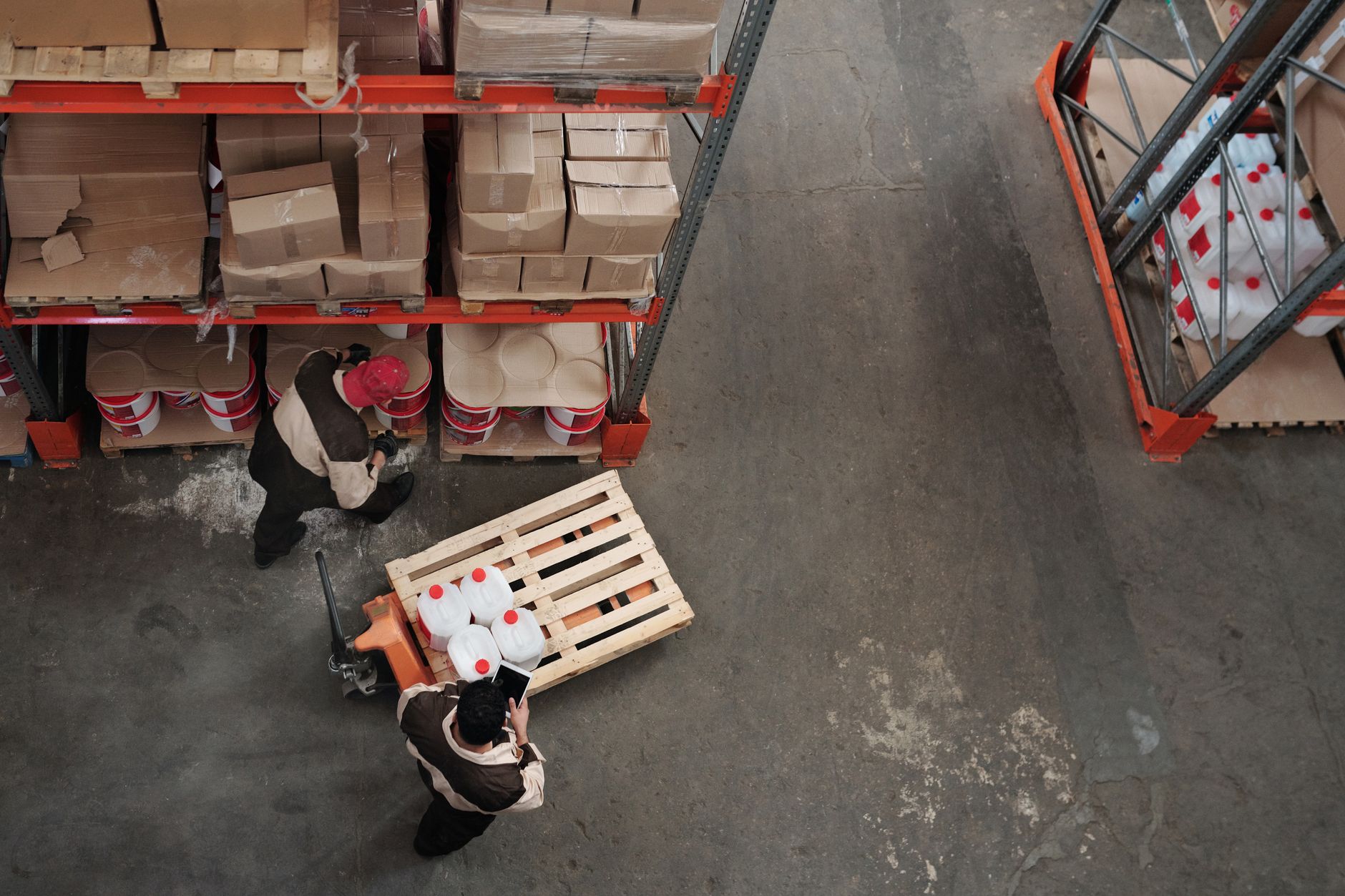
Sidewalk delivery fleets from companies such as Serve Robotics grab headlines in Chicago, Los Angeles, and campus towns. Armo addresses a different bottleneck: inside the four walls where a case of beverages still travels on a cart long after the truck leaves the dock.
Indoor cart robots must share aisles with shoppers, handle floor transitions, and yield to manual carts during peak hours. Success is fewer associate miles per shift, not faster last-mile handoffs.
If you operate a 40,000-square-foot urban market, map every recurring cart path before you compare vendors. Delivery ROI math will not translate.
- Backroom to dairy cooler restocks on a timer.
- Bulk goods from receiving to center store.
- Prepared foods from kitchen to cold case.
- Recycling runs that currently steal two associates at close.
What milestone does Groceryshop 2025 play?
MUSE won first place in the Shark Reef Startup Pitch at Groceryshop 2025 in Las Vegas before this store went live. The company describes Foodcellar as the shift from demonstrations to commercial operations in U.S. retail.
MUSE also states it is in discussions with several major U.S. retailers about future deployments. That sentence matters for competitors: a neighborhood pilot is often the reference site larger chains tour before they sign.
Document your pilot with the same rigor a venture-backed startup would bring to a conference stage. Photos, route logs, and associate feedback sheets become sales collateral.
What should grocers measure in the first 60 days?
Count cart trips automated versus manual each week. MUSE expects reduced transport time and lower physical workload; your ledger should show associate hours moved to stocking and service.
Track near-miss events in aisles during peak shopping. Urban stores like Foodcellar run tight layouts, so guest comfort scores belong beside efficiency metrics.
Note product damage and spill incidents on automated routes. A cart robot that saves backs but dents cases will not survive a regional operations review.
Interview night crew separately from day openers. Transport pain often clusters around delivery windows that day managers never see.
What labor message should stores send staff?
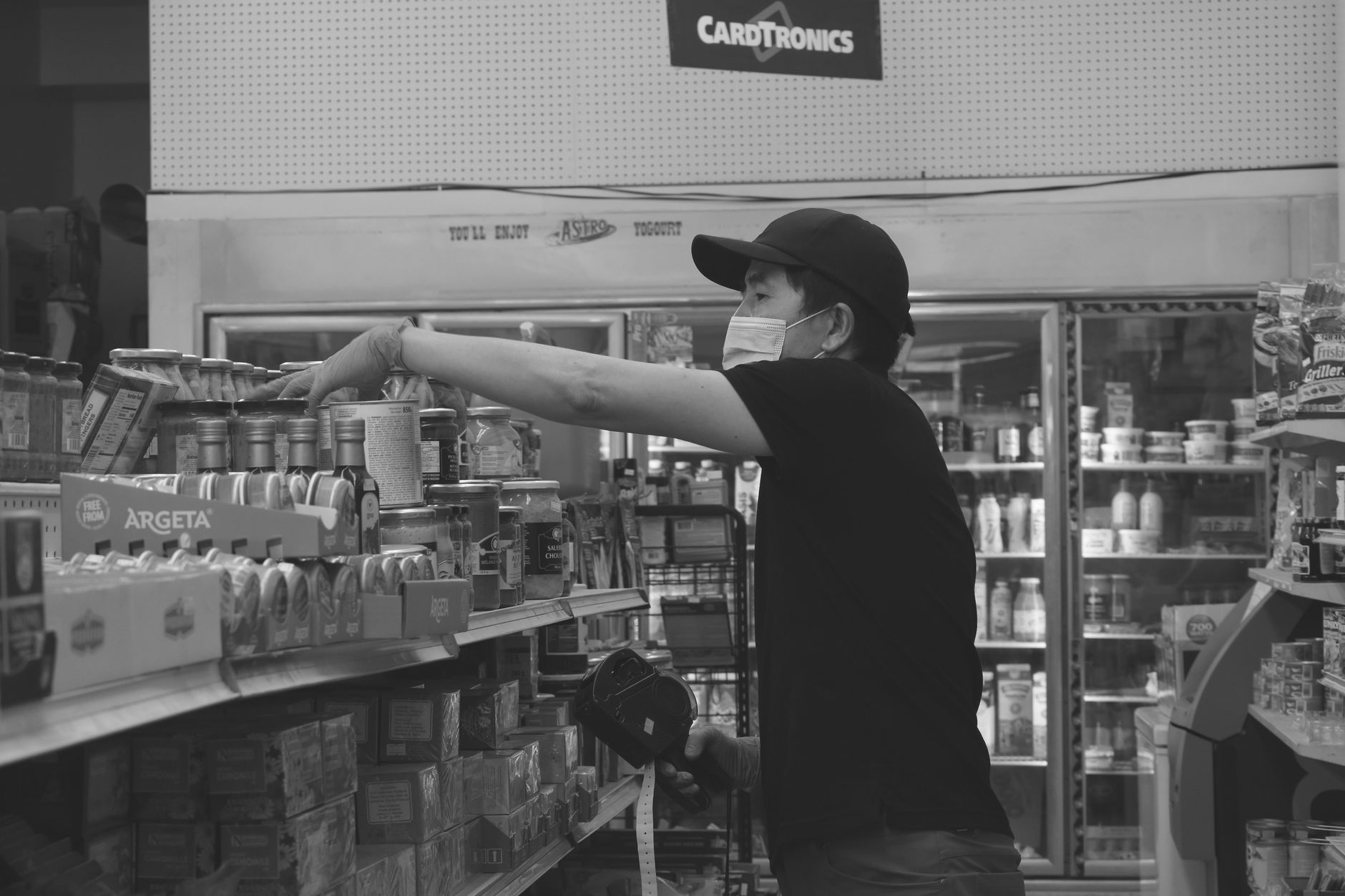
Mangut and MUSE CEO Yasutaka Kasagi both emphasize support, not replacement. Kasagi's statement highlights more time for customer engagement, merchandising, and essential operations.
Share the route list before the robot's first public shift. Associates should know which hauls Armo owns and whom to call when a cart is overloaded.
Union and HR teams will ask whether job counts change. Answer with the pilot scope: transport tasks on defined loops, with humans keeping judgment calls on quality and customer issues.
Where does a vendor-neutral integrator fit?
MUSE is the OEM at Foodcellar. Other chains may need scrubbers in the front end, AMRs in the warehouse, and a different in-aisle tug depending on layout.
Service Robot Co. selects robots across manufacturers, finances purchases or leases, deploys and maps sites, trains teams, and services fleets under RoboCare with a nationwide network of regional service engineers.
A Queens pilot can inform whether your organization standardizes on one in-store transport vendor or keeps a mixed fleet with a single service number for uptime.
What comes after a successful Queens pilot?
MUSE says expansion from Foodcellar will depend on initial results, then plans to accelerate U.S. adoption. Retailers should plan phase two routes only after phase one hits clear hour-recovery targets.
Consider adjacent automation only once cart transport is boringly reliable. Cleaning robots overnight and stock-count drones get easier to justify when the day team already trusts indoor autonomy.
Neighborhood grocers with strong community ties, like Foodcellar's charity commitments noted in the release, should communicate wins to customers. Shoppers who see safer, stocked shelves tolerate a robot in the aisle when staff are visibly more available.
Frequently asked questions
Sources
Service Robot Co. is not affiliated with, sponsored by, or endorsed by the companies mentioned in this article.