Key takeaways
- Gausium published a June 2026 case study on Auchan deploying Omnie cleaning robots across French supermarkets.
- Hypermarket aisles mix spills, promo changes, and long hours that strain manual mop schedules.
- Network rollouts need standardized maps, parts plans, and service contracts at every store.
- US grocers should pilot one high-traffic loop before copying a multi-site fleet.
- Vendor-neutral integrators compare Omnie-class scrubbers against other manufacturers on your tile.
What did Auchan deploy according to Gausium?
Gausium case materials dated June 4, 2026 describe French retailer Auchan deploying Omnie autonomous cleaning robots across its supermarket network. Omnie is positioned as a commercial scrubber platform for hard-floor maintenance in active retail environments.
The published story is a chain-wide decision, not a single-store experiment. That scale implies repeated training, map governance, and service response expectations at many sites.
US readers should note the case centers on in-store hard floors where shoppers walk, not only back-room maintenance.
Why do hypermarket aisles break manual scrubbing schedules?
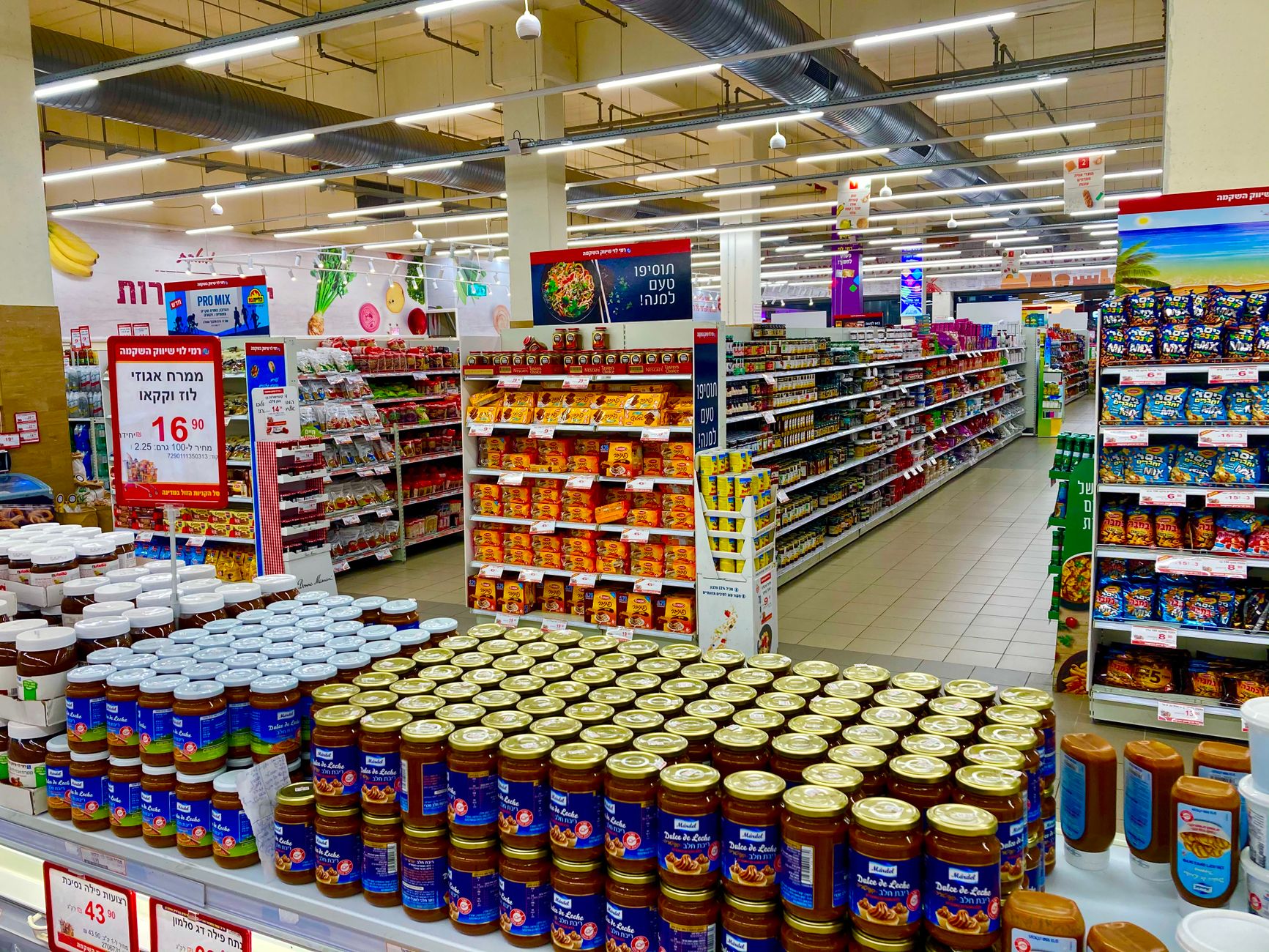
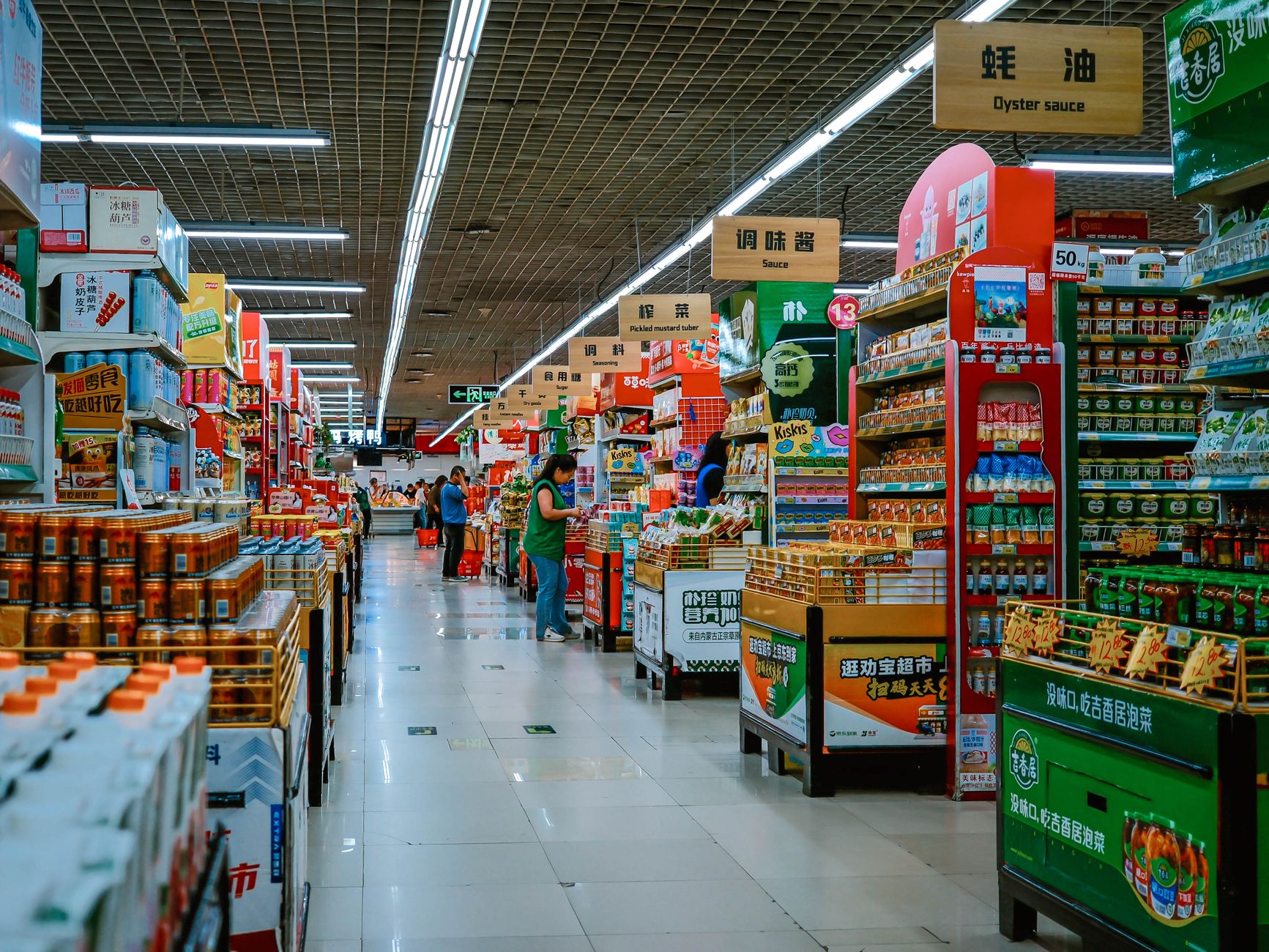
Large-format groceries see constant cart traffic, promo resets, and spills from open produce and bakery areas. Mop crews often lose the race when stores stay open late.
Endcap changes narrow aisles without warning. Scrubber programs need change control tied to merchandising calendars.
Janitorial turnover makes consistency harder on weekends. Mapped autonomous loops hold the baseline when staffing gaps hit.
How should grocers map Omnie-class scrubbers around shoppers?
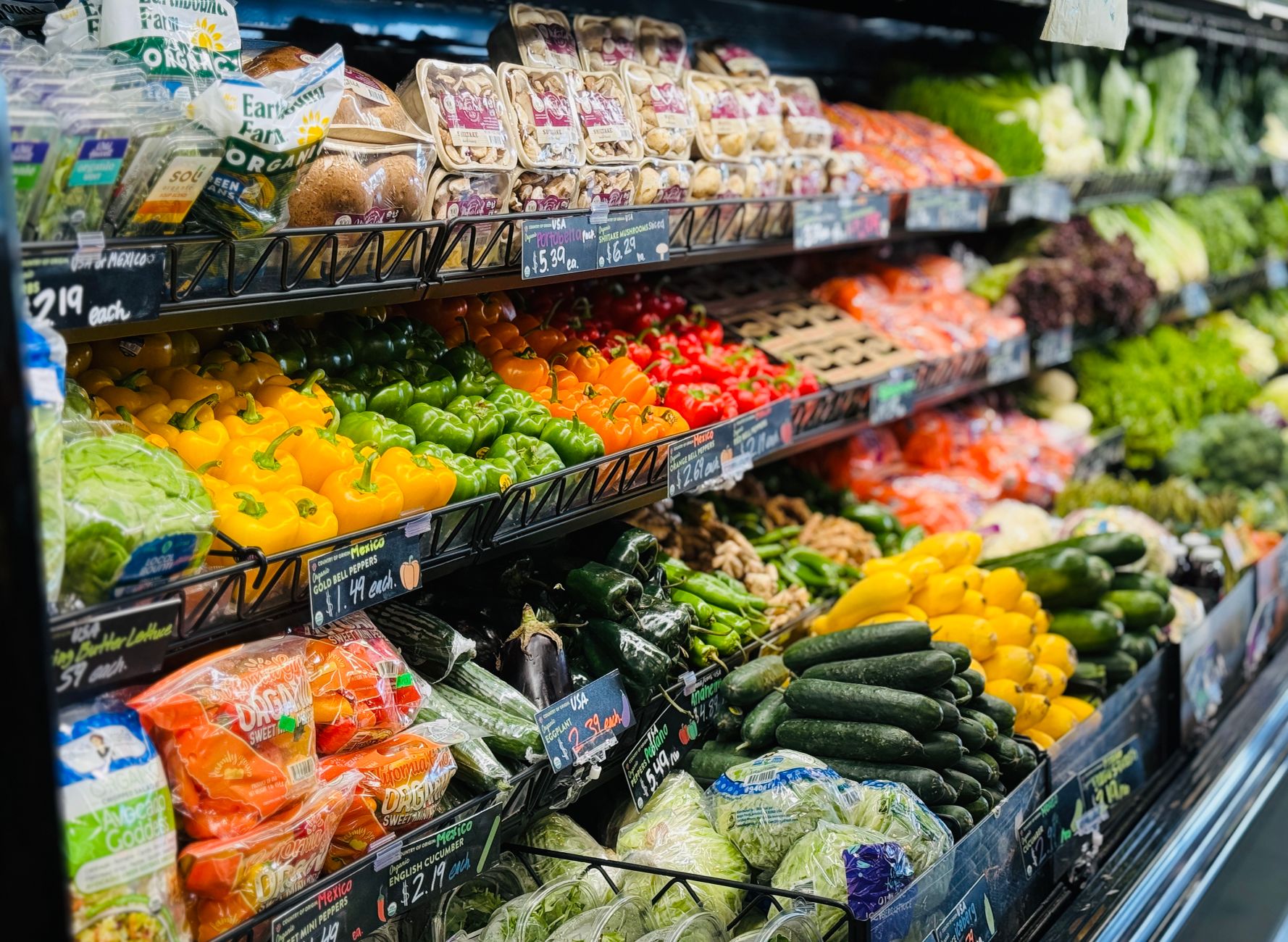
Front-end and deli zones need slow zones or time windows. Night-first schedules may fit stores that can clear aisles after close.
Receiving doors that open onto sales floors create forklift overlap. Coordinate routes with inventory teams before go-live.
Entry mats stay wet longer during rain. Plan extra passes without running through crowded Saturday lanes.
- Pilot one store before network rollout
- Tie map edits to promo calendars
- Train service desk staff on pause controls
What does a French network rollout imply for US chains?
Auchan's scale suggests standardized playbooks: dock placement, chemical storage, and escalation paths that repeat at every site.
US chains should not copy French aisle widths or union rules. Copy the governance model instead.
Lease financing can fund a regional pilot while capital committees watch slip incidents and labor hours on one loop.
When is one scrubber enough versus a fleet?
One Omnie-class unit can anchor a pilot on front-end tile and main dry grocery paths under moderate square footage.
Add units when parallel aisles cannot share a route without crossing live carts or pallet drops.
Multi-store fleets need spare parts and remote diagnostics so one fault does not idle an entire region.
What safety checks should US grocers run first?
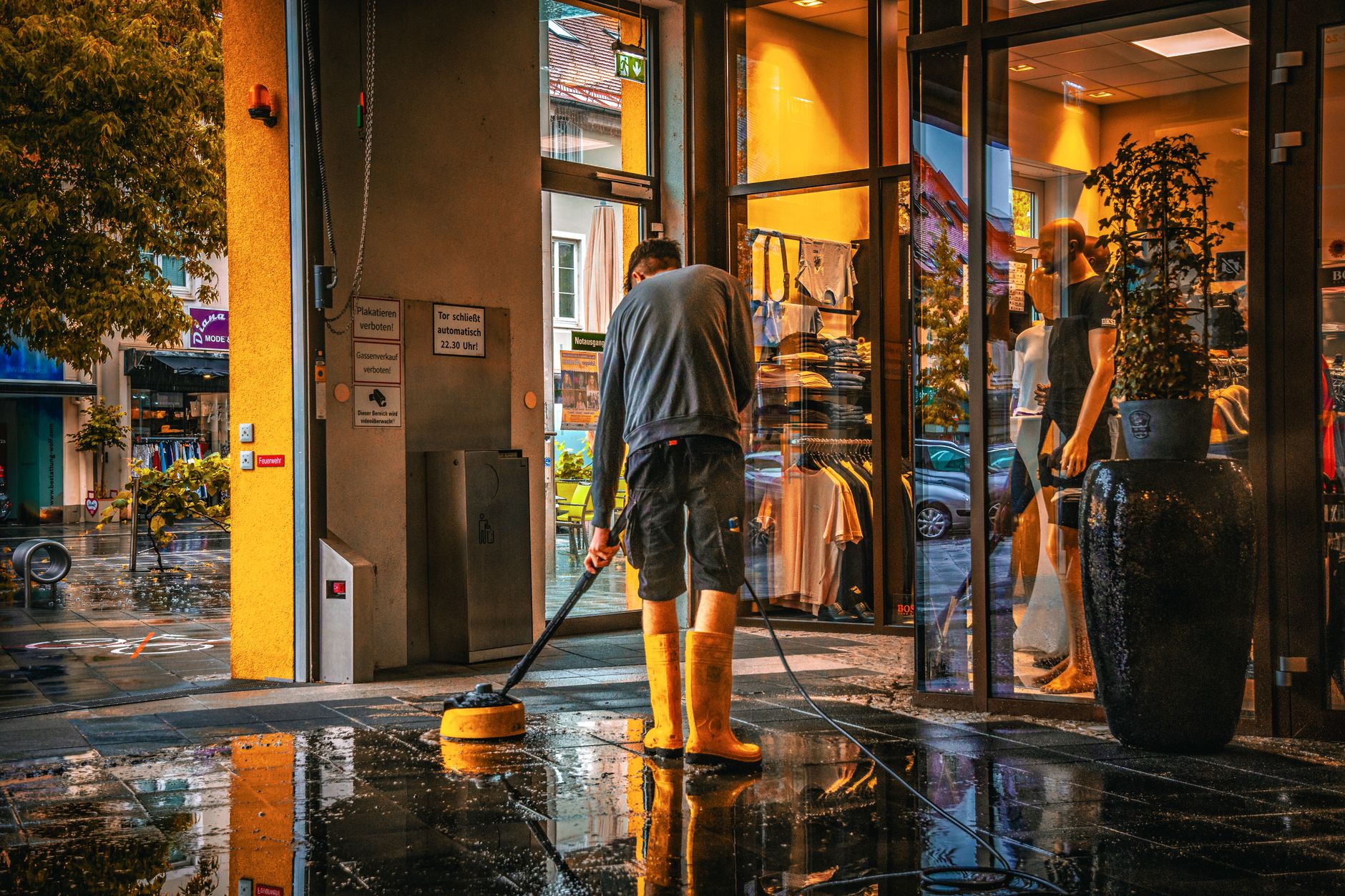
Run squeegee acceptance tests on quarry tile and polished concrete with your risk team.
Keep humans on broken glass, drain detail, and biohazard spills. Scrubbers do not replace those protocols.
Log map versions after self-checkout remodels or pharmacy expansions.
How does Service Robot Co. help US grocers benchmark Auchan?
We compare Gausium Omnie against other scrubbers on your flooring samples and aisle geometry. Auchan's story is a fleet-scope reference, not a copy-paste map.
We handle buy or lease financing, deployment, training, and RoboCare service under one contract as stores pass pilot gates.
Start with a walk that lists every shopper hard-floor mile, then measure complaints and labor hours for thirty days.
What belongs in a grocery scrubber service agreement?
Require written fault response times during Friday evening peaks.
Clarify chemical approvals with your sanitation vendor and flooring warranty.
Define success as stable aisle scores and fewer slip incidents, not robot hours alone.
Frequently asked questions
Sources
Service Robot Co. is not affiliated with, sponsored by, or endorsed by the companies mentioned in this article.