Key takeaways
- Start with the open floor lanes that collect fragments most often, not the whole bay.
- Shop vacs suit bench edges and hand pickup, but glass can puncture bags and hoses and cut suction.
- Industry data shows floor cleaning is an established service robot use, but it is not auto glass test data.
- Log vacuum minutes for one full week before deciding what a robot should take over.
- Service Robot Co. leases robots on a 3-year lease with one fixed payment quoted after a site assessment.
Which should an auto glass shop automate first?
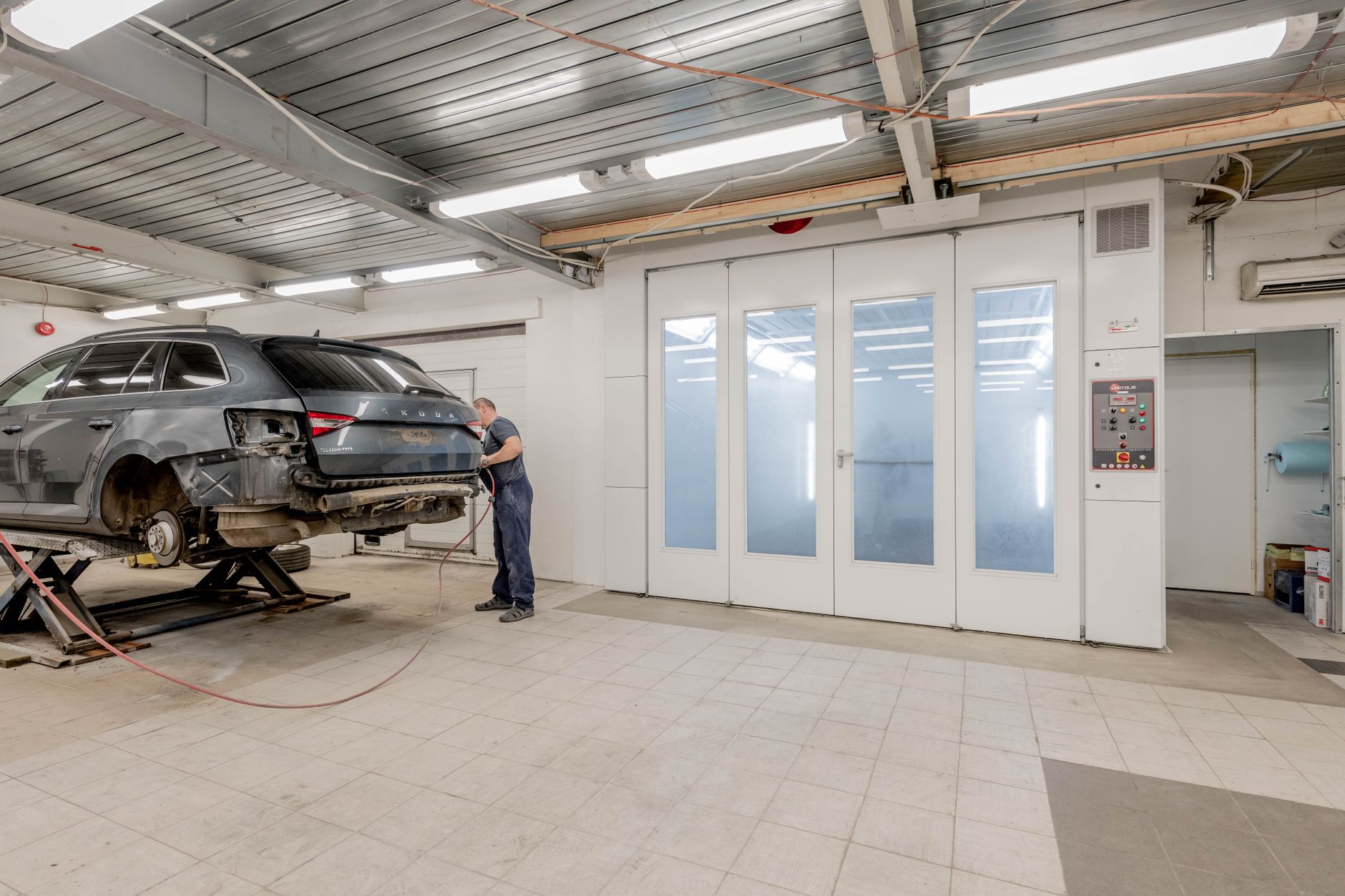
For most auto glass shops, the first automation target is the open floor that carries fragments, adhesive flecks and spray through the work lanes. A compact floor robot fits that repeated, open-floor pass. A shop vacuum still earns its place at bench edges, around fixtures, and wherever a fragment has to be lifted by hand.
So the real question is not robot or vacuum in the abstract. It is which hours and which debris you hand off first. Start with the lanes cleared most often, measure how many minutes technicians spend vacuuming now, and then decide what a machine should take.
Search coverage on this niche was thin. I found no OSHA guidance specific to auto glass bays and no verified figures for bay turnover or staff minutes. The comparison below leans on consumer and safety guidance and on market data, and it says so where the evidence is weaker.
What debris is actually on an auto glass bay floor?
Glass fragments are the hard case. According to a GadgetReview article on vacuuming glass, broken glass can puncture vacuum bags and hoses and reduce suction. Brooms are a poor fix on their own, since they can scatter fine glass across the bay.
A consumer safety guide suggests lifting fragments with tape or a lint roller, then using low-angle light to spot what remains. Adhesive residue and water spray are the other conditions the shop deals with. I did not find a verified source rating how any particular robot or vacuum handles them, so test those conditions on your own floor before relying on any claim.
Where a shop vacuum still does the job well
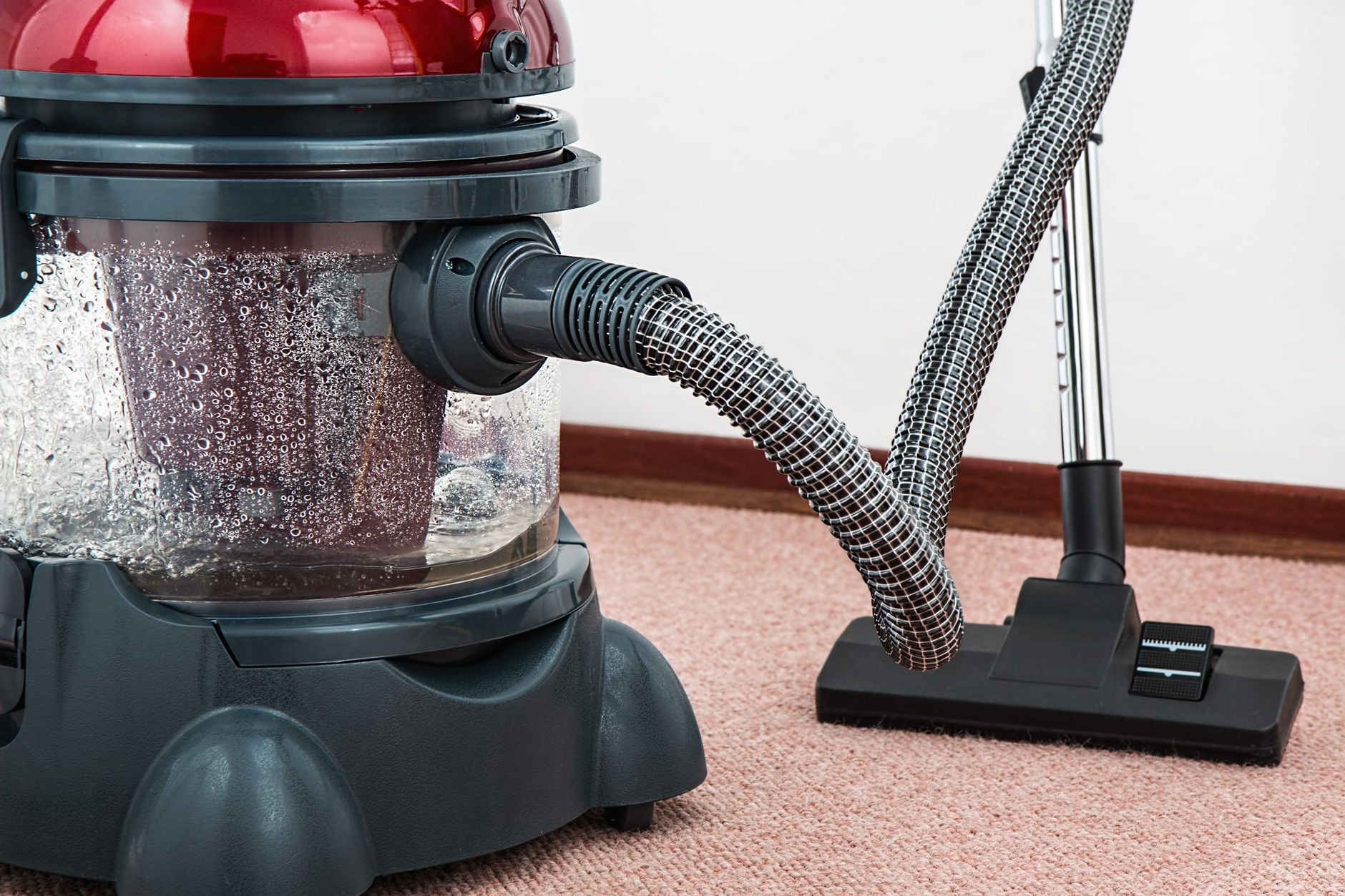
A wet/dry shop vac is the familiar tool here. A vendor blog says it suits glass because its wide hose clogs less and its canister tolerates sharp debris. That is a vendor-reported claim, so check it against your own debris before counting on it.
The weak points are the bag, hose and filter. Glass that punctures these reduces suction, so a technician running a vacuum through a shift is also checking hoses and containers. A Canadian safe work document advises puncture-resistant, clearly marked containers and emptying them at about 75% full. That is Canadian guidance, not a US rule, but it is a sensible working limit.
What does a floor robot take off the crew?
The clearest market signal comes from IFR World Robotics data as reported by trade press. Professional cleaning robots were the third-largest professional service robot segment in IFR's 2025 data, with unit sales up 34% to more than 25,000 units in 2024. Most were used for floor cleaning.
Global professional service robot sales reached about 200,000 units in 2024, according to a separate industry report. These are industry-wide figures, not auto glass results. What they show is that floor cleaning is an established use for service robots. Whether a specific compact unit will take fine glass and residue on your bay floor is a question for a trial pass on your layout, not something a market report can answer.
How should a shop measure bay turnover and staff time?
Measure before you decide. For one week, log how many minutes each technician spends vacuuming and how often repair work stops to clear a path. Note which lanes collect the most debris, and whether it concentrates near the glass cutting station, the install bay or the apron.
Those logs turn an opinion about the floor into a comparison you can defend. Do not borrow a turnover or labor figure from a vendor deck. The sources I found did not give one that applies to auto glass.
What order should the shop follow?
Work through four steps before any unit is quoted. Each one produces data that a quote cannot supply, and a quote is only as good as the site description behind it.
- Map the lanes where fragments collect most, marking cutting and install zones separately.
- Time vacuum use for each technician across one full week.
- Test one unit on one open lane before extending coverage to the rest of the bay.
- Keep a shop vacuum on hand for bench edges and for fragments that must be lifted by hand.
How does a robot get onto a glass shop floor?
Service Robot Co. is an OEM-neutral integrator. We assess the site first, pick the right robot across manufacturers, and then deploy, integrate, train and service it through a nationwide US engineer network. The customer works with one partner across the whole lifecycle.
Robots reach a customer through a 3-year lease, with one fixed payment quoted after a site assessment. For a shop manager weighing a first unit, that turns the decision into a defined payment and a defined scope, and the exact terms come out of the assessment.
What stays manual after a robot arrives?
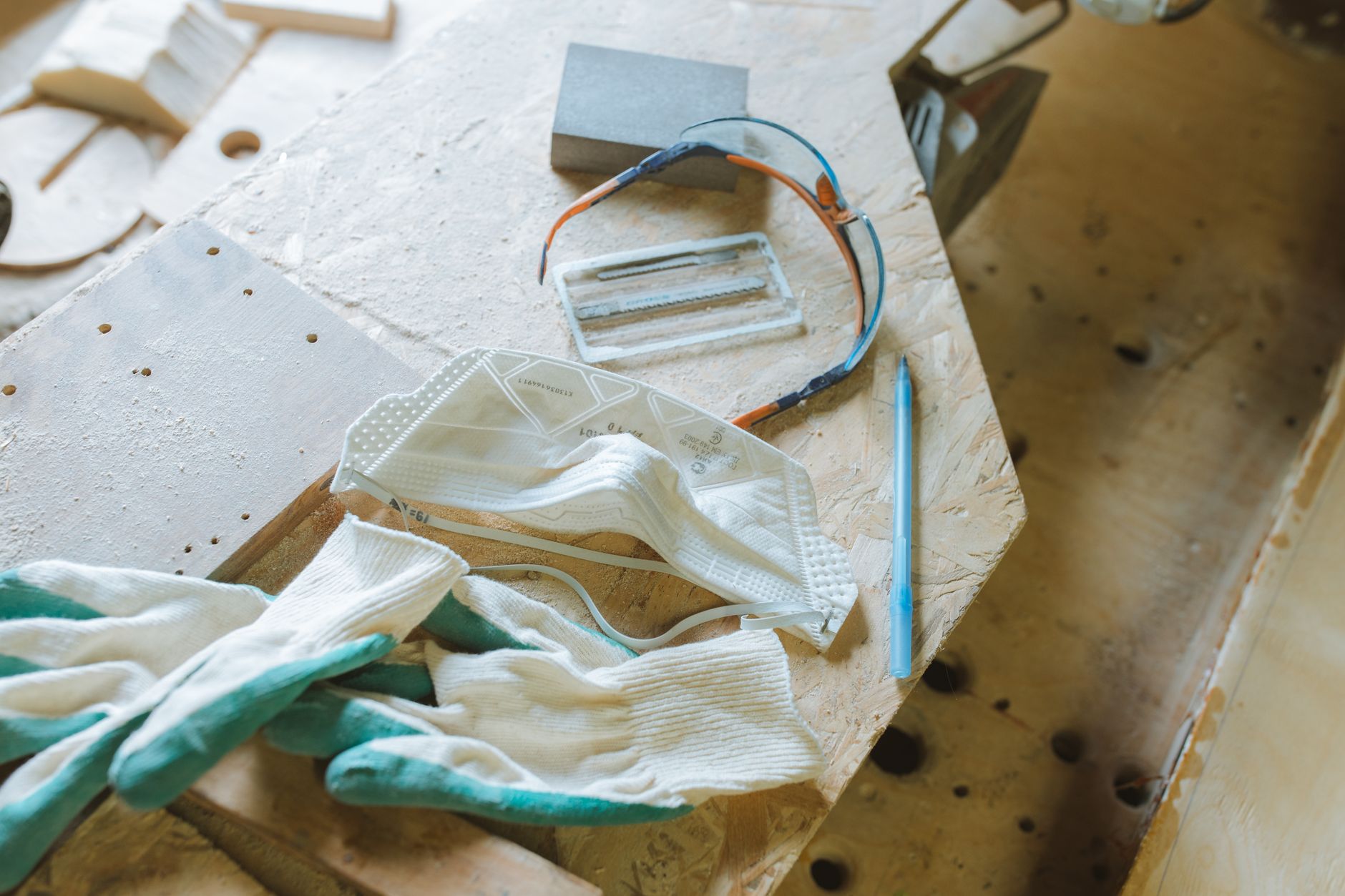
Even with a robot working the open floor, glass work stays with people. A consumer safety guide recommends long sleeves, pants, and safety glasses or goggles, and warns against overfilling containers. I did not verify any OSHA requirement for auto glass shops, so check your federal and state obligations directly before setting a cleanup procedure.
Hand pickup, bench edges and anything near the cutting station remain technician tasks. A robot shortens the routine pass. It does not replace the careful work around the glass itself.
Frequently asked questions
Want a robot working for you?
Tell us the job and the site. We will recommend the robot, quote the lease, and keep it serviced.