Key takeaways
- Robots fit scheduled, mapped specimen runs, while couriers keep the exceptions and bedside handoffs.
- The Winter Haven figures of more than 500 deliveries a month and roughly 150 clinical hours are vendor projections.
- Elevator waits, more than route length, usually decide whether a robot run saves time.
- Chain-of-custody logging is a vendor claim until a live run proves it on your floors.
- Pilot one timed route with one leased unit before you scale.
Which specimen runs suit a robot, and which still need a person?
For a scheduled, mapped run between a unit and a lab inside one building, a delivery robot can take over most of the walking a courier does now. A person stays on the runs that need hands, judgment or a signature at the far end. That split, not the brand of robot, is the real decision.
The clearest recent example is BayCare Health System in Florida. Relay Robotics announced on June 3, 2026 that BayCare had added two robots at Winter Haven Hospital and Winter Haven Women's Hospital, mainly for lab specimens, as reported by Robotics Tomorrow. Treat the figures in that announcement as vendor-reported.
You may see a figure of 40 to 60 daily deliveries tied to this rollout. We did not find it in the Winter Haven coverage we reviewed, so this article leaves it out. The numbers below are narrower and easier to check.
What did the Winter Haven robots actually take on?
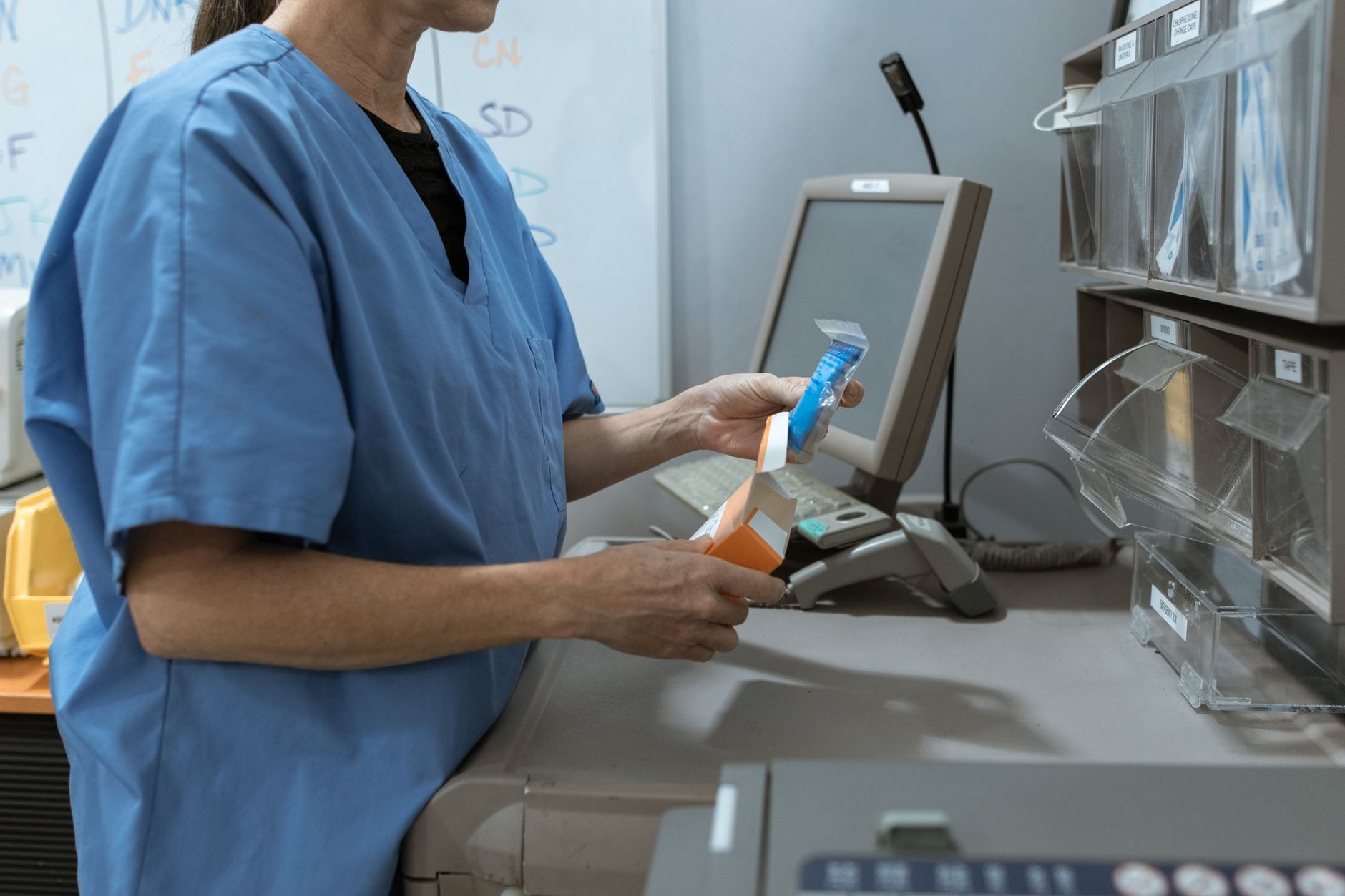
According to Relay's announcement, the two robots, Stork and Miles, split the work. Stork moves specimens between the urgent care area and the second-floor lab at Winter Haven Women's Hospital, reportedly around the clock. Miles carries pharmacy orders and supplies through wings at Winter Haven Hospital that have no pneumatic tube service.
Relay's team mapped the routes and set up elevator access before the units went live. Relay reported 18 deliveries from Stork in its first two days, a count taken from vendor and press material rather than an independent audit. Relay also projects that the two units together will complete more than 500 deliveries in a month and save roughly 150 clinical hours over that period. That is a projection, not a measured result.
Scope matters when you read Relay's numbers. A second Relay case study lists more than 150 deliveries per day across BayCare's fleet of four robots in three locations, a wider footprint than the two Winter Haven units. Keep those vendor-reported figures apart.
How do route length and elevator access compare?
A courier picks a path on the fly and can slip through a shorter corridor or catch whichever elevator is free. A robot follows a mapped route, so its timing is steadier from run to run, but it can only go where its map allows. Route length alone rarely decides the question. Elevator waits usually do.
A University of Virginia simulation, reported in search, modeled robots against human couriers and treated the elevator as a possible bottleneck. In that model, logging each specimen also added a delay. We could not locate a public link for the study, so read its findings as direction, not as a benchmark.
A Kennesaw State undergraduate feasibility study listed elevator integration and chain-of-custody handling as future work, which means it tested neither. Hospital teams will have to measure elevator waits on their own floors. No outside figure will do that for them.
What does chain of custody look like for a robot and a courier?
We found no independent study that compares robot and courier chain of custody. The evidence so far is mostly vendor product claims plus a few academic notes.
Aethon's product page for its ZenaRx lab delivery robot, checked as of November 2026, says chain of custody can be enabled or disabled and that every stop is logged. A courier's handoff depends on a person completing the record, while a robot's log captures each stop automatically. That is a real operational difference, but the log shows where a container stopped, not who handled it at the bench.
Logging has a cost in speed, as the simulation suggests. A hospital should decide how much audit detail it truly needs before it counts the time saved.
When does a nurse or porter still have to go?

A robot is a poor fit for the parts of a specimen run that depend on a person. Keep a staff member on these cases:
The staffing answer is a split, not a replacement. The robot takes the repeatable, mapped runs, and the courier or porter takes the exceptions and the bedside handoffs.
- Stat draws that someone needs in hand within minutes, where a dispatch and a fixed route cost more time than a direct walk.
- Specimens with a suspected labeling, leak or temperature problem that a person must inspect before transport.
- Draws done at the bedside with a witness, or patients who must travel with their specimen.
- Trips outside the mapped route, or days when a door or elevator on the route is out of service.
- Handoffs that need a second signature or a verbal check before the sample moves on.
How should a hospital test a specimen route before committing?
Start with your own timing data. Log courier walk times and elevator waits for at least a week, then count how many runs share the same corridor. Those counts show whether one unit can carry the load or whether a pair is needed.
Pilot a single route first. Ask the vendor to show a chain-of-custody log from a live run, and to explain how elevator access works on your floors. Then compare the vendor's delivery count with the count in your own logs.
Relay and Aethon both position lab delivery robots, and each publishes its own claims. Read those claims as a starting point for your test, not as its result.
Where does a lease fit in the decision?
Service Robot Co. is an OEM-neutral robot integrator for US businesses. We assess the site, select the robot that fits the route, and offer a 3-year lease through financing, with one fixed lease quote after a site assessment. We then deploy, integrate, train and service the unit through our nationwide US engineer network, so one partner covers the whole lifecycle.
A hospital delivery robot lease does not have to start as a fleet. A site can begin with one leased unit on its busiest specimen route, measure it against the courier baseline, and decide on a second unit only after the numbers hold.
Frequently asked questions
Want a robot working for you?
Tell us the job and the site. We will recommend the robot, quote the lease, and keep it serviced.
Sources
- Robotics Tomorrow: BayCare Expands Autonomous Hospital Delivery with New Relay Robots at Winter Haven Hospitals
- Relay Robotics blog: BayCare Expands Autonomous Hospital Delivery with New Relay Robots at Winter Haven Hospitals
- Relay Robotics case study: BayCare Health System
- Kennesaw State University undergraduate symposium, fall 2025 feasibility study
- Aethon ZenaRx product page