Key takeaways
- Map loading zones, sign bases and walkway edges before the first pass.
- Build pass windows from the store's receiving calendar and opening hours.
- Treat any truck backing toward a dock as a hold event for the robot.
- Yield to people on foot every time, and write that rule down.
- Pilot one lawn section, then widen windows only as the log allows.
How should robot passes fit around truck and store hours?
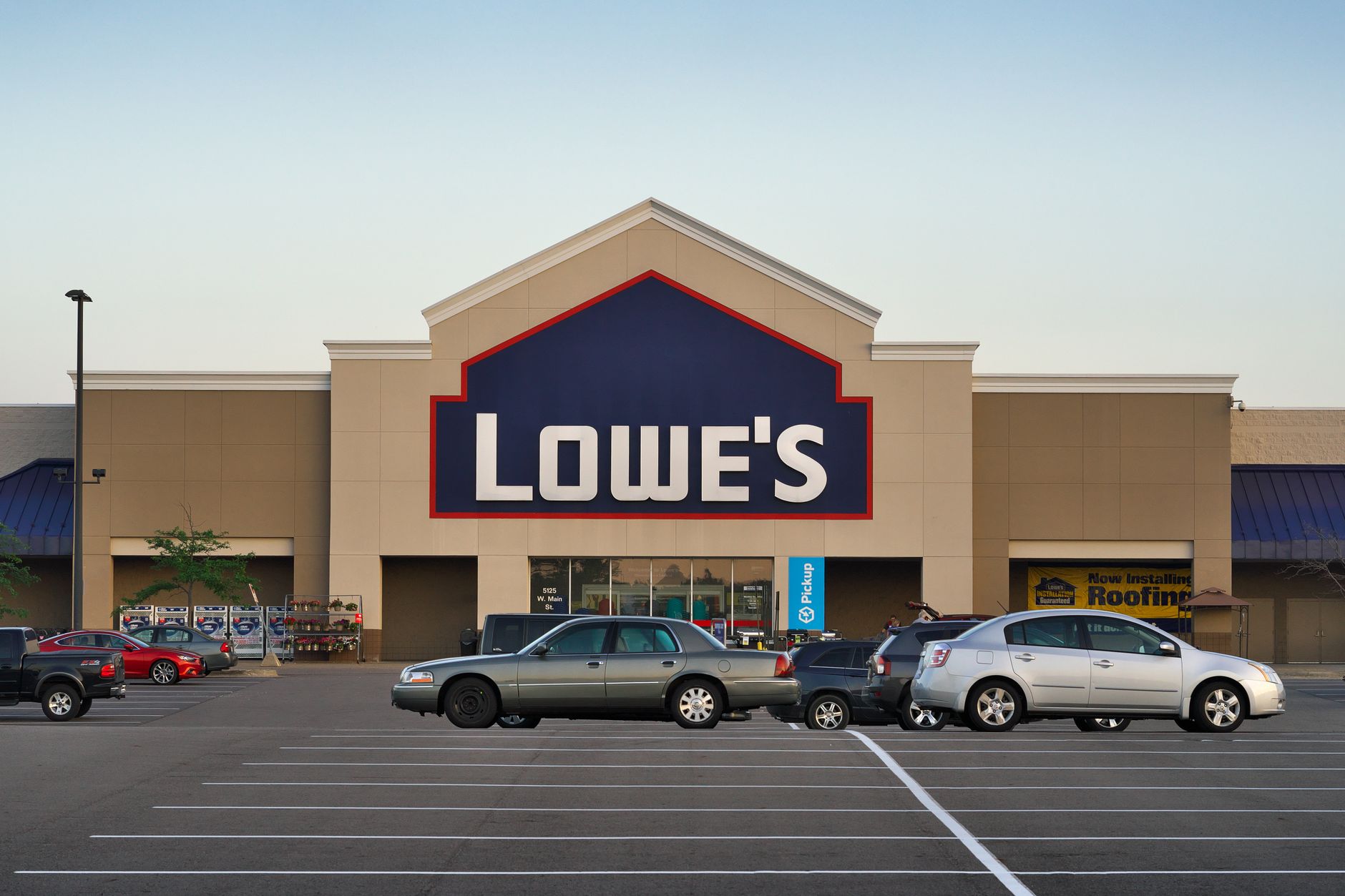
Big-box lawns rarely have a quiet hour. Trucks back into receiving aprons, shoppers cross the lot from opening to close, and store staff move between doors, carts and dumpsters all day. A robot mower can still work these grounds, but only when its pass windows are built around those movements instead of a default timer.
The short answer: map the lawn into zones, set pass windows from the store's receiving and opening hours, and give the robot a written yield rule for people on foot and for any truck in motion. Crews take the detail work a robot should not attempt, including curbs, sign bases and walkway edges. The sections below follow that order.
Which zones on the lawn need their own rules?
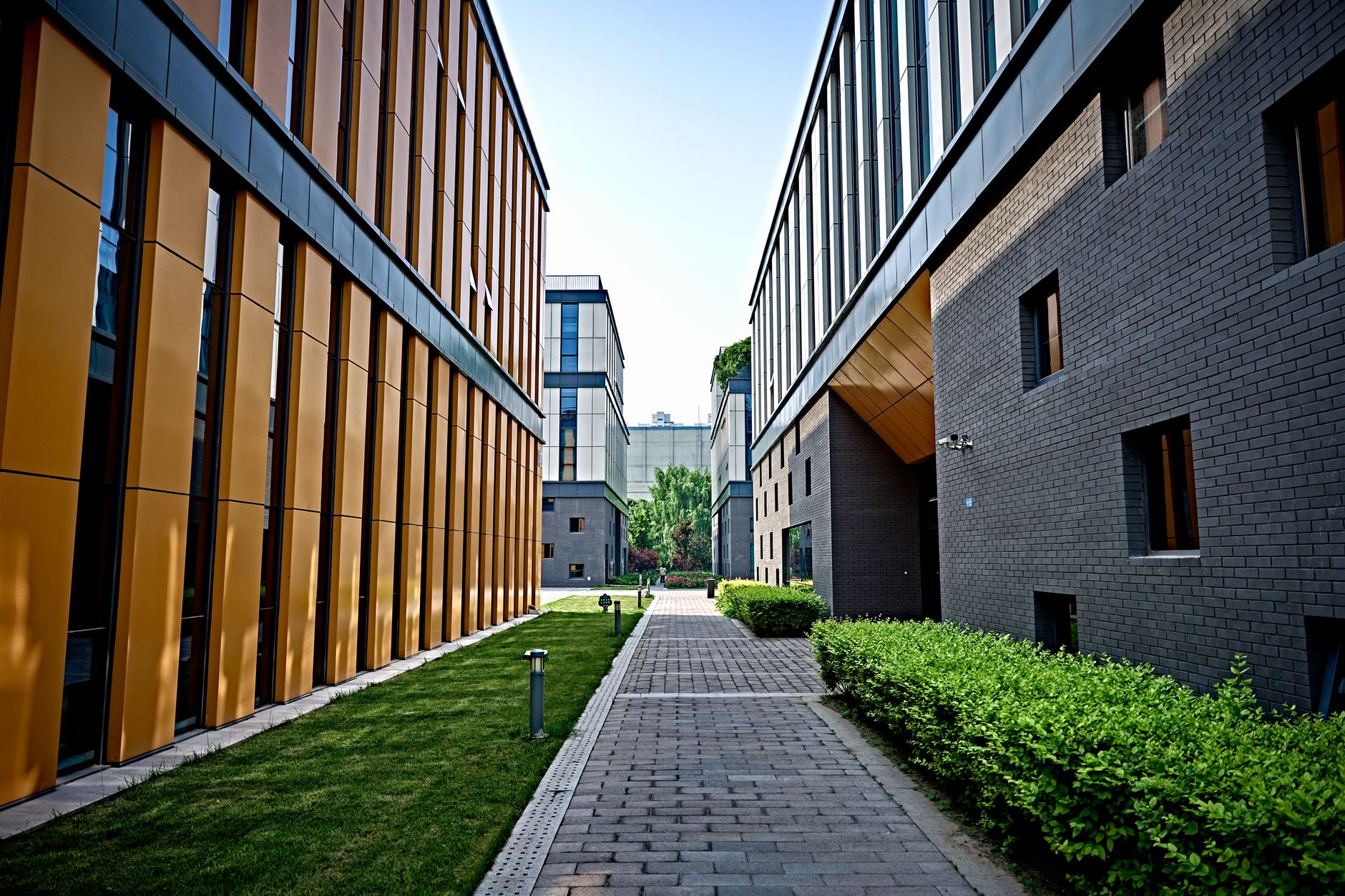
Start with a zone map drawn on the actual site, not a generic plot plan. Mark the truck apron and any dock shelter, the trash enclosure, the cart corral, sign bases, the curb line along the drive, and the walkways from the parking field to the entrance. Each zone gets one of three labels: robot pass, robot with restrictions, or crew only.
Restricted zones change with the calendar more than the grass does. Turf beside an apron may be open most of the week and a hold zone during a scheduled receiving window. Write each restriction with its clock window so the crew lead and the robot's schedule read from the same page. This map also serves as the core of site assessment mapping, the step that comes before any lease quote.
How do you build pass windows from delivery and store hours?
Ask the store manager for three things: the receiving calendar, opening and closing times, and any event that brings extra foot traffic. Those documents set the windows. A pass window is a block of time in which the mower runs and no truck or pedestrian is expected in that zone.
Keep a buffer on both ends of every truck arrival. The research behind this piece did not verify a buffer length, so set yours from the store's experience and the first weeks of logs. A landscaping scheduling tool lists property size, grass growth rate, weather and crew availability as its inputs, according to FieldProxy's commercial mowing schedule page. Truck arrivals should join that list as a hard limit, not a soft preference.
When should the robot yield to people on foot?
Yield whenever a person is inside a restricted zone or walking toward its edge. A shopper crossing the far side of a parking island is not background, and neither is a driver walking to the dock. Treat every person on foot as a reason to hold, with no exception for short passes.
The triggers below go beyond people on foot. Write them down before the first run, so the crew and the store can check them on a walk-through.
- A truck is idling, backing or pulling away near the apron.
- A cart train or pallet jack is crossing the robot's route.
- A store employee calls a stop from the entrance or a dock door.
- A sensor fault or blocked path appears during a pass window.
How do loading docks change the mowing plan?
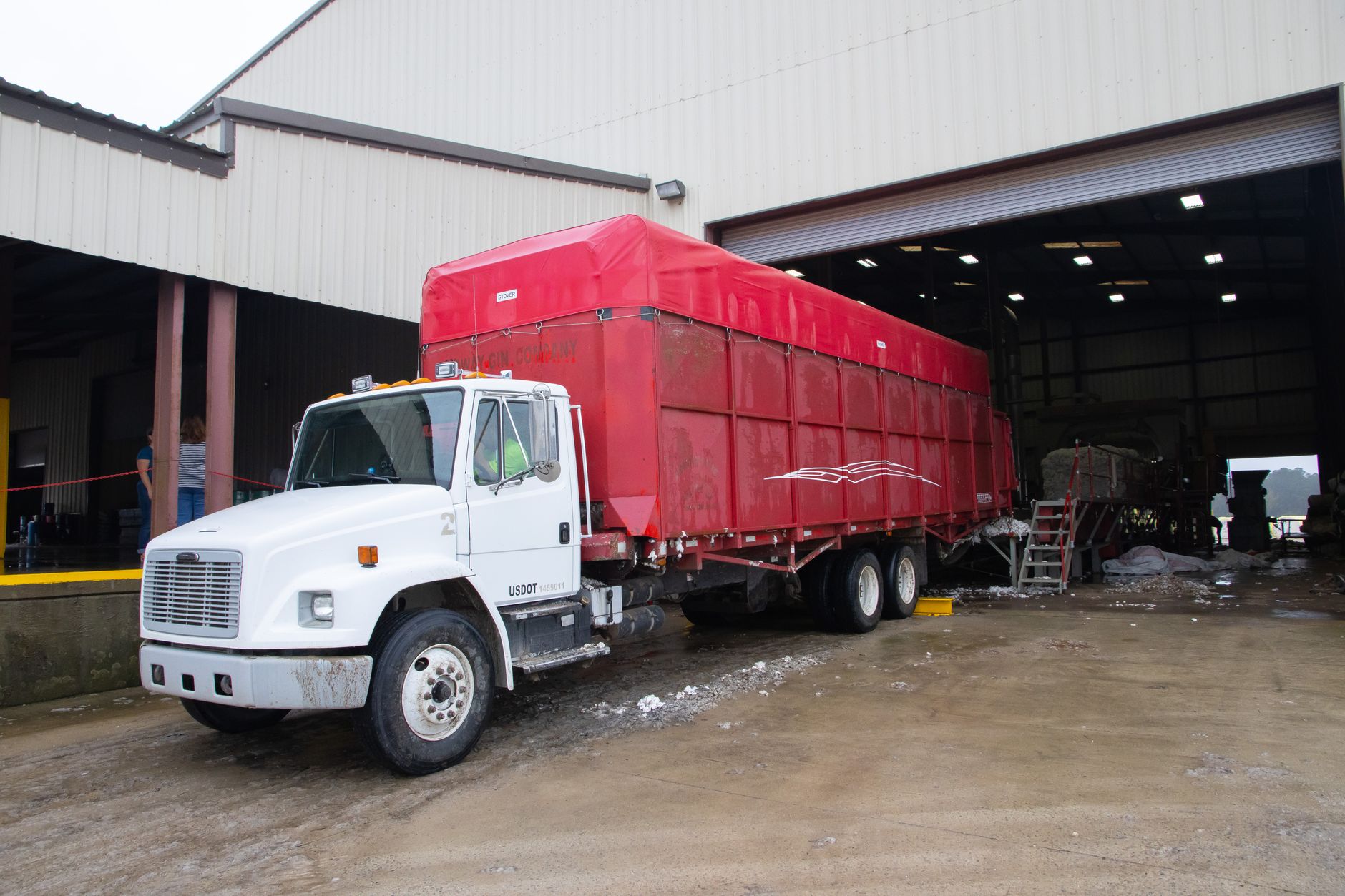
Docks are where a robot's pass and a truck's movement overlap, so they carry most of the risk. A loading dock vendor's whitepaper describes motion sensors above a dock shelter that sound an audible warning and flash a light when a truck is backing in, plus removable barriers that guard the opening when no truck is present. That is the vendor's description, not a field result, so ask the store what its docks already use.
A university loading dock checklist recommends signage that prohibits pedestrians while vehicles reverse, and engines turned off during loading. Both rules carry over to the lawn. The robot stays out of the apron while a truck backs in, and the crew keeps its people off the apron during the same window.
Where should the crew take over from the robot?
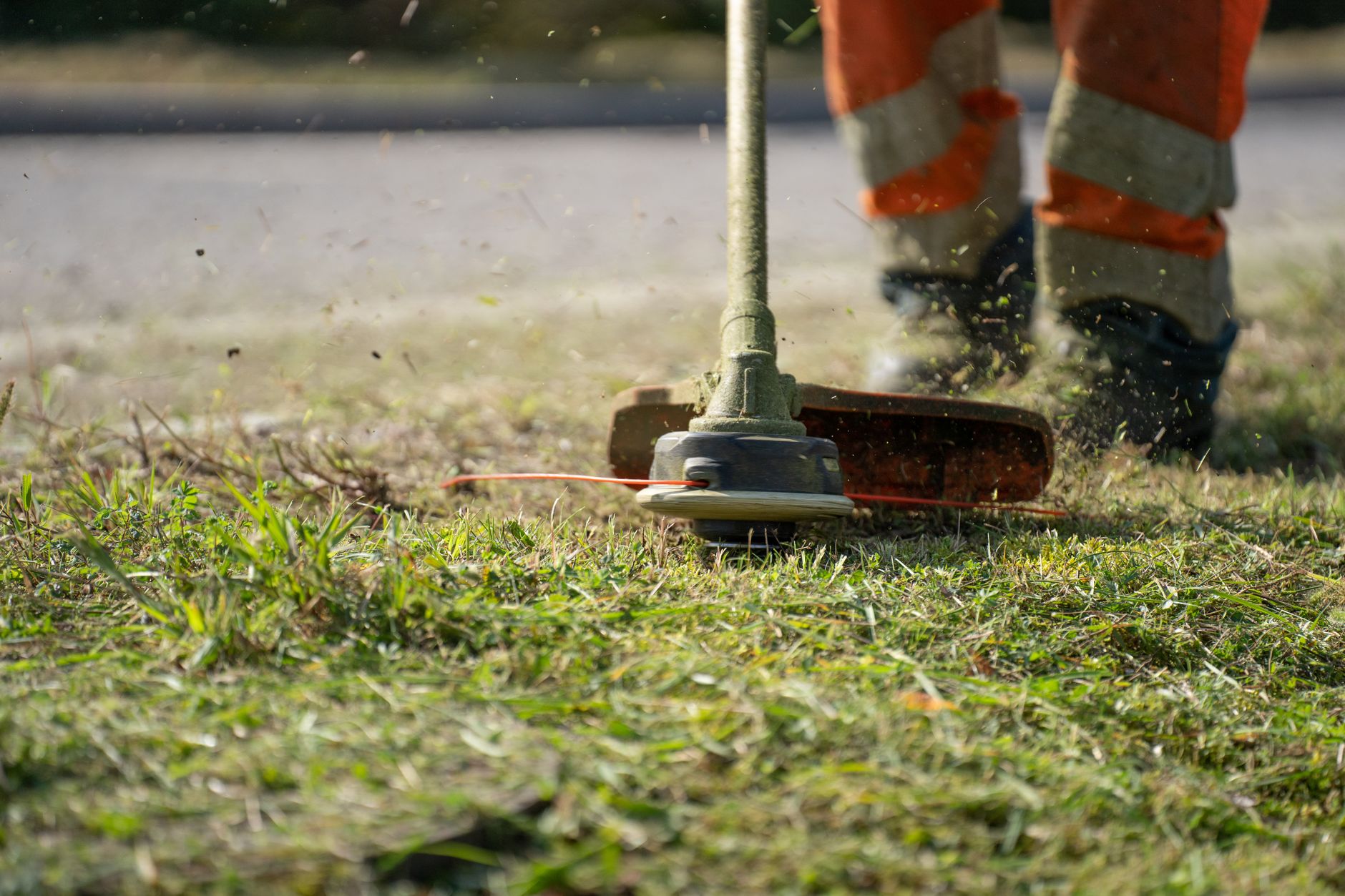
Crews should handle curbs, sign bases, walkway edges and planters, where a robot's approach can leave a hard edge or a missed strip. The robot does the open turf. The crew follows with a trimmer and a blower through the lines a robot cannot be trusted to hold.
Sequencing matters more than speed. Run edge work in the zones the robot will skip that day, so a walker never meets a trimmer and a mower in the same strip. If a delivery runs late or a crew arrives early, the crew lead must pause the robot quickly, so keep its stop control within reach at all times.
What should the pass log record?
Log every pause, yield and near miss with a time stamp, the zone and the reason. Add the truck arrival times from the receiving calendar and the store's opening hours for the same day. Without those columns side by side, no one can tell whether a conflict came from a late truck or from a window set too wide.
Review the log weekly with the store manager. Widen a window only when the log shows no conflicts inside it, and tighten it after any overlap. That discipline turns a scheduling guess into a record the store can trust.
How should a lawn pilot begin?
Pilot first. A commercial landscaping blog notes that some clients welcome an unmanned mower while others are unsettled by one, and it recommends a trial before scaling. Run one lawn section during a quiet receiving window for several full weeks of store days, and log what happens before adding passes.
Setup depends on the mower, its navigation technology and the property layout, according to a mower vendor's commercial guide (checked as of November 2026). Test those on your lot. A pass that works on a flat, open frontage can fail on a sloped strip with trees or a tight curb corner.
How Service Robot Co. handles a big-box lawn
Service Robot Co. is a vendor neutral robot integrator for US businesses. We choose the mower that fits the lawn, handle robot deployment and integration, train the people who run it, and service every unit under RoboCare, our robot maintenance service plan, backed by regional service engineers. The site assessment writes the zone map, truck windows and yield rules into the plan before the first pass.
We lease robots on a 3-year lease with one fixed payment quoted after a site assessment. A store group that wants to see whether a mower fits its docks and lots can start a commercial robot leasing conversation with the site walk.
Frequently asked questions
Want a robot working for you?
Tell us the job and the site. We will recommend the robot, quote the lease, and keep it serviced.