
Key takeaways
- The best dental-office fit is usually a compact hard-floor scrubber or scrub-vac, not a large scrubber and not a carpet-first robot.
- Measure the tightest real path, including chair bases, door clears, turns, and thresholds, before you shortlist anything.
- Ask for sealed filtration, quiet docking, and short drying time, because dust control and morning-ready floors matter more than flashy autonomy claims.
- Multi-site groups should standardize geometry, dock layout, service coverage, and exception handling before they negotiate contract structure.
Which robot type actually works in a dental office?
In most dental offices, the right fit is a compact autonomous floor scrubber or scrub-vac built for hard, nonporous floors and quiet after-hours work. It should handle tile, sheet vinyl, LVT, or similar resilient flooring, hug chair islands and cabinetry, and return to dock without a night supervisor trailing it. Oversized warehouse machines and carpet-first robots are usually the wrong class.
The first buying filter is geometry, not marketing. The U.S. Access Board's ADA standards set 36 inches as the minimum clear width for an accessible route, allow 32 inches only for a 24-inch pinch point, and require 32 inches of clear width at many door openings. If your live pathways around reception, sterilization, and operatories routinely fall below those numbers, a robot may still help, but only on selected zones rather than whole-office autonomy.
For a dental group, that means standardizing a compact machine with precise edge coverage, low-water operation, dependable docking, and field service that can reach every clinic. According to OSHA, workroom floors must be kept clean and, to the extent feasible, dry, so the robot should reduce wet-floor dwell time instead of stretching it.
What makes dental floors different from ordinary office floors?
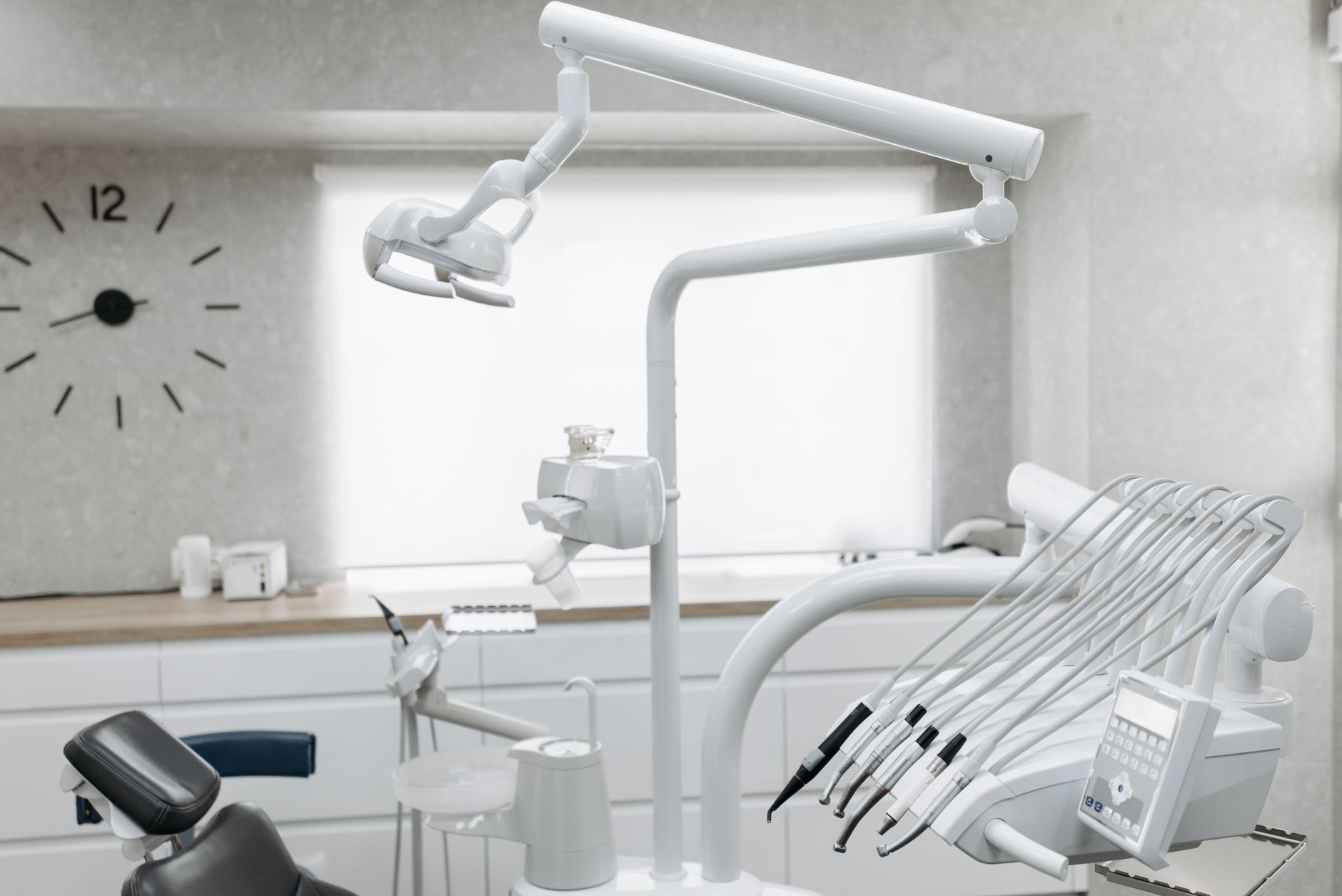
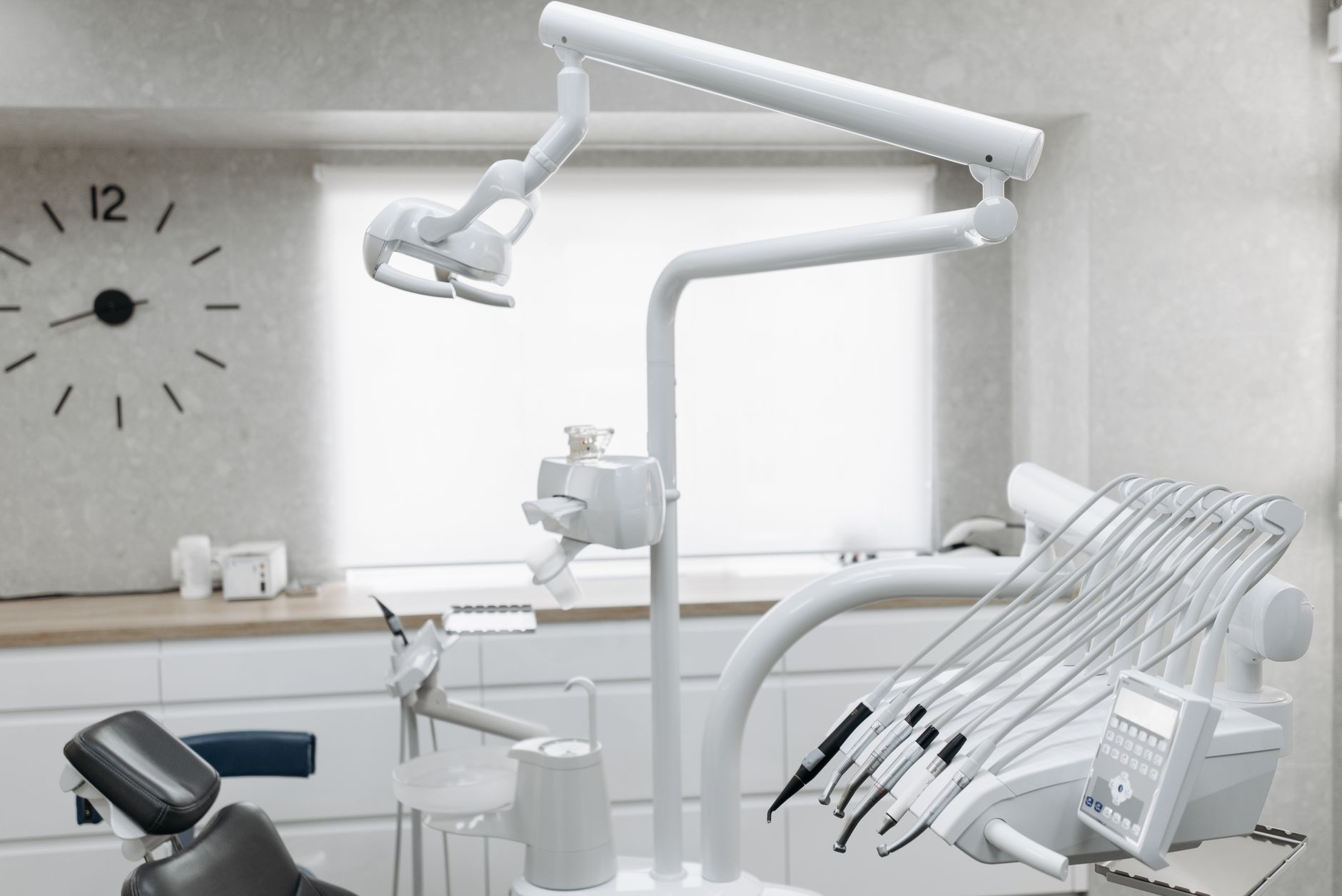
Dental flooring looks simple until you map it. You are working around chair bases, assistant stools, mobile carts, toe-kicks, narrow turns, and rooms that open and close all day. CDC guidance for dental settings treats floors as housekeeping surfaces, not patient-care instruments, but that does not make them casual. They still need routine cleaning and a clear response when blood is visible.
According to CDC's May 15, 2024 dental infection-prevention guidance, floors, walls, and sinks are housekeeping surfaces with limited transmission risk, and floors can be cleaned with soap and water or cleaned and disinfected if visibly contaminated with blood. That distinction matters when you set robot workflows. Daily autonomous scrubbing can cover the routine layer, while staff keep a separate protocol for visible contamination, sharps risk, and any room that needs manual isolation.
Healthcare flooring also rewards machines that behave well on hard surfaces. CDC guidance on healthcare cleaning says to avoid carpet in patient-care areas and to choose cleanable, nonporous finishes that tolerate repeated cleaning. In practice, that pushes most dental buyers toward compact robots for tile and resilient floors, not a one-machine-for-every-surface fantasy.
How small is small enough?
Ask for the robot's real operating envelope, not just brochure width. Measure the tightest doorway with the door open 90 degrees, the narrowest path between fixed cabinetry and chair bases, the turn into the sterilization area, and any threshold between suites. The same ADA chapter that sets a 32-inch minimum door clear opening also caps thresholds at 1/2 inch in new work, with a 3/4-inch exception for existing or altered beveled thresholds.
That tells you what to inspect before a demo. A machine can fit down a straight hall and still fail at the turn. The Access Board requires 42 inches approaching and leaving a 180-degree turn and 48 inches at the turn when the obstruction is under 48 inches wide, unless the turn area is 60 inches wide. Chair islands and check-in counters create exactly these awkward geometries.
For dental offices, compactness is more than width. Check side brush or squeegee reach, rear swing, docking clearance, and how the robot behaves when a stool leg, x-ray arm, or floor mat shifts a few inches from the map. A machine that needs constant babysitting around chair pedestals is not autonomous in any useful sense.
What should you demand on filtration and dust control?
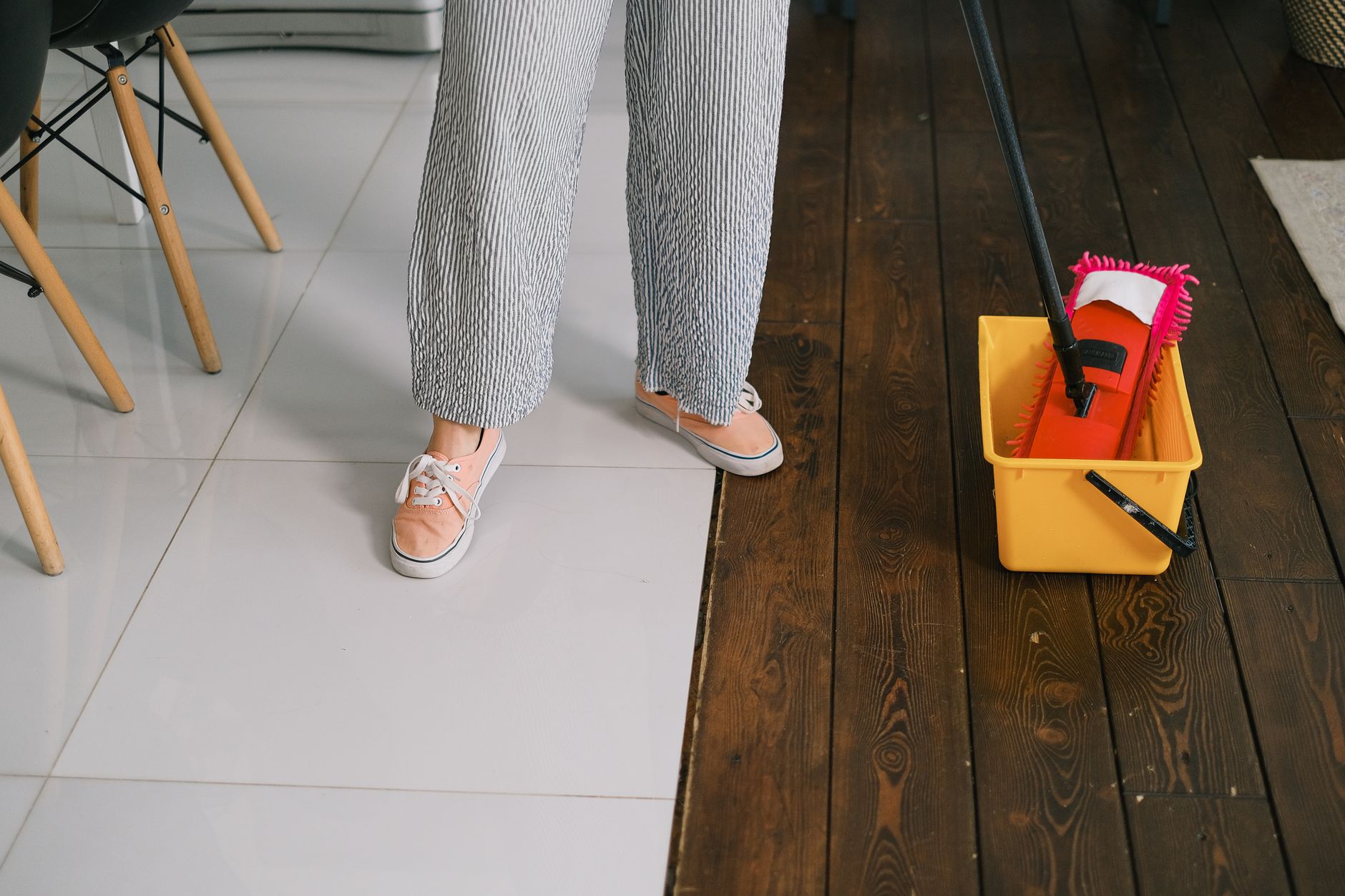
Filtration matters most when the robot vacuums dry debris, trims dust along base edges, or operates near areas that must stay visually and hygienically controlled by morning. EPA states that true HEPA filtration can theoretically remove at least 99.97 percent of particles at 0.3 microns. That is a meaningful benchmark for any vacuum path, pre-filter stage, or optional dry-pass module.
The goal is not to make broad clinical claims about floor cleaning. The goal is to avoid stirring up dust. CDC's environmental-services guidance says methods that produce minimal mists, aerosols, or dispersion of dust in patient-care areas are preferred. That argues for sealed dirty-water handling, controlled suction, easy-to-sanitize recovery tanks, and a clear maintenance routine for filters, pads, and squeegees.
If your operatories already use portable air cleaners or enhanced ventilation, coordinate the robot with that plan instead of treating it as separate. CDC and NIOSH say that, when possible, indoor workplaces should aim for 5 or more air changes per hour of clean air. Floor care and air handling are different jobs, but in a dental office they meet in the same small rooms.
Can a robot run after hours without becoming a nuisance?
Usually yes, but only if you audit the whole noise picture. The scrub pass may be quiet enough, then the dock chime, vacuum lift, water refill, or recovery-tank empty cycle wakes the cleaner next door. OSHA and NIOSH use 85 dBA over an 8-hour day as the line where occupational hearing risk becomes serious. Your after-hours tolerance in a professional medical office will be far lower than that, so insist on an in-suite sound demo.
Watch the run in three states: active scrubbing, return to dock, and docked idle. Ask if voice prompts can be disabled, if status alerts route to text or email instead of local alarms, and how the machine behaves when it encounters a closed operatory door that was open during mapping. Good after-hours automation is quiet, predictable, and boring. That is exactly what you want.
Water handling matters too. A compact robot that leaves damp corners under chair bases creates slip risk and morning complaints. OSHA's clean-and-dry standard is the right mental model here. Favor machines with tight water control, reliable squeegee recovery, and short drying time on the specific floor finish you actually own.
How should a multi-location dental group standardize the buy?
This is where procurement discipline pays. According to the ADA Health Policy Institute, 16 percent of U.S. dentists were affiliated with a dental support organization in 2024, and the United States had 135,665 dental practice establishments in 2023. Multi-site dentistry is no longer a fringe operating model. A robot program that works in one flagship clinic and breaks down in the other twenty is not a program.
Start with one master spec and one variance log. The master spec defines the minimum geometry, floor types, dock footprint, filtration class, water system, battery routine, alerting, and service expectations. The variance log lists the clinics that need manual exceptions, extra doorway hardware, alternate docking, or a different route plan because the floorplan simply will not support the standard machine.
This is also the point where an OEM-neutral partner earns its keep. Service Robot Co. helps U.S. businesses compare the robot that fits your floor, not the one with the loudest brochure, then finance, deploy, integrate, train, and service every unit through a nationwide engineer network. For a dental group, that means one partner for site assessment mapping, go-live support, remote triage, on-site dispatch, and fleet consistency across states.
- Record the narrowest doorway clear opening at every clinic.
- Record the narrowest live path, not the empty hallway width from the architect's plan.
- Document every threshold, floor transition, floor mat, and swing door on the route.
- Specify routine chemistry, visible-blood protocol, and who owns manual cleanup exceptions.
- Require dock location standards for power, water access, drainage, and overnight security.
- Require written service coverage by ZIP code, response windows, and backup-unit policy.
Leasing, or purchase is the smaller question
Many dental groups start with commercial cleaning robot leasing, robot as a service, or robot leasing for business because the contract structure lets them pilot two or three clinics before standardizing a fleet. That can make sense, especially if the package includes RoboCare™ service, software access, training, and a clean off-ramp if the floorplan proves hostile. The sharper question is not lease versus buy. It is what the provider owns after go-live.
Ask for the full lifecycle in writing. Who remaps after a minor remodel? Who replaces a failed dock board? Who handles remote triage at 9:30 p.m. and on-site dispatch the next morning? Who trains the evening lead after staff turnover? Service Robot Co. is built for that one-partner model: purchase or lease, deployment, integration, training, and nationwide service coverage under one roof.
- Run a commercial robot demo in the tightest clinic, not the flagship.
- Test under real chair positions, not a cleared room.
- Verify RoboCare™ service items, consumables, remote triage, and emergency replacement.
- Confirm no long term contract only if the pilot scope truly calls for it.
- Ask how fleet reports roll up across locations and who reviews them monthly.