Key takeaways
- Yes, an autonomous scrubber can clean a convenience store while shoppers are inside, but only if the machine is compact and the route is tightly controlled.
- The practical target is not a full-store daytime deep scrub. It is repeatable pass-through cleaning on spill-prone zones during live trading hours.
- The May 11, 2026 launch of a compact new scrubber and the June 2, 2026 report on a 1,200-store rollout both point to the same shift: smaller, busier retail footprints are now squarely in scope.
- For operators, service coverage matters as much as navigation. A robot that misses a night or sits waiting for repair is just deferred labor in a different form.
- A vendor neutral robot integrator is often the safer path for chains that want commercial cleaning robot rental, robot leasing for business, or lease rental or sale options without being locked to one OEM.
The short answer is yes, but only within a narrow operating lane
A robot can clean a convenience store while the store is open. The practical version is not a big machine roaming every square foot during the lunch rush. It is a compact autonomous floor scrubber handling defined paths, short cycles, and the messiest zones without blocking checkout, drink traffic, or cooler access.
That distinction matters. Convenience stores are cluttered, narrow, and never still for long. A robot works best when it is assigned to the front entry after tracked-in rain, the beverage area after syrup or ice hits the floor, and overnight touch-up passes when staffing is thin but customers are still coming through the door.
The recent news supports that view. On May 11, 2026, a major floor-care manufacturer launched a small-format autonomous scrubber specifically for small, high-traffic, space-constrained sites, including convenience stores. Then on June 2, 2026, another robotics company published a case study describing a national convenience-store rollout of more than 1,200 autonomous floor cleaning robots installed across 2024 and 2025. That is not theory anymore. It is operating practice.
Why is convenience retail such a hard floor-care environment?
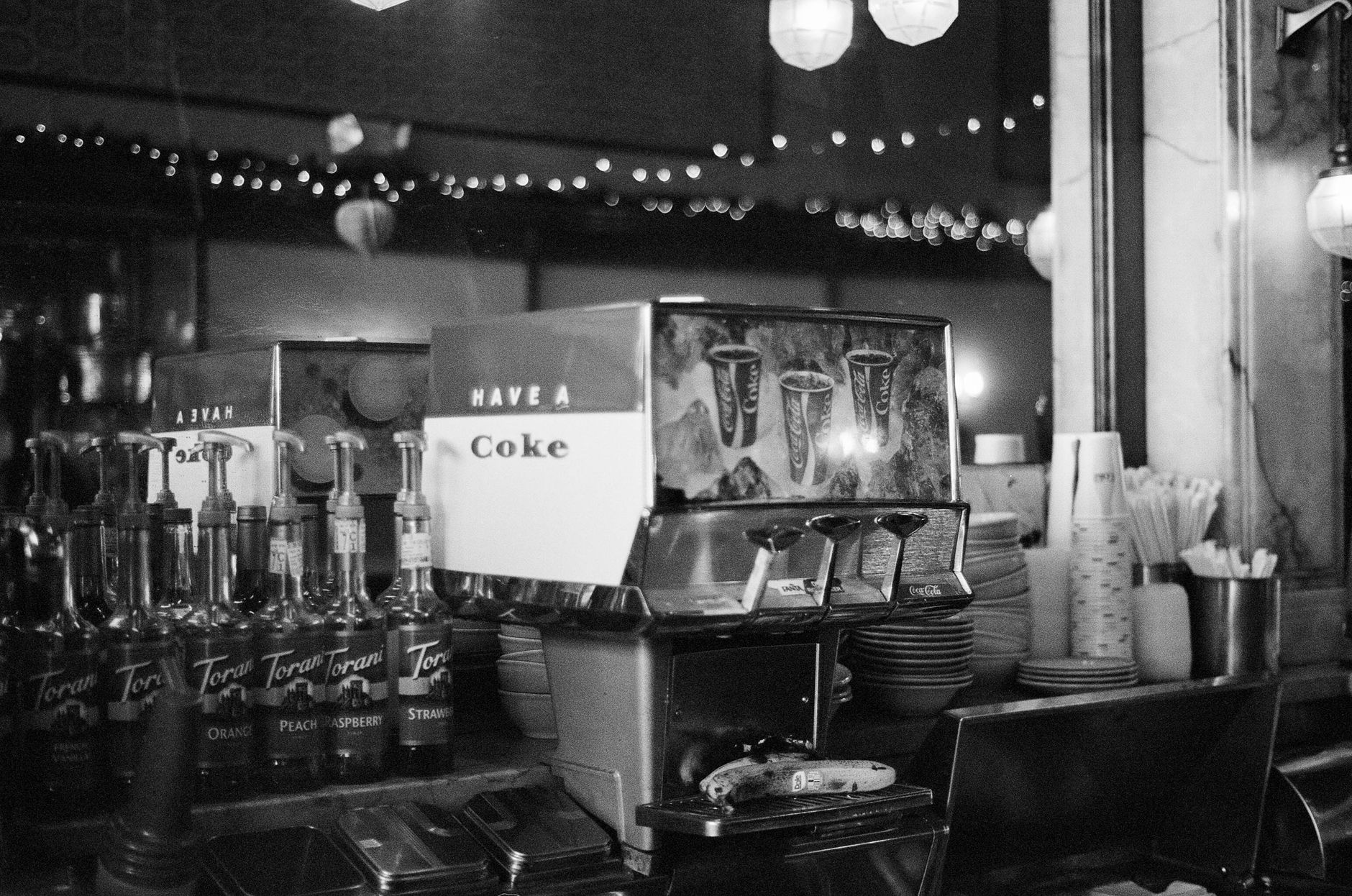
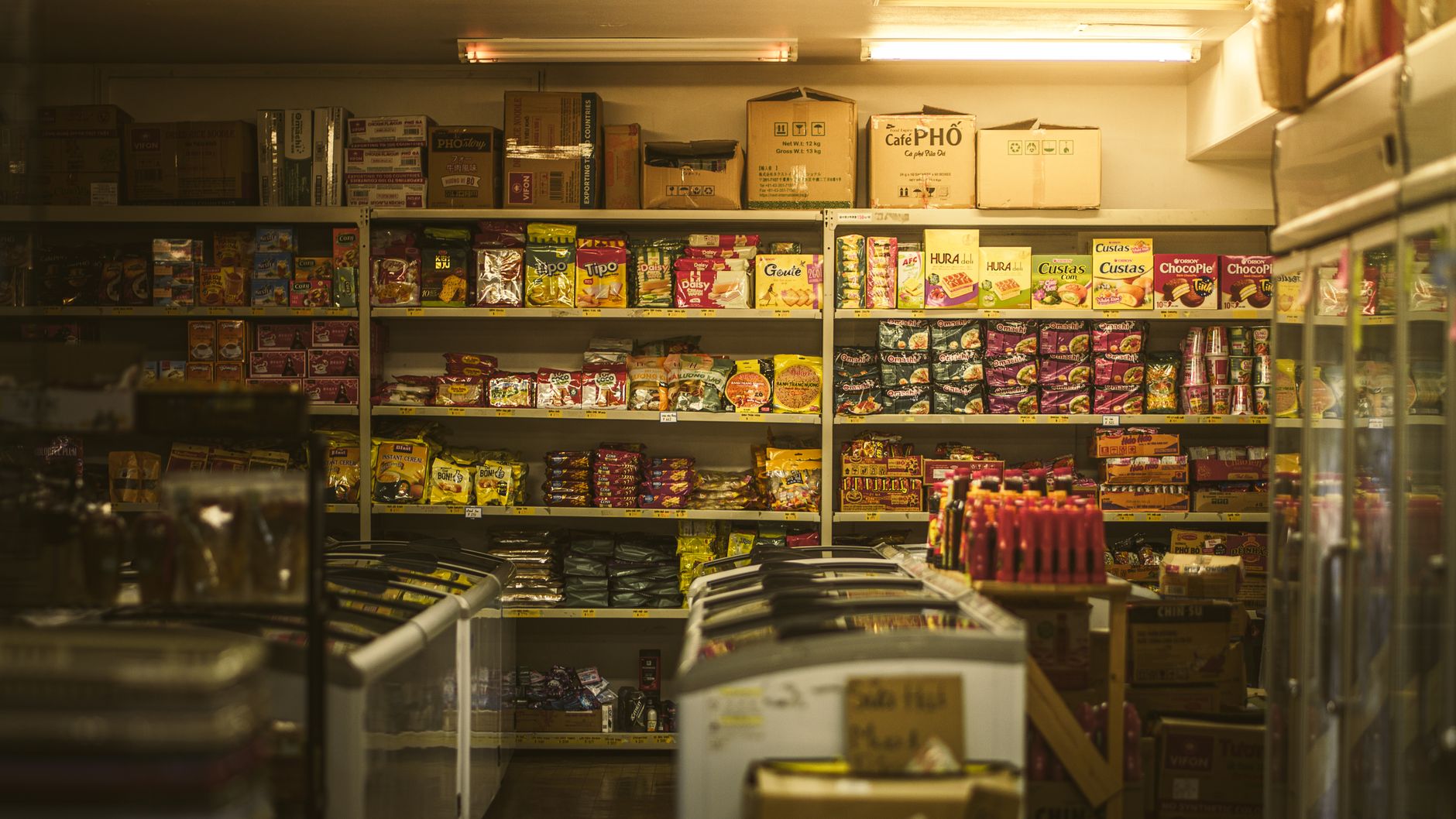
A convenience store compresses the mess of a much larger retail box into a tiny footprint. Rain and slush hit the entry, fountain drinks splash at the beverage island, coffee condiments migrate onto the floor, and customers cut unpredictable paths between the register, the roller grill, the cooler door, and the restroom. A machine that cleans beautifully in a wide, empty corridor can look clumsy here.
The labor pattern is just as tricky. According to the U.S. Bureau of Labor Statistics, cashiers held about 3.2 million jobs in 2024, and 19 percent of those jobs were in gasoline stations. BLS also notes that cashiers in 24-hour establishments such as gas stations may need to work overnight. In other words, many convenience stores are trying to stay customer-facing around the clock while covering basic floor care with lean staffing.
Safety pressure is real too. A CDC and NIOSH retail safety document says more than 21 million employees work in wholesale and retail, and that slips, trips, and falls are the third most common cause of lost-workday injuries in that sector. The same document says 75 percent of those injuries occur on the same level. In a store built around wet entry mats, ice melt, and self-serve drinks, floor care is not cosmetic.
What changed in May and June 2026?
The May 11, 2026 product launch is noteworthy because it signaled a design target that looks a lot more like a convenience store than a warehouse aisle. The announcement described a scrubber built for small retail and convenience environments, with cleaning capability in aisles as narrow as 29 inches. That is a useful threshold because many c-store choke points fail not on cleaning performance, but on physical fit.
The June 2, 2026 case study matters for a different reason. It did not celebrate a single pilot. It described a fleet of over 1,200 robots deployed across all locations of a national convenience-store chain over 2024 and 2025. The scale is the story. A chain does not get to four digits on novelty. It gets there by proving that mapping, training, service, charging, and store-level compliance can hold up site after site.
Put those two events together and the market signal is straightforward. The hardware is getting smaller, and the operating model is getting more repeatable. That is exactly the combination convenience operators have needed.
What does a robot actually do while customers are inside?
In a live store, the robot should be doing maintenance cleaning, not heroics. It can run short scheduled passes near the front door during bad weather, tidy the drink zone after peak traffic, or clean a back half of the sales floor while the register side stays busy. Modern navigation helps it reroute around shoppers and temporary obstacles, but the winning deployments still define clear no-go areas and sensible run windows.
The best use case is the one employees already hate because it is repetitive, interrupt-driven, and easy to postpone. Wet footprints at the threshold. Sticky residue near self-serve beverages. Light overnight scrubbing when one associate is covering the register, stocking, and age-restricted sales at the same time. That is where overnight cleaning no operator starts to make operational sense.
What it should not do is replace the immediate human response to a fresh hazardous spill. If a cup explodes at the fountain station, an associate still needs to cone off the area and handle the first-response cleanup. The robot becomes the follow-through layer that keeps the floor from drifting back into tacky, dull, or slippery condition over the rest of the shift.
Where do these deployments fail?
They usually fail on store operations, not on the cleaning deck. Tight stores accumulate small surprises all day long: promotional stacks moved six inches into the route, temporary floor displays, open cooler doors during restocking, stray boxes near the backroom threshold, or an entry mat pushed off-center. Any one of those is manageable. All of them together will break a brittle deployment.
Support is the second failure point. The U.S. Bureau of Labor Statistics says the median hourly wage for janitors and building cleaners was 17.27 dollars in May 2024, with about 351,300 openings projected each year on average over the decade. That helps explain the appeal of automation, but it also means store teams do not want to become robot mechanics on top of everything else. If a machine needs constant babysitting, the labor math collapses.
That is why service terms matter so much in retail. Commercial robot repair service, remote triage, on-site dispatch, maintenance included, and emergency response nationwide are not marketing ornaments. In a live convenience store, they are the difference between a useful machine and a dead asset parked by the mop sink.
How should operators decide if open-store cleaning is practical for their layout?
Start with geometry, not hype. The question is how many feet of repeatable path the store really has once you exclude checkout pinch points, heavy queueing zones, and merchandising areas that move every week. If the remaining route still covers the entry, the beverage island, and the main traffic spine, a small robot may be worthwhile even in a compact box.
Then look at mess timing. Stores with fountain drinks, coffee bars, heavy commuter traffic, and wet-weather exposure have a stronger case than stores whose floors stay relatively dry until late night. According to NACS Magazine, there were 151,975 convenience stores in the United States at the end of 2025. That size of market does not mean one format fits all. It means the operators who standardize the right use case first can scale faster than the ones who buy on demo-day excitement.
A serious pilot should answer a short list of operational questions:
Does the machine clean the spill-prone zones your team actually worries about? Can it run without blocking revenue-critical paths? Does the store manager trust the schedule? Can associates recover the robot after an interruption in under a minute? If the answer to those questions is no, the issue is probably deployment design, not the concept of robotic cleaning itself.
- Map the route around fixed fixtures, not around a perfect empty-floor assumption.
- Test during real traffic, including commuter rush and bad-weather entry conditions.
- Measure completion rate on short live passes, not just after-hours full-floor runs.
- Track associate interventions per shift. If interventions stay high, the route is wrong or the store is too dynamic for that operating window.
- Verify who owns service, replacement coverage, and retraining when store staff turns over.
What role should Service Robot Co. play in this kind of program?
This is where an OEM-neutral integrator has a real advantage. Convenience operators do not need a generic robotics pitch. They need the robot that fits the floor, the shift pattern, and the service geography. Service Robot Co. acts as a full-service commercial robot integrator for U.S. businesses, selecting across manufacturers and then financing, deploying, integrating, training, and servicing every unit through a nationwide engineer network.
That model is especially relevant for chains comparing lease rental or sale structures, commercial cleaning robot rental, or robot as a service programs. If you want service robot rental, robot rental monthly, month to month robot lease flexibility, or a floor scrubber monthly lease with no long term contract, the hard part is not just funding. It is tying financing, mapping, rollout, support, and replacement into one accountable operating model.
For multi-site retail, one partner one number is not a slogan. It is a control system. A vendor neutral robot integrator can standardize site assessment mapping, go live support, commercial robot demo work, robot pilot program design, and backup robot program terms without forcing every store into a single-brand answer.
The realistic verdict for convenience stores
Yes, a robot can clean a convenience store while open, and in 2026 that answer is stronger than it was even a year ago. The evidence is not that robots can magically handle every c-store mess. The evidence is that compact machines are now being designed for small high-traffic sites, and that chain-scale deployments have already moved past the pilot stage.
Still, practicality depends on discipline. Open-store cleaning works when the task is narrow, the route is repeatable, and the support model is strong. It fails when operators expect one robot to improvise through every spill, every display change, and every customer surge with no human process around it.
For convenience retail, that is good news. The goal was never to automate every motion. It was to keep floors safer and more presentable during the hours when stores are open, labor is thin, and the mess keeps coming back. On that more grounded standard, the answer is yes.
Frequently asked questions
Sources
Service Robot Co. is not affiliated with, sponsored by, or endorsed by the companies mentioned in this article.