Key takeaways
- A March 2026 AHLA survey confirms more than half of hoteliers are understaffed, with labor costs and shortages being top operational concerns.
- Robotic vacuums and scrubbers handle repetitive, large-area floor cleaning, freeing human staff for detailed, high-touch guest room tasks.
- Automating floor care allows hotels to maintain higher cleaning standards consistently, even with fewer staff members on shift.
- Adopting a robotics-as-a-service model can make automation financially accessible to hotels of all sizes without large upfront capital.
- Working with a vendor-neutral integrator ensures a hotel gets the right robots for its specific needs, backed by a single point of contact for service.
The Direct Answer for Overburdened Hotel Operators
Yes, robots can be a powerful tool to help solve the hotel housekeeping shortage. They achieve this not by replacing human staff, but by augmenting them. Autonomous floor scrubbers and vacuums take on the most time consuming and physically demanding tasks, such as cleaning long corridors, expansive lobbies, and large event spaces.
This strategic automation allows a short-staffed housekeeping team to operate more efficiently. With floor care handled, human housekeepers can dedicate their limited and valuable time to higher-touch, detail-oriented work in guest rooms. This includes sanitizing surfaces, making beds, and restocking amenities, which directly impacts the guest experience.
The core of the issue is a persistent labor gap. A March 2026 survey from the American Hotel & Lodging Association (AHLA) found that more than half of hoteliers report being understaffed. The same report identifies rising labor costs and workforce shortages as top financial pressures on the industry. Robots offer a way to maintain, and even improve, cleaning standards without overburdening the current team.
What Does the 2026 Data Reveal About Staffing?
The challenges facing hotel operators are clear and quantifiable. The March 2026 AHLA survey paints a stark picture of the current labor market, with over half of respondents reporting their properties are somewhat or severely understaffed.
These shortages are not an abstract problem; they create significant operational hurdles. Labor costs were cited as a major financial pressure by 65% of hotel owners, with workforce shortages close behind at 42%. This environment forces operators into a difficult position, trying to meet guest expectations while managing escalating expenses and a shallow hiring pool.
Housekeeping is consistently one of the most difficult roles to fill. A survey from late 2024 to early 2025 identified housekeeping as the most critical shortage area, cited by 38% of hoteliers. This persistent difficulty in finding and retaining staff for these physically demanding jobs is the primary driver for seeking technological assistance.
How Exactly Do Robots Fit Into Housekeeping Operations?
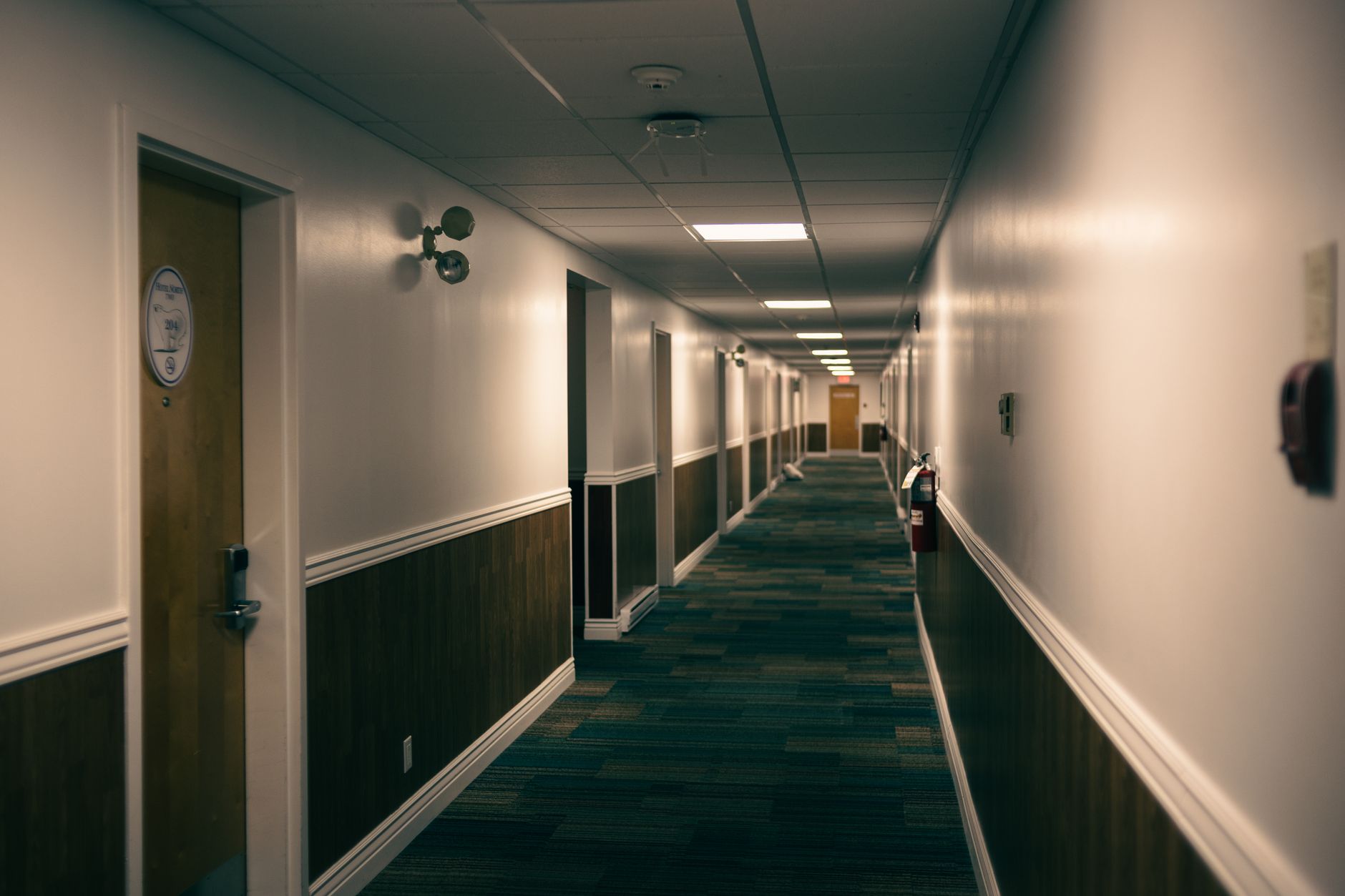
The role of robots in a hotel setting is specific and strategic. They excel at handling large, open areas with repetitive cleaning patterns. This includes the exact kind of work that consumes a significant portion of a housekeeper's time.
Think of an autonomous floor scrubber or commercial carpet cleaning robot working the overnight shift. It can methodically clean hundreds of feet of hallway, the entire hotel lobby, conference rooms, and restaurant dining areas without human supervision. These machines are designed to navigate complex environments, avoiding obstacles and maintaining a consistent cleaning path every time.
This frees human labor from pushing a heavy vacuum or mop for hours. By automating these physically taxing floor care routines, a hotel can reallocate its most valuable resource, its people, to tasks that require dexterity, critical thinking, and a human touch. The robot handles the floors; the people handle the details that define a guest's stay.
Empowering Staff to Focus on a Higher Standard of Clean
When autonomous floor care machines take over the hallways, the dynamic of the housekeeping department changes for the better. The human team is no longer bogged down by the most monotonous and physically draining part of their job. This shift has profound effects on both employee well being and the quality of service delivered to guests.
Freed from hours of vacuuming, housekeepers can invest more time and attention inside the guest rooms. They can focus on disinfecting high-touch surfaces like light switches and remote controls, ensuring bathrooms are spotless, and perfectly staging the room for the next arrival. This elevation of in-room standards is a direct result of labor reallocation.
Moreover, this allows staff to be more responsive to guest needs. A housekeeper with more time in their schedule is better able to fulfill a special request for extra towels or address a specific concern promptly. This focus on guest-facing service, rather than pushing a vacuum, can improve job satisfaction and reduce burnout, which are critical factors in staff retention.
What Is the Operational Impact of an Augmented Team?
Integrating robots creates a more resilient and efficient cleaning operation. One of the key benefits is the ability to deliver a consistently high standard of cleanliness regardless of daily staffing fluctuations. An autonomous scrubber runs its route perfectly whether the hotel is fully staffed or three people short.
This reliability directly impacts the bottom line. Relying on an automated workforce for foundational cleaning tasks is often cheaper than paying overtime or dealing with the productivity loss from unfilled shifts. The cost of running an autonomous machine is predictable, unlike the volatile costs associated with staff turnover and recruitment in a tight labor market.
The result is a cleaner, more appealing property, which can lead to better guest satisfaction scores and reviews. A pristine lobby and spotless corridors make a powerful first impression. By using technology to ensure these areas are always guest-ready, hotels protect their brand reputation and create an environment that encourages repeat business.
How Can a Hotel Adopt This Technology Effectively?
Getting started with automation does not have to be a complex capital expenditure. The key is finding the right partner to guide the process. This is where a full-service commercial robot integrator becomes essential for success.
At Service Robot Co., we provide a turnkey robot deployment. The process begins with a free site assessment to understand your property's unique layout, floor types, and operational workflow. Because we are OEM-neutral, we are not tied to a single manufacturer. We select the right autonomous vacuum or industrial floor scrubbing robot from across the market that best fits your specific facility, whether it is for large venue cleaning or tight corridors.
We handle every aspect of the project. This includes financing through programs like robot rental monthly or a lease purchase program, on-site mapping and integration, and comprehensive staff training. Our goal is to ensure the technology works for your team from day one, without disrupting your operations. We act as one partner with one number to call for the entire lifecycle.
What Happens When a Robot Needs Maintenance or Support?
Technology is only as good as the support structure behind it. A robot that is out of service is not solving a labor shortage. This is why ongoing service is a critical component of any successful automation strategy, and a major differentiator for Service Robot Co.
We manage the entire service lifecycle for every unit we deploy. With a nationwide network of US engineers, we provide on-site dispatch for repairs and a comprehensive robot maintenance service plan. Our support begins with remote triage to diagnose issues quickly, and if a problem cannot be solved remotely, an engineer is dispatched.
This single-vendor approach simplifies everything for the hotel operator. You have one point of contact for any issue, from routine maintenance to emergency response. We even offer a backup robot program with loaner units to ensure you have spare unit coverage and can achieve a zero downtime guarantee. It is a complete robot as a service, or RaaS, monthly subscription model designed for peace of mind.
Frequently asked questions
Sources
Service Robot Co. is not affiliated with, sponsored by, or endorsed by the companies mentioned in this article.