Key takeaways
- The manufacturing skills gap is a mismatch between the technical needs of modern factories and the skills of the available workforce.
- A June 2026 report from Netchex confirms technology adoption is outpacing workforce adaptation, widening this skills gap.
- User-friendly collaborative robots (cobots) can be programmed by current factory staff without specialized engineering degrees.
- By automating repetitive tasks with cobots, companies can upskill their existing workforce to manage higher-value operations.
- A full-service robot integrator can manage the entire lifecycle, from selecting the right cobot to training staff and providing maintenance.
The Real Problem Isn't a Labor Shortage. It's a Skills Shortage.
Yes, collaborative robots can directly address the manufacturing skills gap. This gap isn't just about a lack of people; it's a fundamental mismatch between the technical demands of modern production and the qualifications of the available workforce. As factories adopt more automation, the remaining jobs require more technical skill, not less.
A June 2026 report from Netchex highlights the core issue: technology adoption in manufacturing is rapidly outpacing workforce adaptation. This creates a difficult situation where companies have unfilled roles but cannot find applicants with the baseline technical skills to succeed. The demand for roles like robotics technicians and automation specialists is high, but the supply of qualified candidates has not kept pace.
This is where modern collaborative robots, or cobots, offer a practical path forward. Unlike traditional industrial robots that require complex coding, today's cobots are designed for usability. They can be programmed by existing factory staff, the very people who already understand the production process, without needing extensive robotics expertise. This allows companies to automate repetitive or physically demanding tasks, freeing up their human workers for upskilling and more valuable roles supervising the automated systems.
What is the Manufacturing Skills Gap in 2026?
The manufacturing skills gap is a well-documented challenge driven by multiple factors. According to the Deloitte and Manufacturing Institute, the US could see a shortfall of over 2 million manufacturing workers in the coming decade. This is not a simple headcount problem. It is a structural issue rooted in deep shifts within the industry and the broader workforce.
An older, experienced generation of machinists and technicians is retiring, taking decades of institutional knowledge with them. At the same time, there is a persistent perception problem that steers younger generations away from careers in manufacturing. The result is a shrinking pipeline of new talent entering the field.
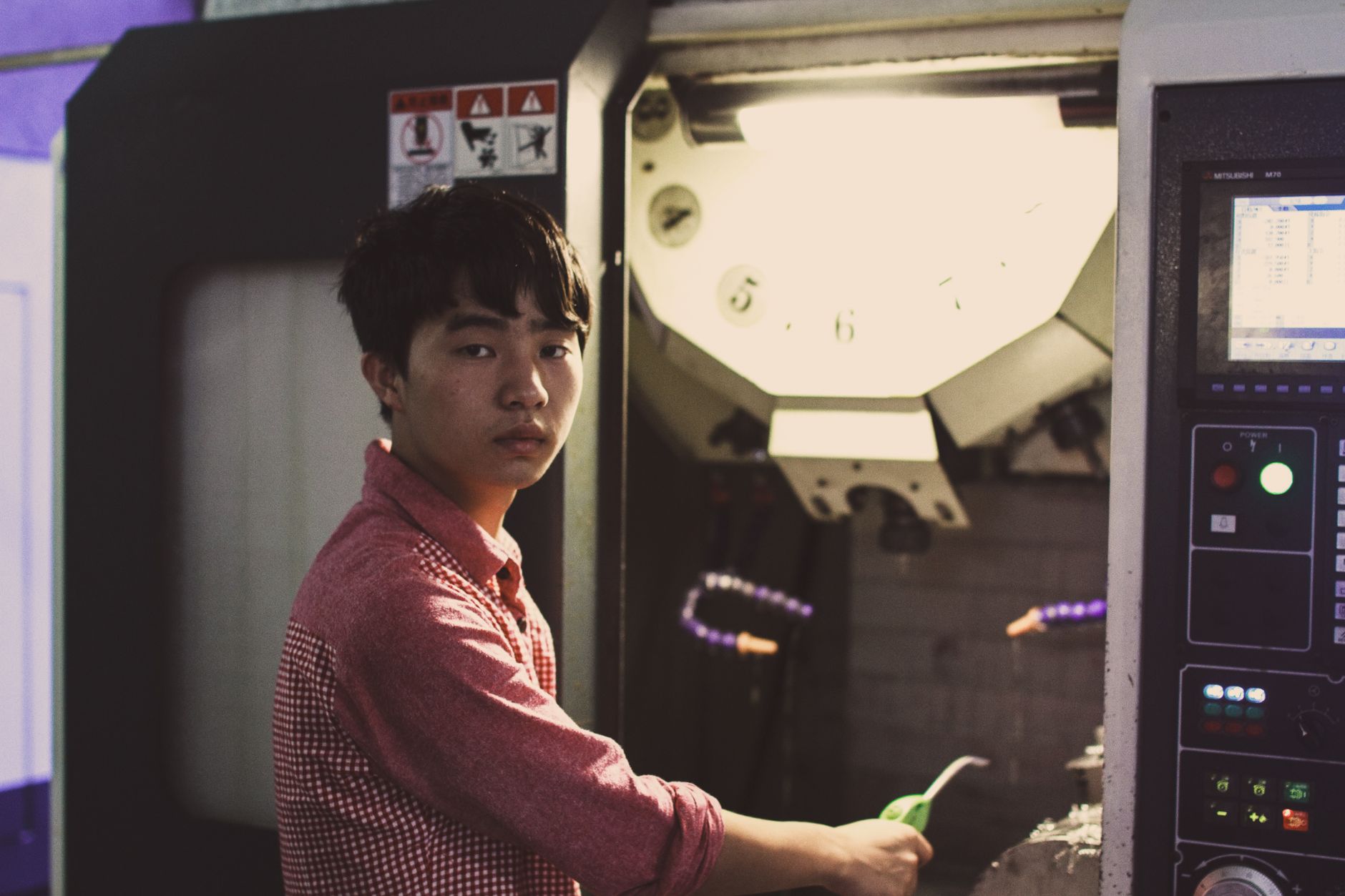
The nature of the work itself has changed dramatically. The rise of automation, data analytics, and the Internet of Things has transformed the factory floor. While these technologies boost efficiency, they also demand new competencies from the workforce, such as CNC programming and systems diagnostics, that are in short supply.
How Do User-Friendly Cobots Bridge This Gap?
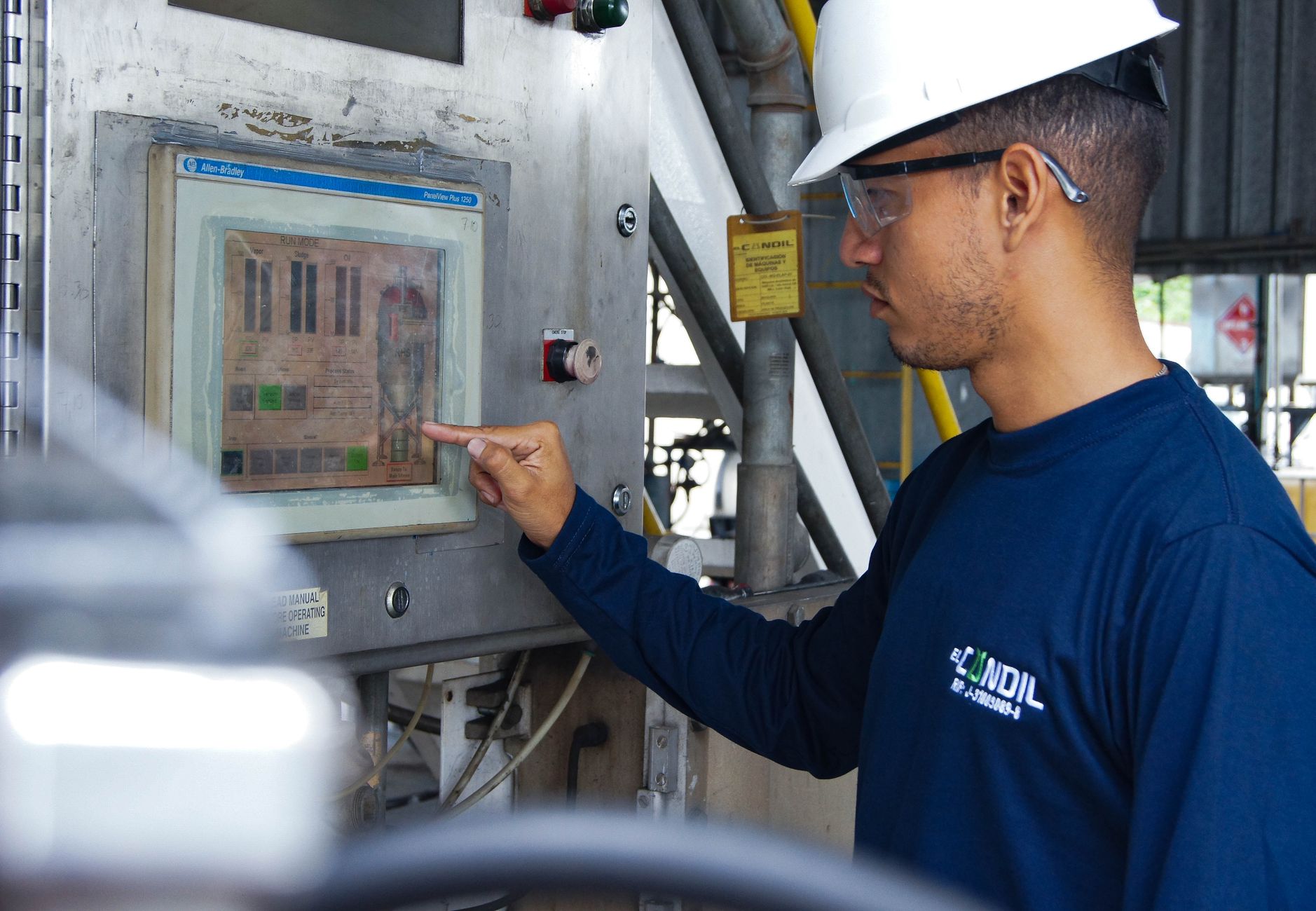
Collaborative robots are a different breed of automation. Designed to work safely alongside human employees, their most significant advantage is their ease of use. This accessibility directly confronts the skills gap by empowering the existing workforce instead of trying to replace it.
Programming a cobot no longer requires a team of engineers writing complex code. Modern systems use intuitive interfaces that feel more like using a smartphone app than a complex piece of industrial machinery.
Common programming methods include:
These approaches mean a veteran machine operator can teach a cobot a new task in minutes, not weeks. They can use their deep process knowledge to automate a task without ever writing a line of code. This empowers manufacturers to adapt quickly to changing production demands with the staff they already have.
- Hand Guiding: An operator physically moves the robot arm through the desired motions, and the cobot records and replicates the path.
- Graphical User Interfaces (GUIs): Many cobots use a tablet-based interface with drag-and-drop blocks that represent actions. Building a program is as simple as arranging these visual blocks in the correct sequence.
- Lead-Through Programming: Similar to hand guiding, this method involves using a handheld controller to direct the cobot, which then memorizes the movements for repetition.
What are the Operational Benefits of Cobot Deployment?
By taking on repetitive, strenuous, or ergonomically challenging tasks, cobots allow employees to shift to higher-value work. This can involve quality control, machine supervision, or managing the overall production flow. It is a form of upskilling that happens on the job, directly supported by technology.
This approach yields several key benefits. It improves productivity and consistency, as cobots perform tasks with high precision every time, reducing human error and waste. It also enhances workplace safety by automating dangerous jobs, which can lead to lower injury rates and improved employee satisfaction.
Financially, cobots are a more accessible form of automation, especially for small and mid-sized manufacturers. Their flexibility means they can be moved and reprogrammed for different tasks as needs change, offering a versatile tool rather than a fixed, single-purpose machine.
How Does a Robot Integrator Simplify the Process?
Adopting automation, even user-friendly cobots, involves more than just buying a robot. For it to succeed, the technology must be properly selected, installed, and integrated into your existing workflow. This is where a dedicated partner makes a critical difference.
Service Robot Co. operates as a full-service commercial robot integrator for businesses across the United States. We are OEM-neutral, which means our loyalty is to your operational goals, not to a specific equipment brand. We assess your specific challenges and select the right robot for the job from a wide range of manufacturers.
Our process covers the entire lifecycle. We handle financing, deployment, and the complex work of integrating the cobot with your other systems. Crucially, we train your existing staff to program and manage the robots themselves, turning your team into skilled automation operators. With a nationwide network of US engineers, we provide ongoing service and maintenance for every unit, ensuring zero downtime. You get one partner and one number to call for the entire automation journey, from initial assessment to long-term support.
What Does a Future-Ready Workforce Look Like?
The manufacturing workforce of the near future will not be one of humans versus robots. It will be one of humans working with robots. The most competitive companies will be those that successfully blend the skills of their human employees with the capabilities of automation.
This requires a shift in thinking from filling specific, narrow roles to developing a more adaptable and technically fluent workforce. The goal is not just to find people who can operate a specific machine today, but to cultivate a team that can learn and adapt as technology evolves.
By using accessible cobots to bridge the immediate skills gap, manufacturers can begin this process now. They can automate the mundane tasks that lead to turnover and use that newfound efficiency to invest in training their loyal, experienced employees for the more sophisticated roles that define the future of the industry.