
Key takeaways
- Cart-path-only rules force creative dock placement, not smaller fairway ambitions.
- Power and drainage matter more than distance to the maintenance shop.
- Starters need clear sight lines where docks sit near landing zones.
- Split docks across nines when one pad cannot reach every polygon.
- Document every pad move after storms or tree work.
When the obvious cart path is off limits
Many courses want lawn mowing robots on fairways and rough but cannot drag charging cables across paths members use at dawn. Wet low areas, narrow tree corridors, and club policies that keep all heavy gear off turf complicate the easy plan.
Dock placement is not a facilities afterthought. It decides whether overnight loops finish or stall two fairways from home base. Superintendents who treat power like irrigation layout get fewer 5 a.m. phone calls.
This guide assumes greens and tees stay with the crew and fairway polygons are already mapped. It focuses on physical siting, not vendor buttonology.
Start with agronomy, not the nearest outlet
Walk each candidate pad in wet and dry weeks. A flat spot beside the shop may flood in July while a raised path edge stays firm.
Keep docks out of irrigation throw patterns that soak connectors nightly. Shift heads before you trench, not after a short.
Root zones of specimen trees matter. Trenching for power can do more damage than a single robot pass if you cut through critical roots.
Power runs that survive golf operations
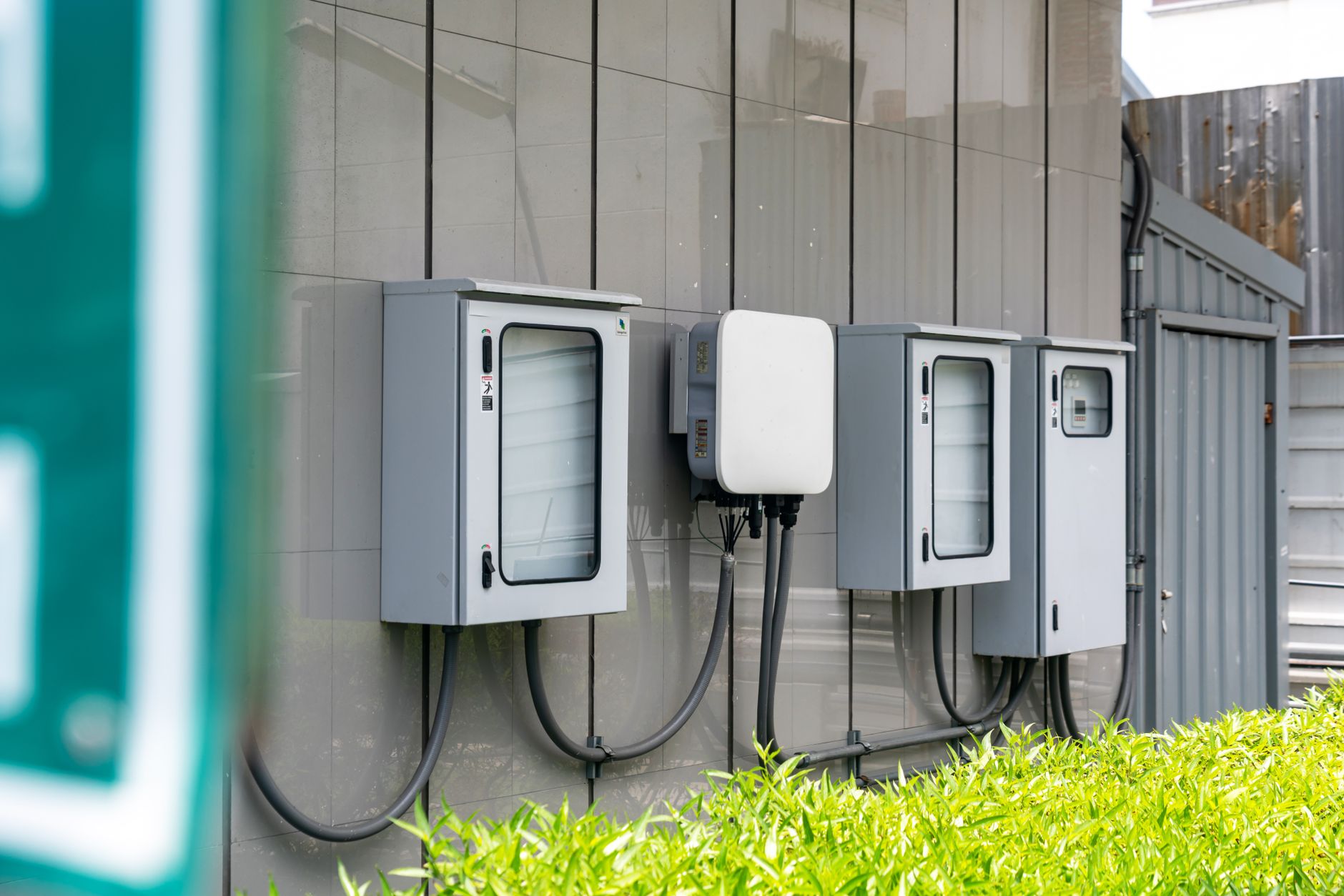
Use licensed electricians who understand outdoor ground fault requirements and local trenching rules. Extension cords across fairways are a stopgap, not a season plan.
Buried conduit with marked access points beats overhead lines that conflict with spray rigs. Mark trench lines on the irrigation map.
If you buy outright or lease through financing, separate capital for electrical work in the project budget. RoboCare service covers the mower, not a missing GFCI.
Visibility for starters and members
Docks near landing zones need low profiles and paint that matches maintenance standards. A charging pad behind a hill can surprise a foursome if starters are not briefed.
Post hole numbers on the board when a dock sits where carts turn. Rangers should know the robot may cross slowly after a charge cycle.
Night lighting at the pad helps monitors, not guests. Aim light down; avoid spill onto adjacent greens collars.
Splitting docks across the course
When one pad cannot reach holes ten through eighteen, add a second dock on the back nine rather than stretching battery risk. Map which polygons home to which pad.
Mechanics should label chargers A and B on the whiteboard the same way they label pump stations. Mixed plugs cause wrong-unit resets.
Service Robot Co. can advise on typical ranges during a site walk, but your superintendent still signs off on turf setbacks.
Cart-path edges without driving on fairways
Some layouts allow a narrow maintenance track that is not a member cart path. If policy permits, pave a short approach to the pad while keeping robots off collars.
Where only walking access exists, design the robot route to enter from a maintenance gate rather than cutting diagonally across a fairway.
Document the gate combo for seasonal monitors. A locked gate stops the loop cold at midnight.
Storms, trees, and moving pads later

Lightning hits and limb drops can shift where safe power access exists. After arbor work, re-walk dock paths before you unlock routes.
If a pad must move temporarily, treat it like a new install: test GFCI, update the board, and tell starters which holes changed.
Keep photos of trench routes in the storm binder. Repair crews dig without knowing your conduit is six inches down.
Morning checks tied to dock placement
Monitors should confirm each unit returned to the assigned pad, not a neighbor charger after a low-battery detour.
Look for tire tracks that show a robot shortcutted through a wet panel to reach power. That track tells you to move the pad or adjust the approach polygon.
Log pad issues in the same overnight book you use for irrigation alarms. Patterns show up fast when summer heat stacks.
Working with mechanics and outside contractors
Electricians need a turf liaison when trenching near fairways. One afternoon of escorted work beats a week of repairing collar damage.
Tree contractors should know conduit locations before they stump grind. Share a sketch, not a verbal wave.
When RoboCare replaces a charger, verify the new unit sits on the same pad orientation. A rotated dock can miss the alignment guide.
Pilot weeks prove placement before peak season
Run a two-week pilot on nine holes with one dock and conservative polygons. Note every low-battery return and every monitor detour.
Add the second dock only when data shows a pattern, not when a vendor diagram looks tidy.
Pilot notes belong in the same folder as your map edits so year-two staff inherit the reasoning.


